REVIEW · JAISALMER
Nomadic Non-Touristic Overnight Camel & Desert Safari Tour
Book on GetYourGuide →Operated by Marvin Camel Safari & Day Tours · Bookable on GetYourGuide
Sleeping under the dunes is the main event. This 2-day, 1-night camel safari from Jaisalmer trades the usual tourist loop for a quieter Thar Desert night: a camel ride into the dunes, masala chai out in the desert, and an open-sky billion-star sky. You’re also going beyond the ride with time for sunrise and sunset views that feel slow and real, not staged.
I love the simple, satisfying flow: sunrise tea followed by another camel ride, then breakfast and a relaxed return to Jaisalmer. I also like how the food and camp moments are handled by the same desert-focused crew, including wood-fired cooking and a campfire/bofire setup when conditions allow.
The one real consideration is comfort level. You’re signing up for an off-grid night: no electricity and no mobile network, and there’s no mention of washrooms at camp. Add winter-only safety rules for campfire/bonefire, and you’ll want to pack smart so the basics don’t annoy you.
In This Review
- Key things to know before you go
- Why This Thar Desert Camel Night Feels Less Like a Tour
- Getting There: Jaisalmer Pickup, Jeep/Car Transfer, and Timing
- Day 1 Route: Natural Oasis and Khabha MT Fort Before Sunset Dunes
- Camel Safari Basics: Your Camel Time, Driver Support, and Snack Stop
- Dinner by Wood Fire, Campfire Rules, and Vegetarian Meal Setup
- Sleep Under Open Sky: What Off-Grid Really Means at Camp
- Day 2 Sunrise and the Second Camel Ride Back to Jaisalmer
- Price and Value: What $34 Covers (and Why It Feels Reasonable)
- Who This Safari Suits Best (and Who Should Skip It)
- What to Bring for a Smooth, Happy Desert Night
- Should You Book This Non-Touristic Overnight Camel Safari?
- FAQ
- How long is the camel desert safari?
- What’s included in the tour price?
- Is there a campfire or bonfire?
- Do I have electricity or mobile network at the camp?
- What should I bring for basic comfort?
- Who should avoid this tour?
Key things to know before you go
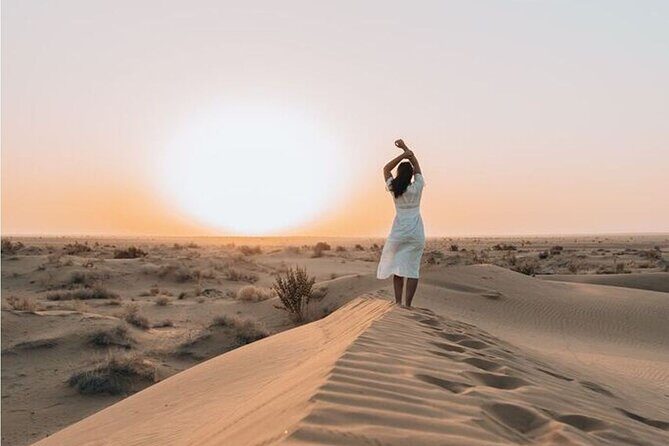
- Billion-star stargazing with an open sky right from camp, not from a viewpoint across town
- Two camel rides: one in the afternoon and one again after sunrise
- Masala chai and snacks in the desert, timed around the best light for dunes
- Wood-fire vegetarian dinner plus a simpler evening around the fire when allowed
- No power, no network, no washrooms, so bring practical basics (torch, towel, toilet paper)
Why This Thar Desert Camel Night Feels Less Like a Tour
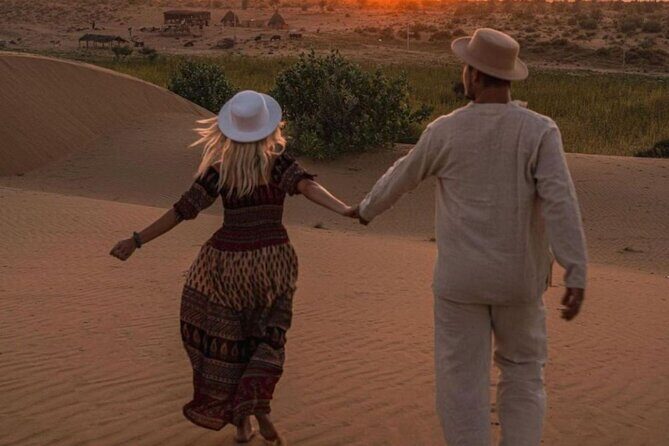
If you want comfort-controlled tourism, this is not that. This experience is built around the desert schedule: afternoon travel, sunset on the dunes, evening fire and dinner, then sleep under the sky. It feels closer to how nomads move through the landscape than how a day-trip group races through it.
The best part is the night sky. When you’re far enough from city lights, the stars don’t just look pretty. They look unreal, like the desert turns down the world and turns up the sky. One guest even described it as a billion-star hotel experience, and the setup here matches that idea: sleeping on desert-style bedding with a simple, open-sky approach.
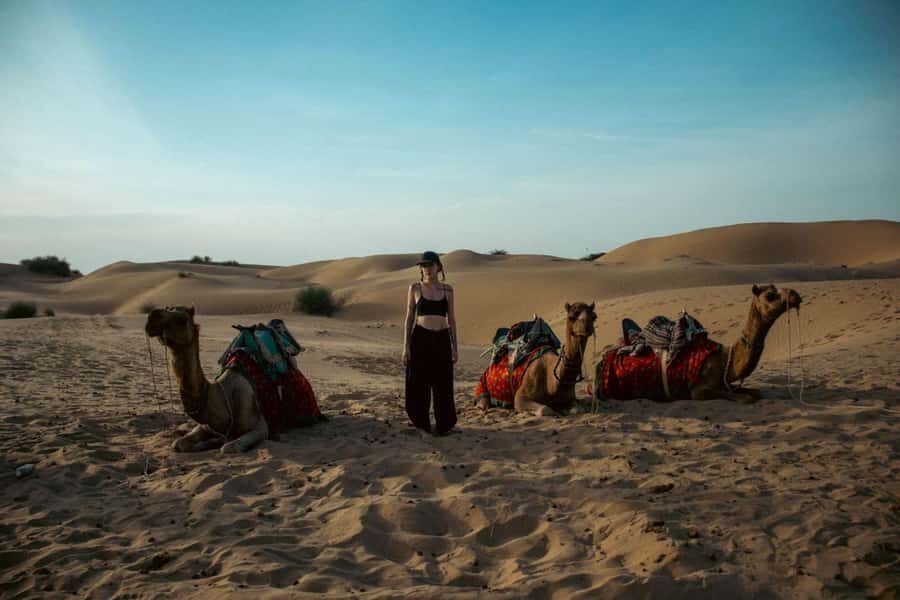
The second big win is how the camel ride anchors everything. You’re not just riding for a photo. Each camel time slot gives you a different “feeling” of the dunes—sunset dunes in the first leg and calmer, cooler morning dunes the next day.
A few more Jaisalmer tours and experiences worth a look
Getting There: Jaisalmer Pickup, Jeep/Car Transfer, and Timing
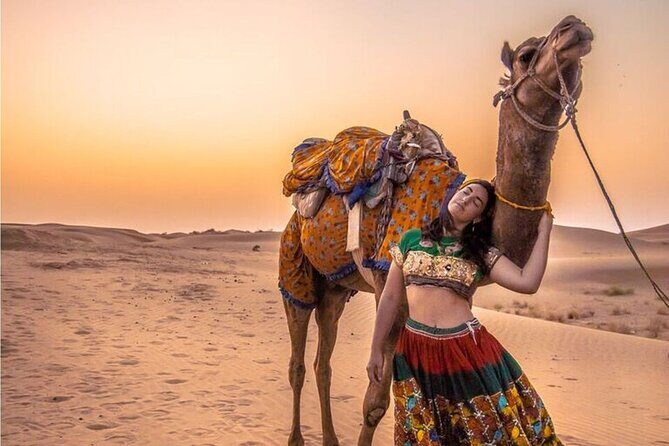
This tour starts from the Marvin Camel Safari office around 2:00 PM. From there, you travel by jeep or car with hotel pickup and drop-off, plus round-trip shared transfer. That matters because it keeps the trip from turning into a DIY scramble when you’re trying to be ready for the desert clock.
On the way out, you pass through a set of stops that break the ride into “beats,” not one long transfer. There’s also a built-in rhythm: you reach the desert zone, meet your camel and camel driver, and then get your first dunes time before sunset peaks. You’re basically using daylight while daylight lasts, then switching gears to stars and sleep.
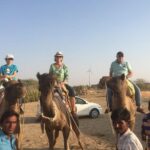
One more thing I appreciate: the tour keeps the groups practical. Your pace sounds steady rather than frantic, and each person gets their own camel, which helps avoid awkward swapping or delays.
Day 1 Route: Natural Oasis and Khabha MT Fort Before Sunset Dunes
Day 1 has a classic desert build: softer moments before the dramatic ones.
First, you go to a Natural Oasis, described as a peaceful stop with the desert around it. Even if you’ve seen oases on maps before, the shift in scenery hits differently when it’s part of a real route to a remote camp. It’s the pause before the open dunes.
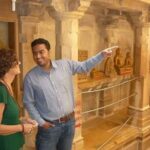
Next comes Khabha MT Fort. The point here isn’t that it’s a huge, busy landmark. It’s that it gives you historical texture on the way to the desert, so the night doesn’t feel like you suddenly teleported into emptiness. The desert journey becomes a story arc instead of a straight line.
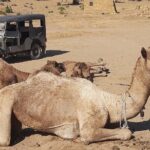
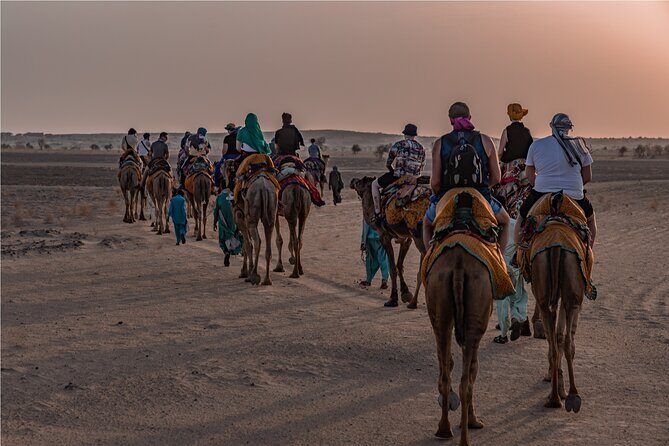
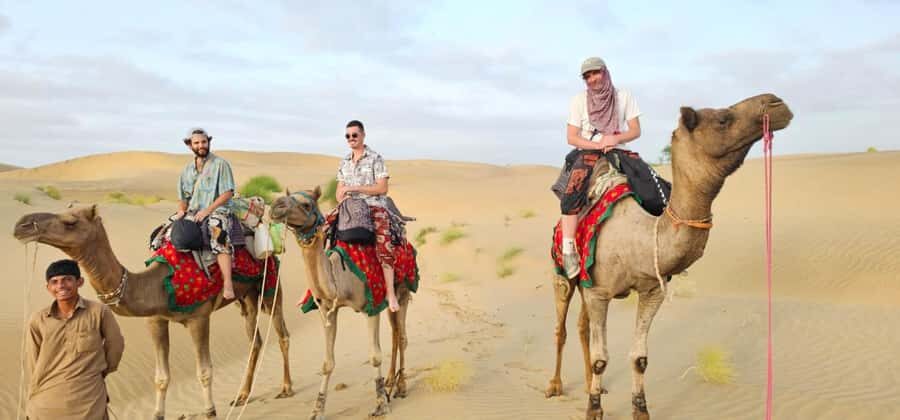
After those stops, you arrive at the desert and you’ll get a welcome from the camel driver and the camels themselves. Then it’s time to mount and begin the camel ride.
Camel Safari Basics: Your Camel Time, Driver Support, and Snack Stop
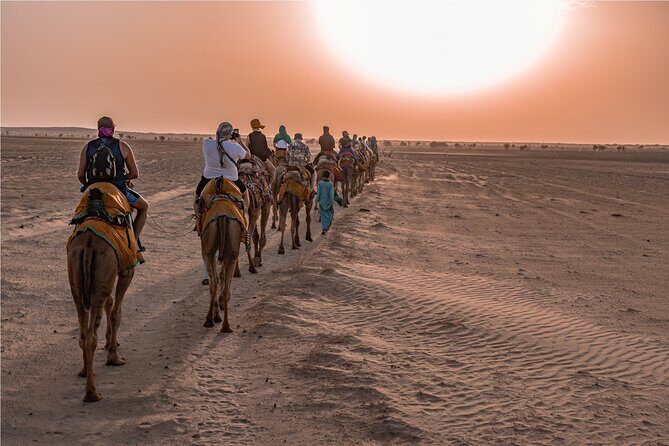
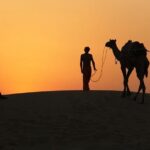
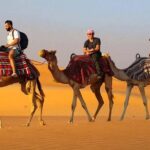
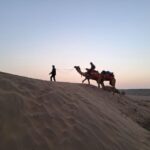
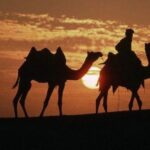
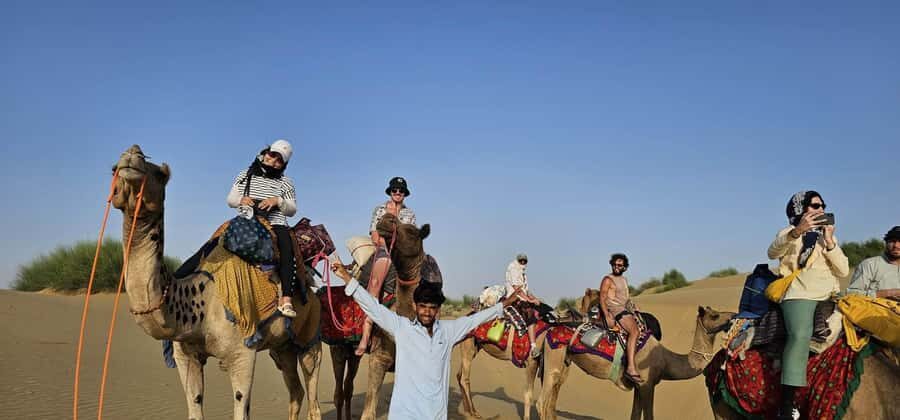
You get a camel ride of about 30–45 minutes into the dunes on Day 1. Then you’ll stop at the dunes to enjoy sunset views, plus masala chai with snacks mid-safari. That chai break is more than a snack stop. It’s the moment when the desert starts to feel ceremonial—warm tea against cool dune air, colors changing quickly as the sun drops.
I also like that the tour is described as non-touristic in style. That usually means fewer distractions and less “look here” energy. It’s you, your camel driver, and a wide-open setting where the dunes do the entertaining.
Your camel driver is a key part of making this smooth. The tour information emphasizes that you go with experienced local camel drivers, and one review specifically praised Marvin as a guide for sharing desert knowledge. Another review also credits the team—mentioning Ali and Abu—for caring for the camels and cooking. In practice, that means you’re not just handed a saddle and left to figure it out.
Dinner by Wood Fire, Campfire Rules, and Vegetarian Meal Setup
Evening is where the desert stops pretending it’s a themed activity and starts acting like the desert.
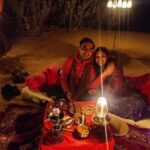
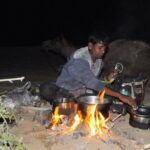
Dinner is described as freshly cooked vegetarian food prepared on wood fire by your camel driver. That’s a big deal for value, because it removes the need to bring food or hunt for dinner somewhere remote. You get a proper meal that fits the setting, not just packaged snacks.
After dinner, the plan is to sit around the fire. One important note: campfire or bonefire is only in winter time for safety. So if you’re traveling outside winter, you might still eat wood-fired food, but you shouldn’t count on a large evening fire ritual.
Either way, the evening is built for stars. You’ll have time for stargazing and moon viewing, with the desert sky doing most of the work.

Sleep Under Open Sky: What Off-Grid Really Means at Camp
Night time here is the star of the show—literally.
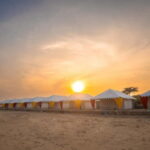
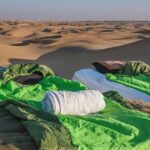
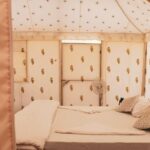
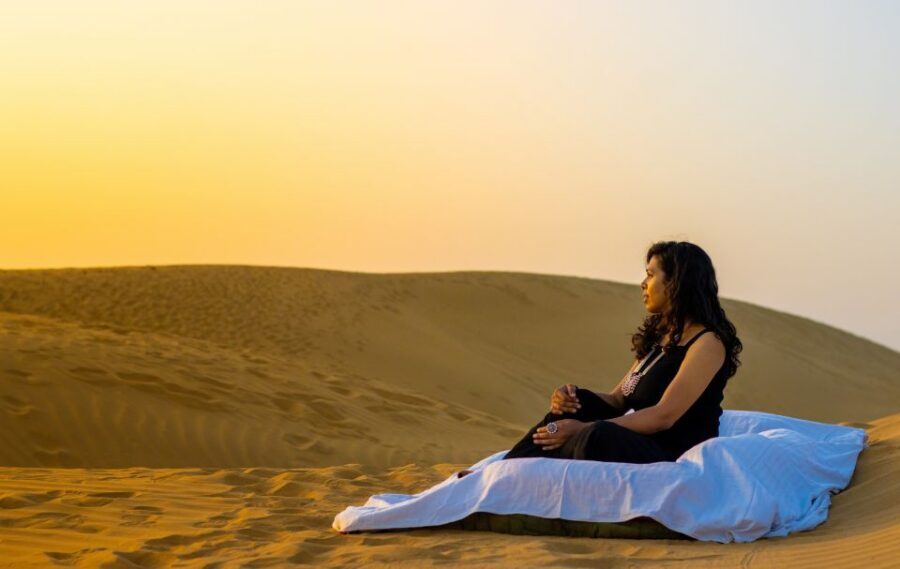
You’ll sleep in traditional desert-style bedding, described as sleeping on the dunes with blanket & mattress, or on a simple open shelter depending on conditions. Some guests even highlighted the feeling of sleeping without tents, only mattress, with dunes around you. That’s the kind of detail that changes the whole experience: you’re not hidden away. You’re exposed, in the best way.
The off-grid reality is stated plainly:
- No washroom
- No electricity
- No mobile network
That means you’ll want to bring a torch, toilet paper and a towel, plus toiletries and any small comfort items you’re used to. It also means plan your photos and charging times. If you arrive with a dead phone battery, you’ll be stuck doing what the desert does best: seeing, listening, and waiting for sunrise.
Weather is also a real factor. One guest said they had a good clear night after a short sand storm and light rain, and it cooled things off. Another guest couldn’t stay in the Thar due to a rain storm, so you should treat this as an outdoor adventure, not a guaranteed guaranteed-night scenario.
And because it’s a true adventure: no nudity, no weapons or sharp objects, and no intoxication. This is about being safe and respecting the environment and community hosting the experience.
Day 2 Sunrise and the Second Camel Ride Back to Jaisalmer
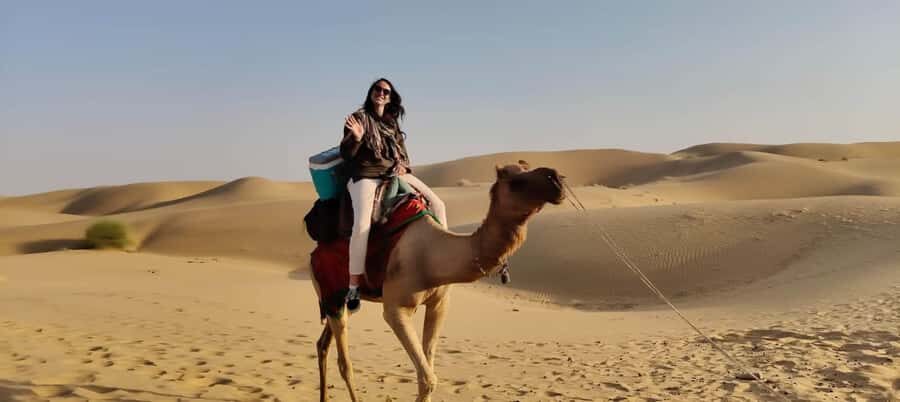
Day 2 begins with sunrise. You get tea in the morning, then breakfast after sunrise. After that, you mount up again for another camel ride of about 30 minutes.
This second ride is worth it even if the first one already sold you. Afternoon rides are about sunset colors and changing dune shadows. Morning rides are about calm—cooler air, quieter movement, and the dunes looking almost sculpted before the light gets strong.
Then you switch back to jeep/car for the return. The tour information states that you’ll reach Jaisalmer by 10:00 AM. So you’re not signing up for a full day of travel on top of the overnight. It’s a clean loop: desert experiences first, then back to town while your energy still exists.
Price and Value: What $34 Covers (and Why It Feels Reasonable)
At about $34 per person, the real question isn’t the headline price. It’s what’s included compared to doing it piece by piece.
This price includes:
- Hotel pickup and drop-off
- Round-trip shared transfer (jeep/car)
- Guided camel trek, with each person having their own camel
- Overnight accommodation on desert-style bedding
- Breakfast and dinner, plus bottled water
- Evening tea and coffee
- Camel safari package entry/admission
For a remote desert overnight, that combination is the value. You’re paying for transportation out of Jaisalmer, animal handling and guide time, meals that match the setting, and sleeping arrangements where you can’t just pop down the street for amenities. Also, you’re getting stargazing and sunrise/sunset views that most people would struggle to reproduce independently without a local plan.
The only way it stops being a value is if you need modern comforts. If you want bathrooms, charging ports, and constant cell service, you’ll be frustrated and you should look for a different type of desert camp.
Who This Safari Suits Best (and Who Should Skip It)
This tour is best for people who want a real overnight desert feel and don’t mind basics.
You’ll likely enjoy it if you:
- love stargazing and early morning scenes
- want a camel experience that feels like an activity with a purpose, not just a quick ride
- are comfortable packing a few essentials (torch, towel, toilet paper, warm night clothes if you’re traveling in winter)
- want a quieter alternative to bigger, more staged safari setups
You should skip it if you:
- are pregnant
- need wheelchair accessibility
- are traveling with babies under 1 year
Also, expect a “no electronics comfort” vibe. The tour clearly notes no mobile network and no electricity, so plan for downtime.
What to Bring for a Smooth, Happy Desert Night
Pack for the desert, not for your usual hotel habits. The tour lists several key items, and they’re all practical.
Bring:
- Passport or ID card
- Travel insurance (not included)
- Hat/cap/turban
- Fully-charged camera battery
- Toilet paper and a towel
- Sunscreen and sunglasses
- Torch
- A small medical kit
- Weather-appropriate clothing, especially warm clothes for night-time in winter
- Long-sleeve shirt, long trousers, and sturdy shoes (sun is fierce)
A big tip: treat your torch like a must-have, not an optional add-on. With no washroom and no power, a flashlight becomes your best friend after dark.
Also, camera-wise: charge before you go. A night sky show only works if you can capture it.
Should You Book This Non-Touristic Overnight Camel Safari?
Book this if your priority is the desert night itself: open-sky stargazing, camel time into the dunes, and a real off-grid overnight from Jaisalmer. The value at about $34 is strong because it bundles transport, meals, a guided camel trek, and sleeping arrangements in a place where doing it yourself would be tough.
Don’t book if you need modern comforts, bathrooms, or reliable connectivity. You’re trading those for silence, stars, and a slower pace.
If you do book, check the weather close to your dates and keep flexibility. Outdoor desert conditions can shift fast, and that affects whether you get the full night experience exactly as planned.
FAQ
How long is the camel desert safari?
It runs for 2 days and 1 night. Day 1 starts around 2:00 PM from the Marvin Camel Safari office area, and you return to Jaisalmer by about 10:00 AM on Day 2.
What’s included in the tour price?
The tour includes hotel pickup and drop-off, round-trip shared transfer, a guided camel trek, each person’s own camel, overnight accommodation on desert-style bedding, breakfast and dinner, bottled water, and evening tea and coffee.
Is there a campfire or bonfire?
Campfire or bonefire is only in winter time due to safety purposes.
Do I have electricity or mobile network at the camp?
No. The tour notes there is no electricity and no mobile network available at the camp.
What should I bring for basic comfort?
Bring a hat, sunscreen, sunglasses, a torch, toiletries, toilet paper and a towel, sturdy shoes, and appropriate warm clothing for night-time (especially in winter). The tour also suggests having a fully-charged camera battery.
Who should avoid this tour?
It’s not suitable for pregnant women, wheelchair users, and babies under 1 year. Weapons or sharp objects and intoxication are also not allowed.