REVIEW · BANGALORE
4-Hour Private Photowalk Tour in Bengaluru
Book on Viator →Operated by City Tours India · Bookable on Viator
Early morning is when Bengaluru shows its face. This 4-hour private photowalk takes you from KR Market street chaos to landmark stops like Tipu Sultan’s Summer Palace, with a guide focused on photo etiquette and safety. You get a photographer’s route that’s built for walking, not guessing.
What I like most is the 6:00 am start and the chance to photograph fresh arrivals at the flower market before the city turns gridlocked. I also like that the tour is truly private, so you can move at your pace and stop for shots without feeling rushed. One consideration: it’s a moderate-walking route through busy areas, so wear shoes that can handle early-morning streets.
In This Review
- Key points to know before you go
- Why 6:00 AM Makes This Photowalk Work
- KR Market (Grand Flower Market): Your Best Chance at Street Energy
- What you can photograph here
- The one drawback: sensory overload
- Bangalore Fort: A Mud-Fort Origin You Can Actually See
- Why this stop matters for your photos
- Admission and time reality
- Kote Venkataramana Temple: Dravidian-Vijayanagara Lines in Morning Light
- What I’d focus on as a photographer
- The drawback: be respectful with timing
- Tipu Sultan’s Summer Palace: Teak, Indo-Islamic Style, and Big Photo Lines
- What this palace stop gives you
- The one consideration: finish your shots before the pace moves on
- Photography Etiquette and Safety: What the Guide Actually Changes
- Price and Value: Is $79 Worth a Private Photowalk?
- What This Tour Feels Like on the Ground
- Who Should Book This Bengaluru Photowalk
- Should You Book This Tour?
- FAQ
- What time does the Bengaluru photowalk start?
- How long is the tour?
- Is this a private tour?
- What does the tour cost?
- What is included in the price?
- Are food and drinks included?
- Is hotel pickup included?
- Can I cancel and get a full refund?
- Where does the tour end?
Key points to know before you go
- KR Market at dawn: trucks, flowers, and morning light create strong photo moments fast
- A guide that manages etiquette and safety: you’re less likely to be in the wrong place at the wrong time
- Fort, temple, and palace in one loop: three architectural vibes that photograph differently
- Historical detail with clear visual payoffs: mud-fort origins, Dravidian-Vijayanagara styling, and Indo-Islamic teak work
- Small-group feel is possible: one review described only two people on the tour, which made it feel flexible
Why 6:00 AM Makes This Photowalk Work
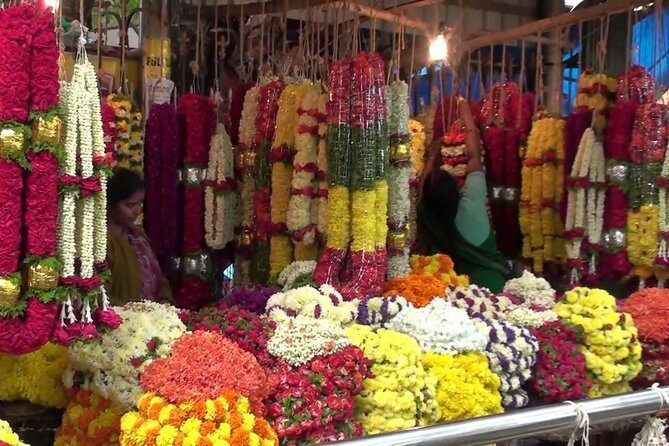
If you care about photos, timing is half the trip. Starting at 6:00 am helps because the city is calmer, streets are easier to navigate on foot, and you get cleaner morning light on faces, carts, and stonework. You also avoid the worst of the traffic-style chaos that can steal momentum from a walking tour.
This is the kind of schedule that fits photographers who don’t just want landmarks. You’re after the in-between stuff too: the hands moving crates, the sellers setting up, and the buildings absorbing the early light. The tour’s order is built around that idea.
There’s also a practical benefit: you’ll cover multiple major stops without spending the day hopping around. In 4 hours, that’s a big deal in Bengaluru, where distances can add up if you’re relying on random transport.
You can also read our reviews of more private tours in Bangalore
KR Market (Grand Flower Market): Your Best Chance at Street Energy
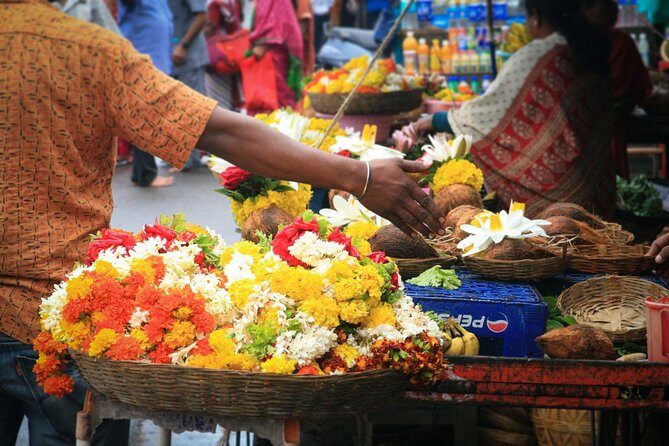
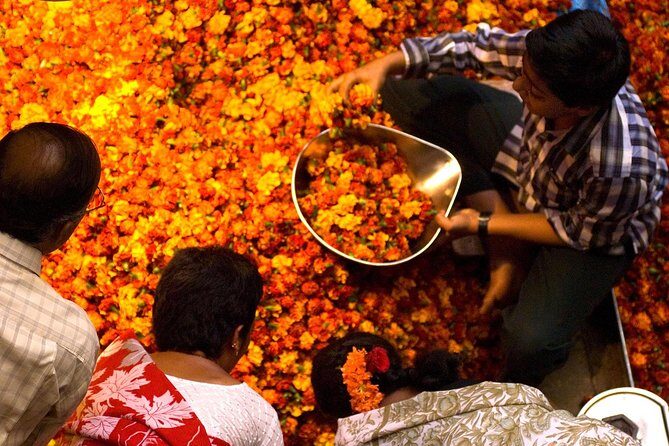
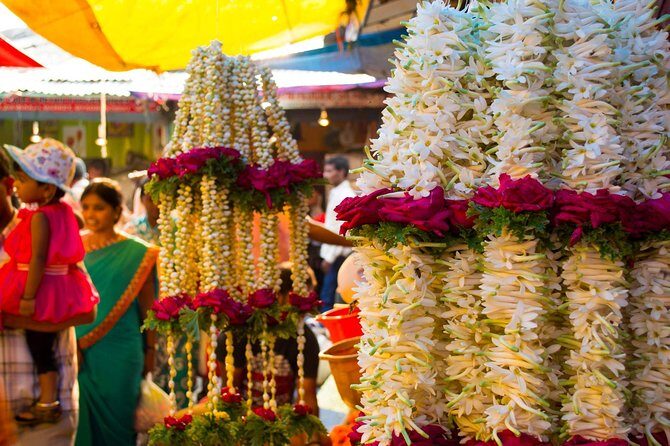
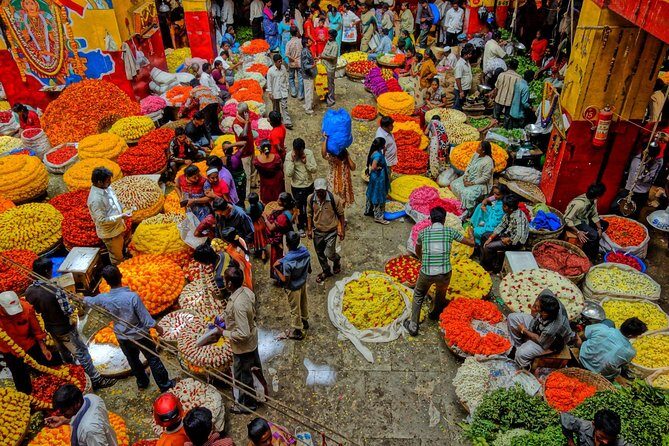
KR Market is where the tour earns its keep. You begin in the morning and head toward the wholesale flower market area (with the Town Hall area as a key landmark on the walking route). This is not a quiet spot. It’s color, motion, and smell all at once, with trucks arriving loaded with blooms, petals, and leaves.
Your time here is long enough to actually work. You’re not doing a quick photo stop and leaving; you’ll have about 2 hours in the market environment to pick your angles and repeat shots from different positions. That matters if you use a phone, a mirrorless camera, or a DSLR, because you’ll want options when crowds shift.
What you can photograph here
You can expect strong subjects at street level:
- trucks arriving with loads of flowers and greens
- close-up details like petals, stems, and bundled leaves
- sellers and shoppers in active morning mode
- the market’s mix of produce, fruits, and seasonal vegetables
A nice bonus is that this stop isn’t only flowers. You’ll also get exposure to seasonal fruits and vegetables, which helps you build a varied set of photos instead of an all-bloom album.
The one drawback: sensory overload
KR Market is intense. The guide keeps things safer and more orderly for photos, but you still need to be mentally prepared for crowds and movement. Bring patience, keep an eye on where you step, and treat the chaos like part of the composition rather than something you have to fight.
Bangalore Fort: A Mud-Fort Origin You Can Actually See
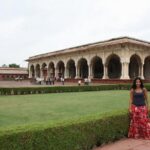
After the market, you walk toward Bangalore Fort. This is one of those stops where the name sounds familiar, but the backstory gives you a reason to slow down and look. Construction started in 1537 as a mud fort, built by Kempe Gowda I, who was a vassal of the Vijayanagar Empire and is credited with founding Bangalore.
You’re only here about 30 minutes, so you need to use that window efficiently. The good news is that forts naturally give you photo angles: walls, edges, openings, and lines that help your images feel structured after the clutter of the market.
Why this stop matters for your photos
The market is all about texture and movement. Bangalore Fort gives you structure. It’s a change in rhythm, and that’s what makes a set of images feel like a real story instead of a pile of unrelated shots.
Even with limited time, you can likely get:
- wide shots that frame the fort space
- detail shots of surfaces and architectural edges
- portraits that use fort backgrounds to separate subjects from noise
Admission and time reality
Admission is included, and your time is brief. That’s ideal if you want the history without turning the tour into a lecture. Just don’t expect a long wander. Use your 30 minutes to get the strongest compositions first, then explore if time allows.
Kote Venkataramana Temple: Dravidian-Vijayanagara Lines in Morning Light
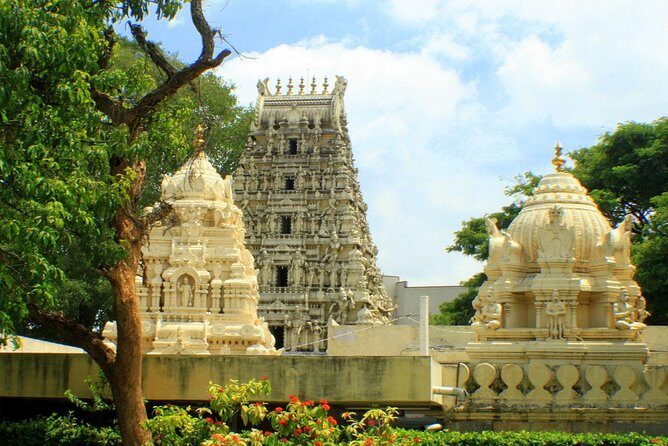
Next comes Kote Venkataramana Temple, dedicated to Venkateshwara. The temple was built in 1689 in Dravidian and Vijayanagara style, by King Chikka Devaraja Wodeyar, who ruled Mysore at the time.
You’ll spend about 45 minutes, which is enough time to photograph both the bigger architectural features and smaller details. Temples often look best when you’re not standing too far away. Getting closer usually turns the stonework into geometry you can frame.
What I’d focus on as a photographer
Because you’re getting a structured stop after the market, your photos can shift from chaos to calm:
- symmetrical framing and repeating shapes
- textured surfaces and carved patterns
- doorway and column compositions
- careful use of morning light to avoid flat results
This is also where the guide’s role becomes more important. Religious sites tend to have their own rhythms and rules. The tour is designed around photo etiquette and safety, so you’re more likely to capture what you came for without causing problems for people worshipping on-site.
The drawback: be respectful with timing
You can photograph during your time here, but you’ll want to be mindful of where you stand and when you shoot. If crowds or worship activity are heavy, you may need to wait for clean frames. That’s normal at any temple. The upside is that those pauses often lead to better images—less blur, better moments, more meaning.
Tipu Sultan’s Summer Palace: Teak, Indo-Islamic Style, and Big Photo Lines
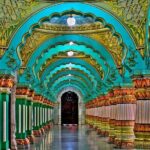
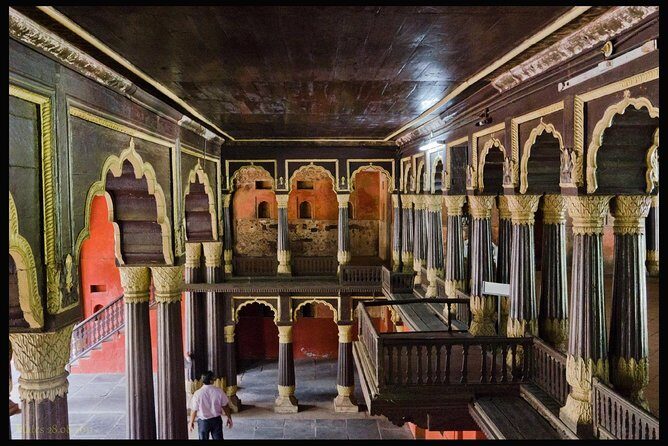
The final major stop is Tipu Sultan’s Summer Palace, a famous architectural example of Indo-Islamic design. The structure is particularly striking because it was built entirely of teak, and it features pillars, arches, and balconies.
Here’s a cool historical detail to keep in your head as you photograph: construction began within the Bangalore Fort walls under Hyder Ali, and the palace was completed in 1791 during Tipu Sultan’s reign. Knowing that timeline helps your images feel more grounded in context, not just pretty facades.
Your visit here is about 45 minutes, and this is also where the walking tour ends. That ending matters because it’s your last chance to build your strongest “hero” shots—wide angles for architecture, plus close-ups for texture.
What this palace stop gives you
You’ll likely get photos with a different mood than the market and fort:
- cleaner lines and stronger symmetry
- ornate details in arches and balcony edges
- a chance to photograph architecture without needing to track moving subjects constantly
Teak construction can also mean warmer-looking surfaces in morning light, depending on your angle and how the sun hits. If you’re using a phone, try stepping slightly to the side to reduce glare and catch contrast.
The one consideration: finish your shots before the pace moves on
Because it’s the final stop, you may feel pressure to get everything quickly. I’d treat the first 15 minutes as your “must-have” shot window. Once you’ve secured the basics, you can slow down for details without panicking.
Photography Etiquette and Safety: What the Guide Actually Changes
A photowalk lives or dies by how it handles real-world crowd situations. This tour explicitly includes a local guide who helps manage safety and photo etiquette, plus you avoid the usual navigation headache because the guide leads the way from stop to stop.
That means you spend less time:
- arguing with maps on your phone
- crossing streets at uncertain moments
- guessing where photography is welcome and where it isn’t
In practical terms, you’ll get more time to shoot instead of problem-solving. And since the tour is private, your guide can adjust pacing to your group’s comfort level—especially helpful at a lively market.
One detail worth noting from past participants: the experience can feel even more flexible when the group is tiny. In one case, only two people were signed up and the guide met them at Town Hall, then led them through streets with great lighting for photos. That’s the kind of small-group benefit you should actively look for when you book.
Price and Value: Is $79 Worth a Private Photowalk?
At $79 per person for about 4 hours, you’re paying for three things: a private local guide, access to included admissions, and a photography-focused walking route that saves time and confusion.
Let’s talk value. Your time is split across:
- a long market session with heavy photo opportunity
- two architectural stops with built-in historical context
- a strong final palace finish that works well for both wide and detail shots
Admissions are included for the main sites, and KR Market admission is free. That’s important because you won’t lose time negotiating entrances or paying extra tickets mid-walk.
The only part to double-check for your personal budget: food and drinks are not included. Also, hotel pickup and drop-off aren’t included unless you choose an upgraded car option. If you’re planning to eat before or after, build that into your day so you’re not rushing.
If you’re traveling with another person, ask about group discounts (the tour indicates they exist). Even if it’s still private, discounts can make the same guided route feel more affordable.
What This Tour Feels Like on the Ground
This is a walking experience, not a bus tour. The route depends on you being comfortable moving through busy areas on foot and stopping frequently for photos. The tour calls for a moderate walking level and it’s near public transportation, which is helpful for getting to the meeting area.
The vibe is also very “local morning.” KR Market is the sensory center of gravity, and the later stops shift you into history and architecture. If you like your travel day to feel like a story with changing scenes, this format works well.
The best fit is someone who enjoys photographing people, markets, and details, not just monuments from the sidewalk.
Who Should Book This Bengaluru Photowalk
You’ll probably love this if you:
- want a photo set that includes street life, not only famous sites
- prefer early starts and are willing to walk for better results
- like architecture with real design features like arches and teak structures
- want a guide to handle etiquette and practical safety
You might want to think twice if you:
- struggle with crowds and very active market areas
- need a mostly seated tour (this is walking-heavy by nature)
- expect food to be part of the price
Should You Book This Tour?
I’d book it if you want morning photography with a guide, and you care about capturing Bengaluru as a living city—flowers, produce, architecture, and history in one 4-hour loop. The value is strongest when you use the time well: slow down in KR Market, get your fort frames early, and reserve your “final shots” energy for Tipu Sultan’s Summer Palace.
If you’re the type who hates logistics and loves a structured route with a safety-minded local, this private format makes sense. Just plan on wearing comfortable shoes and bringing water, since food and drinks aren’t included.
FAQ
What time does the Bengaluru photowalk start?
It starts at 6:00 am.
How long is the tour?
The tour is about 4 hours.
Is this a private tour?
Yes. It’s a private activity, and only your group participates.
What does the tour cost?
The price is $79.00 per person.
What is included in the price?
You get a private local guide and all fees and taxes. Admissions are included for the listed stops.
Are food and drinks included?
No. Food and drinks are not included.
Is hotel pickup included?
Not by default. Hotel pickup and drop-off are not included unless you select an upgraded car option.
Can I cancel and get a full refund?
Yes. You can cancel for a full refund if you cancel up to 24 hours in advance of the experience start time.
Where does the tour end?
It ends at Tipu Sultan’s Summer Palace.