REVIEW · BANGALORE
Bangalore Heritage Walk – Private Walking tour
Book on Viator →Operated by Yours Truly India · Bookable on Viator
Old Bangalore smells like flowers and history. This private walking tour strings together big sights—Bangalore Fort, Tipu Sultan’s summer palace, and KR Market—through street-level stories from your local guide. I like how the tour builds the morning around food and place, not just photos.
Two things I really like: the authentic South Indian breakfast (so you’re not hunting later), and the guide’s story style—lots of context that makes each stop click. Names I kept seeing in feedback include Deepti and also Dipti, Sushma, and Ruchira, and the common thread is steady pacing with plenty of street anecdotes.
One consideration: the tour ends at Tipu’s Summer Palace, and that last monument entrance is not included (listed as about $4). Also, it’s a moderate walk, and you’ll need to remove footwear when you enter temple spaces, so wear something you can take off and put back on easily.
In This Review
- Key things you’ll enjoy on this Bangalore heritage walk
- Why this private heritage walk makes sense in Bangalore
- Meeting at State Bank of India, then getting your bearings fast
- Chickpet: oldest-area street context you can actually use
- Lakshmi Natraj stop: snacks, a washroom break, and dosa payoff
- KR Market: flowers plus the real supply chain
- Bangalore Fort: a quick history lesson with teeth
- Tipu Sultan’s Summer Palace: where the tour ends, and shoe rules start
- Guide impact: why Deepti and other guides get repeat praise
- Price and value: is $67 a fair deal?
- What to wear and bring so the walk stays pleasant
- Who should book this Bangalore Heritage Walk?
- Should you book it?
- FAQ
- What’s the duration of the Bangalore Heritage Walk?
- How much does the tour cost?
- Is this a private tour?
- What’s included in the price?
- What is not included?
- Where does the tour start and end?
- Do I need to remove my shoes for temples?
Key things you’ll enjoy on this Bangalore heritage walk
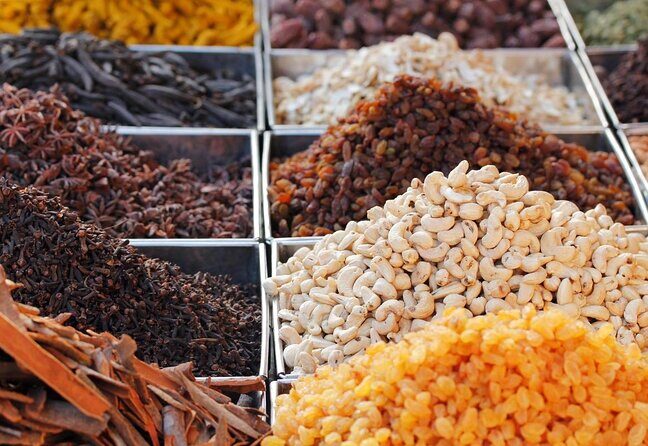
- South Indian breakfast included, so the tour starts with something real, not an empty stomach
- KR Market as a flower-first stop, with the chance to see how the market connects to daily life
- Bangalore Fort framing the city’s defense past, including a clash between Tippu’s forces and the British
- Chickpet giving you a look at Bangalore’s oldest area with quick, useful historical context
- A planned snack-and-washroom break at Lakshmi Natraj (dosa lovers, this matters)
- Tipu’s Summer Palace as a satisfying end point, with temple etiquette along the way
Why this private heritage walk makes sense in Bangalore
If you want to understand Bangalore, you need to walk past what people usually skip. This tour does that. You’ll move through older parts of the city where the streets feel like they still belong to everyday life—commerce, worship, and family routines.
It’s also private, meaning you’re not stuck in a long shuffle with strangers. Your guide can set the pace, answer questions on the spot, and tailor the timing to your group. That’s a big deal on a heritage walk, because the best moments are usually the small ones: a specific street corner story, or why a temple site is placed where it is.
Finally, the structure is simple and useful: old neighborhoods first, then food, then landmarks, ending with Tipu’s Summer Palace. That flow keeps you from burning your energy too early—or getting monument fatigue too late.
You can also read our reviews of more walking tours in Bangalore


Meeting at State Bank of India, then getting your bearings fast
The tour starts at State Bank of India, No 9963, F Block, Kempegowda Rd, Gandhi Nagar. It’s an easy anchor point for finding the group, and it’s noted as near public transportation, which helps if you’re coming from another part of town.
You also get a choice of departure time, which matters in Bangalore because the day can shift quickly from comfortable to hot and bright. The walk is designed for a roughly 4-hour experience, with short stops that keep the pace realistic.
One practical thing: you’ll want water and sun protection. The tour info specifically suggests bringing a bottle, sunglasses, and a cap, plus umbrellas. If you show up prepared, the whole morning feels easier.
Chickpet: oldest-area street context you can actually use
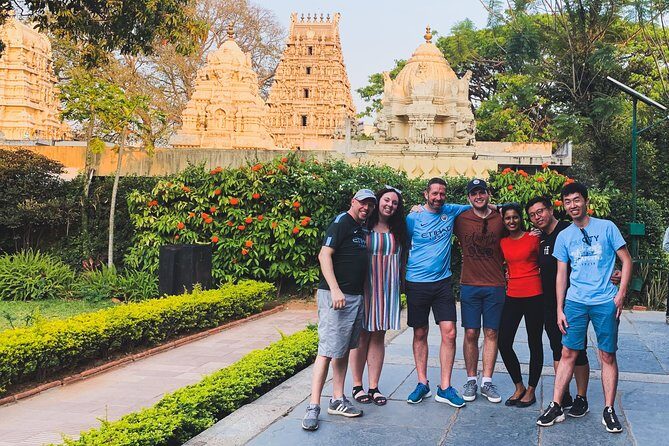
Your first stop is Chickpet, described as the oldest area in Bangalore. This is the kind of start that helps you interpret the city as you go. Instead of jumping straight to a monument, you begin with the neighborhood logic—how old areas grow, where people trade, and how that shapes the city layout.
The time here is short—about 30 minutes—so you’re not dragged through a long orientation. You’ll get the brief history your guide can connect to later stops. If it’s your first time in Bangalore, this is a great way to get your bearings without turning the day into a school lecture.
Lakshmi Natraj stop: snacks, a washroom break, and dosa payoff

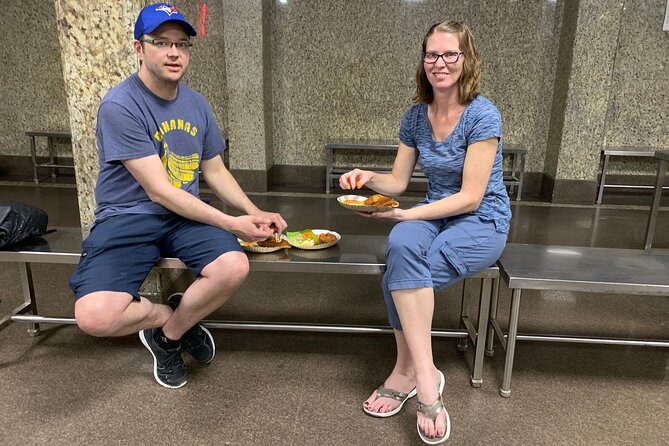
After Chickpet, the tour pauses at Lakshmi Natraj Refreshments for about 30 minutes. This is one of those “invisible value” moments. A planned snack stop means you can refuel without racing around hunting food.
The tour specifically highlights dosa here, and it’s easy to understand why this stop gets attention. Dosa is a classic South Indian comfort food, and it fits the heritage theme because it’s part of local routine, not an imported tourist meal.
You also get a washroom break, which is not always guaranteed on walking tours. It’s a small thing that makes the difference between a relaxed walk and a cranky one.
Tip: go easy if you’re sensitive to spice or oil. You’ll be walking afterward, and the goal is enjoyment, not a stomach marathon.
KR Market: flowers plus the real supply chain
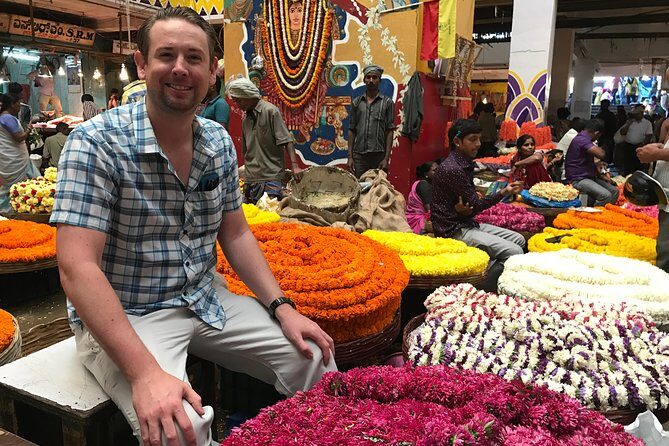
Next up is KR Market, where the tour spends around 40 minutes. This is billed as the biggest flower market in India, and it’s not just about looking at color. KR Market also sells fruits, vegetables, and spices, so you’re seeing how food and ingredients flow through the city.
Why this stop matters: flowers are dramatic, but markets tell deeper stories. They show how Bangalore shops, cooks, and celebrates. And if you watch closely, you start to understand the rhythm—early buying, quick turnover, and the way vendors and customers move through tight lanes.
It’s a free stop for admission, and the time is long enough to slow down and actually notice details. Just remember this is an active market environment, so wear comfortable footwear and keep your phone secure.
You can also read our reviews of more private tours in Bangalore






Bangalore Fort: a quick history lesson with teeth
Your next landmark is Bangalore Fort, for about 20 minutes. This fort is described as having protected Bengaluru against invasions, and the guide connects it to a battle between Tippu’s army and the British.
This is a good example of how a guided walk improves the experience. A fort wall looks like a wall if you only see it once. With the right context, you start to see the strategic logic: why fortifications mattered, and how conflict shaped what the city became.
The time here is short by design, so you get the main story without being stuck there for an hour. It’s also a great pacing reset: you’ve spent time in neighborhoods and a market, and now you get a focused landmark moment.
Tipu Sultan’s Summer Palace: where the tour ends, and shoe rules start
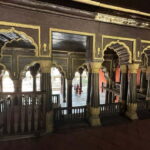
The final main stop is Tipu Sultan Fort and Palace, specifically noted as the summer palace. The tour ends here in Chamrajpet, and the time is about 30 minutes.
This is the climax of the theme. You’ll hear the story of Tipu Sultan’s rise and fall, which is tied to the city’s larger power shifts. It’s also where the heritage walk becomes more than a street experience—suddenly you’re looking at a formal site connected to politics, patronage, and legacy.
Two important practical notes:
- Monument entrance fee isn’t included, listed as about $4.
- You’ll be required to take your footwear off when you visit temple spaces (the tour info calls out temple etiquette explicitly). Your shoes will need a quick break, so choose footwear that’s easy to remove.
If you want to make this stop meaningful, ask your guide a simple question: what detail should you notice first? Guides are great at pointing out the exact element that makes the place make sense.
Guide impact: why Deepti and other guides get repeat praise
One reason this tour earns such strong marks is guide performance. Feedback repeatedly points to guides such as Deepti (and also Dipti, Sushma, and Ruchira) being well-prepared, friendly, and very good at pacing.
That last part—pacing—matters more than people think. A heritage walk can turn into a hurry-up sprint if the guide doesn’t manage transitions between stops. Here, the plan uses short segments: 20–40 minutes per stop. That structure helps you stay engaged and keeps the day from feeling like one long waiting room.
From a practical standpoint, it also means you’ll have time to ask questions. If you’re curious about why a market operates the way it does, or how a fort relates to regional conflict, your guide can usually connect the dots on the spot.
Price and value: is $67 a fair deal?
At $67 per person for about 4 hours, this is not a bargain-basement street stroll, but it also isn’t inflated for what you get.
Here’s what you’re paying for, based on what’s included:
- Local explorer fees
- Snacks
- Authentic South Indian breakfast
You’re also paying for a guide’s time through multiple stops, plus the convenience of a planned food moment and restroom break. On a walking tour, those small logistics reduce your own effort and decision-making.
What’s not included is the monument entrance fee at the final palace area (around $4), and hotel pickup/drop. So if you’re coming from far away, you’ll need to handle getting to the start point.
My take: the value is best if you want a guided story flow plus food. If you only want photos, you may find you could DIY. But if you want explanations—especially around fort history and Tipu Sultan’s legacy—this price usually feels fair.
What to wear and bring so the walk stays pleasant
This is walking-heavy, even if the stops are short. The tour asks for comfort and dress modestly—avoid clothes that reveal knees and shoulders.
In the real world, here’s what that means for you:
- Wear breathable clothing that still meets the modesty guidance.
- Use comfortable footwear you can handle in market conditions.
- Plan for the shoe-off moment at temple spaces.
- Bring water, a sunglasses/cap setup, and an umbrella just in case.
If you’re wondering about weather: the tour notes that it depends on favorable weather. If weather forces a cancellation, you’ll get an alternative or a full refund.
Who should book this Bangalore Heritage Walk?
This works especially well if:
- It’s your first time in Bangalore and you want an organized way to understand the city beyond the main sights.
- You like history that connects to street life, not just plaques.
- You care about eating well without scheduling separate meals.
- You prefer a private format where your group controls the pace.
It may be less ideal if:
- You want a totally relaxing day with minimal walking.
- You dislike markets, crowds of shoppers, or active street environments.
- Your main goal is only one big landmark and nothing else.
Should you book it?
I’d book this Bangalore Heritage Walk – Private Walking tour if you want a guided, story-led introduction to old Bangalore with an included South Indian breakfast and a strong finish at Tipu Sultan’s summer palace. The plan is paced for real walking comfort, and the stops are chosen for meaning, not just location names.
Book it with confidence if you’re comfortable with modest dress, shoe-off temple etiquette, and a market stop where you’ll smell spices and flowers up close. The only real downside is the extra monument entry fee at the end, which is small, but still something to budget.
If you want Bangalore with context and food on the way, this is a solid use of half a day.
FAQ
What’s the duration of the Bangalore Heritage Walk?
The tour is about 4 hours.
How much does the tour cost?
The price is $67.00 per person.
Is this a private tour?
Yes. It’s a private tour/activity, and only your group participates.
What’s included in the price?
Included items are local explorer fees and snacks, plus an authentic South Indian breakfast.
What is not included?
Hotel pickup and drop are not included, and there is an approximate monument entrance fee of about $4 for the final palace area.
Where does the tour start and end?
The start is at State Bank of India, No 9963, F Block, Kempegowda Rd, Gandhi Nagar and the tour ends at Chamrajpet, at Tipu’s Summer Palace.
Do I need to remove my shoes for temples?
Yes. The tour requires taking footwear off when visiting temple spaces.