REVIEW · BANGALORE
Day trip to UNESCO Belur+Shravanbelgola+Coffee & Spice Plantation
Book on Viator →Operated by Bangalore and Beyond · Bookable on Viator
Stone temples and big views in one day. This UNESCO route packs Belur’s Chennakeshava artistry and the Vindhyagiri 640-step climb into a single, well-paced outing. I also like that you get hands-on context, from Jain storytelling tied to Bahubali to the everyday flavors you can smell on a coffee and spice plantation.
One possible drawback: it’s a long day, around 13 to 14 hours, and the stair climb means you’ll want a moderate fitness level and decent footwear.
In This Review
- Key Highlights You’ll Care About
- Why Belur and Shravanabelagola Work So Well Together
- Bangalore Pickup and the 13–14 Hour Rhythm
- Belur’s Chennakeshava Temple Complex: Where Stone Looks Like Lace
- Practical note at Belur
- Coffee Plantation and Spices: Smelling the Difference Between Similar Scents
- What makes this stop valuable
- Shravanabelagola and Vindhyagiri: The 640 Steps That Change the View
- How to handle the climb comfortably
- Jain Temple Time: Seeing Ritual Space Without Rushing It
- Food and Break Strategy: Lunch Included, Extras at Your Own Pace
- A practical way to think about meals on this trip
- Price and Value: What $113.34 Really Covers
- Logistics That Affect Your Experience (Not Just Paperwork)
- The one thing to watch
- Who Should Book This Tour
- What to Bring: Small Items That Save the Day
- Guides and Driver: The Difference Between Seeing and Understanding
- Should You Book This UNESCO Belur–Shravanabelagola Day Trip?
- FAQ
- FAQ
- How long is the day trip?
- Where do you meet in Bangalore?
- What is included in the price?
- Is lunch vegetarian?
- Do I need to climb stairs at Shravanabelagola?
- What should I bring?
- How big is the group?
- Can I cancel and get a full refund?
Key Highlights You’ll Care About
- Two major temple stops with strong historical and religious context: Belur and Shravanabelagola
- 640 steps at Vindhyagiri for the view payoff and the Bahubali setting
- Coffee and spice plantation walk that connects the crop to what ends up in your kitchen
- Vegetarian lunch included, with help for dietary requirements
- Small group max 10, so the schedule usually feels workable rather than chaotic
Why Belur and Shravanabelagola Work So Well Together
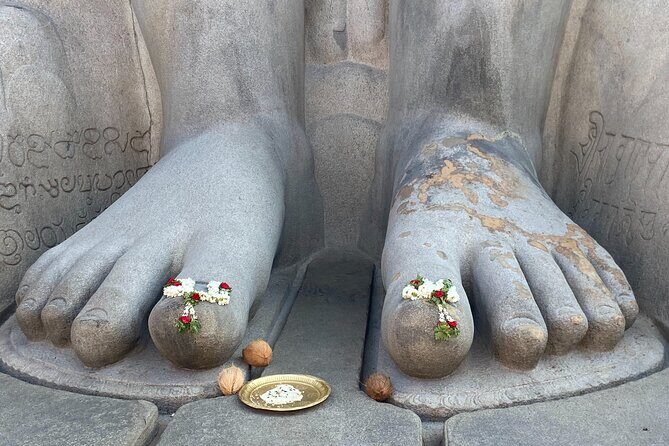
This day trip makes a smart pairing: you start with Belur’s Hoysala-era stone craftsmanship, then shift to Jain devotion and one of the most dramatic monolithic statues in India. If you like seeing how different parts of the same region share themes—belief, ritual, and skill carved into stone—this route clicks.
I love that the temples aren’t treated like quick photo stops. The guides tend to frame what you’re looking at, so the carvings and symbols start making sense instead of just passing by.
You can also read our reviews of more tours and experiences in Bangalore.

Bangalore Pickup and the 13–14 Hour Rhythm
The day starts early, with pickup around 7:30 am from Mahatma Gandhi Road in Shivajinagar, and it loops back to the same meeting point at the end. You’ll ride in an air-conditioned vehicle, and there are toilet breaks along the way, including an early countryside stop-in-your-seat moment during the drive toward Belur.
The schedule is built like this: you’ll move from temple to temple with guided time on-site, then add one slower, sensory stop (coffee and spices), and finish with Shravanabelagola. At roughly 13–14 hours, it’s not the kind of outing where you can wander for hours off-program—so plan to stay engaged and let the day flow.
Belur’s Chennakeshava Temple Complex: Where Stone Looks Like Lace
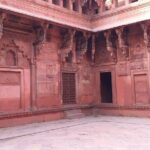
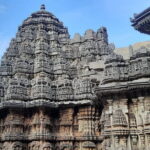
Belur’s main draw is the Chennakeshava Swamy / Chennakeshava complex, associated with the Hoysala dynasty and built in the 12th century under King Vishnuvardhana. You’ll spend time at both the Swamy temple and the broader Chennakeshava temple stop, which gives you enough room to notice repeating motifs rather than staring at one area and missing the rest.
What you’ll feel here is the scale of carving skill. The stone work is intricate enough that it’s tempting to speed through. A better approach is to pick one section and focus on the details, then circle back—especially on pillars, doorframes, and ceiling-like areas where carvings stack up.
Practical note at Belur
This is a cultural site with a lot of walking and standing. Wear shoes you can rely on for long hours, and bring water. You’ll have a bit of time set aside at each temple, but you’ll still want to stay comfortable because the day is long.
Coffee Plantation and Spices: Smelling the Difference Between Similar Scents
After the stone temples, the tour switches gears to a local coffee plantation on the outskirts of Belur. This is the part I think many people underestimate. It’s only about one hour, but it gives you a sensory reset: shade, farm sounds, and the real-life smell of plants you usually only notice as dried spices in a jar.
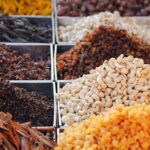
You’ll also see spices growing in the area. The tour description highlights flavors such as pepper, clove, all-spice, ginger, turmeric, curry leaves, and more. Even if you already cook with some of these, it helps to match the scent you know to the plant you’re seeing.
A few more Bangalore tours and experiences worth a look


What makes this stop valuable
This isn’t a show with a single scripted “coffee facts” speech. You get to connect the dots between a plantation and daily cooking, which makes the rest of India’s food culture easier to read when you’re back in Bangalore.
And if you’re a tea-and-coffee person, this is a good day to ask simple questions: What grows here, what needs shade, what ripens first, and why different plants taste different even when they look related.
Shravanabelagola and Vindhyagiri: The 640 Steps That Change the View
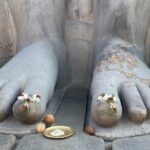
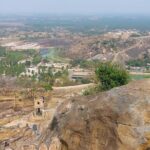
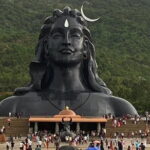
Shravanabelagola is where the trip earns its dramatic reputation. The name means white pond of the Jain monk, and the site is famous for the tall monolithic statue of Bahubali. The statue was carved out of a single block atop Vindhyagiri in 983 AD by Chavundar, and the story of Bahubali is part of the reason the place feels bigger than a statue photo.
You’ll spend around three hours in the Shravanabelagola area. The big physical moment is the climb up Vindhyagiri’s 640 steps. Yes, it’s work. The good part is that the effort is rewarded with changing views and a gradual shift from ground-level bustle to a more focused, reverent site experience.
How to handle the climb comfortably
If your fitness is moderate, you can do this, but you should treat it like a hike, not a stroll. Pace yourself early so you’re not gasping halfway up. Bring extra socks—the day is long, and your feet will thank you later.
Also, the tour suggests rainwear. If weather turns, slick steps become a safety issue, and rain gear helps you keep moving instead of slowing down because you’re uncomfortable.
Jain Temple Time: Seeing Ritual Space Without Rushing It
After the main Shravanabelagola moment, there’s also a Jain temple stop back in the area of Shravanabelagola. This gives you a chance to reset after the climb. It’s a good moment to look at the site layout and take in how worship, architecture, and the big statue all work together.
This part tends to land best if you pause and watch how people move through the space. You’ll get more out of it when you stop treating it as only a landmark and start noticing how the space is used.
Food and Break Strategy: Lunch Included, Extras at Your Own Pace
Lunch is included and vegetarian. The tour notes that you can share dietary requirements so the lunch can accommodate you, which matters if you’re traveling with allergies, restrictions, or specific food needs.
On top of lunch, you’ll have downtime on the return drive. The schedule allows for toilet breaks and time to grab a snack or even an early dinner break, with eating options along the highway back to Bangalore.
A practical way to think about meals on this trip
Because the day is long, I suggest eating lunch without skipping it. If you like to snack, do it in short bursts at break points rather than waiting until you’re tired and hungry. This makes the climb feel less draining and keeps you from hitting the end of the day cranky.
Price and Value: What $113.34 Really Covers
At about $113.34 per person, this isn’t a bargain bus tour. It’s closer to a full-day guided cultural circuit with transport, entry fees for at least the Belur temples, and an included vegetarian lunch.
Here’s what you’re getting for the money:
- Air-conditioned vehicle and long-distance driving time managed for you
- Admission included for the Belur temple stops
- Lunch included
- Coffee plantation stop (no admission fee listed)
- A structured schedule that reduces decision fatigue for a day trip like this
What’s not included: tips/gratuity for the driver and guide. That’s fairly standard, but it’s still something to plan for so the final total doesn’t surprise you.
If you compare this to paying separately—transport + entry fees + a guide at each stop—it starts to make sense as value. You’re paying for a single organized day where you don’t have to piece together tickets, timing, and route.
Logistics That Affect Your Experience (Not Just Paperwork)
This tour runs with a maximum of 10 travelers, which is a big deal on temple days. Smaller groups usually mean less waiting, more room to hear explanations, and fewer people trying to squeeze into the same tight spots.
You also get a mobile ticket, and pickup is offered from your hotel area (within the listed meeting setup). There are group discounts, which can make the price feel more comfortable if you’re traveling with friends or family.
The one thing to watch
The day is long. If you’re the type who needs lots of unscheduled time, you might find the pacing intense. If you’re okay following a plan for major sights and taking breaks when offered, you’ll likely enjoy it a lot.
Who Should Book This Tour
This is ideal if you want culture with movement: temple sculpture, Jain context, a meaningful climb, and a sensory farming stop. It’s also a good fit for people who like clear explanations while they walk, rather than only wandering on their own.
I especially think it works well for:
- First-time visitors who want a big hit of Belur and Shravanabelagola in one day
- Travelers who enjoy religion and art history as stories, not just dates
- Anyone who wants a change of pace after temples, and will appreciate the coffee and spice connection
If you hate stairs or you struggle with longer walks, you may want to rethink this specific itinerary. The climb is the defining physical element.
What to Bring: Small Items That Save the Day
The tour explicitly suggests an extra pair of socks and rainwear, and I agree with the logic. A long day plus stairs plus possible weather is exactly when comfort matters most.
Beyond that, use your normal temple-day common sense:
- Comfortable shoes you can walk in for hours
- Light layers (temples and cars can swing in temperature)
- A small water bottle and something simple for snacking during breaks
If rain shows up, having rainwear on hand can keep you from slowing down at the worst possible time.
Guides and Driver: The Difference Between Seeing and Understanding
For me, the strongest part of the day is how the tour turns sights into stories. Guides like Varun and Raghu are mentioned for a reason: they tend to connect what you’re seeing at Belur’s carved stone surfaces with what it means in the broader religious and cultural picture. That makes the time feel richer without dragging the schedule.
Even the driver’s role matters. A good driver manages pace, breaks, and route flow, and you’ll also appreciate when there’s room for a quick regional breakfast pause when it fits the plan.
Should You Book This UNESCO Belur–Shravanabelagola Day Trip?
I’d book it if you want one structured day that hits two landmark UNESCO-listed temple areas, includes vegetarian lunch, and gives you a hands-on break with coffee and spice. It’s the kind of tour that rewards curiosity: the more you pay attention, the more the carvings, the Jain sites, and the plantation walk will stick with you.
I’d think twice if you’re sensitive to long days, stairs, or you need lots of free time. For everyone else, it’s a strong value way to turn a day in Bangalore into something memorable and very different from the city.
FAQ
FAQ
How long is the day trip?
It runs about 13 to 14 hours from the early morning start until you return to the same meeting point.
Where do you meet in Bangalore?
You start from Mahatma Gandhi Road, Shivajinagar, Shivaji Nagar, Bengaluru (560001).
What is included in the price?
The tour includes pickup, an air-conditioned vehicle, lunch (vegetarian), and all fees and taxes. It also lists admission tickets included for the Belur temple stops.
Is lunch vegetarian?
Yes. Vegetarian lunch is included, and you can let the operator know about dietary requirements in advance.
Do I need to climb stairs at Shravanabelagola?
Yes. The tour includes a climb at Vindhyagiri, described as 640 steps.
What should I bring?
Bring an extra pair of socks and rainwear, as recommended. Wear comfortable shoes for a long day with walking.
How big is the group?
The tour has a maximum of 10 travelers.
Can I cancel and get a full refund?
You can cancel for a full refund up to 24 hours in advance of the experience start time. If you cancel less than 24 hours before, the amount paid is not refunded.