REVIEW · BANGALORE
World heritage Somnathpur sculptures and Talakadu temple mystery
Book on Viator →Operated by 5 Senses Walks · Bookable on Viator
Morning temples feel like a time machine. This private tour takes you from Bangalore to Somnathpur and Talakadu, two temple worlds with very different styles and moods, all explained by a guide who helps you see what you’re actually looking at. You’ll also travel early and cover multiple sites in one day, including a ferry crossing as you head toward Talakadu.
I especially like the private guide setup. When you visit places this old and this carved up, it’s the difference between snapping photos and understanding the symbols and stories, and guides such as Shobha and Divakar have helped make the details click for people on this route. I also really enjoy the temple variety: the Hoysala-style Keertinarayana in black granite gives you one kind of architectural flavor, then Chennakesava at Somnathpur delivers the famous sculptural impact.
One thing to plan around: it’s a full day at about 9 hours, starting bright and early at 7:30 am, plus multiple entries mean dress rules (no shorts or sleeveless tops; knees and shoulders covered) and footwear removal. If you don’t want to juggle temple socks and sandals, bring slip-ons you can remove quickly.
In This Review
- Key points before you go
- Temple Route Map: Bangalore to Somnathpur and Talakadu in One Day
- Talakadu Panchalinga Temples: the 14th-century Vaidyanatheswara story
- Keertinarayana Temple in black granite: Hoysala details that hold your attention
- Somnathpur’s Chennakesava Temple: UNESCO carvings you shouldn’t rush
- What’s the day actually like? Lunch, timing, and the 9-hour pace
- Royal Enfield or car transfer: choose your comfort, then enjoy the ride
- Temple-ready packing list (so you don’t slow down)
- Price and value: is $130 worth it from Bangalore?
- Should you book the Somnathpur and Talakadu temple tour?
- FAQ
- What time does the tour start?
- How long is the tour?
- What’s included in the price?
- Is transportation included, and can I choose how I travel?
- What should I wear and do about shoes at the temples?
- Is there a mobile ticket?
Key points before you go
- UNESCO-linked Chennakesava (Somnathpur) built in 1268 by Somanatha, a general of King Narasimha III
- Talakadu Panchalinga Temples with the 14th-century Vaidyanatheswara Temple and a strong sense of temple-history mystery
- Keertinarayana Temple in black granite using bricks, known for Hoysala architecture
- Private guide time on every stop, with explanation you can actually use while you’re standing there
- Royal Enfield motorcycle rental or car transfer, so you can match the trip to your comfort level
- Temple etiquette matters: remove footwear and wear clothing that covers knees and shoulders
Temple Route Map: Bangalore to Somnathpur and Talakadu in One Day
This is a rare kind of day trip: it’s not just about seeing temples, it’s about seeing how different kingdoms expressed faith through stone. You’ll start with hotel pickup in Bangalore at 7:30 am, then spend the day moving between sites that feel far older than modern roads can explain.
The tour runs about 9 hours, and that timing is the trade-off. You get a packed overview of two major temple clusters, but you’ll be on the move. If you like relaxed travel, you might feel the pace. If you love history you can point to with your own eyes, the schedule makes sense.
You can also read our reviews of more historical tours in Bangalore

Talakadu Panchalinga Temples: the 14th-century Vaidyanatheswara story
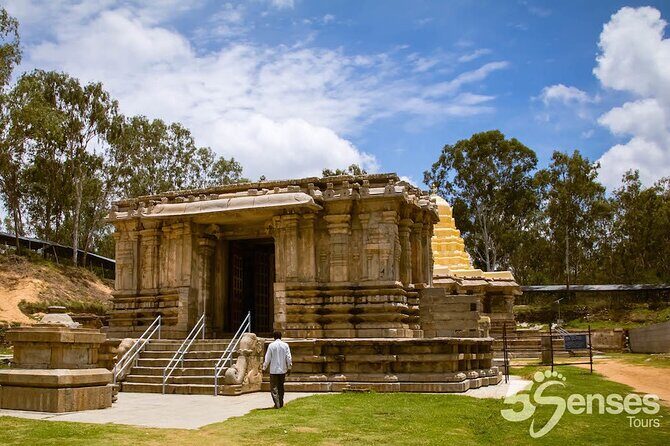
Talakadu is part of the reason this trip is called mysterious in spirit. Even though the modern area doesn’t feel like a huge city, it was once a flourishing town with more than 30 temples in ancient times. That contrast matters because it changes how you look at the ruins and active temple spaces: you’re not just touring, you’re imagining what’s missing.
At Talakadu Panchalinga Temples, you visit the Vaidyanatheswara Temple, dating to the 14th century. You’ll have about an hour there, which is the right amount of time to get oriented, ask questions through the guide, and then slow down enough to notice how worship spaces are arranged.
Practical note: one of the stops in this general area can feel more rural than you expect. Bring insect repellent and plan for the possibility you’ll want water between entries. Lunch is included, but beverages are not, so don’t assume you’ll be able to buy or receive drinks easily on the spot.
Keertinarayana Temple in black granite: Hoysala details that hold your attention
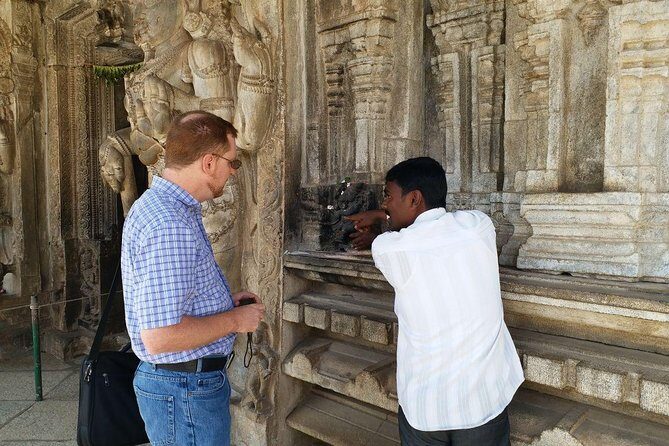
After Talakadu, the tour moves to Keertinarayana Temple, built using black granite and bricks. This temple is a classic example of Hoysala-style architecture, and it’s the kind of stop that rewards slow looking. If you’re used to temples that feel more monumental than detailed, this one changes that.
You’ll spend about an hour here, and the guide’s job is especially useful at Keertinarayana. The carvings and stonework can look like decoration at first glance. With explanation in place, you start noticing how the style is organized and why certain choices were made.
There’s also an added layer: the temple was built to commemorate King Vishnuvardhan’s victory (the written detail is incomplete, but the goal is clear). That means your visit isn’t just aesthetic. It’s tied to a political turning point that shows up in temple patronage—one of the ways you see faith and power mixing in medieval India.
Somnathpur’s Chennakesava Temple: UNESCO carvings you shouldn’t rush
The afternoon highlight is Somnathpur and the Chennakesava Temple, a UNESCO world heritage site. This matters because it’s not only famous—it’s protected, documented, and widely studied. But standing in front of it is still the real lesson.
You’re visiting a temple built in 1268, commissioned by Somanatha, described as a general of King Narasimha III. That kind of date anchor helps your brain do something useful: it turns the carvings from a pretty background into an artifact with a place in time.
Chennakesava is celebrated for its beautiful carvings, and you’ll usually have about an hour at the site (time is included). I like that the tour doesn’t shove you through. You get enough minutes to look at patterns, then circle back for closer attention once you know what you’re seeing.
If you’re a photo person, here’s the reality: you’ll want to take pictures, but you’ll also want time to stand still. The best effect comes from staying put long enough for the guide’s explanations to land and for you to spot the smaller sculptural work that disappears when you’re only moving.
What’s the day actually like? Lunch, timing, and the 9-hour pace
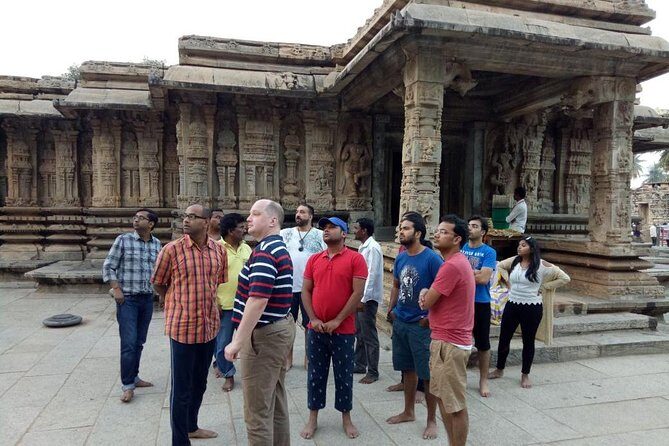
This trip includes lunch: a vegetarian South Indian meal. It’s built into the route so you don’t end up hunting for food while your day slips away. The catch is simple: beverages are excluded, so if you rely on water or soft drinks to keep your energy up, plan ahead.
The overall pace can feel full because you’re combining several entries, plus travel time between regions. One review-style takeaway that you should treat as common sense: start early, hydrate, and don’t pack clothing that makes bathroom breaks and temple rules harder than they need to be.
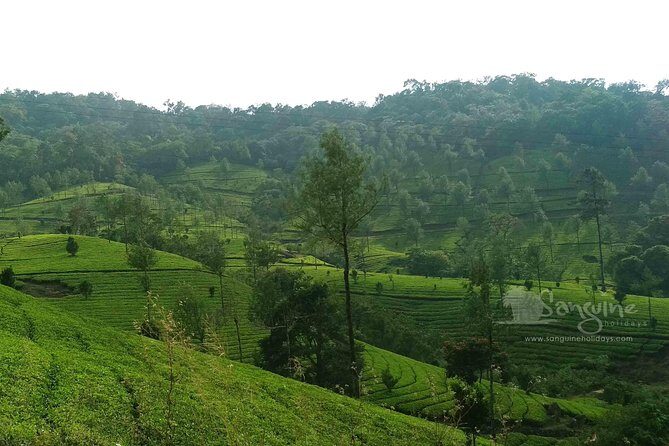
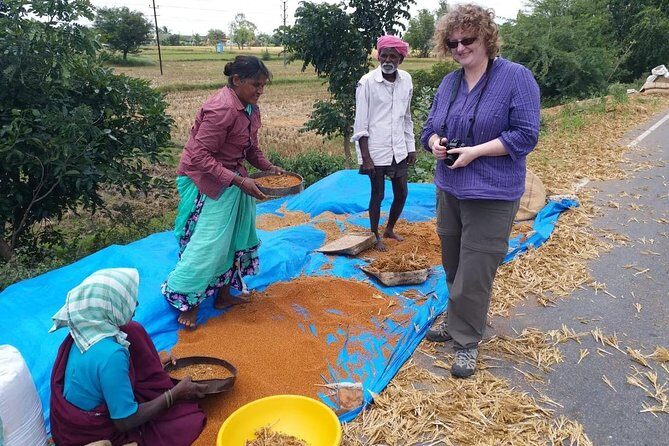
On the plus side, the drive can be part of the experience. One itinerary bonus described by previous visitors is the way you pass through rice and cane sugar fields, with palm trees and views tied to the Cauvery river. It’s not just movement—it’s a sense of where the temple world lives.
Royal Enfield or car transfer: choose your comfort, then enjoy the ride
You get a choice between Royal Enfield motorcycle rental and car transfer. That flexibility is great because temples can be physically demanding—stairs, uneven floors, and the constant on/off of shoes. A car is typically the easiest option for most people, especially for an early start.
A motorcycle can add fun and freedom, but it’s also more tiring in a long day that already has multiple stops and rules. If you’re the type who gets road-sore quickly, the car option will likely feel calmer.
Either way, aim for the same mindset: treat the travel as part of the experience, not just the gap between temples.
Temple-ready packing list (so you don’t slow down)
This route is temple-heavy, so a few basics matter more than you’d think.
- Wear clothing that meets the rule: no shorts, no sleeveless tops; knees and shoulders must be covered
- Bring slip-ons or sandals that are easy to remove since you’ll remove footwear more than once
- Bring insect repellent and a little extra water margin, since some areas can feel rural
- Keep your day bag simple so you can handle entrances quickly
- If you’re planning to use your phone a lot for photos, consider bringing what you need to keep it charged, since you’ll be out for most of the day
This is also one of those trips where good manners save time. If you walk up prepared, you lose less time to last-minute changes.
Price and value: is $130 worth it from Bangalore?
At $130 per person, this day trip is priced like a real guided experience, not a DIY scramble. Here’s what you’re getting that supports the value:
- Private guide included (you’re not sharing explanations with strangers)
- Admission tickets included at the stops that list them
- Lunch included (vegetarian South Indian)
- Pickup and drop-off from your hotel in Bangalore
- Choice of car or Royal Enfield transfer
- A full day that covers multiple temple clusters without you coordinating everything yourself
The only direct cost you’ll likely notice during the day is food beyond the included lunch and beverages, since those aren’t part of the meal. If you already planned to hire a local guide and transport, you’ll often find this package is cheaper and easier than assembling it piece by piece.
In short: the price makes sense when you want a guided, efficient route with temple entry time rather than a rushed drive-through.
Should you book the Somnathpur and Talakadu temple tour?
Book it if you want a day that actually teaches you what you’re seeing—especially if carvings and architecture are your thing. The combination of Talakadu’s Vaidyanatheswara and Somnathpur’s Chennakesava gives you contrast: different eras, different styles, and a stronger sense of how royal patronage shaped temple art.
Skip it (or swap expectations) if you want a slow, airy day with minimal driving. This is a morning-to-afternoon temple marathon with rules to follow and a set schedule.
If you do book: plan for early mornings, wear temple-friendly clothes, and give yourself permission to slow down at Chennakesava. That’s where the day’s effort pays off.
FAQ
What time does the tour start?
The tour pickup starts at 7:30 am from your hotel in Bangalore.
How long is the tour?
The total duration is about 9 hours.
What’s included in the price?
It includes a private guide, lunch (vegetarian South Indian, with beverages excluded), and round-trip hotel transfers. Admission tickets are included for the listed temple stops.
Is transportation included, and can I choose how I travel?
Yes. You get pickup and drop-off, with a choice of Royal Enfield motorcycle rental or car transfer.
What should I wear and do about shoes at the temples?
You’ll need to remove footwear before entering temples. You also must follow a dress code: no shorts or sleeveless tops, and knees and shoulders must be covered for both men and women.
Is there a mobile ticket?
Yes, the tour offers a mobile ticket.