REVIEW · BANGALORE
Bangalore: Palace, Temples, Fort & Markets Walking Tour
Book on GetYourGuide →Operated by Bangalore and Beyond · Bookable on GetYourGuide
Bangalore can feel loud even before you start walking, and that is exactly why this tour clicks. It threads old monuments into daily street life, from Tipu’s teak palace to the flower and fruit market, all in about 3 hours. I love how fast it gives you a real sense of the city’s layers—old kings, later British influence, and the modern tech-era nickname that people still talk about.
My other favorite part is the balance between religious sites and markets, so you see faith and trade in the same afternoon instead of treating them like separate trips. The main drawback to plan for: you will be navigating crowded, narrow streets and you’ll need to dress for temple visits, especially at the Jain temple.
In This Review
- Key things you should notice before you go
- Tipu Sultan’s Summer Palace: Start With Teak and Power
- Bangalore Fort: A 16th-Century Backbone With Later Changes
- KR Market: Fruit, Flower, and Vegetable Chaos That Makes Sense
- Vishnu Temple: Seeing Devotion Up Close
- Jain Temple Quiet: Carvings, Inlay Work, and the Dress Code Reality
- Walking Pace, Group Size, and Staying Comfortable
- Price and Value: What $32 Really Covers
- Tips That Make the Day Work: What to Bring and Wear
- Should You Book This Bangalore Walking Tour?
- FAQ
- What is the duration of the Bangalore Palace, Temples, Fort & Markets Walking Tour?
- How much does the tour cost?
- How big is the group?
- Where does the tour start and where does it end?
- What is included in the price?
- Is food included?
- Is transport included?
- Do I need to follow a dress code?
- Are temple and monument entry times guaranteed?
- Can I cancel for a refund?
Key things you should notice before you go
- Small group of up to 10 keeps it easier to hear your guide and stay together in tight streets
- Tipu Sultan’s Summer Palace sets the tone fast, starting with a 230-year-old teak structure
- Bangalore Fort adds a military layer to the story of Kempegowda to Tipu Sultan (and later British planning)
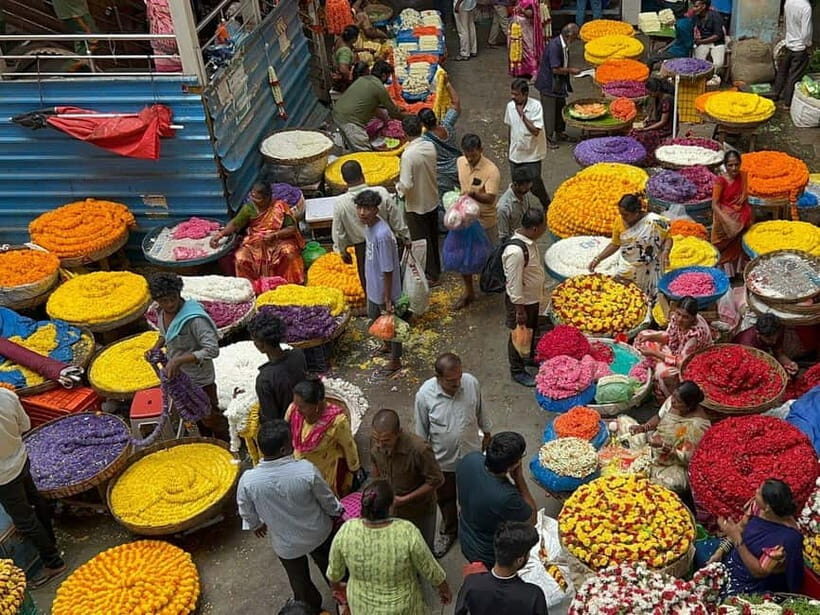
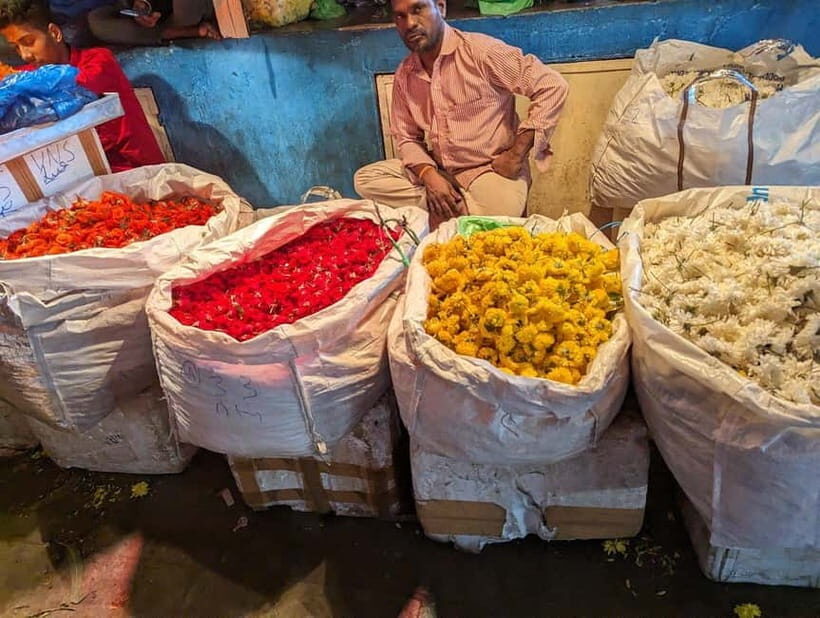
- KR Market is where you smell, see, and hear Bangalore trade—fruit, flowers, and vegetables
- Vishnu and Jain temples show everyday devotion and the quieter side of intricate carving and inlay work
- Optional hotel transport can save time and hassle if you do not want to find the meeting point
Tipu Sultan’s Summer Palace: Start With Teak and Power
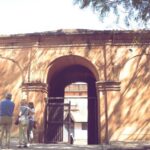
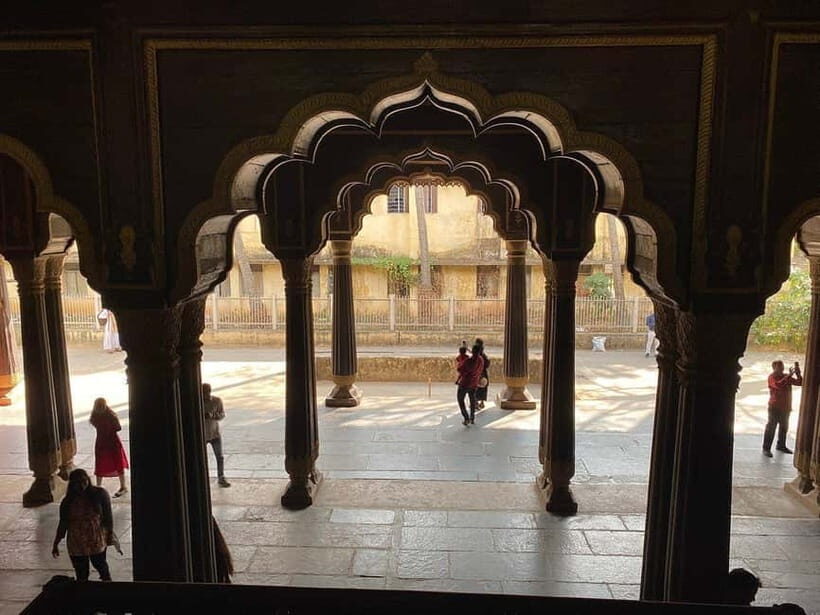
I like tours that pull you into the city’s past right away, and this one begins at Tipu Sultan’s Summer Palace. Meeting at the gates, you start with a building that is said to be about 230 years old and known for its teak construction. Even if you do not read every plaque, the setting matters: this is not a museum vibe. It feels like you’re stepping into an older Bangalore footprint where power and everyday city life were close neighbors.
Your guide frames the big storyline in a way that is easy to hold onto. You’ll hear how different rulers shaped the city—right from Kempegowda through Tipu Sultan between the 16th and 18th centuries. Then the narrative stretches forward to British influence and how Bangalore’s identity evolved over time.
This opening stop also helps you tune your senses for what’s coming next. After the palace, the streets, the chanting, the market colors—everything feels less random. You start seeing patterns instead of just sights.
Practical note: expect temple-style entry procedures, and plan for some standing and walking around the palace grounds before you move on.
You can also read our reviews of more walking tours in Bangalore

Bangalore Fort: A 16th-Century Backbone With Later Changes
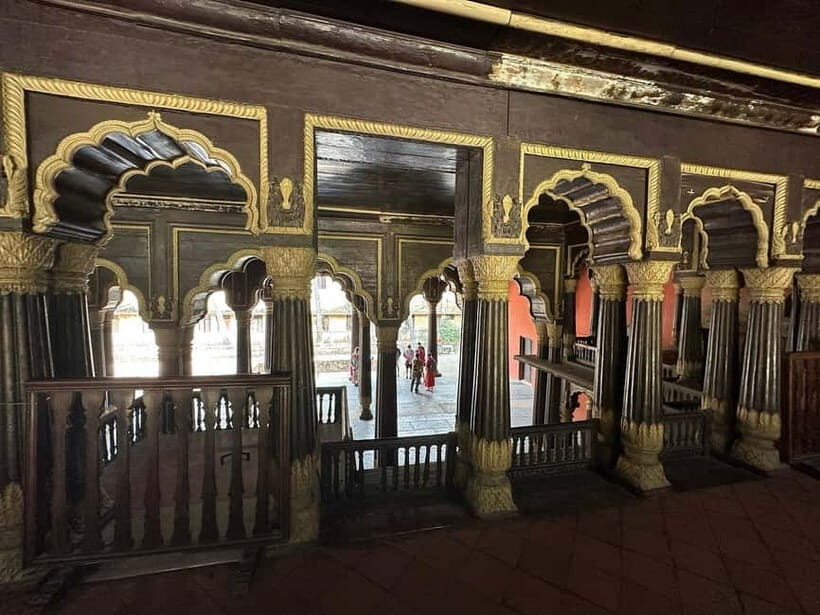
Next up is Bangalore Fort, a site that traces back to the 16th century and later renovations. I like this stop because it’s not just a pretty photo stop—it adds a layer of “why the city looks the way it does.” Forts affect the roads around them, the flow of people, and even where people historically gathered for safety and control.
In this tour, the guide connects the dots between rulers and real street geography. That means the fort is less a standalone ruin and more a checkpoint in the city’s timeline: the period of local kings, the push-and-pull of regional power, and later the British era that helped steer Bangalore toward a different future.
Time here is about 30 minutes, which is enough to see the main parts without dragging the day out. If you’re the type who can only handle one “serious” monument per trip, the fort’s pacing fits well. If you’re the type who wants more, you might still wish you had an extra hour—but the market and temples after it are where the tour really earns its keep.
KR Market: Fruit, Flower, and Vegetable Chaos That Makes Sense
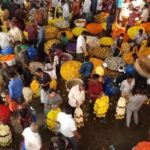
Then the day turns into street theater at KR Bengaluru—KR Market. This is where I most want you to keep an open mind. It is sensory overload in the best way: fruit, flowers, vegetables, sellers calling out, buyers negotiating, and the constant motion of people and vehicles.
Your guide helps you interpret what you’re seeing. Instead of just pointing, they explain what the market does for the city and how it connects to daily life. You’ll get time to walk through the market area for about 30 minutes, which feels just right in a place like this. Long enough to soak it in. Not so long that you feel trapped.
A few things to know so you enjoy it:
- It gets crowded, especially on weekend market days.
- Streets can be narrow and uneven, so you need to watch your footing.
- If you want to shop, ask your guide for practical help with how to compare options and avoid misunderstandings.
From past tour experiences led by guides like Vijay, Vasuki, Raghu, and Ramesh, the market segment is often described as a highlight—partly because guides help you feel safe and help you talk to people without you feeling lost. I also like that the guides tend to keep the group together calmly when the area is hectic.
Vishnu Temple: Seeing Devotion Up Close
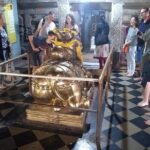
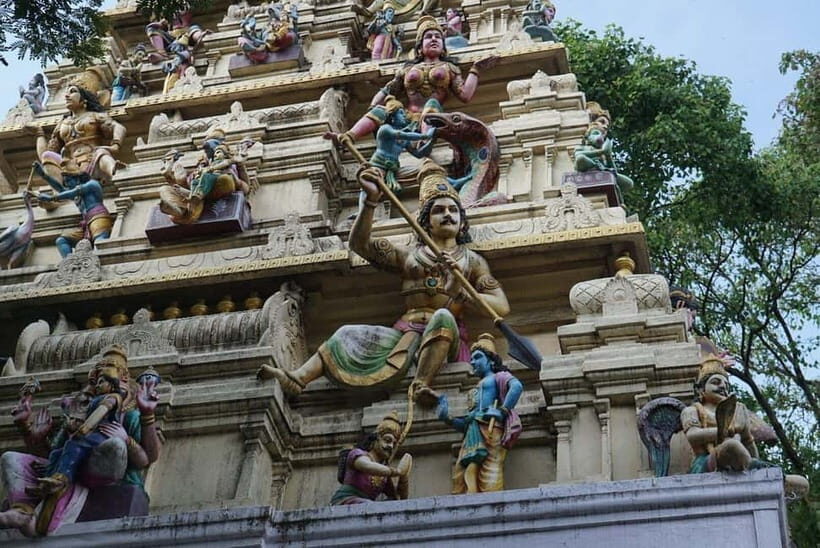
After the market energy, the tour moves into a different rhythm with a Vishnu temple visit. This is where you’ll see prayers offered by devout Hindus, and you’ll feel the contrast immediately. The focus shifts from trade to devotion, and the atmosphere changes—sound, posture, pace.
The Vishnu temple in this route is described as about 320 years old. That age matters because it means you’re looking at a living tradition, not just old stones. You’re watching people practice faith in a place that has served the community across generations.
I also like that your guide gives context without turning it into a lecture. You learn why certain spaces matter, what devotees are doing, and how the temple fits into Bangalore’s older urban fabric.
Two practical considerations:
- Dress matters again. Plan for shoulders covered and legs covered.
- If you want photos, be respectful. Keep the moment for worship first, then use your quick photo moments when appropriate.
Jain Temple Quiet: Carvings, Inlay Work, and the Dress Code Reality
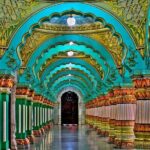
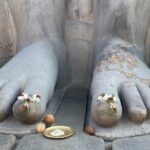
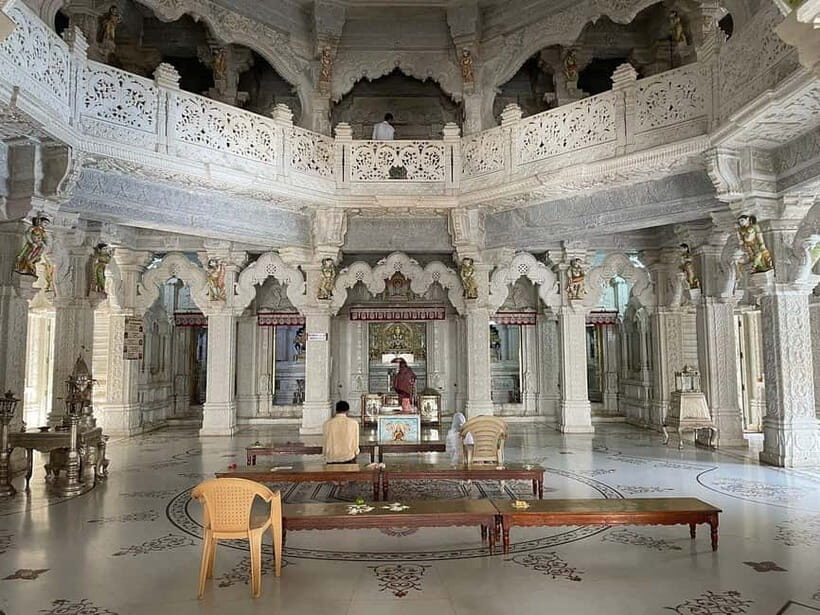
The last major stop is the Shri Adinath Jain Shwetamber Mandir, ending the tour there. This is the part of the day that often surprises people—in a good way. The market and fort are energetic, but the Jain temple brings quiet. You’ll notice the carvings and inlay work in a slower, more careful way once you’re inside.
This stop also comes with the clearest dress rule: you should wear clothing that covers your legs and shoulders since the tour visits a Jain temple. The tour info specifically asks for that, and it also suggests bringing a headscarf. Some visitors add that spare socks can be helpful, which is a smart idea if you’re sensitive to long walking or if you end up doing lots of temple entry steps.
Make this easy on yourself:
- Wear comfortable shoes you can handle on uneven sidewalks.
- If you’re traveling in warm weather, choose breathable fabric that still meets the coverage rule.
- Avoid short skirts and sleeveless tops, since they are not allowed for temple visits on this route.
This temple stop is about more than “one more place to see.” It helps you balance the trip. You get the city’s noise, then a calm moment where the details become visible.



Walking Pace, Group Size, and Staying Comfortable
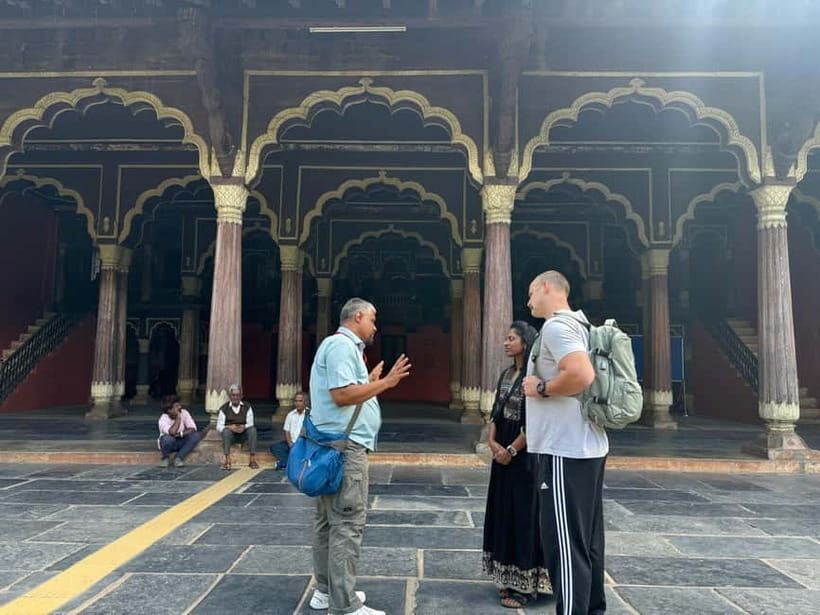
This is a 3-hour walk with a small group capped at 10 participants. That matters in Bangalore, where crowds and narrow streets can make larger groups feel like a stressful traffic jam. In a small group, your guide can keep an eye on everyone and adjust the flow when conditions get tight.
Based on the guide styles you’ll see in this tour’s history—people like Vijay Kumar and Vanaja are repeatedly praised for keeping the group safe and together—it tends to feel controlled rather than chaotic. One common theme in the feedback is that guides guide calmly through crowded market areas and help you feel secure even when the street noise is high.
At the same time, the tour info tells you to expect a lot of walking and crowded, narrow streets. So even if the pace is manageable, it is not a sit-and-watch type of experience. Bring water if you like (food and beverages are not included), and pace yourself in the heat.
If you’re traveling solo or you want a structured way to see “the real Bangalore” without figuring it out alone, this format is ideal.
Price and Value: What $32 Really Covers
At $32 per person for 3 hours, this tour is priced for value. Here’s what you’re effectively buying:
- A live English-speaking guide (the tour is run in English)
- Guided access and entry to key sites: Tipu Palace, the Vishnu temple, Bangalore Fort, and the Jain temple
- Time in the local markets, with a guide who can translate what you’re seeing into context
What you’re not paying for: transport is optional. You can add transport service from your hotel to the walk venue and back for an additional fee. That can be worth it if you’re tired, your hotel is far from the starting area, or you do not want to deal with local directions in the middle of the day.
I also think the skip-the-line detail helps. In temple-and-palace days, saving 20 minutes of waiting is the difference between enjoying the day and feeling rushed.
So is it worth it? If you want a dense slice of central Bangalore—temples plus market plus fort—without spending a whole day planning, yes. If you only care about one type of site (only temples, only markets, or only history), you might feel pulled in multiple directions.
Tips That Make the Day Work: What to Bring and Wear
The tour is very clear about clothing for the Jain temple, and you should take that seriously. You’ll get more out of the day if you show up ready:
- Bring a headscarf
- Wear clothing that covers legs and shoulders
- Pack spare socks if you tend to get uncomfortable during long walking days
- Wear walking shoes you don’t mind getting scuffed
- Expect crowded streets and uneven ground
One small but important mindset shift: treat the market part like you’re walking through a working neighborhood, not a designed attraction. That means moving slowly, not blocking people, and letting your guide lead the timing.
Finally, if you’re unsure about language clarity, do not hesitate to ask your guide to repeat. Multiple people have noted in feedback that some guides are easy to understand, but a few mentioned occasional difficulty hearing everything. A simple request to slow down fixes most of that.
Should You Book This Bangalore Walking Tour?
Book it if you want a high-coverage introduction to old Bangalore in a short window. It’s especially good for first-timers who feel overwhelmed by the city and want someone local to set the story straight—from Kempegowda to Tipu Sultan and onward to British influence and Bangalore’s later identity.
Skip it (or consider a different style of tour) if:
- You are not comfortable with crowds and lots of walking
- You do not want to follow temple dress rules
- You prefer a slower, quieter pace with fewer stops
If you do book, you’ll get the most value by coming with the right gear (coverage, headscarf, good shoes) and an interest in seeing how faith and daily commerce share the same streets.
FAQ
What is the duration of the Bangalore Palace, Temples, Fort & Markets Walking Tour?
The tour lasts 3 hours.
How much does the tour cost?
It costs $32 per person.
How big is the group?
The group is small, limited to 10 participants.
Where does the tour start and where does it end?
You start at Tipu Sultan’s Summer Palace (the guide waits at the gates) and you finish at Shri Adinath Jain Shwetamber Mandir.
What is included in the price?
The tour includes a guided tour of old Bangalore, entry to Tipu Palace, the Vishnu Temple, Bangalore Fort, and the Jain Temple, and time to experience local markets.
Is food included?
No. Foods and beverages are not included.
Is transport included?
Transport is not included, but there is an optional transport service from your hotel to the walk venue and back for an additional fee.
Do I need to follow a dress code?
Yes. You should cover your legs and shoulders for the Jain temple, and short skirts and sleeveless clothing are not allowed. A headscarf is also recommended.
Are temple and monument entry times guaranteed?
Entry to temples and monuments and their working hours can vary by season, so plan for that possibility.
Can I cancel for a refund?
Yes. Free cancellation is available up to 24 hours in advance for a full refund.