REVIEW · BANGALORE
Old Bangalore Historical Walk thro Palace, Temples, Fort & Market
Book on Viator →Operated by Bangalore and Beyond · Bookable on Viator
Old Bangalore has a pulse. This walk strings together Tipu’s teak palace, two very different temples, and the noise and smells of a traditional market so you see the city as it lives today. I like that the route is tight enough to feel focused, but varied enough to keep your senses busy—from stone carvings to fruit stalls.
What I especially like is how smoothly it’s handled on the ground. The pacing stays even, and the best part is the guide storytelling—whether it’s Vasuki’s practical photo tips or Raghavendra’s crisp answers to questions you didn’t know you had.
One consideration: you’re walking real neighborhood streets, including market areas, and you’ll need to plan for temple attire. The walk asks for legs and shoulders covered, and ladies should bring a scarf, plus temple access can depend on working hours and seasonal changes.
In This Review
- Key highlights worth your attention
- Entering Old Bangalore on a 3–4 hour walking route
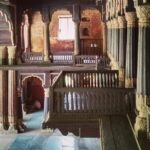
- Tipu Sultan’s Summer Palace: teak wood and Islamic architecture details
- Kote Venkataramana Temple: stone sculptures from 1690 and a quieter mood
- Bangalore Fort remnants: from mud beginnings to stone rebuilds
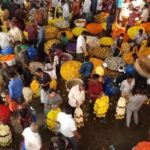
- KR Market and Sri Krishnarajendra Market: fruit, flowers, vegetables, and real street noise
- Jain temple quiet at Shri Adinath Shwetamber Mandir
- Guides make or break this walk, and they drive the value
- Price and logistics: what $22.38 buys you in practice
- Who should book this historical walk—and who should skip it
- Should you book the Old Bangalore historical walk?
- FAQ
- How long is the Old Bangalore Historical Walk?
- What is the price per person?
- What’s included in the ticket price?
- Do I need to cover my legs and shoulders?
- Is hotel transport included?
- Where does the tour start and end?
Key highlights worth your attention
- 230-year-old Tipu palace in teak wood with Islamic-style design details
- Two temples on one route: Kote Venkataramana Temple (Hindu) and Shri Adinath Jain Shwetamber Mandir (Jain)
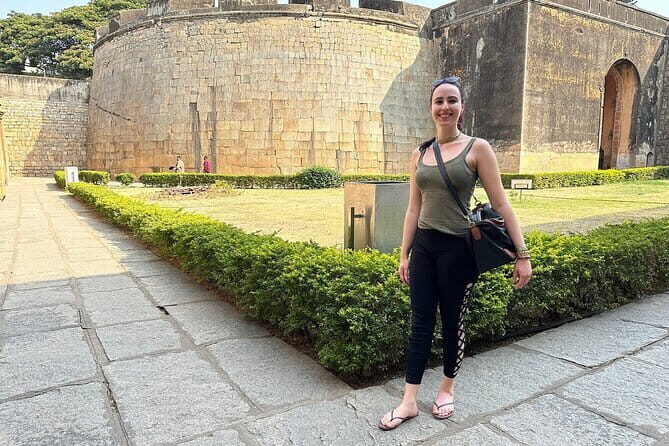
- Bangalore Fort remnants you can visit: only a small portion remains, still maintained for visitors
- KR Market / Sri Krishnarajendra Market is the sensory anchor with fruits, flowers, vegetables, and everyday street life
- Small group size (max 10 travelers) for an easier walk and more time with the guide
- Hotel-to-walk transport is optional for a small added fee, if you share your hotel name
Entering Old Bangalore on a 3–4 hour walking route
This is a short, guided street walk designed for people who want more than a photo stop. You get a line-up that makes sense historically and practically: palace first, then temples, then fort remnants, then the market world. The total time sits around 3 to 4 hours, which is long enough to slow down and learn, but not so long that you lose your energy.
The group stays small—up to 10 people—which matters in crowded areas. It also makes it easier for the guide to keep you together, answer questions, and steer you toward the most worth-seeing angles at each stop.
The start and finish points are convenient for getting your bearings. You begin at Tipu Sultan’s Summer Palace area in Chamrajpet and end at Shri Adinath Jain Shwetamber Mandir near Chickpet metro station. That means you can often continue your day using public transport, instead of backtracking.
You’ll also want to check your expectations on timing: temple access follows working hours and can shift with seasonal variations. In other words, it’s best to treat the walk as flexible within that window rather than a guaranteed minute-by-minute checklist.
You can also read our reviews of more walking tours in Bangalore


Tipu Sultan’s Summer Palace: teak wood and Islamic architecture details
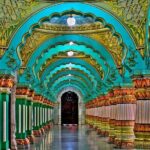
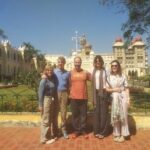
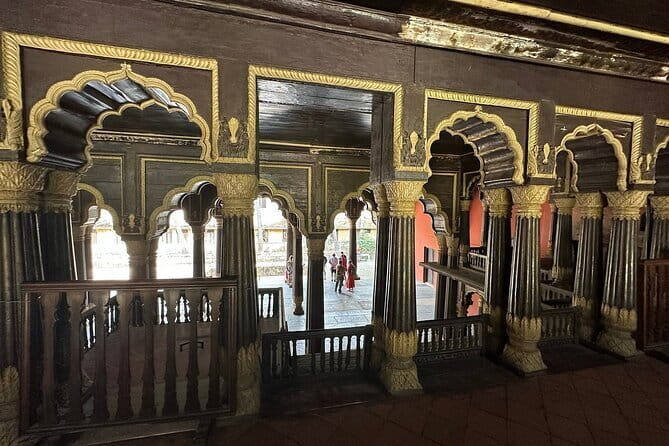
The walk starts at Tipu Sultan’s Summer Palace area, where the highlight is the 230-year-old palace made of teak wood. Teak isn’t just a fancy material choice. It affects how the building feels—solid, enduring, and visually different from the surrounding styles you might expect in a modern city neighborhood.
The guide focus here is on architecture. You’ll see the palace’s typical Islamic architectural character, which helps you understand why this site feels distinct even when you’re standing inside an active urban area.
At this first stop, you’ll also get your bearings. The guide starts with meet-and-greet, then moves into the key stories you’ll use later when the route shifts from palace to temples to fort remnants. It’s a smart setup: by the time you hit the other sites, you’re not just reading plaques—you’re following a thread.
Practical tip: this first stop is also where your tour rhythm gets established. If you have questions, ask early. A good guide will answer in a way that helps you see more on the walk that follows.
Kote Venkataramana Temple: stone sculptures from 1690 and a quieter mood

Right after the palace, you step into Kote Venkataramana Temple, adjoining the Tipu Palace area. This temple was built in 1690 AD by Chikkadevaraja Wodeyar, and what you’ll notice (if you slow down) is the stone sculpture work. It features mythological figures on the walls, and the carvings are detailed enough that you don’t need to be an art expert to appreciate what’s going on.
One reason I like this stop: it gives you a tonal contrast. You move from the palace’s architectural focus into a place where devotion is visible and ongoing. Even without going deep into religious meaning, you’ll come away understanding how faith shows up in everyday Bengaluru life.
The guide time here is tight—about 30 minutes—but it’s enough if you’re paying attention and asking what to look for. You won’t have the time for a long sit-down, so it helps to come with a mindset of observation: shapes, textures, wall details, and the overall mood.
Also, dress matters here. The walk asks for legs and shoulders covered, and ladies should carry a scarf. It’s not just for comfort—it helps you move through temple spaces without delays.
Bangalore Fort remnants: from mud beginnings to stone rebuilds
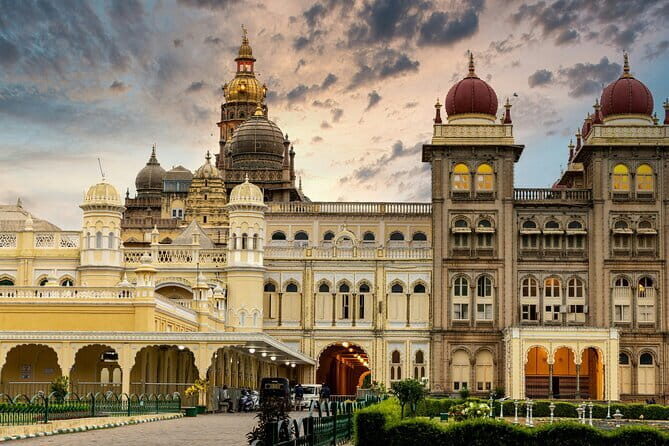
Next comes Bangalore Fort, which connects directly to the city’s founding stories. The original fort concept is tied to Kempegowda, founder of Bangalore, and it began as a mud fort. Later, it was rebuilt in stone by Hyder Ali in the 1760s.
Here’s the thing you should know before you go: about 5% of the Fort remains and that’s what’s open to visitors. That could sound like a disappointment, but it usually works in the tour’s favor. Instead of trying to cover an entire fortress complex, the walk helps you understand what the surviving portion represents and why it’s still maintained for public viewing.
It’s a good stop for context. After the palace and temple carvings, you now get a civic timeline—how power shifted, how structures changed, and how the city grew around these sites. If you’re the type who likes to connect dots, this is where it starts clicking.
Time here is about 30 minutes, so you’ll want to focus on orientation: where the remnants sit, what was rebuilt versus what survives, and what the guide emphasizes about the fort’s role in the region.
KR Market and Sri Krishnarajendra Market: fruit, flowers, vegetables, and real street noise

Then the tour shifts gears into the market world. KR Market and the broader Sri Krishnarajendra Market area are where your senses get the real work. You’re surrounded by sellers, workers, buyers, vehicles, and livestock activity—this is India’s neighborhood market energy, not a staged tourist corridor.
You’ll see fruits, flowers, and vegetables, plus the everyday flow that makes markets feel like living systems. The guide helps you read what you’re seeing: who’s doing what, what’s moving where, and why the place operates the way it does. This stop also gives the walk its famous contrast—history changes form, and the city’s story continues through commerce and community.
Time on this market stretch is about 1 hour, which feels right. Markets are easy to overshoot; an hour keeps it enjoyable and prevents you from turning the tour into a long scramble. You also get a built-in buffer for photos, quick questions, and just watching how people interact.
Practical note: markets can be noisy, busy, and a bit chaotic. If you’re sensitive to crowd intensity, wear comfortable shoes and keep your pace steady. The small group size helps, but it’s still street-level reality.
You can also read our reviews of more historical tours in Bangalore





Jain temple quiet at Shri Adinath Shwetamber Mandir
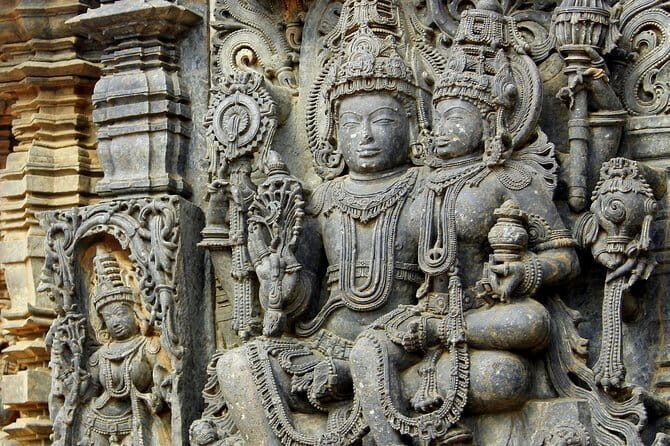
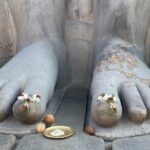
By the time you reach the Jain temple, you feel the tour’s design choice. After palace details, Hindu temple devotion, fort context, and market noise, you arrive at a place known for quietude, with attention on carvings and inlay work.
The stop is Shri Adinath Jain Shwetamber Mandir, associated with Adinath, and Jainism is described here as one of the world’s oldest religions with origins in India and a history of at least 2500 years. The walk doesn’t turn Jainism into a lecture; it uses the temple’s material details and the atmosphere to help you understand how long-standing beliefs shape spaces.
Time here is about 1 hour, which is a little longer than most other stops. That gives you space to slow down and actually look. If you like details—ornamentation, wall work, the feel of the space—this is often the moment people say the whole tour clicked for them.
If you’re traveling with kids or you’re short on patience, this might feel more still and reflective than the rest of the route. But for many people, that’s the point: the walk ends with a calmer note after a full dose of public life.
Guides make or break this walk, and they drive the value
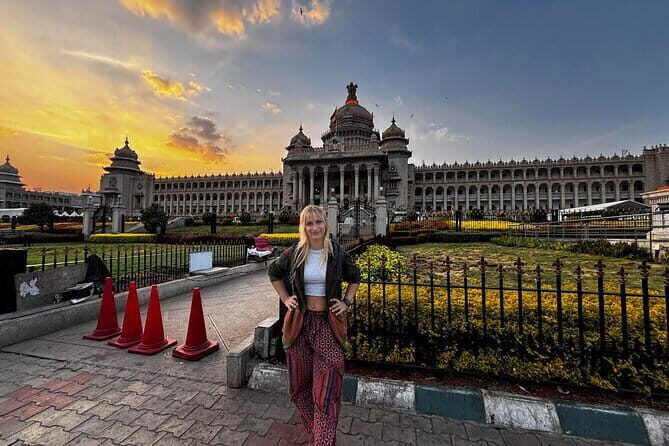
The best part of this experience is the way the guide carries you from place to place. Across the guides’ styles, you see the same strengths: they explain what you’re looking at, answer questions, and add small practical tips that make the walk better on the spot.
Vasuki, for example, is remembered for communicating clearly ahead of the event and offering tips for taking pictures. Mr. Raghavendra is noted for being attentive, answering questions, and even helping plan what to do next after the tour ends. Vanaja is praised for care and for helping people feel safe while walking through the neighborhoods.
That matters for value. You’re paying for more than entrance access—you’re paying for interpretation. Without a guide, you could still visit the sites, but you’d likely miss the connections between architecture, devotion, and civic beginnings that give the route its payoff.
Also, the guides don’t rush you. A commonly praised point is pacing, which makes this easier to enjoy even if you’re not the type who loves long museum-style tours.
Price and logistics: what $22.38 buys you in practice
At $22.38 per person, this tour is positioned as a high-value half-day activity. The key reason is that entry fees at all monuments are included, while tips, lunch, and transport are not.
So, what’s the real cost picture?
- You’re likely saving money compared to paying monument access separately.
- You’re also buying time and guidance, which often costs more than you expect on a self-guided day.
- The market stop and street walking mean you don’t need a lot of paid add-ons to enjoy the experience—just comfortable shoes and a bottle of water.
Transport is optional. You can request a pickup-to-walk transport service from your hotel area for a small extra fee, and you’ll need to share your hotel name. If you’re already near public transit, you might find it easier to use the city’s transit and keep costs down.
The tour uses mobile tickets, and confirmation is received at booking time. You’ll want to arrive ready to go with your ticket on your phone.
Timing is flexible within reality. Since temple entry is subject to working hours and seasonal variations, bring a calm attitude about exact access moments.
Who should book this historical walk—and who should skip it
This walk is a great fit if you:
- want a quick snapshot of old Bangalore across palace, temples, fort remnants, and markets
- enjoy street-level scenes and don’t mind noise and motion
- prefer a guide who answers questions and gives practical observation cues
- have only a few hours and want to pack in meaningful stops without hopping around too much
You might reconsider if you:
- hate crowded market areas or feel stressed in active street environments
- need long sit-down time at sites (the stops are purposeful and timed)
- aren’t able to follow the temple dress requirements (legs and shoulders covered, scarf for ladies)
For solo travelers, couples, or anyone who likes learning while walking, the max 10 travelers setup is a big plus.
Also, if you’re traveling for work and want a cultural and historic dose without a full-day commitment, this is exactly the type of tour that helps you use a short window well.
Should you book the Old Bangalore historical walk?
I’d book it if you want the kind of experience that explains why places matter, not just where they are. The mix is unusually practical: you start with a famous palace detail (teak wood and Islamic architecture), add a Hindu temple for carvings and devotion, bring in fort context tied to Kempegowda and Hyder Ali, and then balance it with market life before ending at a Jain temple known for quiet, carvings, and inlay work.
Skip it if you’re looking for a quiet, low-motion sightseeing day with long museum-style pacing. This is a walk through active neighborhoods, and the best version of it is when you lean into that energy.
If you book, do two simple things: wear clothes that meet the temple rules, and give yourself some buffer for markets. Then you’ll get the full payoff of the route.
FAQ
How long is the Old Bangalore Historical Walk?
It’s listed as about 3 to 4 hours.
What is the price per person?
The price is $22.38 per person.
What’s included in the ticket price?
The ticket includes entry fees at all monuments. Tips/gratuities, lunch, and transport are not included.
Do I need to cover my legs and shoulders?
Yes. The walk requests that legs and shoulders are covered for temple visits, and ladies need to carry a scarf.
Is hotel transport included?
Transport from your hotel to the walk venue and back is not included, but it’s available for a small additional fee if you tell the operator which hotel you’re staying at.
Where does the tour start and end?
It starts near Tipu Sultan’s Summer Palace in Kamalanagar, Chamrajpet. It ends at Shri Adinath Jain Shwetamber Mandir, which is close to Chickpet metro station.