REVIEW · KOLKATA
Authentic Bengali Cooking Class in a Local Kolkata Home
Book on Viator →Operated by Traveling Spoon · Bookable on Viator
A Kolkata cooking class in someone’s kitchen feels personal fast, and this one brings you right into Bengali home cooking with Zinnia. I love the hands-on focus (you’ll roll dough, cook luchis, and make chutney) and the fact you eat the full meal right afterward with possible family-style dishes and dessert like paayesh. The only real catch to plan for is that this is in a home setting with a small kitchen, so it’s not the kind of big, room-for-everyone classroom you might expect.
In practice, the experience works well if you want food you can actually recreate, not just watch. You’ll learn the why behind key flavors, including panch phoran and mustard oil, and then you’ll build dishes step by step. Classes run in the morning or afternoon, and the total experience clocks in around 2 to 3 hours.
If you’re set on one exact menu item, keep in mind the dishes can shift with the season. Still, you can expect a Bengali feast built around the same core flavors and techniques.
In This Review
- Key highlights you’ll care about
- A Private Bengali Feast in Zinnia’s Kolkata Kitchen
- Spices 101: Panch Phoran and Why Mustard Oil Matters
- From Dough to Luchi: Cooking Like a Kolkata Home Cook
- Shorshe Chingri, Chutneys, and the Dishes You May Learn
- Sitting Down With the Family: What the Full Meal Feels Like
- Drink Pairings, Timing, and How Long the Whole Experience Takes
- Price of $66: Is This Good Value?
- Who Should Book This Class (and Who Might Skip It)
- FAQ
- FAQ
- How long is the cooking class and meal?
- What dishes will I learn to make?
- Is there a vegetarian option?
- Is alcohol included?
- Do I get hotel pickup and drop-off?
- What if I have allergies or dietary restrictions?
- Should you book Authentic Bengali Cooking in a Local Kolkata Home?
Key highlights you’ll care about
- Panch phoran basics: cumin, brown mustard, fenugreek, nigella, and fennel, plus how it’s used
- Mustard oil know-how: why it matters in Bengali cuisine and how mustard seeds become a paste
- Luchi hands-on: rolling dough and frying those puffy deep-fried breads
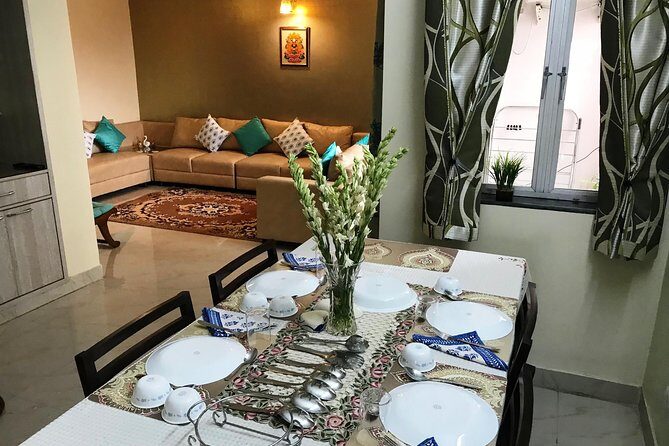
- Make-and-eat structure: cooking first, then sharing the meal family-style at the dining table
- Chutney from scratch: tomato and dates chutney to balance richer dishes
- Dessert included: paayesh, a Bengali rice pudding commonly served for occasions
A Private Bengali Feast in Zinnia’s Kolkata Kitchen
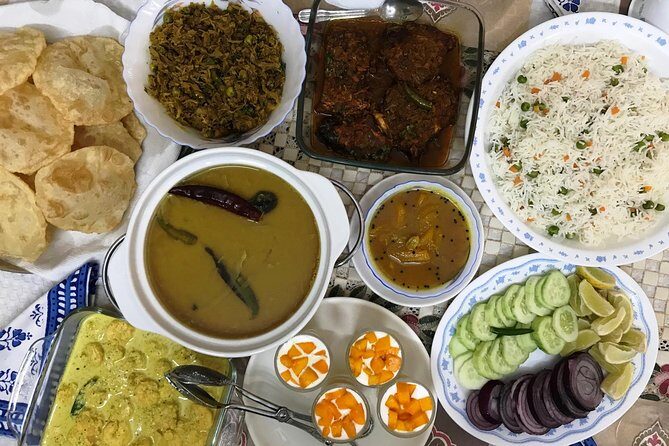
This is a private cooking class with your host, Zinnia, in her small kitchen in Kolkata. You’re not joining a large tour group that moves like a conveyor belt; it’s more like you’re getting invited into a real routine—just with you doing the work.
The format matters. You start with an intro to ingredients and spices, then you cook, and then you sit down to eat what you made. In many cooking classes, the meal can feel like a separate event. Here it feels connected, because the food comes from the same sessions you just watched and worked through.
There’s also a social side. When Zinnia’s family is home, you may share the dining table with them, which changes the energy from class to genuine meal time. Even if they’re not all present, the point is the same: you’re eating as part of a Bengali home rhythm.
You can also read our reviews of more cooking classes in Kolkata
Spices 101: Panch Phoran and Why Mustard Oil Matters
One of the best parts is the early focus on flavor fundamentals. Zinnia starts by walking you through Indian spices and specifically panch phoran, a blend used often in Eastern India. You’ll see the ingredients of the blend—cumin, brown mustard, fenugreek, nigella, and fennel—and you’ll learn how they show up in real cooking, not just on a label.
Then comes mustard oil, and it’s not just trivia. Zinnia explains why it’s used in Bengali cuisine and shows how mustard seeds are ground into a paste. That paste-and-pungency step is key to understanding why dishes taste the way they do, especially in mustard-based gravies.
If you care about recreating food later, this is the part that pays off. You’ll leave with a mental map for how Bengali flavors get built: a spice base, then those mustard notes that can be sharp, warm, and deeply savory all at once.
From Dough to Luchi: Cooking Like a Kolkata Home Cook
After the spice intro, you shift into real technique. You’ll learn to roll out the dough and fry luchis, the puffy deep-fried flatbreads that show up across Bengali meals. This is one of those skills where doing it once changes everything—you understand dough texture, heat control, and what the bread should look like as it puffs.
Expect the pace to be hands-on. The class is designed as a guided cooking session with you working alongside Zinnia, not standing at a distance for photo ops. Since the kitchen is small, you’ll likely be right in the action, which can be great if you like learning by doing.
Practical note: frying is always a little sensory. Oil smell, heat, and the sound of frying are part of the experience here. If that’s an issue for you, you should still know you’re signing up for a true cook session, not a tasting only class.
Shorshe Chingri, Chutneys, and the Dishes You May Learn
You’ll also make dishes that represent Bengali comfort cooking. One of the signature items you’ll learn is shorshe chingri, prawns in mustard gravy. The mustard angle matters again here, because you’re not just using mustard as a garnish—you’re building a sauce style that’s central to the region.
You’ll also make tomato and dates chutney from scratch. This sweet-tang balance is one of those Bengali patterns that helps richer curries feel rounded rather than heavy. The chutney isn’t just an extra side; it’s part of the flavor structure of the meal.
In terms of what else you might cook, the program is built around Bengali classics and may vary by season. Still, the expected core teaches you the same big ideas: spice blends, mustard foundations, breads, and the sweet-acid counterpoints from chutneys.
Zinnia can offer vegetarian meals on request, and she adapts instruction to your preferences. Based on what people often emphasize, the vegetarian option isn’t treated like an afterthought—it’s planned into the class flow so you still leave with the skills and flavors.
Sitting Down With the Family: What the Full Meal Feels Like
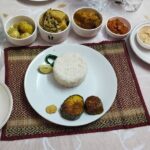
The best way to describe the eating part is: it’s not a restaurant performance. You join Zinnia and her family at their dining table when they’re at home, and you share a home cooked Bengali meal together.
The menu can include several dishes, depending on what’s available and what season is doing. You might see shorshe maach, fish cooked in mustard sauce, or kosha maangsho, mutton curry. You could also get aaloo posto, potatoes with poppy seeds, begun bhaaja, eggplant/aubergine fry, and cholar dal, lentils served with rice or flat bread.
You’ll also get tomato and dates chutney as part of the meal, tying back to the cooking you just did. And you’ll finish with paayesh, rice pudding. Paayesh is one of the most favored Bengali desserts for special occasions, and it’s a satisfying end because it balances the spice and frying with something comforting and mild.
If you’re picky about food, this is where you should communicate early. If you have allergies or dietary restrictions, you need to advise at booking so Zinnia can adjust. The class is built to be personalized, but it only works if she has the right details ahead of time.





Drink Pairings, Timing, and How Long the Whole Experience Takes
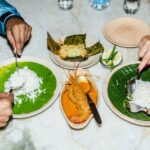
Food is the main event, but the drinks are a nice touch. Your meal includes beer plus tea, coffee, water, and more to go along with what you cook. It’s not a hard party setup—more like casual Bengali hosting where you’re fed well and treated like part of the table.
Timing is also clear. The cooking class itself is about one hour hands-on, and the full experience is about 2 to 3 hours, including eating. You can choose morning or afternoon classes to fit your schedule, which is helpful in a city where you might want to plan around other sights.
One logistical consideration: there’s no hotel pickup or drop-off. You’ll need to get yourself to the starting point in Kolkata District. If you like having everything arranged, this might feel like a small extra step, but it’s also part of why the experience stays local—this isn’t set up like a big bus tour.
Price of $66: Is This Good Value?
At $66 per person, this is priced like a premium small-group home experience, and the value comes from what’s included. You’re getting a private class, the hands-on cooking time, a full home cooked meal, and at least 1 to 2 glasses of local beer. Taxes and handling charges are also included.
If you compare it to a normal meal out plus a separate cooking lesson, the math can make sense because you’re getting both in one sitting. You’re also paying for the kitchen access, ingredient guidance, and the fact that Zinnia is teaching you how Bengali flavors work: spices, mustard oil, panch phoran, chutney technique, and frying luchis.
The main reason it’s worth thinking about at this price is that you leave with more than a plate of food. You learn methods you can repeat: how a mustard-based sauce behaves, what panch phoran brings, and how tomato-date chutney changes the mood of a curry.
The potential downside on value is menu variability. Since what you cook and eat can shift by season, you might not get a single exact dish you’re dreaming about. Still, the class is structured around core Bengali items, so you’re unlikely to feel like you paid for a random buffet.
Who Should Book This Class (and Who Might Skip It)
Book this if you:
- want a private cooking class with real hands-on work
- enjoy spice education you can use later, especially panch phoran and mustard oil
- like the idea of eating what you cooked in a home setting, not a tasting room
- want an option that can be vegetarian on request
You might skip it if:
- you dislike cooking that involves frying (luchis are deep-fried)
- you need very polished, large-venue comfort and privacy
- you strongly prefer hotel-style pickup and drop-off, since you handle getting there
Also, if you’re traveling with someone who doesn’t eat spicy food, you can mention your preferences at booking. The class is personalized, but you should be specific so Zinnia can set expectations and adjust instruction where possible.
FAQ
FAQ
How long is the cooking class and meal?
The hands-on cooking class is about one hour, and the full experience typically runs about 2 to 3 hours, including the meal.
What dishes will I learn to make?
You can expect instruction on Bengali staples such as panch phoran spice use, mustard oil technique, rolling and frying luchis, tomato and dates chutney, and shorshe chingri (prawns in mustard gravy). Additional dishes served at the meal may vary by season.
Is there a vegetarian option?
Yes. Vegetarian meals are available on request, and Zinnia can offer vegetarian versions when you advise at booking.
Is alcohol included?
Local alcohol is included with your meal—typically 1 to 2 glasses of local beer—along with tea, coffee, and water.
Do I get hotel pickup and drop-off?
No. There is no hotel pickup and drop-off, and you’ll meet at the start location in Kolkata.
What if I have allergies or dietary restrictions?
You should advise at booking if anyone in your party has allergies, dietary restrictions, or cooking preferences. Zinnia can adapt the menu when she has that information.
Should you book Authentic Bengali Cooking in a Local Kolkata Home?
I’d book it if you want Kolkata in a way that food-lovers actually remember: spice foundations, real technique, and a sit-down meal that feels like hospitality. The combination of private instruction, mustard-focused Bengali flavors, and included dessert like paayesh makes it more than a cooking show.
Just make sure you’re comfortable with a home kitchen setup, frying activity, and doing your own transport to the meeting point. If that fits your style, this is a strong choice for an authentic Bengali meal you can recreate and a evening (or afternoon) that feels genuinely local.