REVIEW · KOLKATA
Traditional Bengali Cooking Class in Kolkata in a Local Home
Book on Viator →Operated by Traveling Spoon · Bookable on Viator
Food tastes better when you make it. This private Bengali cooking class in Kolkata happens in Debjani’s own home kitchen, where you learn recipes she grew up with and then eat the results together. I love the fact that the host is a true hospitality veteran with decades of experience in major hotel groups like Taj and Oberoi, so the vibe feels warm, not scripted.
You’ll also get a hands-on menu that teaches core Bengali flavors: masoor dal, begun bhaja, and shorshe bhapa with either fish or prawns in mustard sauce (with vegetarian and lactose-free options available). The one drawback to plan around: there’s no hotel pickup, so you’ll need to handle getting yourself to the South City Mall meeting area on your own.
In This Review
- Key Things to Know Before You Go
- Why a Kolkata Home Kitchen Beats a Studio Class
- Meet Debjani: Hospitality Pro, Bengali Home Cook
- Your 3-Hour Rhythm: Cooking First, Then Sharing the Meal
- What You’ll Cook: Masoor Dal, Begun Bhaja, and Shorshe Bhapa
- Masoor Dal: Learning the Core Bengali Comfort
- Begun Bhaja: Eggplant That Actually Stays Crispish
- Shorshe Bhapa: Mustard Sauce and Steamed Seafood/Fish
- Seasonal Variation: Keep Expectations Flexible
- Vegetarian and Lactose-Free Options That Work in Real Life
- Price and Value: What $80 Actually Buys You
- Getting to South City Mall Without Stress
- Who This Cooking Class Suits Best
- Should You Book Debjani’s Bengali Cooking Class?
- FAQ
- What dishes will I cook in the class?
- Is this experience private or shared?
- How long does the cooking lesson and meal take?
- Are vegetarian or lactose-free options available?
- Is the meal included?
- Does the price include pickup from my hotel?
- Can I get a full refund if I cancel?
- Will I receive a ticket on my phone?
Key Things to Know Before You Go
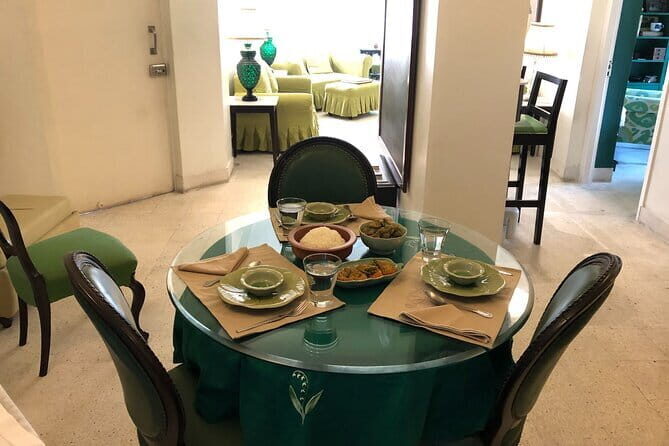
- Private class in Debjani’s apartment: you’re not part of a big group, and the lesson stays personal.
- A real teaching kitchen: you help prepare dishes like masoor dal and begun bhaja.
- Mustard sauce cooking is the star: you’ll learn how Bengali shorshe flavors show up in fish or prawns.
- Seasonal menu changes: the exact dishes can shift depending on what’s available.
- Dietary options are built in: vegetarian and lactose-free options exist if you ask at booking.
- Meal with the family when home: after cooking, you share the meal with Debjani and her family when they’re around.
Why a Kolkata Home Kitchen Beats a Studio Class

A Kolkata cooking class can be two very different things. One is a classroom demo where you watch and then leave. The other is what you get here: you work in a home kitchen, with a host who genuinely cooks the food she’s proud of—and who wants to trade stories as much as recipes.
That matters because Bengali food is not just ingredients. It’s technique. It’s timing. It’s learning how thick a lentil mixture should turn, how to season eggplant before it hits the oil, and how mustard sauce behaves once it warms up. When you’re hands-on, you start noticing those small details that make the difference between bland and deeply flavorful.
I also like the cultural angle that comes naturally in a home setting. Debjani has spent over 30 years in hospitality and loves hosting people from around the world. That means you’re not just learning to cook; you’re learning how she thinks about food, family, and everyday Bengali life—stuff you won’t get from a glossy kitchen studio.
You can also read our reviews of more cooking classes in Kolkata
Meet Debjani: Hospitality Pro, Bengali Home Cook
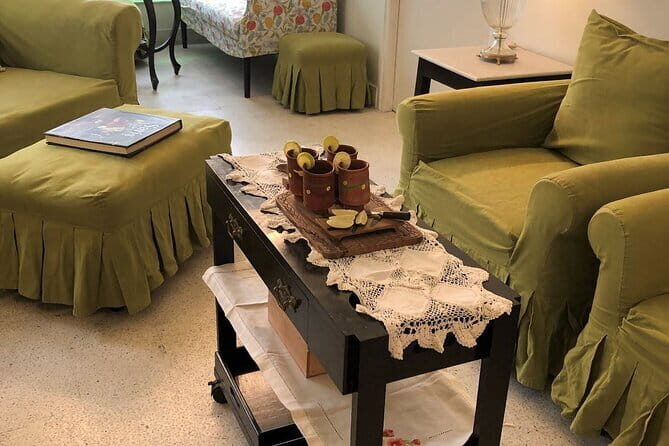
Debjani is the heart of this experience. Her background is part of why the class feels smooth: she’s spent more than three decades in the hospitality industry, including stints with big names like Taj and Oberoi. That kind of experience usually means guests are taken care of—no chaos, no awkward waits, and a clear sense of what happens next.
But what you’ll remember most isn’t the résumé. It’s the way she shares recipes that came through her family line—recipes she learned from her mother and grandmother. In a place like Kolkata, that matters. You’re getting cooking knowledge that survived real kitchens, not just recipe cards.
And there’s another subtle detail: the lesson isn’t presented like a museum. Her apartment has that nice mix of old and modern, and her approach reflects that too. You cook traditional Bengali dishes, but she presents them in a modern way—clear enough for you to follow, yet still rooted in inherited technique.
Your 3-Hour Rhythm: Cooking First, Then Sharing the Meal
The total experience runs about 3 hours. The actual cooking class portion lasts around 1.5 hours, which is a comfortable length. You’re not dragged through an entire day of prep, and you still get enough time to truly participate.
After the cooking, you sit down for the meal you made. The meal is described as home-cooked, and it’s shared with Debjani and her family when they are home. Even if her family isn’t around, the idea is still the same: you eat together in a normal household setting, not a formal restaurant table where the food is the only focus.
Here’s what that pacing means for you practically:
- You’ll likely start with ingredients and preparation steps, then rotate into the cooking itself.
- You get a chance to ask questions while things are actively cooking, not after the pan is already cold.
- You finish with a satisfying payoff—your own Bengali dishes on the table, not someone else’s idea of how the meal should look.
If you’re the type who learns best by doing, this timeline suits you.
What You’ll Cook: Masoor Dal, Begun Bhaja, and Shorshe Bhapa
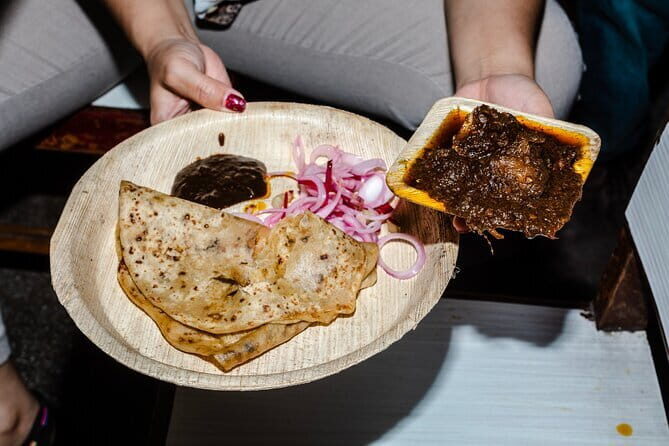
The dish list is a big part of the value here, because it focuses on Bengali comfort food and signature flavors—not random tourist-friendly items.
You can expect to help make at least these:
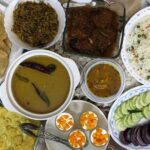
- Bengali masoor dal (lentils)
- Begun bhaja (eggplant fritters)
- Shorshe bhapa chingri or maach (steamed prawns or fish in mustard sauce)
Masoor Dal: Learning the Core Bengali Comfort
Lentils might sound simple, but Bengali-style dal is all about texture and seasoning balance. In class, you’re not just tasting—you’re involved in making it. That gives you a real sense of thickness, and how the flavor builds as it simmers.
The practical win: once you’ve cooked dal here, you’ll know what you’re aiming for next time you make it at home.




Begun Bhaja: Eggplant That Actually Stays Crispish
Begun bhaja is one of those dishes where technique matters more than people expect. Eggplant can go from perfect to soggy if you don’t prep and fry with the right mindset. Since you’ll help prepare the dish, you’ll learn how to treat eggplant so the flavor stays front-and-center.
And yes, this is the kind of dish you’ll want to recreate later. It’s snackable, side-friendly, and very Bengali.
Shorshe Bhapa: Mustard Sauce and Steamed Seafood/Fish
The mustard sauce in shorshe bhapa is where Bengali flavors get extra memorable. You may use prawns or fish depending on what’s available and what Debjani has planned, but the goal is consistent: mustard sauce that’s fragrant, flavorful, and comforting.
Even if you’ve eaten mustard-heavy food before, cooking it is a different experience. You’ll see how the sauce changes as it warms, and you’ll understand what makes it Bengali rather than just “spicy.”
Seasonal Variation: Keep Expectations Flexible
The menu may vary by season. That’s a normal part of home cooking and a good sign, honestly. It means you’re more likely to eat what’s best at that moment, not what’s been forced into a fixed script.
Vegetarian and Lactose-Free Options That Work in Real Life

This class offers vegetarian and lactose-free options. The key is that you need to ask at booking so Debjani can plan the menu accordingly.
Why this matters: you’re not arriving to a last-minute substitute that feels like a compromise. In a home kitchen, the difference between a worked-out plan and an improvised one is huge. Here, the option exists, so you can expect adjustments to the dishes rather than a totally different meal experience.
If you’re lactose-free, it also helps that Bengali cooking often relies more on spice, oil, and aromatics than heavy dairy. You still need to confirm your needs at booking, but the broader cuisine is generally compatible with lactose-free eating.
If you have other dietary requirements beyond vegetarian or lactose-free, the experience info asks you to advise them at booking. Keep it clear when you message, so the plan lines up.
Price and Value: What $80 Actually Buys You
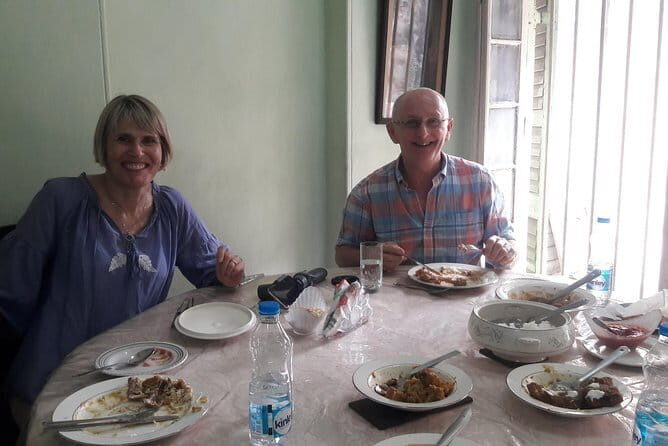
The price is $80 per person for about 3 hours, and it includes a lot more than most “just a class” deals. You get:
- the private cooking lesson
- all fees and taxes
- gratuities
- a homecooked meal
- alcoholic beverages
What’s not included is hotel pickup and drop-off, so you’ll want to budget time (and a taxi or local transit plan) to reach the start point.
So is $80 worth it? For me, it makes sense if you want the full package: private instruction plus cooking plus eating what you made in a home setting. A lot of cooking experiences price low but then add costs for meal, extras, or group size trade-offs. Here, the core costs are wrapped in, and you’re paying for access to Debjani’s kitchen and her time.
It also helps that it’s booked about 30 days in advance on average. That usually means demand is steady—so you’re not gambling on an empty calendar for last-minute slots.
Getting to South City Mall Without Stress

You meet at South City Mall near the South City Complex, Jadavpur area—specifically listed at 375, Prince Anwar Shah Rd, Kolkata, West Bengal 700068. Your activity ends back at the meeting point, so plan to return yourself.
A couple practical notes:
- There’s no hotel pickup, so don’t assume a driver will find you.
- The meeting point is near public transportation, which helps if you’re using local transit or a rideshare.
- You’ll have a mobile ticket, which is easy—just make sure your phone has enough battery.
If you don’t know Kolkata well, I’d give yourself extra time the day of. Home-based experiences are usually not far, but they’re also not designed around late arrivals the way major tourist hubs are.
Also, service animals are allowed, which is a useful detail if that applies to you.
Who This Cooking Class Suits Best
This is a great fit if you want:
- a private experience rather than a crowded class
- hands-on cooking of classic Bengali dishes
- a cultural conversation in addition to food instruction
- a home meal that feels like you’re visiting, not just buying a ticket
It’s especially good for couples, solo food lovers, and small groups who want something more personal in Kolkata. If you’re traveling with dietary needs limited to vegetarian or lactose-free, this can still work smoothly—just communicate when you book.
If you’re the type who wants a big English-language show with lots of theatrics, you might find a home kitchen calmer than you expected. That’s not a flaw—it’s just a different style. Here, the focus is cooking and eating, in a real household rhythm.
Should You Book Debjani’s Bengali Cooking Class?
I think you should book this if your idea of a good Kolkata day is simple: learn real techniques, cook classic dishes, and then eat them in a family setting when possible. The private format, the specific menu (especially shorshe bhapa and begun bhaja), and the fact that the meal and even gratuities are included make it strong value.
Skip it only if you want everything packaged like a hotel tour with pickup, or if you prefer a broad menu of many different dishes rather than fewer classics cooked properly. In a home kitchen, you go deeper, not wider.
If you’re already excited by Bengali comfort food and want to leave with skills you can repeat at home, this is the kind of experience that tends to stick with you.
FAQ
What dishes will I cook in the class?
You’ll help prepare Bengali dishes including masoor dal (lentils), begun bhaja (eggplant fritters), and shorshe bhapa chingri or maach (steamed prawns or fish in a mustard sauce). The exact menu may vary depending on the season.
Is this experience private or shared?
It’s private and personalized. Only your group participates.
How long does the cooking lesson and meal take?
The activity is about 3 hours total. The cooking class portion lasts around 1.5 hours, followed by sharing the meal you prepared.
Are vegetarian or lactose-free options available?
Yes. Vegetarian and lactose-free options are available. You should advise any dietary requirements at the time of booking.
Is the meal included?
Yes. You’ll have an authentic, home-cooked Bengali meal that you prepared in the class.
Does the price include pickup from my hotel?
No. Hotel pickup and drop-off are not included.
Can I get a full refund if I cancel?
Yes, free cancellation is available. You can cancel up to 24 hours in advance for a full refund, and changes made less than 24 hours before the start time aren’t accepted.
Will I receive a ticket on my phone?
Yes. The experience uses a mobile ticket.