REVIEW · AGRA
Agra Heritage Walk with Food Tour
Book on Viator →Operated by Taj Golden Tours · Bookable on Viator
Street food meets Agra’s old-town maze. This private heritage walk mixes history landmarks with market food stops so you’re not just sightseeing—you’re learning by tasting.
I like how personal the experience feels, especially if you get a little nervous about walking busy lanes on your own. Two things stand out most: the way your guide connects the sights to everyday local life, and the focus on snack-style street food plus classic North Indian sweets. The one thing to keep in mind is simple: you’re moving through narrow market lanes, so plan for moderate walking time and a bit of crowd energy.
In This Review
- Key highlights worth planning for
- Agra Heritage Walk with Food Tour: a smart way to learn the city
- Private tour energy and why the guide matters
- Stop 1: Jama Masjid and the old market lanes that shape Agra
- Stop 2: Shri Mankameshwar Mandir for Lord Shiva context
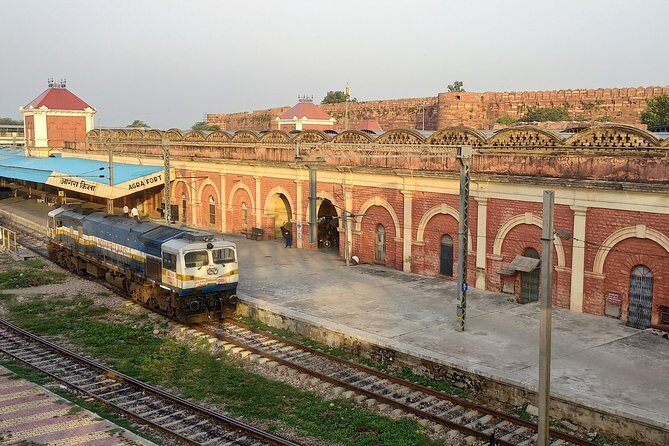
- Stop 3: Agra Fort Railway Station and the story behind Tripolia Chowk
- Stop 4: Kinari Bazar, a 16th-century maze of specialty shops
- What the food tour actually means (and how to get the most from it)
- Timing, walking comfort, and how to prepare
- Price and value: what $20 buys you in Old Town Agra
- Who this tour suits best
- Should you book Agra Heritage Walk with Food Tour?
- FAQ
- How long is the Agra Heritage Walk with Food Tour?
- Is this tour private?
- Is pickup available?
- What locations are included in the itinerary?
- Are any admission tickets required?
- What food should I expect to try?
- Is bottled water included?
- Is there free cancellation?
- What dietary information should I share before booking?
- Is the tour okay for someone with moderate walking ability?
Key highlights worth planning for
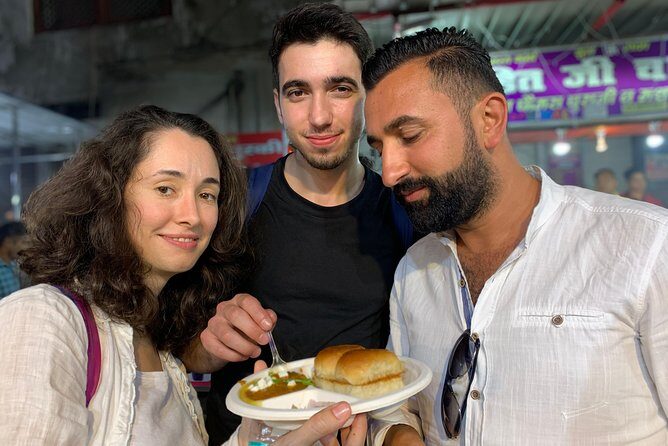
- Private guide, just your group: you get attention tailored to your pace and questions.
- Old Town start at Jama Masjid: you begin in one of Agra’s biggest mosque areas, surrounded by traditional shops and food stalls.
- Fast, focused history stops: a quick temple visit, then Agra Fort railway station with British-era context.
- Kinari Bazar’s 16th-century market lanes: a maze of specialty shops behind the Friday mosque area.
- Food and heritage together: you sample snacks and sweets while your guide explains what you’re seeing.
Agra Heritage Walk with Food Tour: a smart way to learn the city
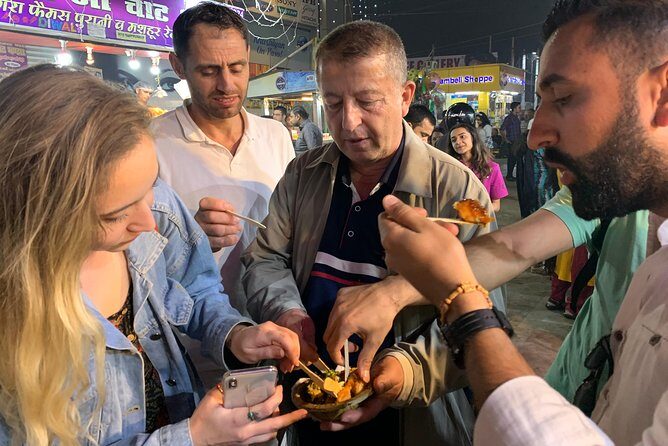
If you want Agra without only doing the obvious postcard stops, this is a great fit. The route is built around places where locals actually shop, pray, and commute—so the stories feel grounded.
What I like is the tour’s pacing. You’re in the market area long enough to notice how the stalls and shops work, then you get short history detours that reset your brain. It’s the kind of plan that helps you get your bearings fast—and it does it with food instead of a lecture.
At the same time, this isn’t a sit-still museum day. You’ll be walking through busy lanes around Old Town sites, and that can feel like a lot if you prefer wide streets and open views.
You can also read our reviews of more walking tours in Agra

Private tour energy and why the guide matters
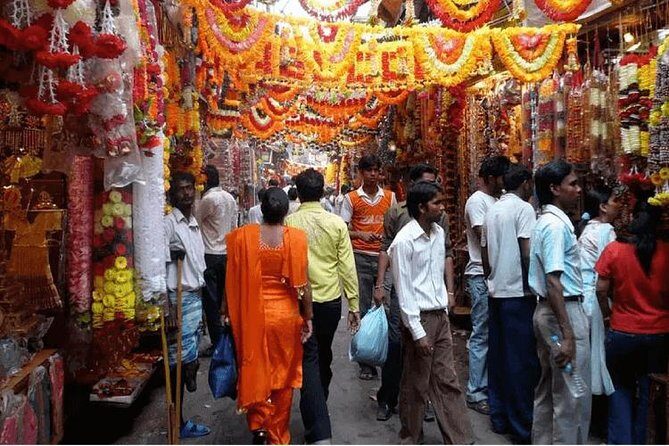
This experience is private, meaning it’s only your group with the guide. That matters more than you’d think on a street-food walk, because you can ask what something is, how it’s made, or why a shop is known for a certain item.
In particular, the tour’s value comes from the guide doing two jobs at once. They point out what you’re seeing—mosque lanes, temple details, market specialties—and they also guide your food choices so you don’t end up wandering randomly. In past experiences, guides like Asif and Sahib stood out for being attentive and patient, which is exactly what helps when you’re unsure how to navigate crowded bazaars.
You also get bottled water, which is a small inclusion but a real comfort when you’re sampling multiple snacks.
Stop 1: Jama Masjid and the old market lanes that shape Agra

Your walk starts at Jama Masjid, also called the Friday mosque, in the old market area. It’s the biggest mosque in Agra, and the surrounding lanes are the main event.
The market setup around the mosque is what makes this first stop work. Expect narrow lanes filled with shops for everyday items—spices, jewelry, textiles, cosmetics, sweets, and daily-use goods—plus food stalls in the mix. This is where you can see how faith, commerce, and community overlap in daily life.
Time-wise, this is the long stop: about 1 hour. You’ll use that time to orient yourself, watch how people move through the lanes, and begin your food sampling.
A practical note: because this area is tight and active, try to keep your pace steady. If you stop suddenly in a narrow lane, you’ll feel it quickly. Your guide can help you time your pauses so you can look without blocking others.
Stop 2: Shri Mankameshwar Mandir for Lord Shiva context
After the market lanes, you take a short break at Shri Mankameshwar Mandir, dedicated to Lord Shiva. It’s a quick stop—around 10 minutes—but it changes the mood.
This temple visit adds a different kind of context to the tour. You’re not only seeing a major mosque district; you’re also getting a snapshot of how different religious spaces shape Old Town life. It’s short on purpose, so you don’t lose momentum before heading to the next history point.
Admission is listed as free for this stop, so it doesn’t create extra friction in your schedule. You’ll likely use this moment to reset after the denser market area and keep the tour feeling smooth.
Stop 3: Agra Fort Railway Station and the story behind Tripolia Chowk
Next comes a history moment that feels surprisingly specific. You’ll visit Agra Fort Railway Station, with context about Tripolia Chowk—an octagonal circle that used to sit between Agra Fort and the Friday mosque.
According to the tour details, Tripolia was destroyed to build the railway station. And the station itself is described as one of the oldest in India, built by the British to connect Agra with the east part of India.
This stop is only about 10 minutes, so you’re not trying to read every sign or study architecture. The value is in the connection the guide makes: a clear timeline of how the area changed, and how transportation helped reshape the city.
If you like history that’s tied to real locations you can still point at today, this is the kind of stop that sticks. It also helps balance the tour—after religious sites and market lanes, you get an angle on infrastructure and colonial-era planning.
You can also read our reviews of more food & drink experiences in Agra



Stop 4: Kinari Bazar, a 16th-century maze of specialty shops
Your final major stop is Kinari Bazar. This market dates back to the 16th century, and it’s described as a narrow-lane maze behind the Friday mosque area.
What makes Kinari Bazar interesting is that it’s not just one type of shopping. Different bazaars within the broader market area specialize in different wares. So you can keep walking and still feel like you’re discovering something new rather than repeating the same storefront layout.
This part of the tour lasts about 20 minutes. That’s short enough to keep you moving through the best of the lanes, but long enough to notice patterns—what people buy, what draws attention, and how shops cluster around certain products.
If you’re the kind of person who likes shopping but doesn’t want to drown in options, this stop is a good compromise. You get guided direction plus enough time to enjoy the atmosphere and pick up a few things if you want.
What the food tour actually means (and how to get the most from it)
This is not a food festival with endless choices. It’s a structured street-food and sweets sampling experience built around your heritage route.
You can expect to try street food snacks and typical North Indian desserts. The key is that the tasting is tied to what you’re seeing around the Old Town sites—especially near Jama Masjid and in Kinari Bazar. In one example of a past experience, the plan included bites at local market places, followed by a later meal at a local restaurant.
That structure helps in two ways. First, you’re less likely to miss good options when you’re unsure what’s safe or what’s a local specialty. Second, the guide’s cultural explanations make the food feel connected to the place, not random.
A smart approach on the tasting portion:
- Pace yourself so you don’t overdo the first few snacks.
- Take a small bite, then ask what it is and why it’s sold there.
- If you have dietary needs, tell the organizer when you book.
If you keep those three habits, you’ll leave feeling like you learned something, not just tasted sugar and fried snacks.
Timing, walking comfort, and how to prepare
The total duration is about 1 to 2 hours. That range matters because it sets expectations: you’re not doing a long hike. You’re doing a compact Old Town walk that balances sightseeing moments with quick food stops.
The tour also notes a moderate physical fitness level. In plain terms, that means you should be comfortable walking through narrow lanes and staying on your feet most of the time. It’s also near public transportation, which is useful if you’re combining this with other parts of your Agra day.
For preparation, I’d keep it simple. Wear comfortable shoes, keep water in mind (you’ll have bottled water on the tour), and plan to be flexible if crowds thicken around the major market points.
Price and value: what $20 buys you in Old Town Agra
At $20 per person, the value here comes from the combination of items you’d normally pay for separately: a local guide, a private format, and water, all while hitting multiple key Old Town locations.
You’re also getting short admission impact for the listed stops. The tour states admission tickets are free for Jama Masjid and Shri Mankameshwar Mandir, which helps keep the day predictable. (Agra Fort Railway Station and Kinari Bazar don’t have ticket-type fees mentioned in the tour details, so you’re not expecting surprise entry costs there.)
Private tours usually cost more than group formats, so this price point feels especially reasonable if you’re going with friends or if you want a guide because you’d rather not figure out the routes through crowded bazaars alone.
If you’re a solo visitor, the private setup can feel even more valuable. One past participant highlighted how the guide helped them navigate the market lanes with confidence, which is exactly the kind of outcome worth paying for.
Who this tour suits best
This is a good match if you:
- like street food and also care about where it all happens (markets, mosques, temples, rail history)
- want a guided walk that keeps you from getting lost in dense lanes
- prefer a plan that’s short enough to fit between other Agra stops
It’s especially helpful if you’re traveling alone and feel unsure about wandering through busy markets without support. The tour’s private format and guide explanations reduce the stress of deciding what to try and where to go next.
If you strongly prefer wide-open sightseeing areas, long stays in one place, or a heavy focus on monuments only, you might find the market-lane nature less appealing. But if you want Agra’s everyday rhythm, this plan fits well.
Should you book Agra Heritage Walk with Food Tour?
I’d book it if you want a compact Old Town experience that mixes history with food in a way that feels practical. The route makes sense: start at Jama Masjid, add the Shiva temple stop, include a rail history moment at Agra Fort Railway Station, and finish with Kinari Bazar’s 16th-century shopping lanes.
Skip it only if you hate crowds and narrow lanes, or if you’re not interested in street snacks and North Indian sweets. Otherwise, this is one of the easiest ways to learn Agra beyond the obvious monuments, without turning your day into a complicated logistics puzzle.
FAQ
How long is the Agra Heritage Walk with Food Tour?
The tour lasts about 1 to 2 hours.
Is this tour private?
Yes. It is private, and only your group participates.
Is pickup available?
Yes, pickup is offered.
What locations are included in the itinerary?
The walk includes Jama Masjid, Shri Mankameshwar Mandir, Agra Fort Railway Station, and Kinari Bazar.
Are any admission tickets required?
The tour lists admission tickets as free for Jama Masjid and Shri Mankameshwar Mandir.
What food should I expect to try?
You’ll sample street food snacks along with typical North Indian desserts.
Is bottled water included?
Yes, bottled water is included.
Is there free cancellation?
Yes. Free cancellation is available up to 24 hours in advance for a full refund.
What dietary information should I share before booking?
You should advise any specific dietary requirements at the time of booking.
Is the tour okay for someone with moderate walking ability?
The tour notes a moderate physical fitness level, so you should be comfortable with walking through market areas.