REVIEW · AGRA
Flavours of Agra Food walk
Book on Viator →Operated by Agra Beat · Bookable on Viator
Your stomach becomes your map in Agra. This food walk is a smart follow-up after the Taj Mahal, because it turns your attention to day-to-day life and cuisine in and around the city. I love the small-group format and the fact that you get hotel transfers so you lose less time figuring out where to go. I also like that the tastings cover vegetarian and non-vegetarian options plus Indian and international flavors, with street-food stops that are hard to spot on your own. One consideration: part of the experience includes temple time, so if you want only food and nothing else, this may feel a bit mixed.
Food tasting is the core here, and the included drinks matter. You’ll get bottled water plus other beverages during the walk, and you’ll leave with snacks and a dinner that’s built into the plan. The group stays small (up to 15), so the guide can keep things moving at a human pace instead of turning it into a loud, rushed buffet line.
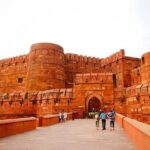
The route also helps you see Agra as more than a postcard city. You’ll cover both the older part of town and the newer side, starting around Jama Masjid, then shifting to an older Shiva temple, and finishing at a restaurant that’s been around for more than 150 years.
In This Review
- Key highlights you’ll actually feel on the ground
- Why this Agra food walk clicks after the Taj
- Price and logistics: what $48.70 includes (and why it’s not just a ticket)
- Stop 1: Jama Masjid and the old-city eating pulse
- Stop 2: Shri Mankameshwar Mandir and learning Hindu life through a priest
- Stop 3: Chimman lal Puri Wale and why long-running snack places matter
- The tastings: how you get variety without losing your appetite
- Timing that stays realistic: 2.5 to 3.5 hours, with hotel pickup
- Group size and attention: why a max of 15 matters
- Who this food walk is best for
- My verdict: book it if you want Agra you can taste
- FAQ
- What’s included in the Flavours of Agra Food walk?
- How long does the food walk take?
- Is there a vegetarian option?
- Do I need to buy separate tickets for the stops?
- How big is the group?
- Is hotel transfer included?
- What’s the cancellation policy?
Key highlights you’ll actually feel on the ground
- Small-group cap of 15 keeps the walk personal and easier to ask questions
- Hotel pickup and drop-off removes the biggest hassle in Agra planning
- Bottled water and other beverages mean you stay hydrated during tastings
- Shri Mankameshwar Mandir visit with the priest adds context to what you’re eating
- A mix of Indian and international flavors, plus veg and non-veg options keeps the tasting varied
- Street-food focus away from tourist-heavy restaurants helps the food feel more local
Why this Agra food walk clicks after the Taj
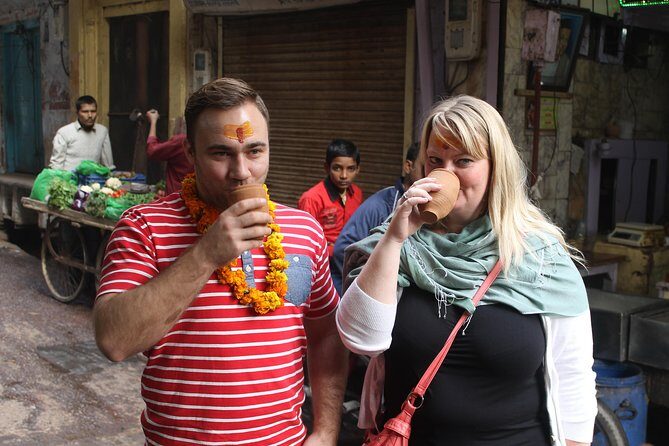
If you’ve come to Agra for the Taj Mahal, you already know the big draw. What this experience adds is the stuff that happens after the ticket line and the camera time: how people actually eat, snack, and gather across the city.
The big value for you is the mix of food types and settings. You’ll taste vegetarian and non-vegetarian dishes, and you’ll also get Indian and international flavors in the same walk. That matters because Agra isn’t one-note. It has long-standing local snack culture, temple-linked daily life, and also modern taste influences you might miss if you only aim for the most famous restaurant streets.
Another reason this works: the guide steers you to places that are most popular with locals, not just the spots that get recommended for visitors. You’re still doing a guided experience, but the goal is simple—stop eating like a tourist.
You can also read our reviews of more walking tours in Agra



Price and logistics: what $48.70 includes (and why it’s not just a ticket)
At $48.70 per person for about 2 hours 30 minutes to 3 hours 30 minutes, the headline price can look like “okay, it’s a food tasting thing.” But the better way to judge value is what’s included around the food.
You’re not paying extra for:
- Food tasting and snacks
- Dinner
- Beverages and bottled water
- Hotel pickup and drop-off
- Admission tickets at each stop (they’re listed as included for Jama Masjid, Shri Mankameshwar Mandir, and the final restaurant stop)
- A small-group setting (maximum 15)
When transport and admissions are bundled, your real cost becomes clearer: you’re paying for a structured evening where you don’t have to plan the stops, line up entry, and hunt for places that feel reliable. In Agra, that time and uncertainty reduction can be worth a lot.
Also, this one gets booked ahead (on average around 46 days). That’s a sign it’s popular, and it’s usually wise to lock it in sooner rather than later if your schedule is tight.
Stop 1: Jama Masjid and the old-city eating pulse

You begin in the older part of Agra, with Jama Masjid as the first anchor point. The walk is run in two parts: first the old section of the city, then later you’ll shift to the newer part.
Jama Masjid’s role here is practical, not just scenic. It puts you near popular eating places where many locals go. That’s the heart of a good food walk: you’re not wandering and hoping. You’re getting pointed toward spots that already work for people who live there.
Time-wise, this stop is brief—about 10 minutes—and it includes an admission ticket. In other words, you’re not turning your evening into a long temple- and mosque-tour marathon. The short stop length keeps the pace food-forward, with enough context to help the city make sense.
One more realistic point for you: the early part of the evening tends to set the tone. If you arrive hungry (and not stressed about where you’ll eat next), the first tastings feel like you’re getting traction immediately instead of waiting for the “real food” later.
Stop 2: Shri Mankameshwar Mandir and learning Hindu life through a priest
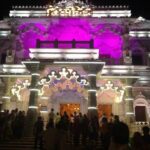
Next comes Shri Mankameshwar Mandir, described as one of the oldest Shiva temples in Agra. Here, the experience goes beyond food for a moment.
You’ll meet the priest and learn interesting facts about Hinduism. That’s a big deal for how you understand what you’re seeing next. Food in India often isn’t isolated from religion and daily routine. Even if you don’t memorize theology during a 10-minute interaction, you’ll walk away with a clearer sense of what “everyday life” looks like in Agra, not only what a visitor checklist expects.
This stop also runs around 10 minutes and includes an admission ticket. So it’s intentionally short, but it’s not skipped. It gives the walk a sense of place, not just a sequence of snacks.
If you prefer strictly food-only sightseeing, this is the one moment you might question the “why.” Still, for most people, the priest conversation adds meaning fast. It turns the tasting into something grounded in how locals live.
Stop 3: Chimman lal Puri Wale and why long-running snack places matter
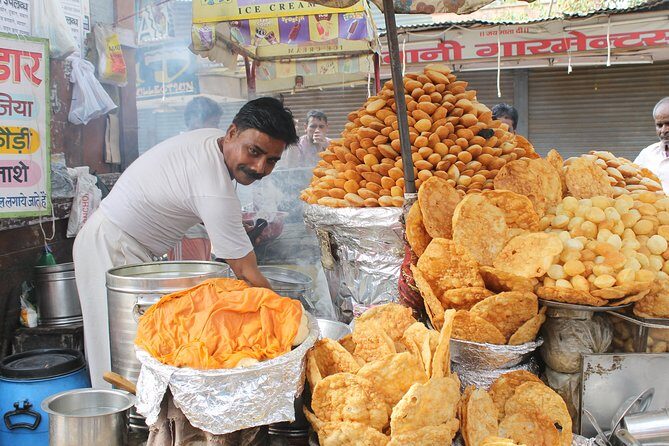
The final stop is Chimman lal Puri Wale, a local restaurant that’s more than 150 years old. It serves picnic snacks.
This is exactly the kind of stop that makes a food walk worth doing. A long-running place is usually long-running for a reason: the flavors work, the customer base keeps coming, and the food fits into local habits. You’re not just eating something new; you’re trying something that has survived changing tastes.
Like the other stops, this lasts about 10 minutes and includes an admission ticket. That short duration can feel surprising for a “restaurant stop,” but remember the overall experience already includes food tastings, snacks, and dinner. By the time you reach this point, you’re tasting in a way that feels like a full meal is being assembled step by step.
If you’re the type of eater who likes to compare styles (street snack vs. sit-down meal vs. temple-area routine), this is a useful final chapter. It helps the walk end on an authentic local note.
You can also read our reviews of more food & drink experiences in Agra






The tastings: how you get variety without losing your appetite
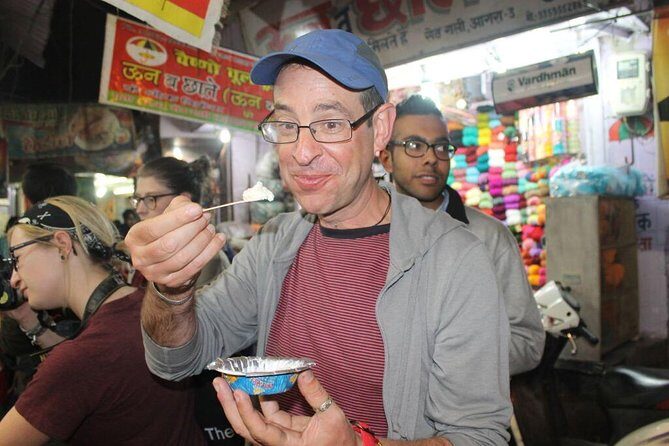
The walk is designed around variety, and the details matter: you’ll taste vegetarian and non-vegetarian food, plus Indian and international options. That’s a smart setup if you’re traveling with mixed preferences, or if your own tastes range from “classic local” to “I want something familiar too.”
Drinks are included too: bottled water and other beverages. For you, that’s not a minor perk. During a multi-stop tasting route, water access can make the difference between enjoying the evening and feeling drained.
Vegetarian options are available if you tell the operator at booking. If that’s you, don’t wait until the day of the walk. The clearest experience comes from having your preference set early, so the tastings align with what you want to try.
This is also one of those tours where you should show up ready to eat. Because snacks and dinner are included, you’ll likely end up satisfied rather than “just nibbling.” If you’re planning a big late-night meal after, you may want to adjust expectations.
Timing that stays realistic: 2.5 to 3.5 hours, with hotel pickup
The total experience runs about 2 hours 30 minutes to 3 hours 30 minutes. That time window is long enough to feel like you did something substantial, but not so long that it turns into a half-day project.
Hotel pickup and drop-off are included, which is a practical win in Agra. Even if you’re comfortable navigating cities, having someone handle the logistics makes the entire evening smoother. It also reduces the chance you arrive late and miss tastings or timing for the temple stop.
The tour uses a mobile ticket, and you’ll receive confirmation at booking. You don’t need to show up guessing where to go. You’re set up for an experience that starts on time and follows a plan.
One small note: the route is near public transportation, which can help as a backup if you need a way to get home, but the experience already covers transfers from your hotel.
Group size and attention: why a max of 15 matters
A capped group size (maximum 15) isn’t just a comfort detail. It changes how your questions get answered and how your pace feels.
In a small group, you can ask things like what you’re tasting, how it’s prepared (when the guide is explaining), and what the local role of that food is. You also get more personalized attention when you’re trying to figure out what to expect next.
One of the standout themes from the experience is the guide’s genuine food focus. The best part isn’t only picking good places. It’s the explanation around the food and the cook-style viewing that comes with it, including how items are cooked and the kinds of tastings you get across the walk.
If you’ve ever been on a food tour where you can barely hear the guide over a group rush, this cap helps you avoid that problem.
Who this food walk is best for
This experience is a strong fit if:
- You want a local-food focused evening after seeing Agra’s big sites
- You like street snacks and small tastings more than one big restaurant meal
- You want variety: veg and non-veg, plus Indian and international flavors
- You prefer a guide who knows where locals eat, not only where popular eateries market to visitors
It also works well for people who want a little culture layered into food. The visit to Shri Mankameshwar Mandir adds context without taking over the whole time.
A couple practical considerations:
- Children must be accompanied by an adult.
- If your ideal evening is purely food with no temple component, you may prefer a strictly culinary route.
- Since you’re tasting both vegetarian and non-vegetarian options, make your preference clear at booking if you’re vegetarian.
Most people can participate, and the plan includes food, water, and a dinner closeout, so it’s built for eating, not just strolling.
My verdict: book it if you want Agra you can taste
I recommend this tour if you want an evening that feels like you stepped into real local routine. The combination of street-food style tastings, included drinks, and the added temple stop makes it more than a snack crawl. The small-group size and hotel transfers reduce the usual friction that can spoil a food day.
Is it perfect for everyone? No. If you’re the kind of visitor who wants a strictly food-only plan with no religious context at all, you might find the temple stop slightly off-theme. And if you’re easily overwhelmed by multiple tastings and stops, you may want to pace yourself and not assume you’ll be able to sample everything without feeling full.
But if you’re in Agra for long enough to go beyond the headline monuments, this is a well-structured way to eat like a local and understand the city in less obvious ways—one stop at a time.
FAQ
What’s included in the Flavours of Agra Food walk?
The experience includes food tasting, snacks, dinner, bottled water, and other beverages. Hotel pickup and drop-off are also included.
How long does the food walk take?
Plan for about 2 hours 30 minutes to 3 hours 30 minutes.
Is there a vegetarian option?
Yes. A vegetarian option is available, and you should advise the operator at the time of booking if you need it.
Do I need to buy separate tickets for the stops?
Admission tickets are listed as included at each of the stops, including Jama Masjid and Shri Mankameshwar Mandir.
How big is the group?
This tour has a maximum of 15 travelers.
Is hotel transfer included?
Yes. Hotel pickup and drop-off are included, and the tour is also near public transportation.
What’s the cancellation policy?
Free cancellation is available. You can cancel up to 24 hours in advance for a full refund.
If you tell me your travel dates and whether you want vegetarian-only, I can help you choose the best time slot and what to eat before you go.