REVIEW · KARNATAKA
3 day private tour of Hampi from Bangalore by flight with guide and hotel
Book on Viator →Operated by 5 Senses Walks · Bookable on Viator
Hampi feels like a living puzzle. I like the flight from Bangalore to save you from a long, hot road haul and I like how Rajesh brings the UNESCO ruins into focus with clear stories and on-the-ground context. One thing to plan for: meals and drinks are not included, so you’ll want to budget for lunch and dinner after temple time.
This is a true private setup: you get a guide and a car while you’re in Hampi, plus two nights of lodging with breakfast. The schedule is tight enough to be worth booking, but not so rushed that you miss the feel of the place—if you pace your mornings and carry water.
In This Review
- Key things to know before you go
- Why fly from Bangalore to Hampi instead of driving
- Day 1: Badavi Linga, giant idols, and Sasivekalu Ganesha
- Day 2: Vijayanagara Royal Enclosures and Queen’s Bath to Lotus Mahal
- Day 2 evening: Anegundi Fort and cave paintings dating back to 1500 BC
- Day 3: Vijaya Vittala Temple, stone chariot details, and King’s Balance
- Hotel, breakfast, and getting around with your private car
- What $640 per person really buys you (and when it’s a good deal)
- Practical tips to enjoy Hampi without ruining your feet
- Should you book this private Hampi tour from Bangalore?
- FAQ
- FAQ
- How long is the Hampi tour from Bangalore?
- What does the tour include for flights and lodging?
- Is a guide and car included once you arrive at Hampi?
- What sites are included in the itinerary?
- Are admission tickets included?
- Are meals and drinks included?
- What if the weather is bad?
Key things to know before you go
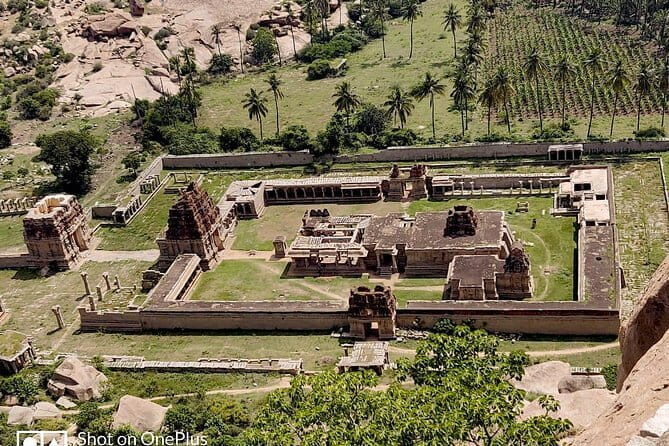
- Fly-in, drive-short: you land in Bellary and then make a relatively quick hop down to Hampi.
- Admissions are handled: ticketed entry is included for the main sights on all three days.
- Royal Enclosure focus: day 2 is built around Vijayanagara power sites like Queen’s Bath and the Lotus Mahal.
- Rock-carved temples get time: day 1’s big sculptures (including Badavi Linga and Sasivekalu Ganesha) are central, not filler.
- Anegundi cave paintings at dusk: the evening stop adds a different kind of history beyond temples.
- No meal package: breakfast is included, but you’ll plan your own lunches and dinners.
Why fly from Bangalore to Hampi instead of driving
Hampi is the kind of destination where time matters. The big win here is that you skip the long grind of driving from Bangalore, and instead take a flight that gets you closer to Hampi quickly. Your day 1 starts with a meeting around 2:45 pm near Jindal Vijaynagar Airport, then you depart from Bangalore at about 3:45 pm and land in Bellary around 4:45 pm.
After you touch down, a car takes over for the final leg into Hampi. That structure is practical. You arrive with enough evening daylight to start seeing the site rather than spending your precious first day stuck on roads.
It also means your 3 days feel more “Hampi-heavy” and less “travel-heavy.” If you want to see the key UNESCO areas without feeling cooked by transit, this flight-based plan is a smart match.
You can also read our reviews of more guided tours in Karnataka
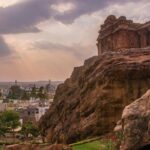
Day 1: Badavi Linga, giant idols, and Sasivekalu Ganesha
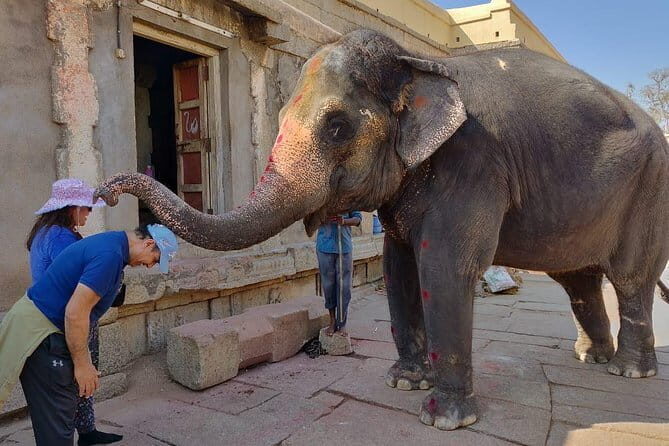
Day 1 is built around some of Hampi’s most striking stone features, and it works well for an arrival-day start. Your first main stop is the Group of Monuments at Hampi, and the focus stays on sculpture and symbolism—things you can’t always appreciate as easily if you’re going solo.
Badavi Linga is the headline here. It’s the biggest linga in the area, carved from black stone and rising about 12 feet. A canal passes through it, so it’s kept in water. Even if you don’t read any inscriptions, you can feel what this place was built to do: connect ritual space to everyday water.
Nearby you’ll see the biggest idol of Hampi: Ugra Narasimha, about 22 feet tall. It’s carved in the period associated with Krishnadevaraya, and there’s a serpent with an open hood behind the figure. This is the kind of detail your guide helps you spot, because your eyes tend to skim over huge stone unless someone tells you where to look.
Then you move to Sasivekalu Ganesha Temple, famous for how it’s carved: a huge Lord Ganesha statue cut out of a single block of rock, around 8 feet tall. It’s one of those stops where the scale hits you in person—photos can’t really capture it.
This first day is scheduled for about 4 hours, with entry tickets included. It’s a good length for an arrival evening: you get meaningful sight time, but you’re not stuck walking late into the night.
Day 2: Vijayanagara Royal Enclosures and Queen’s Bath to Lotus Mahal
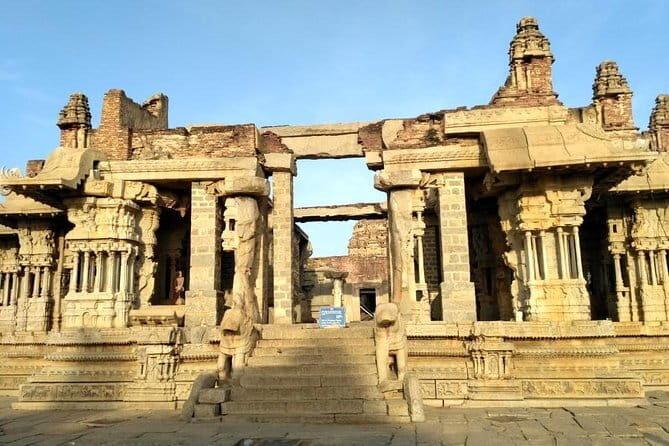
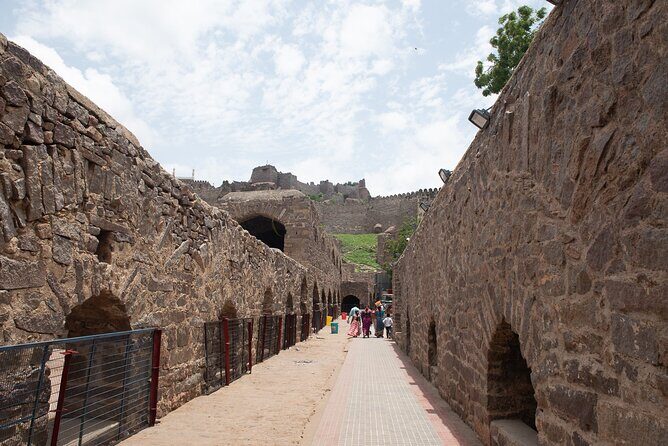
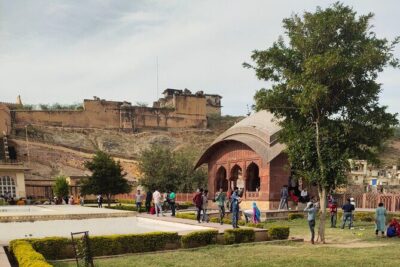
Day 2 is your big history-and-architecture day. You start at the Royal Enclosure, the political center of the Vijayanagara kingdom. What I like about structuring the day this way is that everything you see connects. You’re not bouncing between random temples; you’re seeing a single system of power: halls, tanks, underground chambers, and temples.
A standout is Queen’s Bath. It’s described as a magnificent structure used as a private bathing chamber for royalty. The details matter here. It’s not just a “pretty tank”—this stop helps you understand how elite life, water management, and ritual space were intertwined.
Next comes the Zanana enclosure, the area connected with royal women. One of the most impressive structures here is the Lotus Mahal—a two-storied palace-like building surrounded by walls and four towers. The design gives it a lotus-like look, thanks to pyramidal-shaped towers. It’s a great stop if you enjoy architecture that feels intentional rather than decorative.
This day also includes time for the surrounding Royal Enclosure features like durbar halls and underground chambers, so the guide can tie together what you’re seeing as part of one royal complex. The scheduled time for this part is about 6 hours, and that’s about right. Royal sites take more mental energy than simpler temples.
Day 2 evening: Anegundi Fort and cave paintings dating back to 1500 BC

To balance the day’s power sites, the evening stop shifts focus to human stories from long before the Vijayanagara era. You head toward Anegundi village for cave paintings. The paintings here are said to date to the Iron Age, around 1500 BC.
Anegundi gives you a different kind of “site reading.” Instead of focusing on carved stone and royal halls, you’re looking at older marks on rock. It’s a reminder that Hampi’s area wasn’t just a single-era monument landscape. People lived, traveled, and marked places here across huge stretches of time.
This stop is scheduled for about 1 hour 30 minutes, with admission included. It’s not too long, which is smart at the end of a long day of walking.
Day 3: Vijaya Vittala Temple, stone chariot details, and King’s Balance
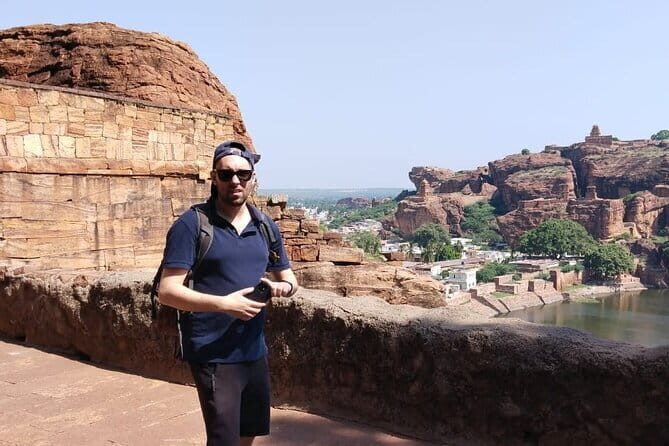
Day 3 is built around Hampi’s most famous temple complex: Vijaya Vittala Temple. If you like iconic landmarks, this is your payoff day. The temple is described as a grand masterpiece, constructed on a polyhedron foundation.
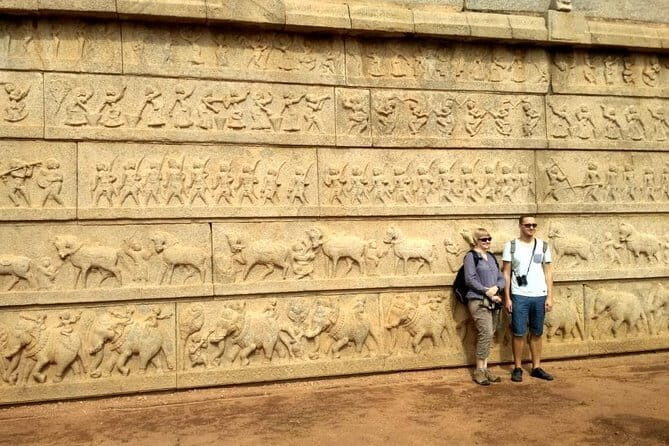
The front features the world-renowned stone chariot, made of rough quartz. What I’d keep an eye on is the storytelling in the carvings. The chariot includes etched figures of soldiers, hunters, and even foreign visitors like Portuguese and Arabs. That mix of locals and outsiders makes the stone feel less frozen in time and more like a snapshot of a connected world.
The temple also has the musical pillars, highlighted as one of the greatest works of art by mankind. Even if you don’t hear the effect exactly the way you expect, the point of this stop is that the craftsmanship is real and deliberate—someone wanted sound and symbolism to share the same stage.
You get about 2 hours for this stop, with entry included.
Then you finish with King’s Balance, a large stone frame east of Purandara Mantapa. Two pillars hold a stone beam. The legend says Vijayanagara kings used to weigh gold and gems and then distribute it among the poor. It’s a short stop (about 30 minutes), but it closes the tour with a moral and social idea, not only architecture.
You can also read our reviews of more private tours in Karnataka
Hotel, breakfast, and getting around with your private car
You’ll have two nights of accommodation with breakfast included, and you’ll have a car while in Hampi. That combination matters more than it sounds.
First, breakfast helps you get out the door without hunting. Second, the private car cuts down time wasted figuring out transport between temple clusters. Hampi is spread enough that stopping, re-checking routes, and waiting for rides can eat a morning.
Also, because you’re private, the pace is adjustable. You can linger at a carving detail or pause for shade without feeling guilty about slowing down a group.
In the planning and on-site experience, having a steady driver helps too. In the same way your guide handles the stories, the driver role is about smooth movement across distances and gates—exactly what you want when you’re switching from one monument zone to another. (In this tour experience, Basavaraj is the driver name connected with the driving side.)
What $640 per person really buys you (and when it’s a good deal)
At $640 per person, this tour isn’t a budget-only choice. But it can still be good value, depending on how you’d otherwise travel.
Here’s what’s included that often costs time or money if you do it on your own:
- return flight from Bangalore (so you skip long road travel)
- 2 nights of lodging with breakfast
- a guide
- private car while you’re in Hampi
- admission tickets for the listed sights
- taxes, fees, and handling charges
Where the money can feel especially justified is if you want the most “site-dense” version of Hampi in a short window. Flying saves the tiredness cost. A guide saves the understanding cost. Admissions included saves the small but annoying ticket friction.
The tradeoff is that you still need to budget for meals and drinks, since food isn’t included. If you plan to eat at least two times per day, that adds up.
So I’d call it a solid deal if you:
- only have 3 days
- want a first-class intro to the UNESCO areas without guesswork
- prefer a private flow over hopping on crowded transport
If you’re the kind of traveler who loves independent planning and you have more time to spare, you might compare prices and do some parts yourself. But for a short trip, the bundled logistics are a big part of the value.
Practical tips to enjoy Hampi without ruining your feet
Hampi is temple-heavy, stone-heavy, and walk-heavy. Here’s how to make it easier on yourself with what’s known from the route and the day structure.
- Plan for sun and heat. Even if you start later in the day on day 1, you’ll be outside during day 2 and day 3.
- Wear shoes that handle uneven stone. You’ll be near carved surfaces and paths that aren’t flat.
- Carry water and snacks on your own. Breakfast is included, but lunch and dinner are not.
- Build in small breaks. With a private setup, you can pause when you need it—use that freedom.
- Take your guide seriously on the details. The tour’s big value is that the stories and symbolism are pointed out for you. Badavi Linga’s canal detail, Ugra Narasimha’s serpent element, and the icon mix on the stone chariot are exactly the kind of things that become more fun when explained.
Also, your itinerary works only when weather cooperates. The tour notes it needs good weather, so if conditions are poor, you may get offered a different date or a full refund.
Should you book this private Hampi tour from Bangalore?
I’d book it if you want a confident, well-paced 3 days where the big names in Hampi get real attention. The best match is a traveler who values guidance and wants the UNESCO core sites connected in one storyline: royal power (Royal Enclosure), sculpted devotion (Badavi Linga and Ganesha), and the iconic temple complex (Vijaya Vittala and King’s Balance).
I’d reconsider if you:
- hate fixed schedules, because the stops are clearly timed
- don’t want to handle meals on your own
- are hoping for lots of optional extras beyond the planned temple circuit (like a coracle ride), since those aren’t included
One more practical note: the cancellation policy is set up so you get a full refund if you cancel far enough in advance, and less refund if you cancel closer to departure. If your dates are flexible and weather-sensitive, this tour can still be a safe bet.
Overall, this is an efficient way to see Hampi properly: flight logistics, private guiding, and two full days of major sites—with enough structure to reduce hassle and enough time to actually enjoy what you’re looking at.
FAQ
FAQ
How long is the Hampi tour from Bangalore?
It’s scheduled for about 3 days, with time blocked out for major stops across three days.
What does the tour include for flights and lodging?
The tour includes return flights from Bangalore and two nights of accommodation. Breakfast is included.
Is a guide and car included once you arrive at Hampi?
Yes. The tour includes a guide and a private car for getting around during your time in Hampi.
What sites are included in the itinerary?
The itinerary includes the Group of Monuments (with Badavi Linga, Ugra Narasimha, and Sasivekalu Ganesha), the Royal Enclosures (with Queen’s Bath, Zanana enclosure, and Lotus Mahal), Anegundi village cave paintings, Vijaya Vittala Temple, and King’s Balance.
Are admission tickets included?
Yes. Admission tickets are included for the stops listed in the itinerary.
Are meals and drinks included?
No. Food and drinks are not included, though breakfast is included at the hotel.
What if the weather is bad?
The tour requires good weather. If it’s canceled due to poor weather, you’ll be offered a different date or a full refund.