REVIEW · AGRA
Story of Spices- A Food Tour of Agra
Book on Viator →Operated by Agra Heritage Walks · Bookable on Viator
Spices hit you before you even spot the stalls. This 3-hour Agra food tour traces how spices and cooking styles moved through the old city, from Braj snacks to Mughlai meat dishes, with stops at longtime family shops. I like the mix of tasting and storytelling, plus the way the walk leads you into lanes you’d miss on your own.
I love two things most: the street-level food stops that feel tied to place (not a staged tasting menu), and the guide energy—Kaleem and Tahir bring the city to life with history, jokes, and even poetry-style storytelling. Even better, you’re not just sampling flavors; you’re learning why those flavors made it into modern Agra cuisine.
One thing to consider: this route includes Mughlai non-veg stops like mutton stew and a local meat shop, so if you’re vegetarian or have strict dietary rules, you’ll need to communicate early. Also, it’s a walking experience with a moderate fitness requirement, so comfy shoes matter.
In This Review
- Key highlights worth your time
- Spice-Scented Agra at 4 pm: what the tour is really like
- Meet Kaleem and Tahir: storytelling that makes the streets click
- Rawatpada spice shops and Satvik tasting: learning flavor without onion and garlic
- The 16th-century market and silk-route lanes: pakoda, falafel, and sweets
- Three-generation soda shops: the drink stop that keeps the spice story going
- Live flute on a 17th-century pathway: music linked to Mughal-era cuisine
- Mughlai mutton stew and Akbar’s feast culture: where flavor rules meet power
- Lassi finish: why the last drink matters
- Price and logistics: does $41.70 feel worth it?
- Who should book this food-and-spice tour?
- Should you book Story of Spices in Agra?
- FAQ
- FAQ
- How long is Story of Spices—A Food Tour of Agra?
- What time does the tour start?
- Where do we meet for the tour?
- How much does the tour cost?
- Is this a private tour?
- Do I get a mobile ticket?
- Is the tour suitable if I have limited fitness?
- Is Satvik food included?
- What happens if the weather is bad?
- What if there aren’t enough travelers booked?
Key highlights worth your time
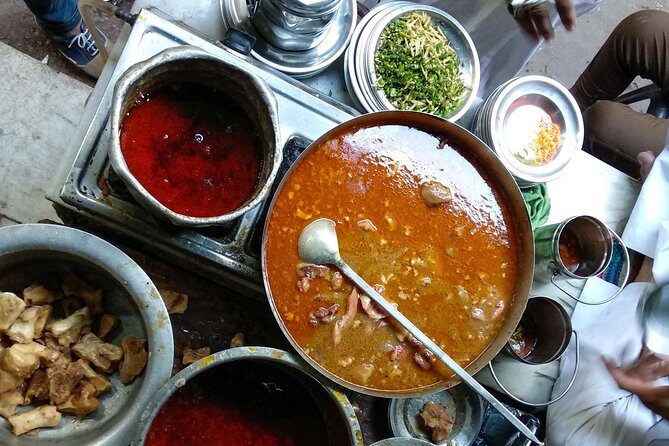
- Braj food at 170+ year-old joints plus a short look at Satvik cooking (no onion/ginger/garlic)
- A 16th-century market snack stop where you can learn how spices shape local favorites
- Silk-route lanes on a 16th-century shopping street, paired with pakoda/falafel and indigenous sweets
- Three-generation soda shops serving refreshing drinks with a continuing spice story
- Live flute at a 17th-century pathway, tying culinary art to Mughal-era culture
- Mughlai flavor stops including a famous mutton stew and talk about Akbar’s kitchen and feast culture
Spice-Scented Agra at 4 pm: what the tour is really like
Agra at late afternoon has a way of waking up your nose. The second you start moving through the old lanes, aromas from spice shops and food counters start doing their own guiding. This tour leans hard into that sensory part, then turns it into a simple story you can follow as you walk.
You’ll taste your way across multiple food types: Braj snacks, Mughlai meat dishes, and sweet-and-drink stops that show how flavors got layered over time. It’s not one long restaurant meal. It’s lots of small bites, across different corners of the city, which makes it feel more like street life than a single attraction.
The 4:00 pm start is smart. It gives you time to handle other Agra sights in the day, then focus on food when the streets feel alive. The tour lasts about 3 hours, so it’s also easy to plug into a busy itinerary without turning your whole day into a food marathon.
You can also read our reviews of more food & drink experiences in Agra

Meet Kaleem and Tahir: storytelling that makes the streets click
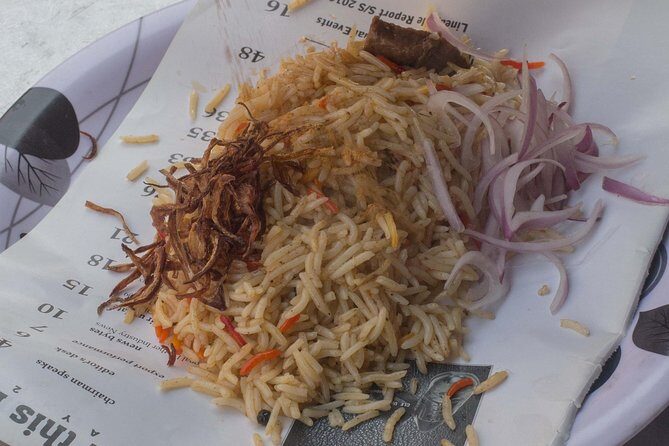
Two guide names come up again and again—Kaleem and Tahir. That matters because this kind of tour lives or dies by the person talking as you walk. Here, the guides don’t just list dishes. They connect spice use, shop age, and food style to how Agra became what it is today.
I like that the tone stays human. You’re not stuck with a lecture voice while trying to eat in a narrow lane. The best moments are the ones where the guide shifts between practical food talk (what’s used, why it tastes like that) and lighter cultural notes that help you understand what you’re seeing.
One review detail that really fits the vibe: the storytelling can include poetry-style history. That’s a fun way to remember dates and locations without it feeling forced. If you enjoy tours where you can ask questions and keep moving, this format works well.
Rawatpada spice shops and Satvik tasting: learning flavor without onion and garlic
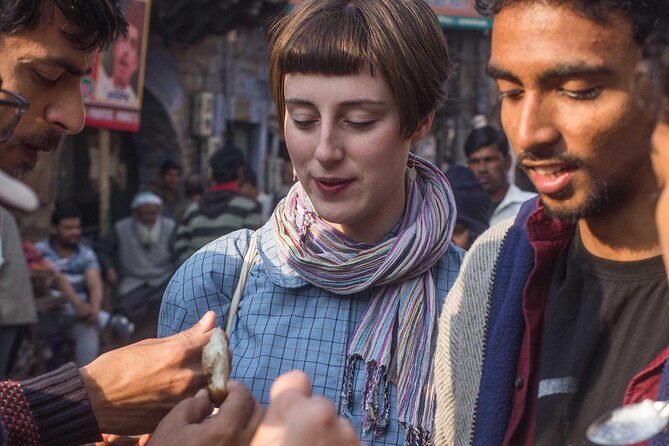
One of the early draws is the stop at century-old spice shops in Rawatpada. Even if you don’t buy anything, it’s worth it for the smells and the explanations of how spices get used locally. Agra spice culture isn’t abstract here. It shows up in the food you’ll be eating within minutes.
You’ll also learn about Satvik (the style that avoids onion and ginger/garlic) and taste something made in that approach. That’s a practical food lesson. It helps you notice how flavor can still be deep without those staples—and it gives your brain a different way to read the taste you’re getting.
This is a good stop if you’re the type who likes to understand the “why” behind cooking. It’s also a helpful context stop before you move into heavier Mughlai flavors later on, because you start recognizing how spices shift with cuisine style.
The 16th-century market and silk-route lanes: pakoda, falafel, and sweets
Next comes the area around a 16th-century market, including a stop at what’s described as the oldest snack food shop in that 16th-century market. The focus stays on spices and how they show up in local cuisine, which keeps the tour from becoming a simple snack crawl.
Then you walk the 16th-century shopping street that once mattered to the silk route. The silk-route angle isn’t just trivia. It’s the setup for why flavors and cooking styles can look mixed—especially when you try foods like pakoda and falafel in the same stretch of cultural context.
You’ll also sample indigenous sweets at generation-old shops. That’s where the tour becomes more than “savory food only.” Sweets in Agra aren’t just dessert; they’re part of the local palate and a clue to how tastes have changed through contact between communities over time.
If you’re hoping to see Agra beyond the postcard highlights, this is where the tour delivers. You get street texture: tight lanes, shop fronts that feel built for routine, and food that looks like it belongs to the neighborhood.
Three-generation soda shops: the drink stop that keeps the spice story going
Food tours can get one-note if every stop just feeds you more of the same. Here, you get a reset: visits to three generation-old soda shops, where you try refreshing drinks tied to the spice narrative.
Even though soda sounds like a break from spices, it’s not treated like a random pause. The goal is continuity—how flavors stay consistent across sweet and savory, hot and cold, and how generations keep popular recipes alive (then tweak them a bit as tastes change).
This is a smart part of the route for the practical traveler. You’re walking and eating for a few hours. A chilled drink helps you keep going, and it prevents the “too much rich food too fast” problem.
A few more Agra tours and experiences worth a look




Live flute on a 17th-century pathway: music linked to Mughal-era cuisine
At some point, the tour shifts from food talk to music—there’s a live flute performance at a 17th-century pathway. This is more than entertainment in the middle of your snacks. It’s tied to a discussion of how culinary art flourished during the Mughal era.
If you like cultural atmosphere, this is one of the memorable moments. You’re surrounded by old-city energy, then you get a sensory layer that fits the time period the guide is talking about. It also gives you a visual pause—something you don’t always get when a food tour is just eating, walking, eating.
And it’s not random. The tour keeps returning to how Mughal influence shaped feast culture and cooking practices. The music stop helps those ideas feel less like facts on a page.
Mughlai mutton stew and Akbar’s feast culture: where flavor rules meet power
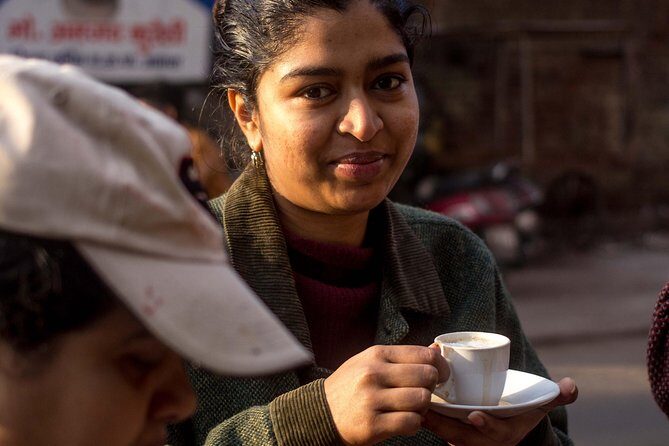
Later in the walk, you’ll taste Mughlai-style food, including the famous mutton stew at Pakiza Meat Shop. This is where Agra’s reputation for rich, spiced meat dishes makes sense. The flavors are bolder, and the spice profile tends to feel deeper and slower-moving than the lighter snack bites you had earlier.
You’ll also visit a local meat shop and learn about Akbar’s kitchen Ministry and the importance of feast culture in Mughal tradition. That explanation matters because it reframes what you’re eating. It’s not just comfort food. It’s a tradition tied to how courts organized cooking, variety, and large-scale hospitality.
One practical note: because the tour includes non-veg, don’t assume you’ll only be offered vegetarian-friendly options. The tour does include Satvik (no onion/ginger/garlic) as part of the experience, but the route still reaches meat-focused stops. If you have dietary limits, tell the guide right away so they can guide you toward the best-fit tastings.
Lassi finish: why the last drink matters
A tour like this ends the right way: with freshly made lassi. That closing sip works because it balances what came before. After spice-forward snacks and richer Mughlai bites, lassi gives your palate room to breathe.
It’s also a nice final “spice story beat.” Milk-based drinks are part of how many South Asian cuisines manage heat, spice intensity, and digestion. You’re not ending with a generic dessert. You’re ending with a drink that feels like it belongs to the food culture you just toured.
Price and logistics: does $41.70 feel worth it?
At $41.70 per person for about 3 hours, the value comes from two things: you get multiple tastings and you get guided context that helps you understand what you’re tasting. This isn’t just a few snacks handed to you in a row. It’s shop-hopping across older neighborhood markets, plus a cultural stop with live flute.
The tour is private (only your group participates), which is a big deal if you want to ask questions or move at your group’s pace. You’ll also get a mobile ticket, which is convenient in a city where you’ll likely be relying on walking and local transport rather than timed reservations.
One more practical point: it has a moderate physical fitness requirement. You’re walking through narrow lanes and busy market areas. If you’ve got sensitive feet or mobility limits, that’s the part to think about first—not the food.
Who should book this food-and-spice tour?
Book this if you want Agra that isn’t only about major monuments. You’ll get street-level food, shop age, and spice logic tied to how the city’s cuisine formed over time.
It’s also a strong pick for food lovers who like history that’s actually connected to meals. If you enjoy tours where the guide explains not just what you eat, but why it tastes that way, you’ll probably have a great time here.
If you’re very strict vegetarian or you can’t eat meat at all, this one might be mixed for you because the route includes Mughlai non-veg stops. Still, the presence of Satvik (no onion/ginger/garlic) means you may find options—just go in with clear expectations and communicate dietary needs early.
Should you book Story of Spices in Agra?
Yes—if you care about food culture and you like walking tours with real local shop stops. The guide-led storytelling from Kaleem and Tahir adds meaning to the tastings, and the mix of Braj food, silk-route lanes, drink stops, live flute, and Mughlai bites gives you a full picture of how spice shapes daily life in Agra.
Skip it or tread carefully if you hate walking, struggle with crowded narrow streets, or require a strictly vegetarian/non-meat route. But for most visitors who want more than Taj photos, this is an easy-value way to see the old city through your stomach and your mind.
FAQ
FAQ
How long is Story of Spices—A Food Tour of Agra?
It runs for about 3 hours.
What time does the tour start?
The start time is 4:00 pm.
Where do we meet for the tour?
The meeting point is listed in Agra around Subash Bazar, Kinari Bazar, Hing ki Mandi, and Mantola (Uttar Pradesh 282003). It ends back at the meeting point.
How much does the tour cost?
The price is $41.70 per person.
Is this a private tour?
Yes. It’s private, meaning only your group participates.
Do I get a mobile ticket?
Yes, the tour includes a mobile ticket.
Is the tour suitable if I have limited fitness?
The tour requires moderate physical fitness level, so it’s best if you’re comfortable walking through the old city lanes.
Is Satvik food included?
Yes. You’ll learn briefly about Satvik food and its recipe, and you’ll taste Satvik (without onion/ginger/garlic).
What happens if the weather is bad?
This experience requires good weather. If it’s canceled due to poor weather, you’ll be offered a different date or a full refund.
What if there aren’t enough travelers booked?
The tour requires a minimum number of travelers. If it’s canceled because that minimum isn’t met, you’ll be offered a different date/experience or a full refund.