REVIEW · AGRA
Agra Heritage & Cultural Walk
Book on Viator →Operated by TOP TRAVEL AND TOURS PVT LTD. · Bookable on Viator
Agra can feel like a whirlwind. This Heritage & Cultural Walk turns that blur into a clear route through Mughal landmarks, old bazaar life, and everyday flavors. I like that it’s guided start-to-finish, and you get an efficient mix of landmarks plus local stops like Chimmanlal Poori Wale. One thing to keep in mind: several stops are markets and specialty shops, so if you want maximum time at just the big-ticket sights, you’ll want to manage expectations.
What really makes it work is the flow—short segments, lots of context, and easy transport between areas. I also like the built-in photo option at the end with the Taj view setup, plus included water and a food tasting so you don’t spend your time hunting snacks on your own. The main consideration is that monument entrance fees are not included, and the Taj portion here is described as a view point rather than guaranteed entry.
In This Review
- Key things I’d circle before you go
- Why This Agra Walk Works: Mughal Landmarks + Real Street Life
- Price and What You’re Really Paying for at $89
- Timing in Agra: Summer Evenings vs Winter Evenings
- Getting Started at Agra Fort Railway Station: Architecture You Notice Fast
- Shahi Jama Masjid by Electric Rickshaw: Shah Jahan’s Family Dedication
- Chimmanlal Poori Wale: Why This 180-Year-Old Shop Is a Stop, Not a Random Snack
- Betel Leaf and Paan Traditions: A Little Ritual Economics
- Shiva and Radha Mohan Temples: Small Time, Big Symbolism
- Rawatpara Spice Market: Mughal-Era Trade Logistics in Real Life
- Lohar Gali for Bangles: What a Shopping Street Looks Like After You Know the Context
- Gyarah Sidi: Humayun’s Observatory Remains and the “Eleven Steps” Detail
- Taj View Point at the End: Photos Without the Confusion
- About Guides and Service: What Good Looks Like in Practice
- Who Should Book This (and Who Should Skip It)
- Should You Book the Agra Heritage & Cultural Walk?
- FAQ
- FAQ
- How long is the Agra Heritage & Cultural Walk?
- What is included in the price?
- Are monument entrance fees included?
- Do you offer pickup from hotels in Agra?
- What time does the tour run in summer and winter?
- Is this a private tour?
- Can I cancel for a full refund?
Key things I’d circle before you go

- Electric rickshaw routing that helps you cover the old bazaar without fighting traffic
- Mughal-era story stops like Shahi Jama Masjid and Humayun’s observatory remains at Gyarah Sidi
- Food you can taste, not just look at, including the iconic Poori shop and street bites
- Market texture across paan/betel leaf traditions, spices, and bangles shopping streets
- Evening timing (summer 5–7 pm, winter 4–6 pm) that fits sightseeing comfort in Agra
Why This Agra Walk Works: Mughal Landmarks + Real Street Life

Agra isn’t only about one monument. It’s also about the neighborhoods, the trade, and the faith that keep moving even after the tourists go home. This walk is built to connect those dots quickly, so you don’t leave with only a postcard.
The balance here is practical. You spend time at major religious and historic sites, then you jump to everyday culture: where people eat, barter, buy spices, and chew paan. If you like understanding how a city functions, you’ll appreciate how the route links art, belief, and commerce.
You’ll also notice the stop pacing. Each part is short enough that you’re not stuck watching the same spot for hours, but long enough to get a sensible explanation and a look around. That helps a lot if your itinerary is crowded and you’re trying to avoid “I saw it, but I don’t know what it was” syndrome.
You can also read our reviews of more walking tours in Agra


Price and What You’re Really Paying for at $89
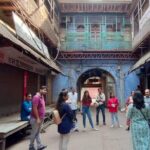
At $89 per person for about 3 hours, this is not a bargain-basement deal—but it also isn’t trying to charge like a luxury private guide and driver package with long distances. The value comes from what’s included: a guide, pickup and drop within Agra city hotels, electric rickshaw transport, food tasting, two 500 ml mineral waters, and all applicable taxes.
That matters because Agra’s “how do I get there?” problem can eat time. When transport and guidance are handled, you can focus on what you came for: the story behind the sights. Also, the walk is private for your group, not mixed with strangers, so the rhythm stays calmer.
The one cost reality to plan for is entrances. The tour notes that monument entrance fees (if any) are not included. So even if the route looks like it’s built around big names, you should expect to pay if a specific site charges at entry. If you’re budgeting tightly, you’ll want to confirm which parts require tickets on the day you go.
Timing in Agra: Summer Evenings vs Winter Evenings
The schedule is set for comfortable viewing windows. In summer, the walk runs 5–7 pm. In winter, it runs 4–6 pm.
I like this because it avoids the peak midday heat that can turn “quick walk” into “long sweat.” The earlier start in winter also helps because daylight fades faster. If you’re sensitive to sun and heat, evening timing is the difference between enjoying the details and rushing through them.
Bring simple street-walking gear: comfortable shoes, lightweight layers, and a small patience buffer for bazaar crowds. Even with electric rickshaws and a guide, you’re moving through old market lanes.
Getting Started at Agra Fort Railway Station: Architecture You Notice Fast
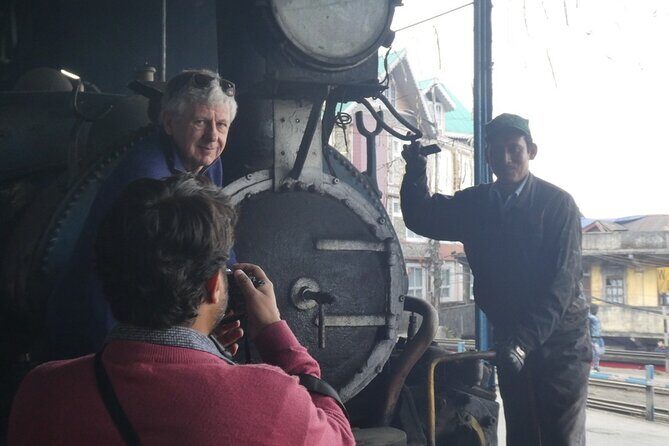
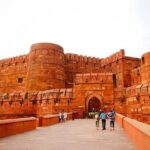
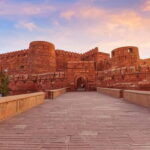
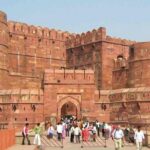
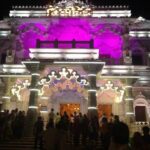
The experience kicks off at Agra Fort Railway Station, described as one of the busiest and among the first electrified stations in India. Even if you’re not a train person, this stop works because the station façade is visually distinct—red and white with arches and domes showing Mughal influence.
I like the way this sets context before you go deeper. You get placed inside the city’s design language early, so later stops feel connected rather than random. Plus, the station is a real-life meeting point, which makes the overall vibe feel grounded.
You’ll spend about 20 minutes here, with the admission ticket listed as free. That makes it low-stress. You’re not paying to learn the first piece, and the guide has time to frame the big themes.
Shahi Jama Masjid by Electric Rickshaw: Shah Jahan’s Family Dedication
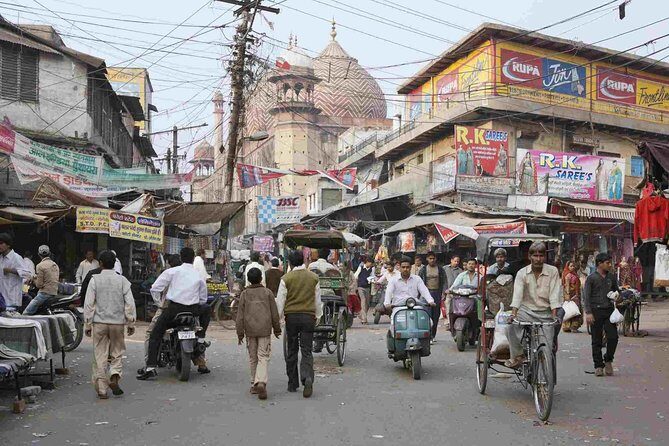
From the parking lot near the fort area, you board electric rickshaws toward old Agra bazaar. The first major religious stop is Shahi Jama Masjid.
This mosque is tied to Mughal power and family history: it was built by Emperor Shah Jahan as a dedication to his daughter Jahanara Begum. That detail gives the visit meaning beyond the building itself. You’re not just looking at architecture; you’re seeing how rulers left personal markers in stone.
You also get about 20 minutes. Admission is noted as not included, so treat this as a possible extra cost depending on entry rules that day. If you prefer to budget tightly, plan for that possibility and keep some rupees handy.
Practical tip: dress respectfully at mosques (shoulders and legs covered). The guide can help you know what’s expected, but it’s smart to be ready.
You can also read our reviews of more historical tours in Agra




Chimmanlal Poori Wale: Why This 180-Year-Old Shop Is a Stop, Not a Random Snack
Then you hit a classic Agra food institution: Chimmanlal Poori Wale, a shop said to be 180 years old and run by the sixth generation of the same family. It’s presented as a favorite for people coming out of the Agra fort railway station, which tells you it’s not a tourist-only place.
This is one of the best parts of the walk if you care about everyday culture. Markets around major monuments can sometimes feel staged, but an old family-run food stop tends to reflect long-term local demand.
You’ll have about 20 minutes, and the admission ticket is listed as free. Food tasting is included in your package overall, so even if you’re not sure what you’ll try, you’re set up for at least one real bite rather than just window-shopping.
If you’re cautious with spicy food, tell your guide early. You can still enjoy the place without suffering.
Betel Leaf and Paan Traditions: A Little Ritual Economics
Next comes a betel leaf stop connected to paan, a preparation combining betel leaf with areca nut. The tour notes it’s chewed for stimulating and psychoactive effects. You’ll also learn that old Agra bazaar is famous for paan leaf auction dating back to Mughal times.
This is the kind of cultural detail that’s easy to miss if you only focus on monuments. Paan isn’t just a snack; it ties into social rituals, hospitality, and local trade patterns.
You’ll get around 20 minutes here, and it’s listed as free. If you’re curious, ask your guide how paan fits into daily life, not just why tourists hear about it. That’s where the explanation gets useful.
The “watch an auction tradition” idea can sound like a theater show, but the real value is the context: you learn how money, tradition, and flavor move together in the bazaar.
Shiva and Radha Mohan Temples: Small Time, Big Symbolism
The tour brings you into two temple experiences that focus on different devotional details.
First is Shri Mankameshwar Mandir, described as one of the most ancient temples devoted to Lord Shiva. The shivlinga is covered with silver metal, and the tour also describes the shivlinga as founded by Lord Shiva himself. The site is said to light 21 akhand jyoti each day.
Then you visit the Radha Mohan Temple, known for a musician’s balcony and an ornate carved look. It’s built by Mohan lal in 1880, which is the sort of timeline detail you’ll appreciate when you’re thinking historically, not just aesthetically.
Both temple stops are about 20 minutes each. Admission is not included for one of them (Mankameshwar is listed as not included), while the other’s admission is listed as free. That uneven ticketing is another budgeting note.
A tip for temple visits: keep your pace respectful. People come here with routines and prayers, and it helps your experience (and your photos) to avoid blocking paths. Your guide can steer you toward good angles without being intrusive.
Rawatpara Spice Market: Mughal-Era Trade Logistics in Real Life
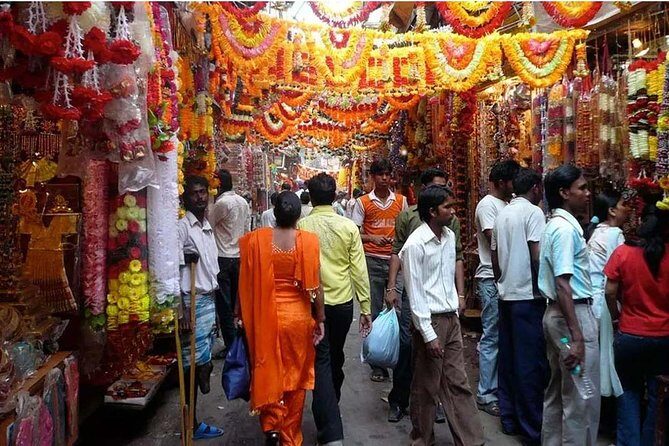
Next you step into Rawatpara spice market, described as 400 years old, set up by Mughal emperors to meet the spice needs of the fort.
This is a rare chance to see how imperial power worked through supply chains. You’re not just looking at spices; you’re looking at infrastructure—how a great court got the flavors it needed.
The stop is about 20 minutes, and admission is listed as free. That makes it easy to enjoy the sights without worrying about costs. Even if you don’t buy anything, it’s a strong learning stop because spices here aren’t generic. The guide can explain how spices were tied to daily cooking and to the fort’s broader needs.
Lohar Gali for Bangles: What a Shopping Street Looks Like After You Know the Context
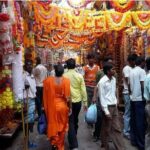
After the spice stop, you head to Lohar Gali, a busy street known for vendors selling many items, but especially bangles. This is where the tour leans into everyday commerce.
One practical reason I like this segment: by the time you reach the markets, you already have context from earlier stops. So shopping streets stop feeling like random detours. You understand this is part of how Agra’s old city economy kept working alongside its monuments.
The walk portion ends around here. From Lohar Gali, you return toward the parking lot by electric rickshaws. This structure matters because it prevents the tour from turning into a long walk with no breaks, especially if you’re traveling in peak foot-traffic areas.
Gyarah Sidi: Humayun’s Observatory Remains and the “Eleven Steps” Detail
After getting back to the parking area, you shift gears: you move by car to Gyarah Sidi, literally eleven steps. Here you’ll see remains of the astrological observatory of Mughal emperor Humayun.
I like that the tour doesn’t only stick to Mughal “showpiece” buildings. An observatory connects power, science, and astronomy in a way that makes the Mughal story feel bigger than monuments.
This part runs about 20 minutes and admission is not included. Even if entry costs apply, it tends to be worth it for the conceptual payoff: you see how leaders watched the sky as they governed the earth.
Taj View Point at the End: Photos Without the Confusion
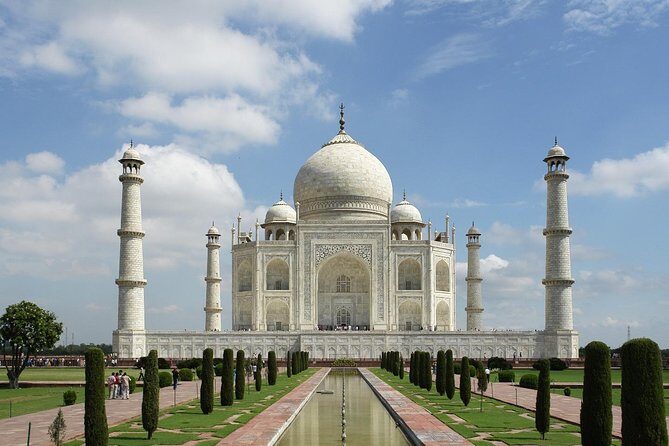
You wrap up at Taj view point, described as one of the best vantage points in the city to view and photograph the Taj Mahal.
This is a smart ending because it gives you a final moment where you can actually absorb what you’ve been learning. By now you’ve seen Mughal religious structures, trade systems, and royal-era street life. Seeing the Taj from a viewpoint lands differently—it feels like the “big finale,” not just the first thing you heard about.
Important expectation-setting: the tour’s Taj part is listed as ending at a view point, and entrance fees are noted as not included here. So if you’re dreaming of walking inside the Taj complex, you may need a separate ticket or add-on beyond what this walk provides.
Still, a great viewpoint can be enough if your goals are photos, scale, and a calm mental reset before you head back.
About Guides and Service: What Good Looks Like in Practice
The biggest theme in the feedback around this kind of Agra experience is usually simple: organization and explanations that actually help. In the notes you provided, guide names like Lalit and Anuj come up as well-organized, clear, and stress-reducing. Another guide, 瑞達 (Ruidɑ), is called out for professional history introductions—exactly what you want when your time is short.
What I take from that, for your planning, is to treat the guide as your secret weapon. If you want better photos, ask where to stand and when. If you want deeper context, ask one extra follow-up question at each major stop. A good guide will adjust on the fly.
Also, the tour includes pickup and drop for Agra city hotels only. So if you’re staying outside the covered zone, there may be an added charge payable directly. That can affect your “value math,” so factor it in when you compare options.
Who Should Book This (and Who Should Skip It)
This walk is best for you if:
- you want a guided orientation to Agra beyond the Taj
- you enjoy food stops and market culture like spices, paan traditions, and bangles
- you’re short on time and want a structured route (about 3 hours)
You might think twice if:
- your top priority is only the Taj Mahal interior (this experience ends at a view point)
- you strongly dislike market/shop segments and prefer fewer stops
- you want strictly “monument time” and minimal shopping streets
The market-heavy parts aren’t a flaw—they’re the point. But it’s fair to know that up front.
Should You Book the Agra Heritage & Cultural Walk?
If your goal is to understand Agra as a living city, not just a single attraction, I think this is a good choice. For $89, you’re getting more than transport—you’re getting a guided thread tying Mughal sites to the bazaars that still shape daily life. The ending Taj view point is a helpful finale, especially with evening timing.
My final advice: go in with the right mindset. Treat the markets and specialties as part of the cultural story, not interruptions. If you do that, you’ll leave with clearer context, better photos, and a stronger sense of place than you’d get from a rushed sightseeing checklist.
FAQ
FAQ
How long is the Agra Heritage & Cultural Walk?
The tour lasts about 3 hours.
What is included in the price?
Pickup and drop for Agra city hotels, a guide throughout, two mineral water bottles (500 ml) per person, an electric rickshaw ride, food tasting, and all applicable taxes.
Are monument entrance fees included?
No. Entrance fees of monuments (if any) are not included.
Do you offer pickup from hotels in Agra?
Yes. Pickup and drop are offered from Agra city hotels only. Pickup from outside city hotels / airport / railway station can have an additional charge payable directly.
What time does the tour run in summer and winter?
Summer timings are 5–7 pm, and winter timings are 4–6 pm.
Is this a private tour?
Yes. It’s listed as private, and only your group participates.
Can I cancel for a full refund?
Yes. You can cancel up to 24 hours in advance for a full refund. If you cancel less than 24 hours before the start time, the amount paid will not be refunded.