REVIEW · AGRA
Agra Evening Food Walk & Market Tour with Private Local Guide
Book on Viator →Operated by J2S Tour & Travels · Bookable on Viator
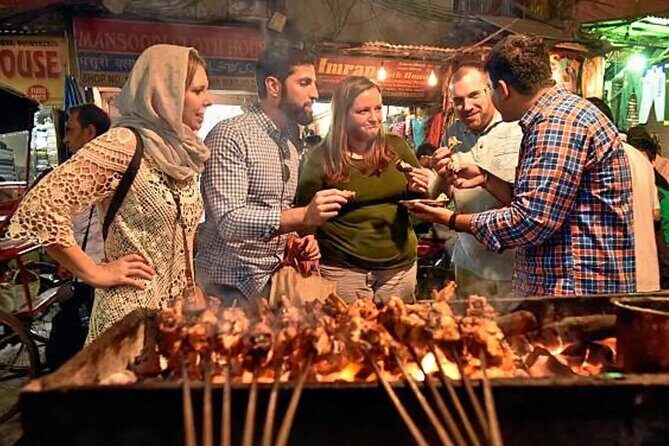
Agra at night is a different city. This Agra Evening Food Walk & Market Tour mixes street eating with a little Mughal-and-temple context, so you’re not just grazing—you’re learning as you go. I especially like that you get 7 popular snacks/dishes plus bottled water, all with an English-speaking local guide. I also like the tight time plan: about four hours, small group size (up to 15), and stops that don’t drag. One thing to consider: you’ll be on your feet and eating lots of small portions, so come with room in your stomach and your shoes game.
You’ll start near Chaat Gali in Sadar Bazar, where Agra’s night food energy is real. From there, the tour threads through key sights like Jama Masjid and the Shri Mankameshwar Mandir, then finishes back around the market area. The big payoff is not only the food, but how the guide explains what you’re seeing and eating. A possible drawback: it’s a food-first tour, so if you’re hoping for long, slow sightseeing at major monuments, this isn’t that kind of night plan.
In This Review
- Key Things I’d Focus On Before You Go
- How This Evening Food Tour Actually Works
- Starting at Chaat Gali and Sadar Bazaar (Where the Night Begins)
- The 3-Hour Food Tasting Block: 7 Snacks That Give You a Real Spread
- Jama Masjid: A Quick Cultural Reset Midway Through Eating
- Shri Mankameshwar Mandir: Lord Shiva and an Old-World Feel
- Sadar Bazaar Market Time: Shopping That Fits the Night Tour
- Price and Value: When $50 Makes Sense
- The Guide Matters More Than You Think (English, Timing, and Friendly Help)
- What to Wear, Bring, and Plan for
- Who This Tour Is Best For
- Should You Book This Agra Evening Food Walk?
- FAQ
- What is the price for the Agra Evening Food Walk & Market Tour?
- How long is the tour?
- What is included in the tour price?
- Are tips included?
- How many stops are on the route?
- Is admission required at the cultural stops?
- Where does the tour start and end?
- How big are the groups?
- Is the guide English speaking?
- What does the cancellation policy look like?
- Is the tour near public transportation?
Key Things I’d Focus On Before You Go
- 7 included snacks/dishes: you’re paying for tasting, not just walking.
- English-speaking private local guide: questions are easy, and timing stays smooth.
- Jama Masjid and Mankameshwar Temple stops: you’ll get cultural context without losing the food rhythm.
- Sadar Bazaar market time: good chance to browse for fabrics, souvenirs, and leather goods.
- Small group size (max 15): more personal than big-group food tours.
- Bottled water included: helpful when you’re sampling multiple items.
How This Evening Food Tour Actually Works
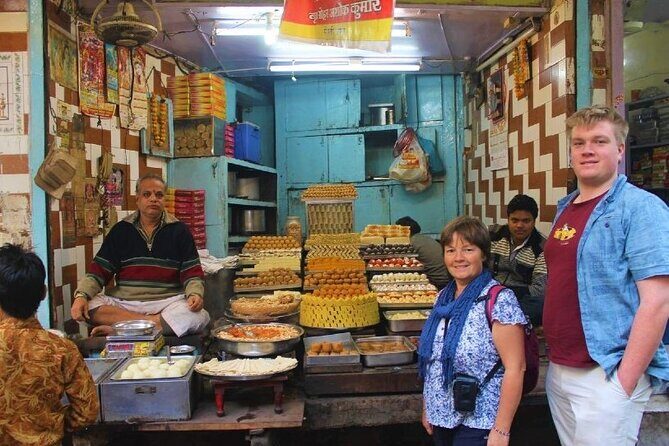
This is built as a simple, efficient night circuit. You’re out for about 4 hours, and the core of the experience is the food tasting block—7 popular snacks/dishes/delicacies—with bottled water included. The guide keeps the pacing realistic: eat, walk, explain, repeat.
You also get a guided “why” behind what you’re doing. The tour includes stops at places like Jama Masjid and the Shri Mankameshwar Mandir, both of which anchor the night with Mughal-era and Hindu-temple context. That matters because Agra food isn’t random street flavor. It’s tied to places, routines, and local food traditions that survive generation to generation.
Finally, the market angle is practical. Sadar Bazaar is not just for photos. It’s where you can actually shop—fabrics, souvenirs, and leather items like bags, belts, and shoes. If you’re already in Agra for the classics, this is the night plan that makes the rest of the trip feel more complete.
You can also read our reviews of more walking tours in Agra

Starting at Chaat Gali and Sadar Bazaar (Where the Night Begins)
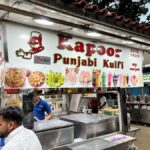
You’ll meet at/near Chaat Gali, Sadar Bazar, Agra Cantt, Idgah Colony and get your bearings fast. This area is known for the kind of food street energy that makes you understand why Agra has a strong food culture. The tour begins in the right place: close to where people go for quick bites, full flavors, and late-evening snacks.
What I like about this setup is how it lowers friction. You’re not hunting around for the “best chaat.” You’re stepping into a planned food route with an English-speaking guide. That means you can focus on eating and asking questions, not figuring out logistics in the dark.
Also, because the tour loops back to the meeting point at the end, you’re not stuck far from where you started. It’s a small detail, but it’s a real comfort when you’re trying to pack in a night plan after daytime sightseeing.
The 3-Hour Food Tasting Block: 7 Snacks That Give You a Real Spread
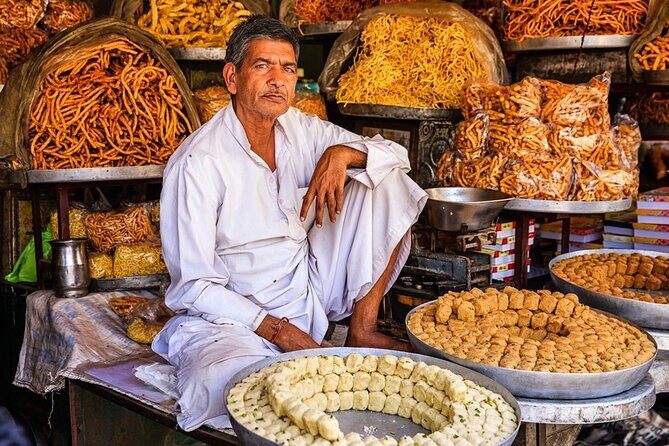
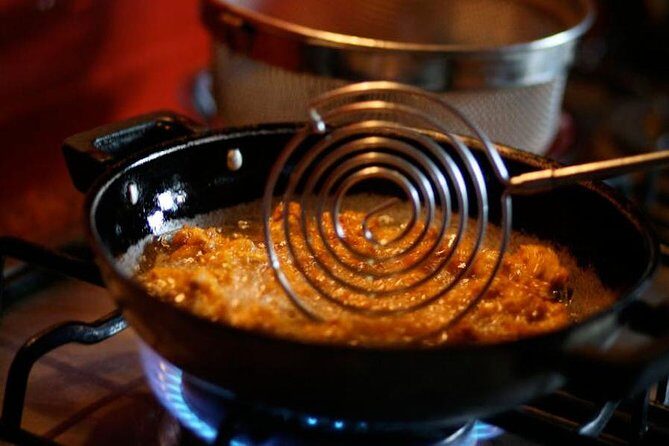
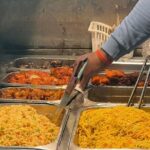
The heart of the tour is about 3 hours of food tasting in Agra’s street-food zone. You’re not just sampling one thing you might already know. You’re getting 7 included snacks/dishes/delicacies, which is the sweet spot for building a sense of Agra’s flavors without overloading you with one repetitive item.
Even without listing every exact dish here, you can plan your expectations:
- You’ll likely try a mix of hot and cold street foods.
- You’ll get different textures—crispy, saucy, and something sweet in the mix.
- You’ll be eating in small portions, so the tour stays moving.
This is where your guide earns their fee. A good local guide helps you understand the difference between something that’s popular because it’s tourist-friendly and something that’s popular because locals actually line up for it. In the reviews, the guide is praised for being friendly, efficient, and good with timing—which matters when you’re trying multiple places and don’t want long waits.
My practical tip: go in hungry, but don’t eat a huge heavy dinner beforehand. You want your appetite for the included tastings, and you want to enjoy the walk instead of feeling weighed down.
Jama Masjid: A Quick Cultural Reset Midway Through Eating
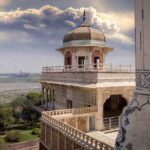
After the main tasting portion, you’ll spend about 30 minutes at Jama Masjid, a 17th-century congregational mosque in Agra’s historic core. Built by Jahanara Begum, the Mughal “Padshah Begum,” it’s tied to the Mughal world in a way that feels tangible when you’re standing there.
This stop works well inside a food tour because it’s not long and it’s not abstract. It’s a reset. You’ve been focused on flavor, sound, and street life. Then you pause in a major landmark space and let the guide connect the dots between place, empire-era culture, and everyday life.
What to watch for during a short stop like this:
- Keep your pace respectful—congregational mosques are active places.
- Listen to the guide’s quick context so you don’t just pass through.
- Use the break to orient yourself for the next market segment.
Admission is listed as free for the included ticketed parts, so you’re not paying extra to learn something meaningful in between bites.
Shri Mankameshwar Mandir: Lord Shiva and an Old-World Feel
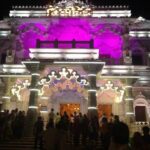
Next comes Shri Mankameshwar Mandir, another 30-minute stop. This is a temple devoted to Lord Shiva, located at Rawatpara near Agra Fort Railway Station. It’s an “anchor” stop that adds depth to the evening: you get one Mughal landmark, then a Hindu temple environment, both within short walking windows.
Why this matters on a food tour: religion and food are not separate worlds in places like Agra. Temples and community life shape daily rhythms, festivals, and what people eat and when. Even if the stop is brief, you’re not only tasting—you’re seeing the social fabric around the food.
A practical note: temple visits can involve rules around dress and behavior. The tour is designed to be manageable (30 minutes), so you don’t need to plan a full sightseeing day around it—but you should still dress appropriately and follow any on-site instructions.
You can also read our reviews of more food & drink experiences in Agra



Sadar Bazaar Market Time: Shopping That Fits the Night Tour
You’ll end up with about 50 minutes at Sadar Bazaar, described as a major shopping district in a leafy area. This is where the tour shifts from eating and sights to browsing.
Expect a mix of:
- Fabrics and traditional goods
- Souvenirs
- Leather items like bags, belts, and shoes
This portion is useful even if you don’t plan to buy much. Browsing in Sadar Bazaar gives you context for what locals value and what keeps commerce going in Agra’s older districts. And since the tour is already moving you through the area, you avoid the common problem of trying to shop while also trying to find somewhere to eat.
If you do shop, keep expectations realistic. Street markets are often where deals happen, but prices vary by stall and negotiation style. Go in with patience. Ask questions. And remember: you’re on a time-based tour, so don’t get stuck in one shop for too long.
Price and Value: When $50 Makes Sense
At $50 per person, this sounds like a “food tour” price—and in many places that’s true. But here’s why it can feel like good value.
You’re getting:
- 7 included snacks/dishes
- Bottled water
- All fees and taxes
- English-speaking guide
- A private local guide format
- A small group size (max 15)
- A route that includes cultural stops at Jama Masjid and Shri Mankameshwar Mandir
- A mobile ticket
In other words, you’re not paying only for the walking. You’re paying for the tasting plan, the guide’s translation and context, and the structure that prevents you from wandering randomly into the wrong spots.
One thing to factor in: tips are not included. That’s common, but it does mean your true cost might be a bit higher depending on what you feel is fair for your guide.
The Guide Matters More Than You Think (English, Timing, and Friendly Help)
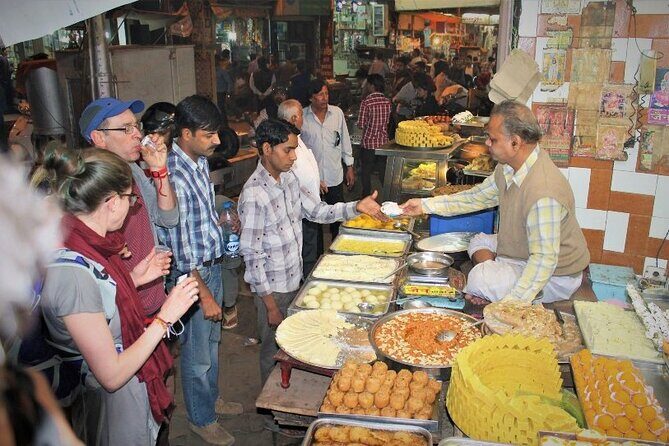
The tour includes an English Speaking Guide, and that’s a big deal for street food. Food is personal. You’ll want to ask:
- What is this made of?
- Is it spicy?
- What should I eat first or last?
- How is it different from similar items elsewhere?
In the feedback, the guide is praised for being friendly, efficient, and good at facilitating everything. One recurring detail: a guide named Happy is mentioned as meeting people near train arrival points and helping them make the day run smoothly. That kind of guidance is especially helpful if you’re connecting from daytime plans or arriving by train and trying to hit the evening market window.
If you like having someone help you get your bearings fast, this style of guiding is a win.
What to Wear, Bring, and Plan for
This is an evening walking food experience, so plan for your body as much as your appetite.
- Wear comfortable shoes. You’ll be walking through crowded areas and stopping at multiple locations.
- Go with a light bag. You’re likely browsing in Sadar Bazaar, and you don’t want heavy luggage.
- Use your appetite wisely. Since you’ll get 7 included tastings, you want to arrive hungry enough to enjoy them, not so full that you start skipping bites.
- Bring cash if you plan to shop. Payment methods aren’t stated here, but markets often work best with cash for small purchases.
And one last practical thought: since this is structured around a route, don’t plan other commitments right before the start time. If you’re late, you can easily miss part of the food sampling block.
Who This Tour Is Best For
This tour fits people who want Agra to feel like a living place, not just a photo checklist.
You’ll especially enjoy it if:
- You like street food and want a guided tasting plan rather than guessing.
- You want a mix of food plus quick cultural context.
- You appreciate an English-speaking guide who can explain what you’re eating and seeing.
- You want a night plan that works even if your day was already full.
It might be less ideal if you only want major monument sightseeing or you prefer long museum-style visits instead of multiple short stops plus eating.
Should You Book This Agra Evening Food Walk?
I’d book this if you want an evening that’s structured, tasty, and easy to manage. The included 7 snacks, bottled water, and English guidance make it a strong value for the time. And the route isn’t just food nonstop—it adds quick stops at Jama Masjid and Shri Mankameshwar Mandir, so you’ll leave with more than just full hands and a sweet tooth.
Skip it only if you dislike walking after dark or you’re not interested in market culture and street eating. If that’s you, you’ll probably prefer a more conventional sightseeing-focused evening.
FAQ
What is the price for the Agra Evening Food Walk & Market Tour?
It costs $50.00 per person.
How long is the tour?
The tour lasts about 4 hours (approx.).
What is included in the tour price?
You get snacks, 7 popular snacks/dishes/delicacies, bottled water, all fees and taxes, and an English-speaking guide.
Are tips included?
No. Tips are not included.
How many stops are on the route?
There are four listed stops: the food section in Agra, Jama Masjid, Shri Mankameshwar Mandir, and Sadar Bazaar.
Is admission required at the cultural stops?
Admission tickets are listed as free for the listed stops.
Where does the tour start and end?
It starts at Chaat Gali, Sadar Bazar, Agra Cantt, Idgah Colony, Agra, Uttar Pradesh 282001, India, and it ends back at the meeting point.
How big are the groups?
This tour has a maximum of 15 travelers.
Is the guide English speaking?
Yes, the tour includes an English Speaking Guide.
What does the cancellation policy look like?
You can cancel for a full refund if you cancel up to 24 hours before the experience start time.
Is the tour near public transportation?
Yes. It is listed as near public transportation.
If you want, tell me your travel dates and whether you’re arriving by train or already in central Agra—and I’ll suggest a simple way to pair this with your daytime plans.