REVIEW · NEW DELHI
6 Nights 7 Days Golden Triangle Tour Package Discover Taj Mahal
Book on Viator →Operated by Indian Travel Online · Bookable on Viator
Golden Triangle trips can feel like a speed run, and this one is planned to stay smooth. You’ll see Delhi, Agra, Jaipur and then head out to Ajmer and Pushkar, with private-vehicle transfers that reduce the usual hassle.
I especially like the private AC car for all road time, plus the fact that pickup and assistance are built in from the moment you land. The other big win is that the sightseeing days mix major monuments with a couple of hands-on stops, like the marble inlay workshop visit in Agra. One consideration: monument entrance fees and camera fees are not included, so you’ll want to budget a bit extra once you’re on the ground.
In This Review
- What’s the catch?
- Key highlights worth your attention
- FAQ
- What’s included in the $599.34 per person price?
- Are monument entrance and camera fees included?
- How many days is the tour and what locations are covered?
- How does pickup work in Delhi?
- Is this tour private?
- Where does the tour end?
- Is free cancellation available?
What’s the catch?
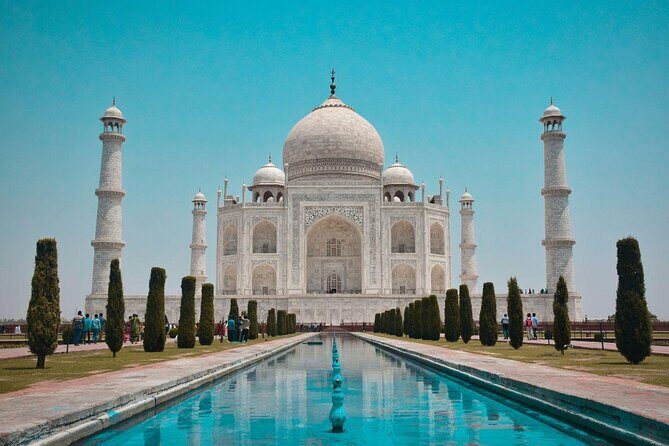
Your itinerary is packed, and the days in Delhi and Jaipur include many stop-and-walk locations, so comfortable shoes matter. Also, since it’s private for your group but not “fully guided inside every site,” you’ll still have to plan your own pacing at the busiest attractions, especially the Taj Mahal.
Key highlights worth your attention
- Private AC car transfers across Delhi, Agra, Jaipur, Ajmer and Pushkar, so you lose less time to logistics
- Taj Mahal + marble inlay visit, which adds a craft angle beyond photos
- Delhi’s landmark route hits Mughal-era icons and major memorials in one concentrated day
- Fatehpur Sikri and Buland Darwaza give you a real “wow gate” moment before Jaipur
- Ajmer and Pushkar at a slower spiritual pace, with Dargah, ghats, and Brahma’s temple as focal points
A “Golden Triangle” usually means Delhi–Agra–Jaipur in one loop. This package keeps that classic shape, then adds a worthwhile detour to Ajmer and Pushkar, which turns your trip from just forts and palaces into a more spiritual, local-feeling finish.
The practical value here is the structure: 6 nights in hotels (double sharing), 7 days total, and daily sightseeing tied to transfers by private car. Even if you’re not the type who loves tour buses, you’ll appreciate that the plan is designed to avoid repeated backtracking—especially once you leave Delhi.
You’re also not stuck juggling a dozen vendors. The package lists a 24-hour helpline and “assistance on arrival,” plus a welcome drink when you land. That combination matters when jet lag is real and you just want to get settled and moving.
At $599.34 per person for 6 nights and 7 days, the best way to judge this is by what’s included: accommodations on a double-sharing basis, sightseeing as scheduled, all transfers by private AC car, tolls/parking/fuel/driver allowances, and GST & government taxes. Breakfast is included for 6 days.
That’s not just a discount pitch. It’s how you reduce “surprise costs” during the trip. When your transport, driver time, and major sightseeing stops are already covered, your spending shifts to the stuff that matters most to you—like lunch and dinner, and monument entry/camera fees.
What’s not included is important: monument entrance and camera fees, plus personal expenses, and travel insurance and your air/train tickets. So think of this as a solid value for the core circuit, then plan a realistic extra budget for sites once you’re there.
On arrival, you get a meet-and-greet at Delhi airport or railway station and a transfer to your hotel. After check-in, the day ends with an overnight stay in Delhi.
Why I like this approach: it removes the first-day friction. Instead of spending your energy figuring out taxis, routes, and where to buy anything, you’re simply delivered to your hotel and can reset after travel.
A small tip: with a late arrival, you’ll likely be tired—so treat this first evening as recovery time. Save energy for the full sightseeing day that follows.
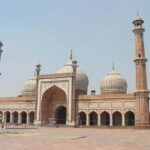
Your full-day Delhi sightseeing is a heavy-hitter route that includes Jama Masjid, the Red Fort, Raj Ghat, Humayun’s Tomb, the Lotus Temple (Bahai), and Qutub Minar. You also pass major government landmarks like Rashtrapati Bhawan and Parliament House, plus Jantar Mantar and India Gate.
Here’s the practical reality: this is a lot of ground, so you’ll want to think in “zones” rather than expecting a deep slow visit to everything. The upside is that you’ll get a strong sense of how Delhi layers different eras on top of each other—Mughal architecture, modern landmarks, and memorial spaces all in one day.
A balanced way to enjoy a day like this is to pick your focus:
- If you love architecture: lean into Qutub Minar, Humayun’s Tomb, and the grandeur of Jama Masjid
- If you love atmosphere: spend a little extra time with Raj Ghat and then let India Gate be your photo break
One consideration: places like Jama Masjid and Qutub Minar can be busy. Go with flexible expectations and keep water handy.
After breakfast, you drive to Agra. On the way, you stop at Sikandara, the mausoleum of Emperor Akbar, before continuing to your Agra hotel.
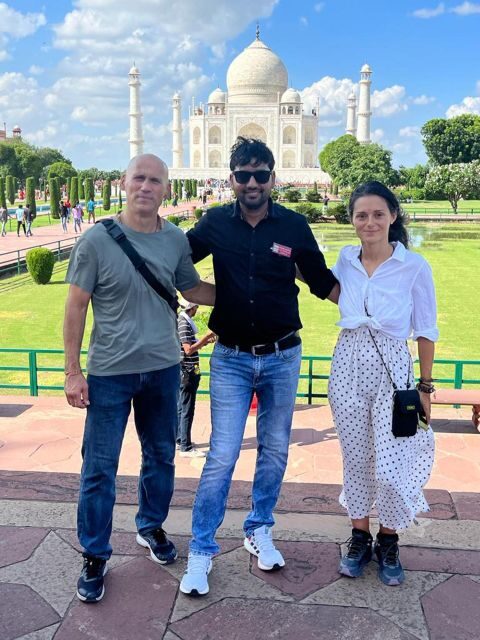
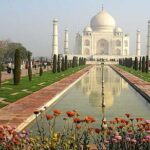
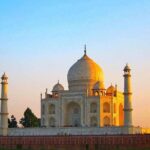
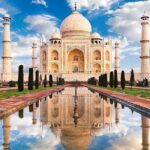
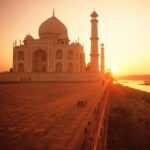
Then comes the main event: Taj Mahal. You’ll also visit a marble inlay making factory, which shows traditional workers producing intricate marble crafts.
Why this works well: the Taj Mahal is easy to understand as a monument, but the marble inlay visit helps you see the kind of skill that makes the Taj feel so delicate. It turns your Taj photo session from just a view into something with human effort behind it.
Agra can be warm and crowded, so start early in your mindset. The Taj Mahal experience is best when you’re patient—give yourself time to look, not just shoot.
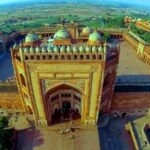
Day four starts with Agra Fort, then you transfer to Jaipur. En route, you visit Fatehpur Sikri, including the Buland Darwaza, described as the largest gateway in the world.
Then it’s on to Jaipur for check-in and an overnight stay.
Fatehpur Sikri is a great “break” from city-to-city travel because it feels like a whole world trapped in stone. And Buland Darwaza is one of those landmarks where your first reaction is usually size and scale—then you start noticing details.
On the Jaipur side, remember that Pink City vibes are partly about light. When the sun hits Jaipur’s older facades, the city looks more photographic than it does in a flat lighting situation. If your schedule allows, aim to do your outdoor photo stops with daylight in mind.
Your full day in Jaipur includes Amber Fort & Palace, a photo stop at Jal Mahal, City Palace & Museum, Jantar Mantar, and a photo stop at Hawa Mahal.
This is a day built around strong visuals. Amber Fort is the big fort experience—dramatic courtyards, walls, and views. City Palace and its museum angle help you shift from just fort-breathing to cultural context.
Jal Mahal is listed as a photo stop rather than a full walk-through, which is actually sensible. It’s a “see it, frame it, move on” moment. Same with Hawa Mahal: your value is in the exterior look and the quick viewpoints.
One practical tip: Jaipur is often sun-heavy. If you’re sensitive to heat, plan for short breaks and don’t try to win the day by standing in the brightest spot longer than you need.
After breakfast, you head out on an excursion to Ajmer and Pushkar. In Ajmer, you visit Ajmer-e-Sharief Dargah, Adhai-Din-Ka Jhonpara, and Ana Sagar Lake. Then you drive to Pushkar for temples, Ghats, and the holy Pushkar Lake, including the Temple of Lord Brahma, noted as the only temple in India dedicated to Brahma.
This day changes the trip’s tone. Delhi and Jaipur often feel like grand monuments and planned viewpoints. Ajmer and Pushkar feel more human-scale and spiritual, with a lot of movement around religious spaces and lakeside areas.
A consideration: religious sites can have dress expectations and crowds. The itinerary doesn’t specify dress rules, so plan to bring clothing that covers shoulders and knees, and keep your schedule flexible if you’re waiting for a clear moment to enter or photograph.
On the final morning, you check out from your Jaipur hotel and transfer to Delhi airport or railway station for your onward journey.
This is the classic ending: you don’t waste time driving back when you’d rather be sleeping. Keep your pickup window in mind and pack essentials the night before—because your last day is mostly transit.
The tour is built around private AC car transfers, with tolls, parking, fuel, and driver allowances handled. That matters more than people admit. With the Golden Triangle, driving times and traffic can turn an otherwise enjoyable day into a grumpy day.
Private transport usually means:
- fewer stops created by other groups
- more realistic timing for your photos
- less stress when you need to pause for water or restrooms
If you’ve seen this style of service before, you know drivers can make or break the experience. In the feedback patterns that show up for this operator, drivers named Manoj and Ranjit Singh are often described as careful and helpful, and Mr. Ajay Verma is named as a key contact for good communication. While you can’t guarantee exact names for your trip, it gives you a sense of the service style: friendly, safety-focused, and responsive.
Included highlights from the package:
- 6 nights accommodation (double sharing)
- Sightseeing as per schedule
- Private AC car transfers for all segments
- Breakfast (6) days
- Welcome drink, mobile ticket
- Toll taxes, parking fees, fuel, and driver allowances
- GST and government taxes
- 24-hour helpline and assistance on arrival
- No hidden cost (per the package terms)
Not included:
- Monument entrance and camera fees
- Lunch and dinner, drinks, laundry, and personal expenses
- Travel insurance and your air/train tickets
My advice: before you start, decide how you want to spend your day-to-day money. If you’re the type who likes guided-entry and you plan to take photos at paid sites, you’ll need an entry budget. If you’re okay with some quick exterior views, your extra spend might stay manageable.
A packed route doesn’t have to feel like a chore. Here’s how I’d handle it if you want the highlights without losing your sanity:
- Start with one priority per day. For example, Taj Mahal on day three, Amber Fort on day five, Brahma’s temple in Pushkar on day six.
- Use photo stops as breaks, not goals. Jal Mahal and Hawa Mahal are set as photo stops, so let them be quick wins.
- Plan for heat and crowds. Especially in Agra, Delhi, and Jaipur. Your schedule is fixed, so you adjust your pace, not the itinerary.
Also, pack light but pack smart: sunglasses, a hat, water bottle, and comfy walking shoes. You’ll do enough walking that poor footwear will annoy you by midday.
This tour fits best if you want:
- a classic Delhi–Agra–Jaipur experience
- private car comfort instead of shared transport
- enough time to add Ajmer and Pushkar without planning every detail yourself
- a predictable schedule with breakfast included
It might be less ideal if you’re the type who wants long, slow museum time or private guide attention inside every monument. This is built for movement and variety, so you’ll need to bring the right energy.
If you’re traveling as a couple, friends group, or family members who want clear logistics with flexibility, it’s a strong match. Also, because it says most travelers can participate and it’s near public transportation, it’s designed for broad use.
A few more New Delhi tours and experiences worth a look

FAQ
What’s included in the $599.34 per person price?
It includes 6 nights of accommodation on double-sharing basis, sightseeing as per the schedule, all transfers and excursions by private AC car, tolls/parking/fuel/driver allowances, GST and government taxes, a welcome drink, 24-hour helpline support, and breakfast for 6 days.
Are monument entrance and camera fees included?
No. Monument entrance and camera fees are not included in the package price.
How many days is the tour and what locations are covered?
It’s about 7 days (6 nights) and covers New Delhi, Agra, Jaipur, plus Ajmer and Pushkar.




How does pickup work in Delhi?
There’s a meet-and-greet on arrival at Delhi Railway Station or the airport, followed by a transfer to your hotel.
Is this tour private?
Yes. It’s listed as a private tour/activity, and only your group participates.
Where does the tour end?
It ends back at the meeting point, with the final transfer to Delhi railway station or airport after checking out in Jaipur.
Is free cancellation available?
Yes. You can cancel for a full refund up to 24 hours before the experience’s start time.
If you want the Golden Triangle plus Ajmer and Pushkar, with private AC car comfort, scheduled sightseeing, and breakfast included, this is a practical, good-value way to do it. The route gives you big icons like Taj Mahal and Amber Fort, then adds a more spiritual, lake-and-temple finish in Pushkar that most Delhi–Agra–Jaipur trips don’t include.
Book it if you prefer clear structure and fewer logistics headaches. Consider a different option if you’re chasing a slow, ultra-deep experience inside every monument, or if you’d rather control your transport day by day.