REVIEW · TRIVANDRUM
Private Kingdom of Gods Trail Walking Tour
Book on Viator →Operated by Storytrails India · Bookable on Viator
Sacred stories on a short walk. In Trivandrum, this private Kingdom of Gods trail turns temple walls into live narration with guide Aditi, and you hear every legend clearly through included headsets. I love that the walking portion stays around 2.5 kilometers at a leisurely pace. I also like that it feels personal, not like you’re herded through. One possible drawback: at the biggest landmark area (Padmanabha Swamy temple), access is restricted, so you’ll walk along the outer perimeter rather than touring inside.
You’ll cover less than 1.5 miles (2.5 km) total, typically in about two hours, and you’re kept comfortable with bottled water plus coconut refreshments. Dress conservatively—knees and shoulders covered—because these are active religious spaces, and that’s the main thing that can slow people down if they show up unprepared.
In This Review
- Key highlights to look forward to
- Why this Trivandrum walk is worth your time (2 hours, 2.5 km)
- Meeting point and how to start smoothly at Villa Maya
- Stop 1: Mithrananthapuram Trimurti Temple and the banana-jaggery Ganesha sweet
- The Padmanabha Swamy temple perimeter: why restricted access can still be memorable
- Stop 2: Ananthankadu Sree Nagaraja Temple Trust and the snake-idol walls
- The nearby palace neighborhood: looking at history through streets
- Food, water, and staying comfortable in India’s heat
- Who this tour fits best (and who might want to choose another day)
- Price and value: what $54 gets you in real terms
- Practicalities you should know before you go
- Should you book the Private Kingdom of Gods Trail walking tour?
- FAQ
- How long is the Private Kingdom of Gods Trail walking tour?
- How far do you walk during the tour?
- What’s the fitness level needed?
- What’s included in the tour price?
- Are beverages included?
- Is hotel pickup or drop-off included?
- Where does the tour start and end?
- Is this a private tour?
- What should I wear?
- What happens if the weather is bad?
Key highlights to look forward to
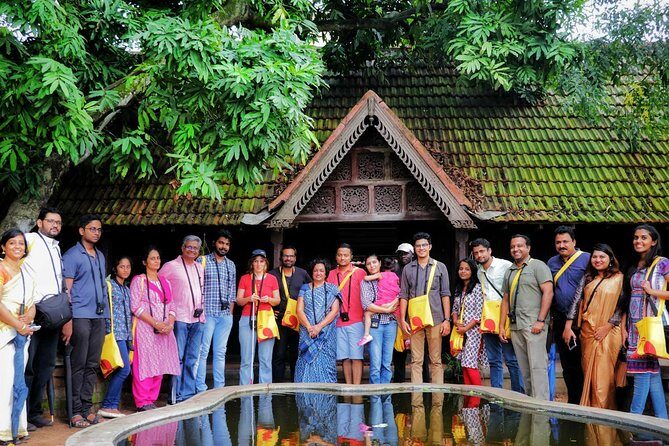
- Live storytelling with guide Aditi that makes stonework and legends easier to picture
- Headsets included so you don’t miss key details during stops
- Short, leisurely route under 2.5 km total for a 2-hour outing
- Temple rituals you can actually observe, including a sweet offering tied to Ganesh
- Padmanabha Swamy temple perimeter walk, focused on what you’re allowed to see
- Snake-idol wall imagery at Ananthankadu, created by devotees over time
Why this Trivandrum walk is worth your time (2 hours, 2.5 km)
If you’re looking for a Trivandrum experience that doesn’t require a full day, this is the kind of tour that fits. The route is short—less than 1.5 miles (2.5 km)—and paced for “take your time.” That matters in a place where you’ll often want to stop, look closely, and absorb symbolism instead of just moving fast from point A to point B.
You also get something that many walking tours skip: clear audio. Headsets are included, so you can focus on what the guide is saying rather than craning your neck over the sound of traffic or other groups. In practice, that’s a big help at temple gates and courtyard edges, where you may need to stand still and listen.
My one caution is simple: this is moderate fitness at most, not a sit-and-watch experience. You will be walking, and you’ll be outdoors, so wear comfortable shoes and plan for heat or humidity. The tour also requires good weather, so if conditions are rough, expect rescheduling or a refund.
You can also read our reviews of more walking tours in Trivandrum

Meeting point and how to start smoothly at Villa Maya
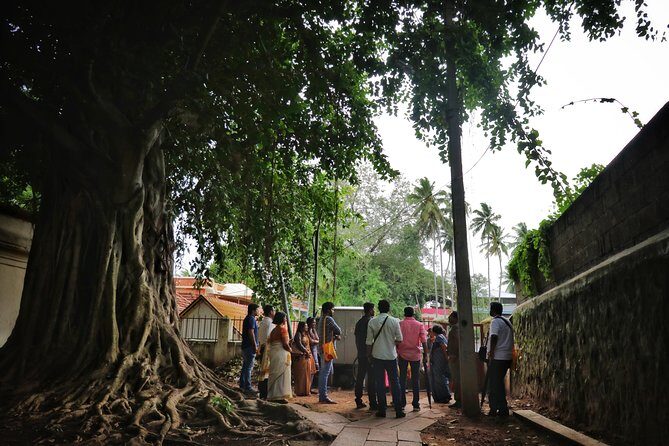
This tour starts and ends back at the same place, near Villa Maya on Palayam Airport Road (No-120, Perunthanni, Vallakkadavu, Thiruvananthapuram, Kerala 695008). The listing notes it’s near public transportation, which is a practical win if you’re not using a hotel pickup.
Because there’s no hotel pickup or drop-off, you’ll want to plan your arrival with a little buffer. Even a “short” walking tour feels longer when you’re late, hunting for the right entrance, or waiting around in the heat. Once you’re there, though, the format is straightforward: you meet, get headsets, and the guide leads you stop by stop with live commentary.
Also note this is a private tour/activity, meaning it’s just your group. That’s great for families, friends, or couples who don’t want to share attention with strangers—and it usually means the guide can set a comfortable pace for your group.
Stop 1: Mithrananthapuram Trimurti Temple and the banana-jaggery Ganesha sweet
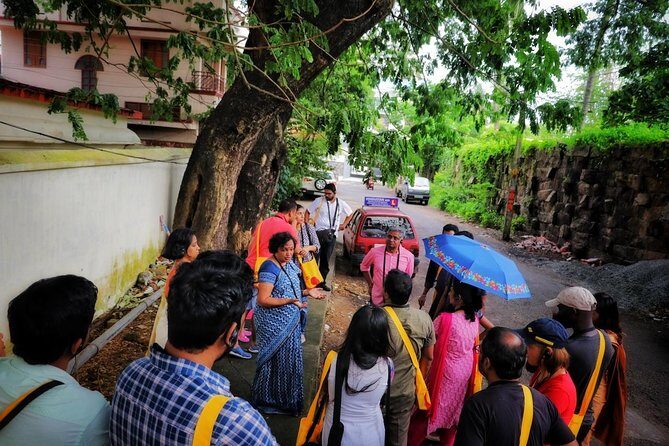
The first major stop is Mithrananthapuram Trimurti Temple, known for a Brahma temple layout that’s rarely seen in India—and it’s described as being at least 800 years old. Even if you don’t know much about Hindu iconography, the age alone sets a tone: you’re not just looking at a structure, you’re seeing a long thread of tradition in stone.
One tradition you’ll hear about here is very specific: the custom of fully covering the idol of Lord Ganesha with a sweet made from mashed bananas, jaggery, and rice flour. That kind of ritual detail is exactly why a guided walk beats solo sightseeing. When you know what you’re looking for, the “why” behind the design and offerings becomes clear.
What to keep in mind: religious sites follow real rules, and what you can photograph or where you can stand can be limited. The good news is that this tour is set up for observation and listening—so you’re not rushed through a checklist. If you like understanding the meaning behind everyday rituals, you’ll enjoy this stop the most.
The Padmanabha Swamy temple perimeter: why restricted access can still be memorable
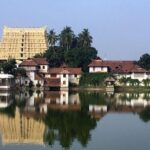
A highlight of the route is a walk near Padmanabha Swamy temple, described as one of the richest temples in the world. Here’s the catch (and it’s why I call out the drawback early): entry is restricted. Instead of going inside, the plan is to walk along part of the outer perimeter.
That could sound like a letdown until you think about how temple complexes work. Even from the outside, you can often catch proportions, boundary walls, and sightlines that hint at how the temple functions as a whole space. And with a live guide, you’re not just staring at walls—you’re hearing legends and history tied to the temple’s fame, including the story about secret hidden vaults said to have been found with untold treasures.
The most rewarding part here is the way the guide connects what you can see with what you’re not allowed to enter. Instead of feeling blocked, you end up with context. It’s a good reminder that “restricted access” doesn’t always mean “limited experience”—it just means your focus shifts outward.
Stop 2: Ananthankadu Sree Nagaraja Temple Trust and the snake-idol walls
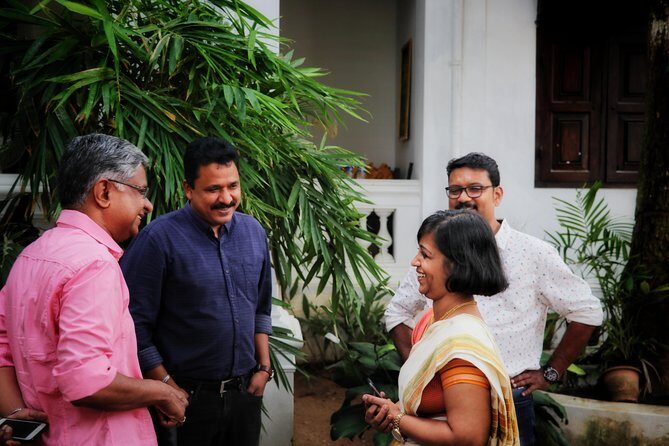
Next you’ll visit Ananthankadu Sree Nagaraja Temple Trust, dedicated to snake gods. If you’ve only ever pictured snakes in everyday terms, this stop reframes them through religious art and devotion.
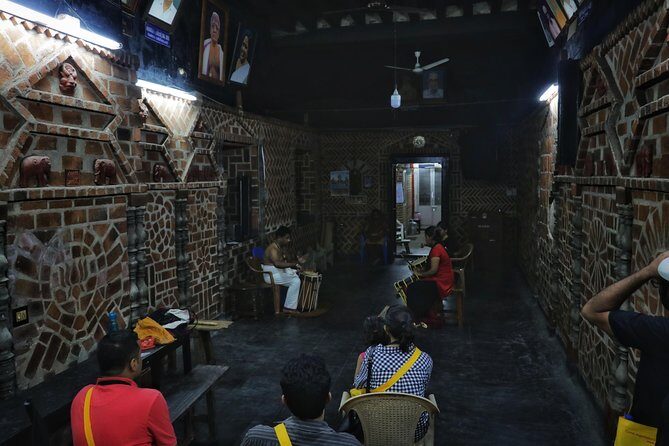
The signature image is the walls lined with hundreds of snake idols that devotees have deposited there over time. That visual repetition does something powerful: it makes belief feel communal and historical rather than abstract. You’re standing in a place where people have been contributing to the sacred space, creating a kind of devotional record in stone.
Time here is short—about five minutes for this listed stop—but it’s the kind of stop that can stick with you. In a well-led walking tour, even brief moments matter, especially when the symbolism is strong. The guide’s live commentary is key at this one; without it, you might notice the idols but miss the meaning.
You can also read our reviews of more private tours in Trivandrum



The nearby palace neighborhood: looking at history through streets
Between temple stops, the walk also includes a look at one of the erstwhile palaces in the neighborhood. This is the quieter, more “walk-and-think” section of the tour. You’re seeing how royal or historic spaces shape the feel of the streets nearby—sometimes through scale, sometimes through layout, sometimes through the way buildings relate to walls and courtyards.
I like this part because it changes the pace from “big landmark moment” to “small urban context.” After you’ve heard temple legends, you start noticing how the city’s layers connect—warriors, saints, and historic life aren’t separate from the geography around you. They’re built into it.
If you enjoy architecture and cultural storytelling, this is where the guide’s narration really helps you form mental images you can carry later, even when you’re back in your hotel.
Food, water, and staying comfortable in India’s heat
You’ll get beverages during the tour: bottled water plus coconut refreshments. That may sound like a small perk, but on a walking tour in Trivandrum’s climate, it’s a big practical choice. It means you don’t have to hunt for a drink mid-route, and you’re less likely to lose your energy before the best parts of the narration.
The tour duration is about two hours, and the walking distance is short. Still, short walks can feel long if you’re hot and distracted. These refreshments keep the experience smooth—especially if you’re traveling with kids, elders, or anyone who gets tired easily.
One practical tip: bring a light layer that matches the conservative dress guidance (cover knees and shoulders). If you’re using a scarf or shawl, keep it accessible so you can adjust quickly without fumbling during the most sacred moments.
Who this tour fits best (and who might want to choose another day)
This is suitable for people with a moderate level of fitness. So if you can comfortably walk for about two hours with a leisurely pace and a few short stops to stand and listen, you’re in the right zone.
It’s also well matched to travelers who enjoy:
- religious architecture and symbolism
- live storytelling
- short guided routes that still feel meaningful
For families, note the guidance: children must be accompanied by an adult, and it’s not recommended for children under 8. So if you have younger kids, I’d treat this as not ideal and consider a different option with shorter time outdoors.
And because it’s private, it can work nicely for couples and small groups who want to ask follow-up questions and move at a human pace. You won’t be pressed into constant regrouping the way you might on bigger departures.
Price and value: what $54 gets you in real terms
At $54.00 per person for a private walking tour, it’s not a “budget only” option, but it also isn’t priced like a luxury excursion. The value comes from the elements that make a guided walk genuinely easier and more informative.
Here’s what you’re paying for in practical terms:
- a guide for live commentary throughout
- headsets so the guide stays audible during stops
- a route planned around specific temple areas and rituals
- beverages provided during the walk
- a private group format (you’re not competing for attention)
If you’ve ever done tours where you have to guess what the guide is saying because you can’t hear them well, headsets alone can justify the cost—especially at religious sites where people naturally create ambient noise. Add in the short distance (under 2.5 km) and the fact the route is built around multiple stops, and you end up with a lot of storytelling packed into a relatively small time window.
Timing-wise, it’s often booked around a month ahead on average (32 days). That doesn’t mean it’s impossible last-minute, but it does suggest it’s a popular format, so plan ahead when you can.
Practicalities you should know before you go
Dress conservatively. Knees and shoulders should be covered for both men and women. That means skip shorts and sleeveless tops. In a walking tour, that’s not just about comfort—it’s about not needing to stop and fix clothing at the entrance.
Wear comfortable walking shoes. The tour is short, but you’ll still want traction and comfort, especially if the route includes uneven ground or temple-area paths.
Weather matters. The tour requires good weather. If it’s canceled due to poor weather, you’ll be offered a different date or a full refund. (So check forecasts and avoid booking your whole day around this one plan.)
Finally, keep in mind that this ends back at the starting meeting point, so you don’t need complicated logistics at the end of the walk.
Should you book the Private Kingdom of Gods Trail walking tour?
I’d book it if you want a focused Trivandrum introduction that’s built around temple storytelling, ritual details, and a guide who can turn architecture into something you can picture. The combination of a short, leisurely route, included headsets, and beverage support makes it an easy win for people who want substance without a marathon day.
I’d skip or rethink it if you’re hoping for unrestricted access into major temple interiors. One of the key landmarks on this route is visited from the outer perimeter due to restricted entry, so your experience here is about context and listening, not full inside access.
If you match the tour’s style—moderate walking, conservative dress, and curiosity about religious legends—this is exactly the kind of outing that makes a city feel personal and alive.
FAQ
How long is the Private Kingdom of Gods Trail walking tour?
It’s approximately 2 hours.
How far do you walk during the tour?
The route covers less than 1.5 miles (2.5 km).
What’s the fitness level needed?
It’s suitable for people with a moderate level of fitness.
What’s included in the tour price?
The tour includes the guide and headsets to hear the guide clearly.
Are beverages included?
Yes. Bottled water and coconut refreshments are provided.
Is hotel pickup or drop-off included?
No. Hotel pickup and drop-off are not included.
Where does the tour start and end?
It starts at Villa Maya near No-120 Palayam Airport Road, and it ends back at the same meeting point.
Is this a private tour?
Yes. Only your group participates.
What should I wear?
Dress conservatively with knees and shoulders covered for both men and women. Avoid shorts and sleeveless tops.
What happens if the weather is bad?
The tour requires good weather. If it’s canceled due to poor weather, you’ll be offered a different date or a full refund.