REVIEW · NEW DELHI
5 Days Golden Triangle
Book on Viator →Operated by Agra Voyage · Bookable on Viator
Three cities, one well-paced plan. This 5-day Golden Triangle packs Old and New Delhi, Agra’s Mughal sights, and Jaipur’s forts and palaces into a tight schedule with a driver, a live guide, and sensible time in each city. You also get the chance to ride through Chandni Chowk by rickshaw, which is exactly the kind of hands-on add-on that makes the trip feel more real.
I especially like the live city tour guide model. It matters because you’re not just walking to famous gates; you’re getting context for what you’re seeing, and you’ll move through crowded areas with less guesswork. If you travel on a Friday, plan ahead: Taj Mahal is noted as closed on Fridays, which can change the feel of Day 3 even with sunrise timing.
In This Review
- Key points to know before you go
- A 5-Day Golden Triangle with real guide time (not just driving)
- Entering Old and New Delhi: markets, tombs, and gate-to-gate sightseeing
- Chandni Chowk by rickshaw: why it’s more than a fun add-on
- Agra with an overnight stay: fort first, Taj later
- Sunrise Taj Mahal: the schedule you’re really paying for
- Jaipur in one day: Amber Fort, City Palace, and Jantar Mantar
- Transport and inclusions: what $25 really means for value
- The guide effect: why names matter in your planning
- Timing and pacing: where the itinerary can feel full
- What to pack and how to make it comfortable
- Who this tour suits best
- Should you book this 5-Day Golden Triangle tour?
- FAQ
- How long is the 5 Days Golden Triangle tour?
- What cities are included in the route?
- Is hotel pickup and drop-off included?
- Does the tour include hotels and breakfast?
- Are monument tickets included?
- Is there a rickshaw ride?
- What is the Agra sightseeing plan?
- Is Taj Mahal visited on Friday?
- What does the tour price cover?
- Is this a group tour with strangers?
Key points to know before you go
- Hotel pickup and drop-off in Delhi keep your mornings simple, including airport option mentioned in the plan.
- Old Delhi plus rickshaw through Chandni Chowk gives you a fast, colorful taste of the markets beyond the monuments.
- Sunrise Taj Mahal is the main event, with a tight morning schedule designed around light and fewer crowds.
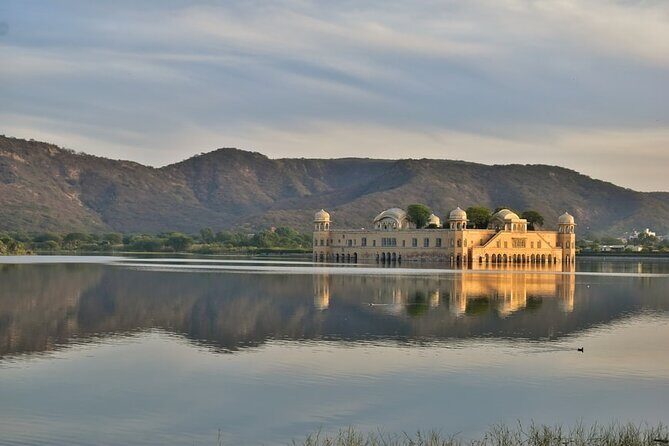
- A full Jaipur day centers on Amber Fort, City Palace, and Jantar Mantar, with photo stops for Hawa Mahal and Jal Mahal.
- Price depends on your selected option: hotels, breakfast, and monument tickets are included only if you choose those add-ons.
A 5-Day Golden Triangle with real guide time (not just driving)
The big idea here is simple: you cover three UNESCO-level cities without trying to stitch the trip together yourself. You’re in an air-conditioned sedan/SUV, you get picked up and dropped off, and you’re paired with a live city tour guide so the stops feel connected instead of random checkboxes.
This is a private tour in the sense that it’s for your group only, not a mixed crowd spinning in and out of vehicles. That’s a big deal when you’re doing Delhi traffic, monument entry queues, and long drives between cities. Group discounts are also noted, so if you’re traveling with friends, it can add up fast.
One practical note before you fall in love with the itinerary: Golden Triangle routes are all about time management. You’ll be busy each day, and the best results come when you pack light, wear comfortable shoes, and keep your expectations realistic about travel time between Delhi, Agra, and Jaipur.
A few more New Delhi tours and experiences worth a look


Entering Old and New Delhi: markets, tombs, and gate-to-gate sightseeing
Day 1 is designed like a greatest-hits tour with just enough variety to keep it interesting. You start around 9 am with pickup from your hotel in Delhi/Gurgaon/Noida or even from the airport, then a guide takes over so you’re not left reading plaques like a scavenger hunt.
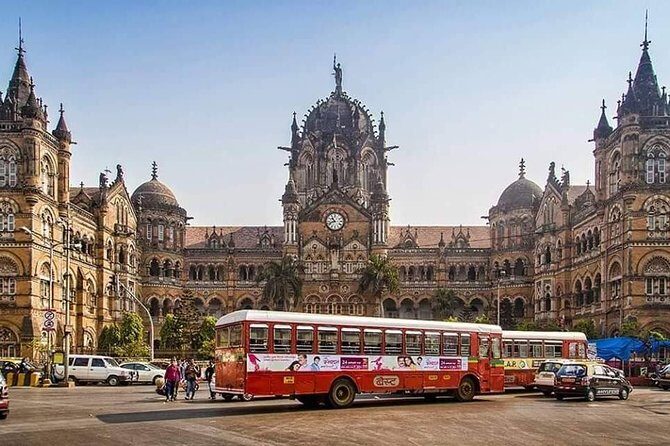
Old Delhi is where the energy hits first. You visit Jama Masjid, then head to Chandni Chowk for a rickshaw ride through the market lanes. That short ride can be the most memorable part of the day because you’re moving at a human pace through a place that feels busy and alive, not staged for tourists. After that, you drive past the Red Fort, then visit Rajghat. It’s a meaningful stop that changes the mood from busy markets to reflective space.
Then you switch to New Delhi for some iconic landmarks. Humayun’s Tomb is first, followed by India Gate and the Parliament House area. After that, you visit a gurudwara where thousands are fed daily. Even if you’re not staying for the full meal, the experience is about understanding how everyday life and service shape the city. You finish with Qutub Minar, described in the plan as the highest brick tower in the world, and then Lotus Temple.
If you like photos, you’ll get plenty of “frame-able” moments on Day 1. If you get tired fast, pace yourself early. Day 1 is a lot of walking plus multiple monuments, and Delhi heat can add up even in the middle of a day.
Chandni Chowk by rickshaw: why it’s more than a fun add-on
The itinerary calls out the rickshaw ride in Chandni Chowk, and I think it earns its place. If you’ve ever walked market alleys in a new country, you know the tricky part is not getting lost. The rickshaw route helps you see the scale of Chandni Chowk without spending hours trying to find the “right” lanes.
It’s also where you get sensory context. You’ll see how the market corridors work, how storefronts line up, and what kinds of activity fill the street. Even if you’re not shopping much, the ride gives you bearings fast.
One thing to double-check when booking: the rickshaw ride is listed as included only if the entrances option is selected. So if you want that experience, make sure your add-ons match your expectations.
Agra with an overnight stay: fort first, Taj later
Day 2 shifts gears from Delhi’s broad avenues into Agra’s Mughal-era highlights. After breakfast, you drive about 200 km, around three hours, via the Yamuna Expressway. That route detail matters because it usually means less stop-and-go than older roads, and you arrive with more energy for sightseeing.
Once you check in, you meet your guide and start with Agra Fort, built in 1565 A.D. and tied to the Mughal dynasty and Emperor Akbar. A fort visit works well on this day because it’s a blend of architecture and scale. You get multiple levels and viewpoints, and you can understand why rulers needed places that functioned like cities.
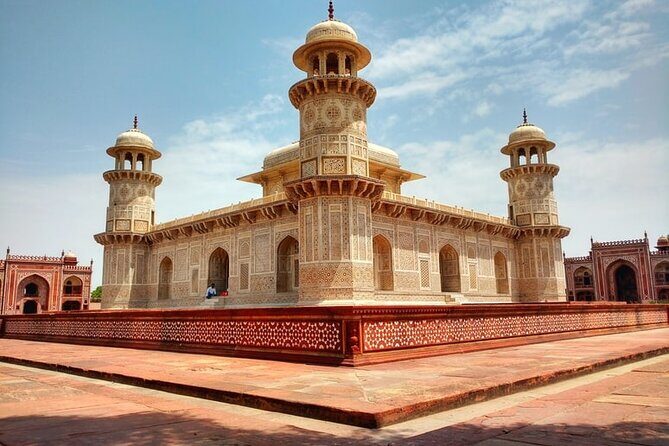
After Agra Fort, the plan includes Itmad-ud-Daulah, sometimes called the Baby Taj. This stop is worth it if you like details. Smaller sites like this often feel more intimate than the headline monument, and it helps break up the “big wow” pattern.
Then you head to Mehtab Bagh, also called Moon Garden, timed for a sunset view of the Taj Mahal area. Even without going inside the Taj itself on Day 2, the garden viewpoint gives you a different angle and helps set up what you’ll see the next morning.
Important consideration: the plan notes Taj Mahal is closed on Fridays. That means your Day 3 experience could shift depending on your travel day. If your dates land on a Friday, treat sunrise Taj as a best-case scenario and plan mentally for alternate highlights.
Sunrise Taj Mahal: the schedule you’re really paying for
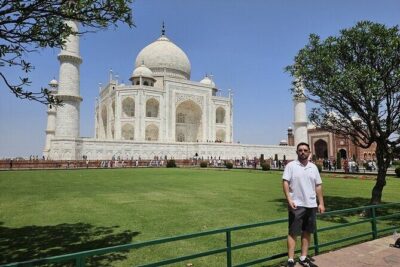
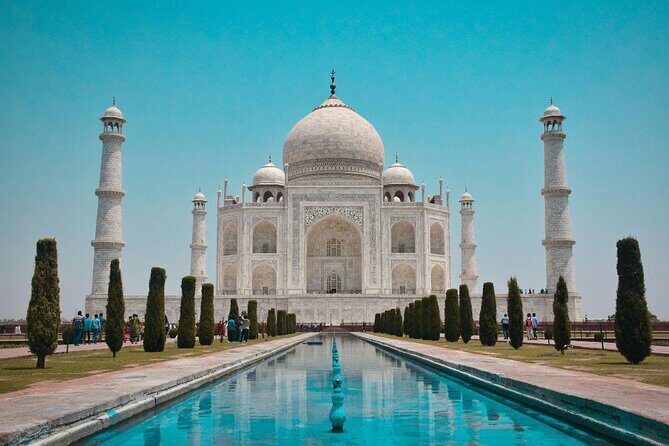
Day 3 is built around one main goal: visiting the Taj Mahal at sunrise. The value of sunrise is simple: softer light, earlier air, and a sense of calm before the city ramps up. The plan also has you picked up by the hotel guide to make that early start work.
When you see Taj Mahal before the day heats up, it feels different than late-afternoon photos. You’ll notice shapes and marble tones more clearly, and the monument’s symmetry holds up better when your eyes aren’t squinting through glare.
After the Taj visit, you return for breakfast, then checkout and drive to Jaipur. On the way, the itinerary squeezes in two key stops plus another cultural stop designed for variety.
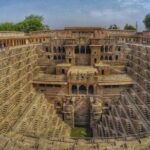
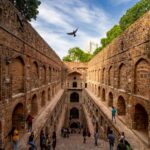
First is Fatehpur Sikri, often referred to as the abandoned or ghost city in the plan. This is a nice change from fort-and-tomb mode. Then you visit Abhaneri Stepwell, built in the 8th century AD. That’s a great contrast stop: not another Mughal palace, but a different kind of structure tied to local ingenuity.
By the time you arrive in Jaipur, you’re done with the long drive and ready for Jaipur’s forts and palaces.





Jaipur in one day: Amber Fort, City Palace, and Jantar Mantar
Day 4 is your full Jaipur sightseeing day. It begins with Amber Fort in the Aravali Range. The plan highlights the mixture of Indo-Islamic architecture, gold-plated painting, mirror work, and European architecture influences. That blend is exactly why Amber Fort is a strong anchor stop: it’s not one-style decoration, and the craftsmanship shows.
Next you visit City Palace, built by Sawai Jai Singh. The focus here is on the royal collection of the Kachawaha dynasty. If you like understanding how power and art fit together, this part helps you connect the city’s architecture to its historical rulers.
Then it’s Jantar Mantar, described as a collection of nineteen architectural astronomical instruments completed in 1734 CE. The stop includes the world’s largest stone sun dial, listed as a UNESCO heritage site in the plan. Even if you’re not a science person, it’s a fun way to see how observation and design worked in the pre-modern world.
You also get photo stops for Hawa Mahal and Jal Mahal. These aren’t long museum-style stops, so use them for quick framing and a feel for the city’s “wow factor” buildings.
For guides, Jaipur is where the provided feedback stands out for warmth and clarity, including a named guide, Nameera, praised for attentive service and helping visitors see the best parts of the city. That kind of guidance can make Jaipur feel less like a checklist and more like a story.
Transport and inclusions: what $25 really means for value
The price is listed as $25.00 per person, but the inclusions depend on your selected options. Hotels and daily breakfast are included only if that option is selected, and monument tickets are included only if that option is selected as well. Rickshaw ride is also tied to whether the entrances option is selected.
So here’s the value logic I’d use as a traveler: the cost is easiest to justify if you selected the options that match your priorities. If you’re already paying for hotels and tickets separately, you should compare what you’d otherwise book. If you want transport plus hotel plus breakfast plus monument entries, then this kind of bundle often becomes a bargain.
What’s clearly included regardless of add-ons:
- Air-conditioned sedan/SUV
- Pick-up & drop-off
- Live city tour guide
- Unlimited water and napkin
- All tolls, fuel, taxes, and parking
That last line matters. In India, it’s easy to get surprised by “small” costs that add up. Knowing those are covered helps your budget feel steadier.
Also, the tour uses mobile tickets and offers group discounts. I like that for flexibility, as long as you confirm exactly what’s in your selected package before you go.
The guide effect: why names matter in your planning
One of the best parts of this itinerary is how often it’s guided. Delhi, Agra, and Jaipur each have planned stops with a live city tour guide, which usually means fewer wasted hours figuring out what you’re looking at.
From the feedback tied to this experience, specific guides are repeatedly praised for making the monuments easier to understand. In Agra, guides such as Shahe, Kalim, and Kalaam are highlighted for giving strong information at Agra Fort and Taj Mahal, with extra patience for groups. In Jaipur, Nameera is noted for steering people toward the best parts of the day and providing city-walk style insight.
And on the road, having a steady driver affects comfort and safety more than people expect. Guddu is specifically mentioned as a careful driver, which helps on long transfers like the Delhi-to-Agra drive.
You can’t guarantee which guide you’ll get, but it’s a good sign when the tour model consistently pairs you with people focused on explanation, not just transportation.
Timing and pacing: where the itinerary can feel full
The best way to enjoy Golden Triangle tours is to respect how full the days are.
Day 1 in Delhi is long and multi-site: Jama Masjid, Chandni Chowk rickshaw, Rajghat, Humayun’s Tomb, India Gate, Parliament House area, a gurudwara meal/service experience, Qutub Minar, and Lotus Temple. That’s a lot in one day, so hydration and breaks are important.
Day 2 is travel plus sightseeing, then a sunset-style viewpoint at Mehtab Bagh. You’ll likely be tired, so don’t plan extra side trips that evening.
Day 3 is early. Sunrise at the Taj Mahal is the centerpiece, then another drive to Jaipur. If you’re the type who needs long lie-ins on vacation, this day will feel like a wake-up call.
Day 4 is a strong sightseeing block in Jaipur. Amber Fort and City Palace take time, and Jantar Mantar adds a different kind of focus. The photo stops at Hawa Mahal and Jal Mahal help you get the city’s signature sights without stretching the day into a late finish.
What to pack and how to make it comfortable
The tour includes unlimited water and napkins, which helps. Still, you’ll want to bring your own comfort essentials because you’ll be moving through multiple monuments and cities.
I’d plan on:
- Comfortable walking shoes for Fort and tomb areas
- Sun protection for sunrise and midday Delhi/Jaipur
- A light layer for early mornings around sunrise
- A small day bag so you don’t scramble during quick photo stops
If you’re trying to capture photos, remember that sunrise is about light and timing. Arrive ready so you’re not spending your best minutes searching for the right angle or taking too long for outfit photos.
Who this tour suits best
This 5-day plan is a strong fit if you want a structured Golden Triangle with minimal planning on your side. It’s also a good choice if you like the “guide explains it” style of travel, where you can ask questions and get context during your walk.
You’ll probably enjoy it if:
- You want Delhi, Agra, and Jaipur without booking separate drivers
- You’re comfortable with early mornings and full days
- You like forts, monuments, and landmark neighborhoods rather than slow cafe hopping
It might feel like too much if:
- You prefer very relaxed sightseeing with lots of free time
- You hate tight schedules and vehicle transfers
- Your travel dates fall on a Friday and Taj Mahal is the one thing you care about most
Should you book this 5-Day Golden Triangle tour?
If you want a smooth, guided Golden Triangle at a budget price point, I think it’s worth considering. The biggest strengths are the live tour guide time, the Chandni Chowk rickshaw experience, and the sunrise focus for Taj Mahal, plus the fact that pickup, transport, and even tolls/fuel/parking are handled.
My one caution is simple: double-check what you selected for the add-ons. Hotels, breakfast, monument tickets, and the rickshaw ride are tied to options. If those are important to you, make sure your booking matches your ideal version of the trip.
If your dates include a Friday, confirm how the Taj closure note affects your schedule, because that can shift the emotional highlight of the whole tour.
If you can handle a packed itinerary and you like guided stops, this is a practical way to see the classic Golden Triangle without turning your vacation into logistics.
FAQ
How long is the 5 Days Golden Triangle tour?
It runs for about 5 days, covering Delhi, Agra, and Jaipur.
What cities are included in the route?
The tour includes sightseeing in Delhi, Agra, and Jaipur.
Is hotel pickup and drop-off included?
Yes. Pickup and drop-off are included, and pickup is listed from your hotel in Delhi/Gurgaon/Noida or from the Delhi airport. Drop-off is at your hotel or the New Delhi airport.
Does the tour include hotels and breakfast?
It’s included if you select the option for 3/4/5 star hotels with daily breakfast. If you don’t select that option, hotels and breakfast may not be included.
Are monument tickets included?
Monument tickets are included only if you select the option for monument tickets.
Is there a rickshaw ride?
Yes, a rickshaw ride in Chandni Chowk is included only if the entrances option is selected.
What is the Agra sightseeing plan?
In Agra, the tour includes Agra Fort, Itmad-ud-Daulah (Baby Taj), and Mehtab Bagh for a sunset view. Taj Mahal is part of Day 3.
Is Taj Mahal visited on Friday?
The plan notes that Taj Mahal remains closed on Friday, so your Day 3 Taj experience may be affected depending on your travel date.
What does the tour price cover?
The tour price is listed as $25.00 per person, but hotel/breakfast and monument tickets are included only if you select those options. Pickup, drop-off, air-conditioned transport, the live guide, and water/napkins are listed as included.
Is this a group tour with strangers?
It’s described as a private tour/activity where only your group will participate.