REVIEW · NEW DELHI
4-Days Private Luxury Golden Triangle Tour Agra Jaipur New Delhi
Book on Viator →Operated by Golden Triangle Tours India · Bookable on Viator
Golden Triangle trips feel chaotic—this one is built to reduce the stress. You get a private 4-day loop through New Delhi, Agra, and Jaipur with day-by-day air-conditioned door-to-door transfers and guided stops. It’s also paced to help you actually enjoy the places, not just rush between them.
What I like most is the mix of big-name sights and smart pacing: you’ll cover Delhi’s landmark cluster on Day 1, then shift to sunrise-focused Taj Mahal viewing in Agra. I also like that the tour includes hotel transfers and a daily breakfast option, so mornings don’t turn into a scavenger hunt.
The one thing to watch: monument entrance tickets are extra, and the tour lists an admission estimate (about $90 per person). If you’re trying to keep the total price ultra-tight, you’ll want to budget for those ticket costs and also plan for lunch/dinner.
In This Review
- Key Points Before You Go
- The Big-Picture Value: A Private Golden Triangle With Less Headache
- Price and Logistics: What $173.07 Covers (and What You’ll Pay Elsewhere)
- Day 1 in Delhi: Qutub Minar to Chandni Chowk Without the Random Chaos
- Qutub Minar (UNESCO) and why it’s on the first day
- Lotus Temple, India Gate, and a quick taste of the city’s balance
- Jama Masjid and Humayun’s Tomb: Mughal scale in two beats
- Agrasen Ki Baoli and Chandni Chowk: the quieter textures and the big buzz
- Expressway to Agra: you’ll get time for lunch, then check in
- Day 2 in Agra: Sunrise Taj Mahal Plus Forts and Baby Taj
- Taj Mahal at sunrise: not just pretty, but practical
- Agra Fort and Itmad-ud-Daula: two very different moods
- Chand Baori stepwell: a short stop that changes your perspective
- Arrival in Jaipur: enough time to settle in
- Day 3 in Jaipur: Fort Views, Hawa Mahal, Jantar Mantar, and Photo Stops
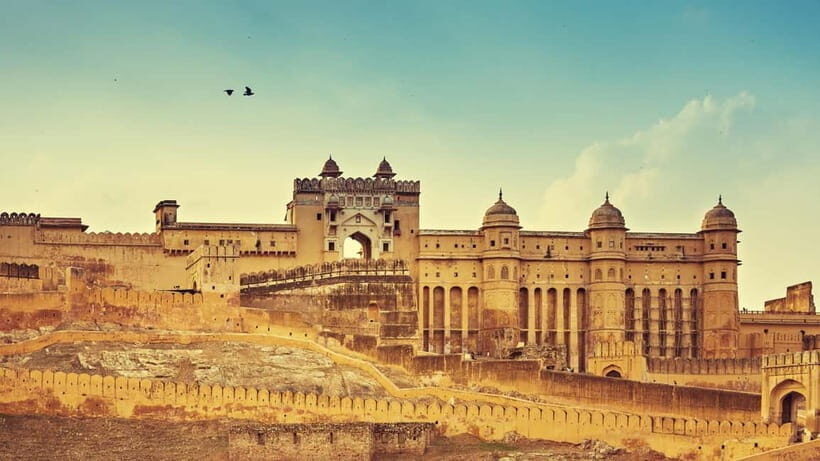
- Panna Meena ka Kund and the Amber Fort area
- Amber Fort area: palaces, squares, and a guided circuit
- Jal Mahal: a quick photo pause on Man Sagar Lake
- City Palace and Jantar Mantar: two big UNESCO-style stops
- Hawa Mahal and Albert Hall: color and culture
- Patrika Gate and Royal Gaitor Tumbas: modern photo stop to historic tombs
- Day 4 in Jaipur: Birla Mandir and Galtaji Temple With Time for Calm
- Birla Mandir: white marble lattice and a quiet finish
- Galtaji Temple: monkey temple energy in a manageable window
- Comfort Details That Actually Change Your Day
- Should You Book? My Take for the Right Kind of Trip
- FAQ
- Is this a private tour or shared?
- Where does the tour start and end?
- Are hotel accommodations included?
- What meals are included?
- Are monument entrance fees included?
- Does the tour include transfers between Delhi, Agra, and Jaipur?
- Is transportation to the Taj Mahal included?
- What’s the cancellation window?
Key Points Before You Go
- Private AC vehicle with driver each day to keep travel time predictable
- English-speaking guides with help buying entrance fees so you spend less time waiting
- Taj Mahal battery bus ride included up to the monument’s parking area
- Breakfast (3) included with the hotel option, which makes mornings easier
- A mix of UNESCO sites and signature stops across three cities without doubling back
- Good customer-service track record, including fast help when a booking date was accidentally entered wrong
The Big-Picture Value: A Private Golden Triangle With Less Headache
A Golden Triangle tour is supposed to be the easiest way to see India’s “greatest hits.” The catch is that many versions turn into a sprint: you spend more time in traffic and ticket lines than in the monuments themselves.
This one is built around comfort and flow. You’re in a private, air-conditioned car with a driver, and the tour is designed as door-to-door transfers between sights and between cities. That matters because Delhi-to-Agra and Agra-to-Jaipur are not quick hops—traffic can be unpredictable, and the whole point of paying for a private tour is to avoid guessing and scrambling.
You also get your own local guides for sightseeing. That’s not just “nice to have.” It changes how the day feels. When you understand what you’re looking at—what era, what purpose, why it was built a certain way—you move through the sites faster and remember more without feeling overwhelmed.
You can also read our reviews of more private tours in New Delhi


Price and Logistics: What $173.07 Covers (and What You’ll Pay Elsewhere)

At about $173.07 per person for the 4 days, the base price is targeting the big logistics: transport, guides, and the structure of the trip. The included items that make the price feel reasonable are:
- Private AC vehicle with driver
- Parking, fuel surcharge, taxes
- Bottled mineral water during journeys
- Battery bus ride for Taj Mahal area access
- Breakfast (3) if you choose the hotel accommodation option
Then come the extras you should plan for:
- Monument entrance fees are not included. The tour lists an admission fee estimate of about $90 per person
- Lunch and dinner are not included
- Driver and guide tips are not included
So here’s the practical way to think about value. If you were to DIY this route, you’d still need private transport if you want an easy schedule, and you’d still likely hire local guides for the major sites. With this setup, you’re paying to remove the guesswork: where to go, how long each stop takes, and how to keep the itinerary from collapsing under traffic delays.
Day 1 in Delhi: Qutub Minar to Chandni Chowk Without the Random Chaos
Day 1 is a tour of Delhi in layers: early history, modern landmarks, then Old Delhi’s street life. You start with the classics and keep moving, which is ideal for first-time visitors because it gives you fast context for what Delhi looks like across centuries.
Qutub Minar (UNESCO) and why it’s on the first day
You’ll visit Qutub Minar, a UNESCO World Heritage site and a tall minaret built in 1193. Expect about an hour. Even if you only see it once, Qutub Minar helps you understand Delhi’s early Sultanate-era architecture and how minarets were designed to dominate the skyline. It’s a strong start because it sets the historical tone before you jump into newer cultural icons.
Ticket note: admission is not included for this stop.
Lotus Temple, India Gate, and a quick taste of the city’s balance
Next is Lotus Temple, known for its flower-like design and open access regardless of religion. It’s short—about 30 minutes—but it’s worth it because it shows a different side of Delhi than the Mughal and Sultanate monuments.
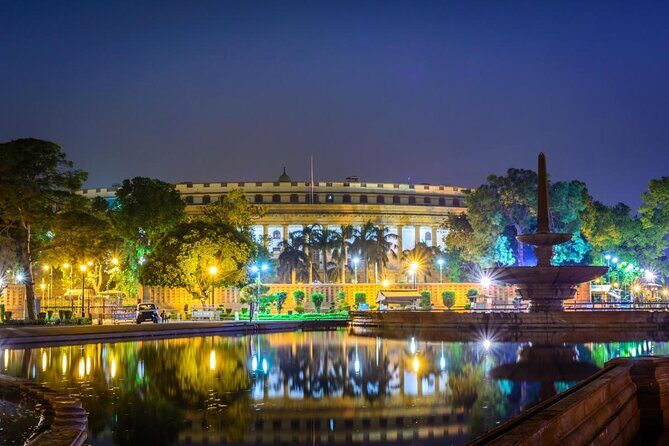
Then come India Gate (free, about 30 minutes) and a brief look at Parliament House (about 5 minutes). These stops are short, but useful. India Gate gives you a clear landmark reference point, and Parliament House is a quick architectural orientation marker on Rajpath.
A few more New Delhi tours and experiences worth a look





Jama Masjid and Humayun’s Tomb: Mughal scale in two beats
You then step into Mughal grandeur with Jama Masjid (about 1 hour, admission not included) and Humayun’s Tomb (about 1 hour, admission not included). Jama Masjid is massive and active; it’s one of those places where the size hits you even before you process the details.
Humayun’s Tomb is often treated as an important bridge in Mughal architecture. Seeing both in one day helps you connect the dots—how Mughal rulers displayed power and taste through stone, layout, and monument placement.
Agrasen Ki Baoli and Chandni Chowk: the quieter textures and the big buzz
Agrasen Ki Baoli (free, about 15 minutes) is one of those stops that rewards slowing down. It’s a stepwell, protected as a monument, and it’s visually different from the towering landmarks around it. It also gives you a break from “big facade sightseeing.”
Then you’ll land at Chandni Chowk, about 1 hour. This is Old Delhi’s shopping and spice-life zone, with narrow lanes and plenty to look at—silver jewelry, textiles, dried fruit, and more. It’s easy to spend extra time here if you’re photo-spirited, so keep your energy steady; your schedule will move on.
Expressway to Agra: you’ll get time for lunch, then check in
After Chandni Chowk, the tour includes time for lunch at a local restaurant (lunch itself isn’t included). Then you transfer via the Yamuna Expressway to Agra (around 3 hours). Once you arrive, you check in and the rest of the day is free at leisure.
I like this Day 1 structure because it front-loads the must-sees, then gives you a reset in Agra before the big morning.
Day 2 in Agra: Sunrise Taj Mahal Plus Forts and Baby Taj
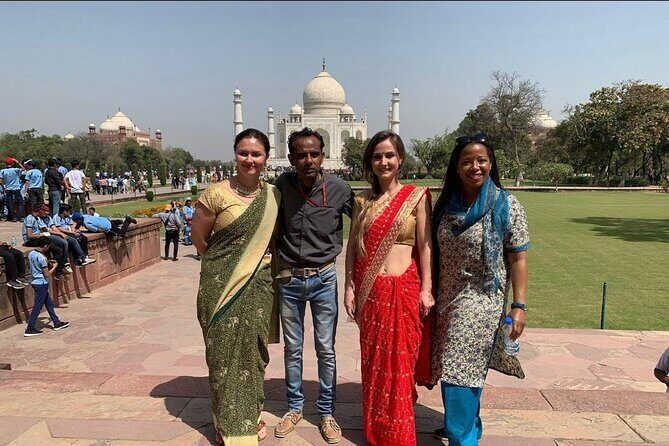
Agra’s Day 2 is the headline day. The tour is built around watching the sunrise over the Taj Mahal, then doing a guided visit inside for about two hours.
Taj Mahal at sunrise: not just pretty, but practical
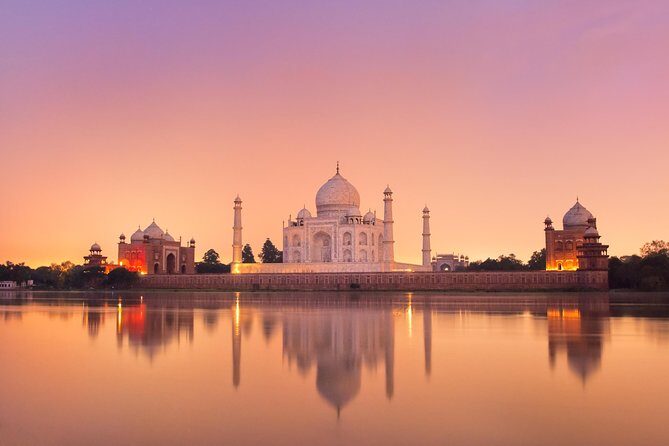
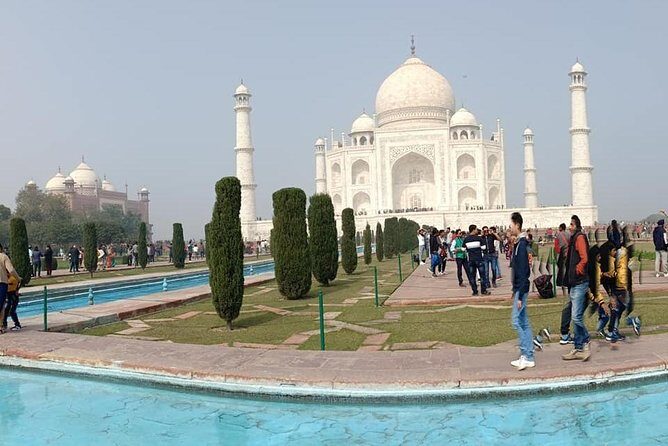
Seeing the Taj Mahal at sunrise helps with the overall experience. The light is softer, the air can feel fresher, and it’s easier to enjoy the details without feeling like you’re fighting the crowds for every view.
You’ll also do an inside visit (again, about two hours total with guidance). That’s key: the Taj isn’t only about looking from the outside. The guided context helps you notice the tomb layout and how the monument is designed to function as a place of remembrance.
Ticket note: admission is not included, but the tour includes a key convenience—a battery bus ride from the Taj Mahal parking lot up to the monument area.
Agra Fort and Itmad-ud-Daula: two very different moods
After Taj Mahal, you’ll visit Agra Fort (about 1 hour, admission not included). Forts tell a different story than mausoleums. Here you see how power and administration were staged.
Next is Itmad-ud-Daula, often called Baby Taj, about 30 minutes. It’s smaller than the Taj but impressive in its own right. Seeing it after the main Taj visit is a smart move because you start recognizing how Mughal artisans treated materials and surface detail.
Chand Baori stepwell: a short stop that changes your perspective
Then there’s Chand Baori, a dramatic stepwell reached by about 3,500 steps (about 30 minutes; admission not included). This is a good palate cleanser between Mughal monuments. It shifts you from monumental stone buildings to something designed for water management and daily life—ancient engineering you can actually understand visually.
Arrival in Jaipur: enough time to settle in
By the end of the day, you drive to Jaipur (arrival and check-in are included, with an overnight stay at your hotel). The timing is long, so keeping the sightseeing windows reasonable makes sense.
Day 3 in Jaipur: Fort Views, Hawa Mahal, Jantar Mantar, and Photo Stops
Jaipur on Day 3 mixes major historic sites with a few highly photogenic moments. It’s not just sightseeing; it’s a way to understand why Jaipur looks the way it does—color, geometry, and royal-era planning.
Panna Meena ka Kund and the Amber Fort area
You start with Panna Meena ka Kund, a stepwell near the Amber Fort area (about 15 minutes, free). Even in a short visit, it sets up the rest of your day because you’re already in the fort-zone geography. It’s also a strong example of how water architecture mattered in daily life.
Amber Fort area: palaces, squares, and a guided circuit
Then you visit Jaipur’s most famous fort for about two hours, with a guide focusing on palaces and squares. Since the timing includes guidance, you’ll get more out of this than if you just wandered around. Forts are easy to misunderstand without context, especially when you’re facing courtyards and multiple levels.
Jal Mahal: a quick photo pause on Man Sagar Lake
Next is Jal Mahal, a palace on Man Sagar Lake (about 15 minutes, free). You’re not meant to treat this as a long stop; it’s a viewpoint moment. Still, it’s a great contrast to the fort and gives you an easy win for photos.
City Palace and Jantar Mantar: two big UNESCO-style stops
You’ll spend about 1 hour at Maharaja’s City Palace (admission not included). It’s a centerpiece for the city’s ceremonial and administrative past. The guide helps you navigate what’s what so you don’t leave with a blur of rooms and courtyards.
Then comes Jantar Mantar (UNESCO) for about 1 hour. It’s a set of architectural astronomical instruments built in 1734. The best way to enjoy Jantar Mantar is to let your guide connect the shapes to the measurements. It turns the site from “cool structures” into “human science made visible.”
Hawa Mahal and Albert Hall: color and culture
Hawa Mahal (Palace of Breeze) is next, about 15 minutes and free. Even though it’s short, it’s worth your time because it’s a signature Jaipur silhouette—built with red and pink sandstone and designed with many windows.
Then you have a quick stop at Albert Hall Museum (about 15 minutes, admission not included). It’s brief here, so think of it as a taste, not a full museum day.
Patrika Gate and Royal Gaitor Tumbas: modern photo stop to historic tombs
You’ll end Day 3 with Patrika Gate (about 15 minutes, free) and Royal Gaitor Tumbas (about 1 hour, admission not included). Patrika Gate is a bright, scenic photography stop near Jawahar Circle. Royal Gaitor shifts you back toward carved stone tomb architecture, giving the day a pleasing emotional rhythm: color, then seriousness.
Day 4 in Jaipur: Birla Mandir and Galtaji Temple With Time for Calm
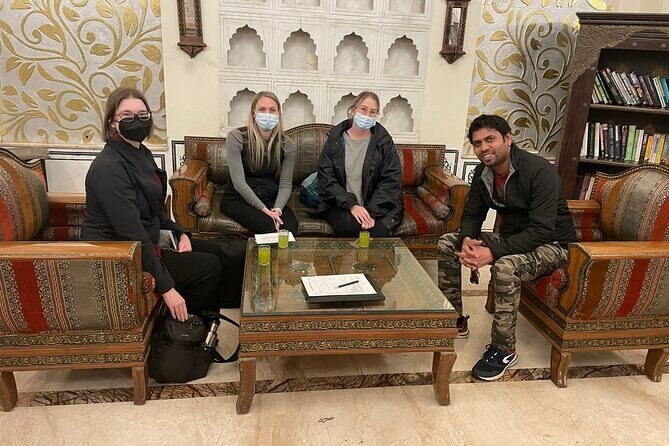
Day 4 is lighter on time pressure. That’s intentional and smart, because after three days of major sights, you want space to breathe and absorb.
Birla Mandir: white marble lattice and a quiet finish
You start with Birla Mandir Temple (about 30 minutes, free). The temple’s white marble latticework is the kind of detail you’ll remember later, especially because it’s different from the red-and-pink palette of many Jaipur monuments.
Galtaji Temple: monkey temple energy in a manageable window
Then you visit Galtaji Temple, also known as the Monkey Temple (about 30 minutes, free). It’s famous for its pools and the lively feeling around the complex. Keep your expectations practical: you’re visiting a working religious site in an animal-active area, so it’s lively rather than serene.
After this, the tour ends back at the meeting point area in Delhi, as stated for the experience. In real terms, plan your final day timing with the understanding that transfers back take time, and you’ll want a relaxed plan around departure.
Comfort Details That Actually Change Your Day
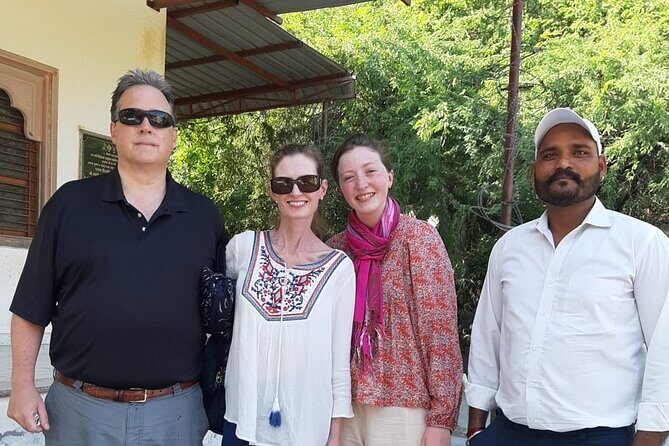
This isn’t the kind of tour where you spend your time asking Where do we go next? Your guide and driver handle the movement and sightseeing order.
A few comfort details I’d call out:
- Door-to-door pickup from Delhi-area locations, including the airport, railway station, hotel, or your specified pickup point
- Private local guides for the sightseeing blocks, so you’re not sharing commentary with strangers
- Mineral water during journeys, which sounds minor until you’re walking under strong sun
- 3 nights accommodation if you choose the hotel option, generally on twin-sharing (with triple-sharing in a 3-person booking by default)
And based on the strong feedback pattern, the service element is where this tour seems to earn trust. The most praised part is customer support that actually fixes mistakes—like one case where a booking was accidentally set for the wrong date and the company caught it quickly and reached out. That’s rare, and it matters because it reduces the chance that a planning error turns into a travel problem.
Should You Book? My Take for the Right Kind of Trip
I think this tour is a strong fit if you want:
- A private Golden Triangle route with AC comfort
- Guided visits that help you understand what you’re seeing
- A schedule that hits the big monuments in each city without leaving you exhausted by constant logistics
- The convenience of included breakfast (3) and door-to-door transfers
I’d think twice if:
- You have a very tight budget and don’t want to pay extra for entrance tickets (listed about $90 per person)
- You expect lunch and dinner to be included (they’re not)
- You hate early-morning starts, because the Taj Mahal timing is built around sunrise
If your goal is to see the highlights with fewer moving parts, this tour’s structure is exactly what you’re paying for.
FAQ
Is this a private tour or shared?
This is a private tour/activity. Only your group participates, with private guides and a private air-conditioned car with driver.
Where does the tour start and end?
The experience starts at Indira Gandhi Intl Airport in New Delhi, and it ends back at the meeting point.
Are hotel accommodations included?
Hotel accommodations are included only if you book the option that includes hotels. The tour lists 3 nights of accommodation with that option.
What meals are included?
Breakfast is included for 3 days. Lunch and dinner are not included.
Are monument entrance fees included?
No. Entrance tickets are not included, and the tour lists an admission fee estimate of about $90.00 per person for monuments across the cities.
Does the tour include transfers between Delhi, Agra, and Jaipur?
Yes. It includes private air-conditioned vehicle transfers each day, including the drive from Delhi to Agra and onward to Jaipur.
Is transportation to the Taj Mahal included?
Yes. The tour includes a battery bus ride to and from the Taj Mahal parking lot up to the Taj Mahal monument area.
What’s the cancellation window?
Free cancellation is available if you cancel up to 24 hours in advance for a full refund.