REVIEW · VARANASI
Varanasi: Day Tour with Sarnath and Boat Ride
Book on GetYourGuide →Operated by Taj Journey - TJ · Bookable on GetYourGuide
Ganga at sunrise changes everything. This full-day Varanasi and Sarnath trip pairs a sunrise Ganges boat ride with big moments at the Kashi Vishwanath Temple and the evening Ganga Aarti. I love how a real guide ties it all together in plain language, and in the past I’ve heard praise for guides like Vikash, Anuj, Manish, and Vinit. One drawback: it’s a long, intense day packed with walking and temple time, and it’s not suitable if you have high blood pressure.
You get a private, air-conditioned car for all transfers, plus hotel pickup and drop-off. The schedule is structured but not rigid in feel—there’s room to ask questions and adjust on the fly while you move from ghats to temples to Sarnath.
If you want Varanasi for more than just photos, this is the kind of day that helps you understand what you’re seeing. And if you prefer a slow pace with lots of free time, you might find it too scheduled.
In This Review
- Key things I’d focus on before you go
- Sunrise Ganges boat ride: the first real view of Varanasi
- Assi Ghat and Old Varanasi lanes: seeing the city where life happens
- Kashi Vishwanath Temple: sacred rules and the feeling of scale
- Markets and a local lunch: what’s included and what you’ll pay
- Sarnath after Varanasi: moving from present worship to ancient teaching
- Sarnath Museum plus extra spiritual stops: BHU, Bharat Mata, Tulsi Manas
- Ganga Aarti at Dasaswamedh Ghat: the night show with real meaning
- Price and logistics: is $65 per person good value?
- Who should book this tour (and who should skip)
- Should you book this Varanasi and Sarnath day tour?
- FAQ
- How long is the Varanasi day tour with Sarnath and a boat ride?
- What’s included in the price?
- Are entry fees and lunch included?
- Where can I get picked up and dropped off?
- Do I need to bring anything?
- Is the tour refundable if I cancel?
Key things I’d focus on before you go
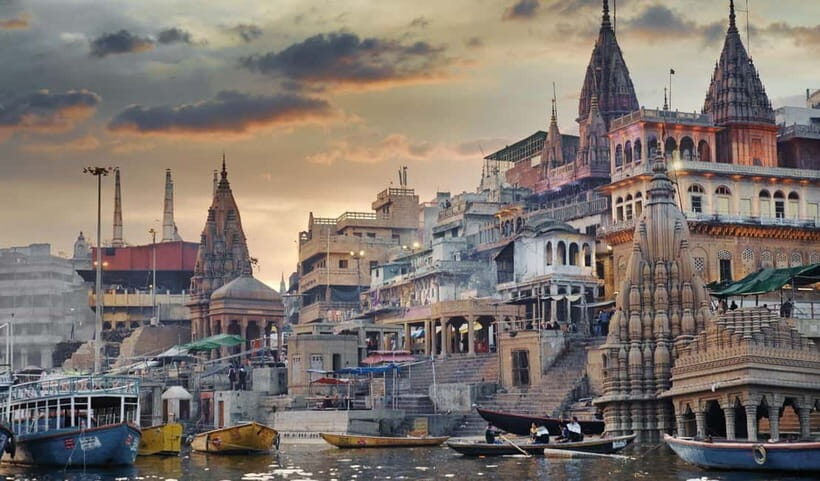
- Sunrise on the Ganges: you start early and watch morning rituals come alive on the water.
- A knowledgeable live guide: English-speaking guiding (and Spanish is offered) is a big part of the value.
- A private vehicle all day: easier movement between Old Varanasi and Sarnath than figuring it out yourself.
- Sarnath’s core sites in one run: Dhamek Stupa, Chaukhandi Stupa, and Mulagandha Kuti Vihar are all on the list.
- Museum time: Sarnath Museum connects what you see outdoors to Buddhist art and relics going back centuries.
- Dasaswamedh Ghat Aarti: fire, incense, chanting, and bells make for a powerful closing moment.
Sunrise Ganges boat ride: the first real view of Varanasi
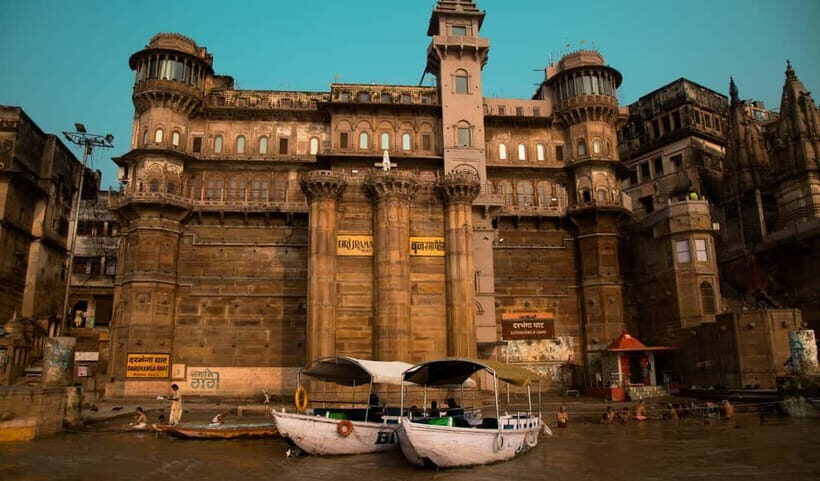
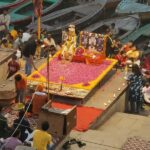
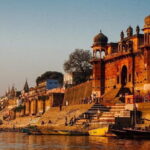
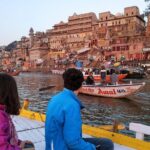
Start with the Ganges River boat ride at sunrise, guided. This is the part I’d build the whole trip around. Early light changes everything on the ghats—faces, smoke from lamps, priests preparing offerings, and the steady rhythm of worship becomes visible in a way you don’t get later in the day.
You’ll likely pass the areas that people associate with Varanasi rituals and temple life, and the guide helps translate what you’re seeing so it doesn’t feel random. Also, because you’re on the water before the day fully heats up, the whole experience feels more manageable.
Practical tip: dress sensibly for early morning. Even if it’s not cold, you’ll be standing or moving around briefly before and after the boat portion.
You can also read our reviews of more boat tours in Varanasi


Assi Ghat and Old Varanasi lanes: seeing the city where life happens
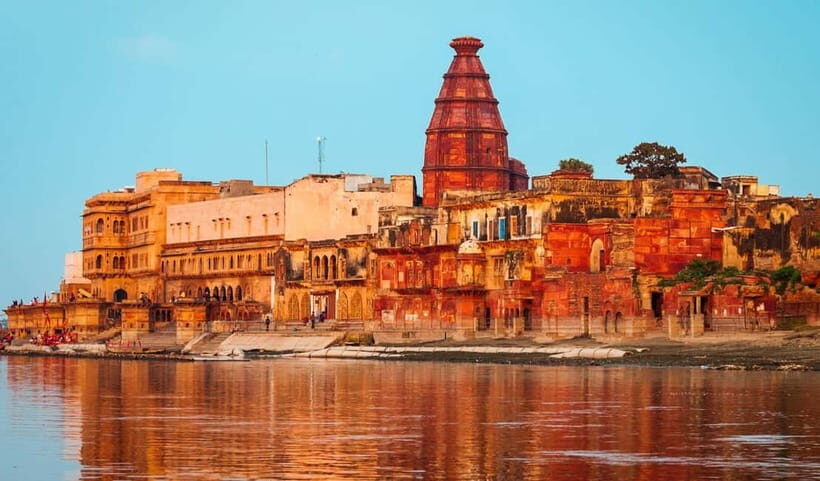
After the boat, the day shifts to guided walking and sightseeing along the ghats and nearby lanes. Assi Ghat is one of the first stops, then you continue toward Manikarnika Ghat for more temple-and-ghat atmosphere.
What makes this section work is the pacing: you’re not just driving past. You’re on foot, in the narrow lanes where you can sense how locals live alongside religious routines. You’ll also run into busy bazaar energy and markets where you’ll see practical goods and cultural crafts—spices, silk, and traditional work by artisans.
One caution: old lanes can be uneven and crowded. Wear shoes that handle tight spaces and sudden foot traffic changes. Keep your phone ready, but don’t assume you can photograph everything—temple rules can restrict it, and respectful behavior is expected.
Kashi Vishwanath Temple: sacred rules and the feeling of scale
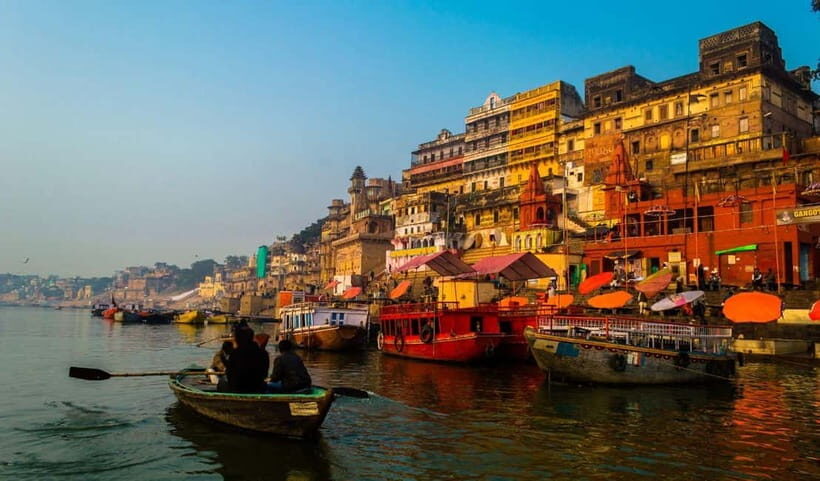
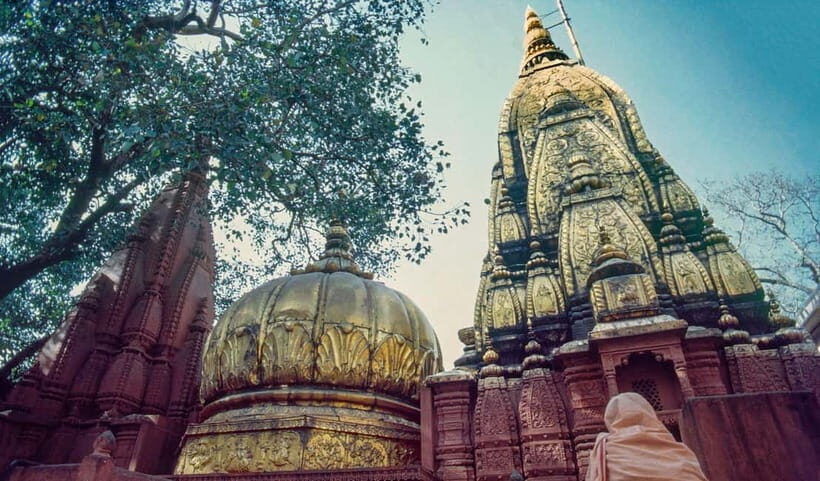
Next comes Shri Kashi Vishwanath Temple, one of the most sacred Shiva temples in India. Even if you don’t consider yourself religious, the scale and attention to detail hit you fast. The chants and rituals inside add context to the whole morning—Varanasi isn’t one “sight.” It’s a system of daily devotion.
A couple of things to plan for:
- You’ll need respectful attire, since it’s a temple environment.
- Carry minimal personal belongings inside the temple.
- Photography and videography may have restrictions, so be ready to follow signs or instructions from staff.
This is also where your guide earns their pay. If someone like Vikash or Vinit (names I’ve seen praised in this tour context) explains what different parts of the temple mean, you’ll understand more than you would walking in cold.
Markets and a local lunch: what’s included and what you’ll pay
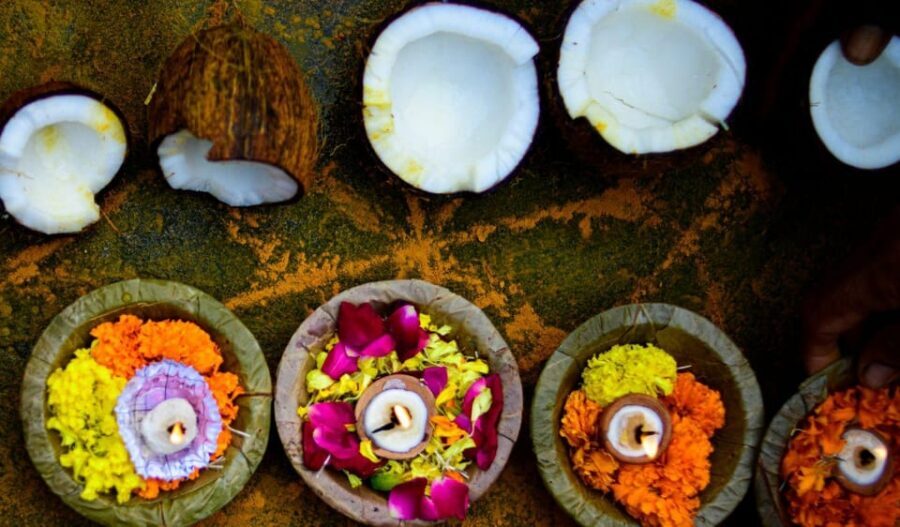
The tour includes time for a traditional lunch at a local restaurant, but meals and drinks aren’t included in the price. That means you should budget separately for food and any bottled water or drinks you want.
Here’s the upside: having a planned lunch stop saves you time in a place where finding the right spot can be stressful. And you’ll get a meal that feels like it belongs in the neighborhood, not a generic tourist place.
If you’re sensitive to spicy food, go slow. Ask for what you can handle. Also, remember the tour includes a water bottle, but you can still want extra fluids as the day heats up.
Sarnath after Varanasi: moving from present worship to ancient teaching
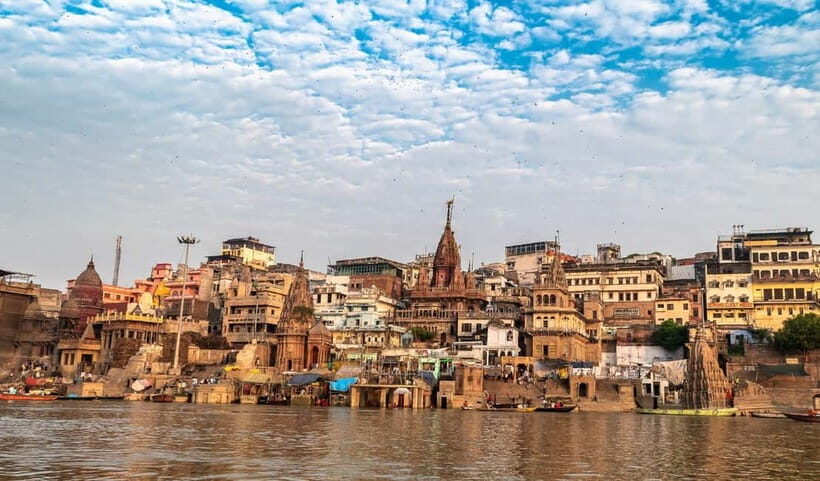
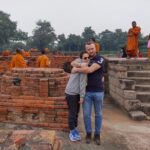
In the afternoon, you’ll drive to Sarnath, a short trip from Varanasi. This area matters because it connects with the Buddha’s early teaching—Sarnath is where his first sermon is tied in popular tradition after enlightenment.
The main stops include:
- Dhamek Stupa (a central landmark)
- Chaukhandi Stupa
- Mulagandha Kuti Vihar
Each site is more than a photo point. The guide’s job here is to connect the dots—what you’re looking at, why it’s significant, and how the architecture and layout relate to the story people associate with the place.
Practical note: even though the drive is short, the day still stacks up. Take breaks when you can, and don’t try to “power through” if you feel tired. This is one reason the day can feel intense for people with certain health conditions.


Sarnath Museum plus extra spiritual stops: BHU, Bharat Mata, Tulsi Manas
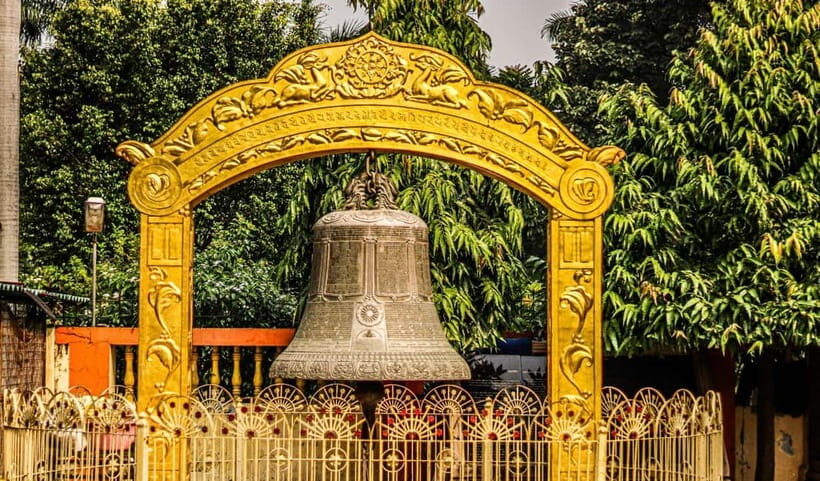
Sarnath Museum is next, and this is a smart addition because it helps you see beyond monuments. The museum houses Buddhist art and relics, with works dating back to about the 3rd century BCE (as described in the tour info). If you like understanding what you’re staring at, this is where it clicks.
Then the itinerary continues with a few additional stops:
- Banaras Hindu University
- Bharat Mata Mandir
- Tulsi Manas Mandir
Not everyone will find every one of these equally compelling, but the mix gives you a broader sense of how Varanasi holds religion and learning in the same frame. If your interest is strictly Buddhist history, focus your energy on Dhamek Stupa, the Chaukhandi Stupa area, and the museum first.
Also watch for temple photography rules again. Treat each site with the same respectful mindset you used in Varanasi.
Ganga Aarti at Dasaswamedh Ghat: the night show with real meaning
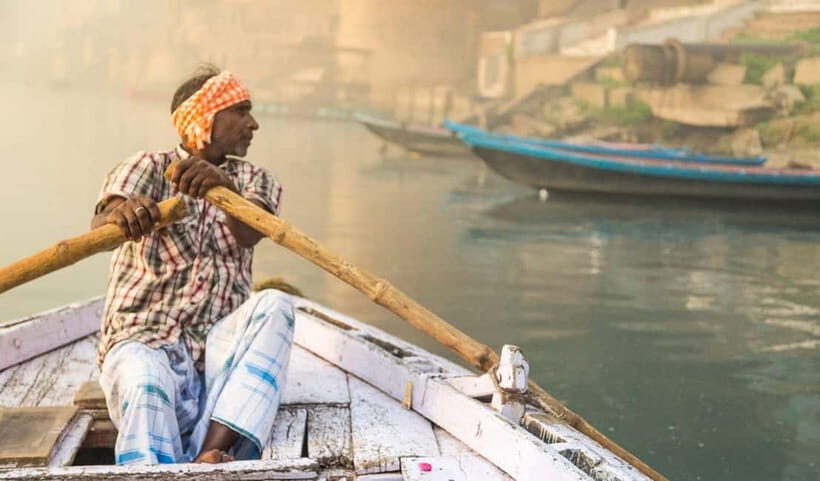
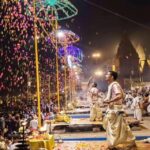
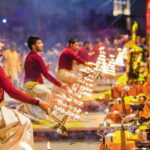
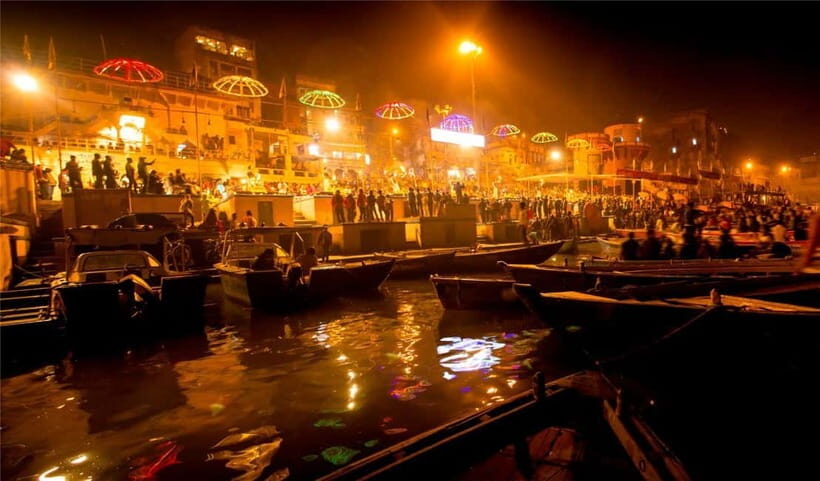
Back in Varanasi in the evening, you’ll watch Ganga Aarti at Dashashwamedh Ghat. This part is often described as mesmerizing for a reason: priests perform rituals with fire and incense, with chanting and bells keeping rhythm.
What I like most about this ending is that it brings your day full circle. You started with the calm of sunrise on the river. Now you see the devotional intensity that carries through the day—and you understand why the ghats are the heart of Varanasi life.
Tip: arrive with patience. Aarti time can mean crowds, tight viewing spots, and lots of people trying to capture the moment. Keep your body calm, follow guidance from your guide, and try to watch first before filming.
Price and logistics: is $65 per person good value?
For about 10 hours, the price (listed at $65 per person) covers several things that add up quickly in India:
- Hotel pickup and drop-off
- English-speaking live guide
- Air-conditioned private car for sightseeing and transfers
- Morning boat ride with a guide
- Water bottle and parking
The big tradeoff is what isn’t included: entry fees and food/drinks are on you. So treat the $65 as the base for guiding, transport, and the boat experience—not your total day budget.
If you’re comparing options, the value here is not just “temples and stupa.” It’s the sequencing plus guided context. You’re saving time (and confusion) by having someone handle travel between Old Varanasi and Sarnath while also explaining what matters at each stop.
If you’d rather DIY, you could piece together transport and book separate boat and guide services. But if you want one smooth plan with a knowledgeable guide, this format usually wins.
Who should book this tour (and who should skip)
This tour makes sense if:
- You want both Varanasi ghats/temples and Sarnath’s Buddhist sites in one day
- You prefer guided explanations over wandering alone
- You like early starts when the payoff is real (sunrise on the Ganges)
It may not be the best fit if:
- You have high blood pressure, since the day involves walking and temple time
- You get overwhelmed by crowded spaces or long schedules
- You want a slow, self-paced itinerary with no set windows
Also, keep in mind the rules: no alcohol and drugs, and no alcoholic drinks in the vehicle. Expect respectful attire to matter at temples, and bring an ID/passport.
Should you book this Varanasi and Sarnath day tour?
If your goal is a focused, guided day that links Varanasi’s living river rituals to Sarnath’s spiritual roots, I’d say yes. The sunrise Ganges boat ride plus the closing Ganga Aarti create a strong “bookends” effect, and the guide turns the day from sightseeing into understanding.
I’d only hesitate if you’re sensitive to intense pacing, crowds, or temple logistics. If that sounds like you, consider a slower option or save the boat and Aarti for a shorter day.
Overall, the experience feels well put together for first-timers who want the essentials done right—without the stress of mapping the day from scratch.
FAQ
How long is the Varanasi day tour with Sarnath and a boat ride?
It lasts about 10 hours.
What’s included in the price?
The tour includes hotel pickup and drop-off, a morning boat ride on the Ganges, an English-speaking live tour guide, an air-conditioned car for sightseeing and transfers, a water bottle, and all parking.
Are entry fees and lunch included?
No. Entry fees and food and drinks are not included.
Where can I get picked up and dropped off?
Pickup options include Sarnath, BSB Railway Station, Varanasi, and Cantonment Varanasi. Drop-off includes Cantonment Varanasi, BSB Railway Station, Sarnath, and Varanasi. Pickup is also described as available from any location in Varanasi.
Do I need to bring anything?
Bring a passport or ID card.
Is the tour refundable if I cancel?
Yes. You can cancel up to 24 hours in advance for a full refund.