REVIEW · VARANASI
Varanasi Boat & Tour
Book on GetYourGuide →Operated by Varanasi Boat · Bookable on GetYourGuide
Varanasi wakes up fast on the Ganga. This 3-hour mix of a morning boat ride plus a focused walking route from Assi Ghat is a practical way to see the old city’s spiritual core without feeling lost in the lanes. I especially like the way the tour pairs landmark stops with quieter lanes, and how the guide (English and Japanese options are available, with Ravi mentioned in reviews) explains what you’re actually looking at instead of just pointing.
The other big plus is the timing and flow: you get out on the water early, then continue on foot through key temples and cremation ghats, finishing with a included refreshment/breakfast. One thing to think about: cremation areas are part of the route, and there are strict photography limits there and in some temples, so if you want lots of pictures, this may frustrate you.
In This Review
- Key highlights worth putting on your radar
- Varanasi’s Assi Ghat start sets your pace
- The 3-hour flow: boat ride, then a guided walk through old Varanasi
- Boat time on the Ganga: why this view matters more than you’d think
- Walking from Assi Ghat: temples, lanes, and the akhara stop
- Harishchandra Ghat cremation context: what you should be ready for
- Mankarnika Ghat: the bigger cremation site and the most intense stop
- Moghul area workshops: silk and manual looms on the way to the meaning
- Tea, water, and breakfast: the small comfort that makes walking easier
- Price and value: what $35 gets you in 3 hours
- What to wear and what rules to expect
- Weather and river conditions: how the plan can change
- Who this private tour suits best (and who should skip it)
- Should you book this Varanasi boat and walking tour?
- FAQ
- How long is the Varanasi Boat & Tour?
- Where do I meet for the tour?
- What languages are the guides available in?
- Is this tour private?
- What’s included in the price?
- What is not included?
- What are the main activities during the tour?
- What if sunrise conditions are poor or the boat can’t run?
- Can I cancel and get a full refund?
- Is the tour suitable for everyone?
Key highlights worth putting on your radar
- Sunrise boat from Assi Ghat for classic first-light views of the ghats
- Walking route with temple stops and an akhara (gym) for context beyond the obvious sights
- Harishchandra Ghat cremation visit explained with how Hindu cremation is practiced
- Mankarnika Ghat walk for the scale and meaning of Varanasi’s main cremation area
- Moghul area craft workshops where Varanasi silk and fabrics are made on manual looms
- English/Japanese live guide and private-group pacing
Varanasi’s Assi Ghat start sets your pace
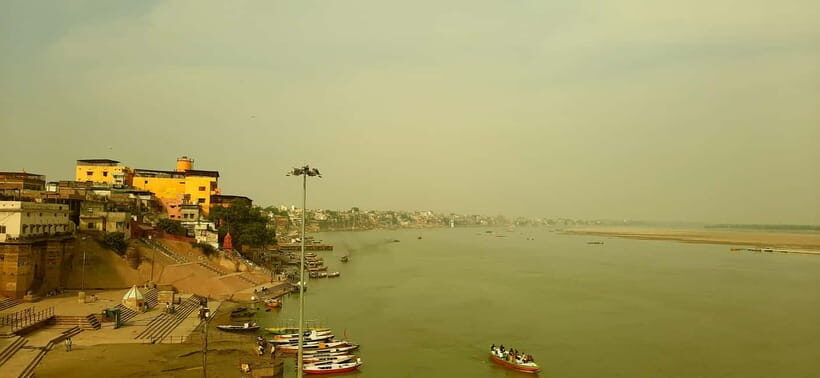
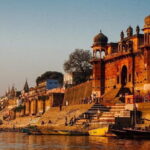
Assi Ghat is one of those starting points that instantly puts you in the right frame of mind. You’re on the river’s edge, surrounded by daily life and ritual, with the city pulling you forward in every direction. The tour uses that energy smartly: you begin at Assi Ghat, meet at Subah E Banaras Ghat, and then build your experience step-by-step—boat first, walking after.
I like that this isn’t a “check boxes and leave” plan. The walking portion is meant to connect religion, history, and what you’ll physically see: temples, narrow lanes, and cremation ghats. And because it’s a private group, you’re less likely to feel like you’re getting swept along with a crowd.
You’ll also want to be comfortable with spiritual intensity. Varanasi can feel intense on the senses—smells, sounds, the closeness of people and processions. If you expect a relaxed city stroll only, you might be surprised. But if you want understanding, this route is built for that.
You can also read our reviews of more boat tours in Varanasi

The 3-hour flow: boat ride, then a guided walk through old Varanasi
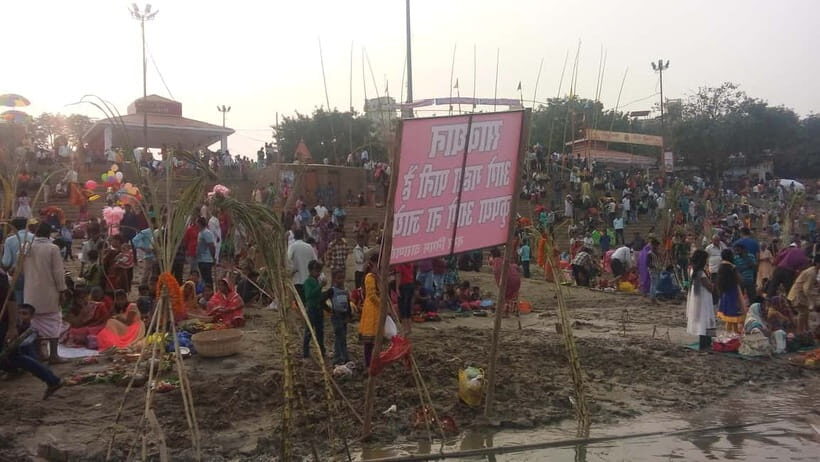
This is a 3-hour experience with two main modes: time on the sacred Ganga by boat, then a walking tour focused on the old city’s most meaningful places. The exact rhythm can vary with conditions, but the structure stays the same: start at Assi Ghat, do the river segment in the morning timeframe, and continue walking through temple areas and cremation ghats.
Here’s how the route reads on the ground:
- You start at Assi Ghat and head into the old-city walking section.
- You visit a traditional akhara (gym), then move into narrow streets that typical sightseeing circuits often skip.
- You reach smaller cremation-ground context first (Harishchandra Ghat), and then continue onward to the larger cremation ghats, including Mankarnika.
- Along the way, you stop at important temples and also make time to pass through areas tied to local crafts, including the Moghul area.
It’s a lot of “meaning per minute.” That’s good value, but it also means you’ll be paying attention. If you’re the type who needs a long sit-down break every hour, plan accordingly.
Boat time on the Ganga: why this view matters more than you’d think
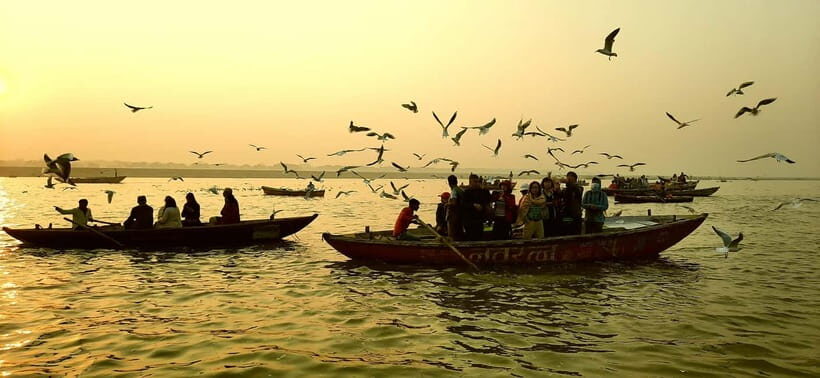
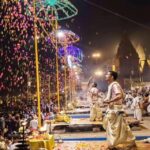
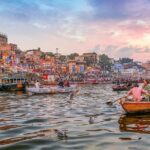
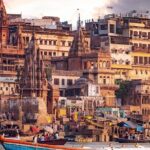
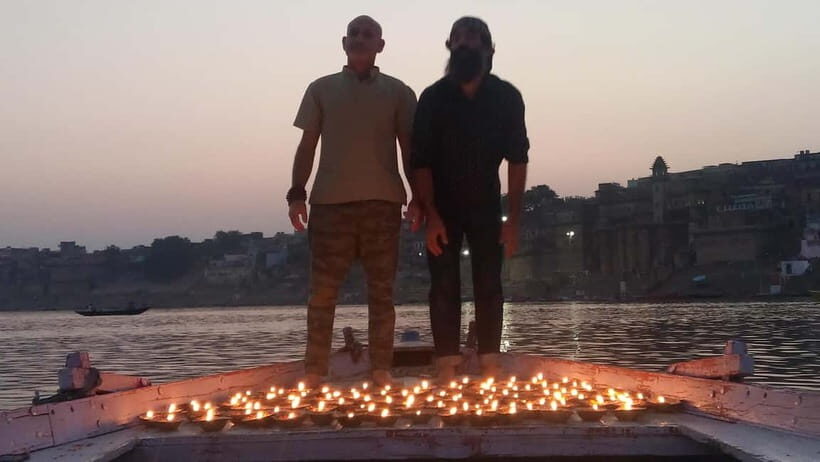
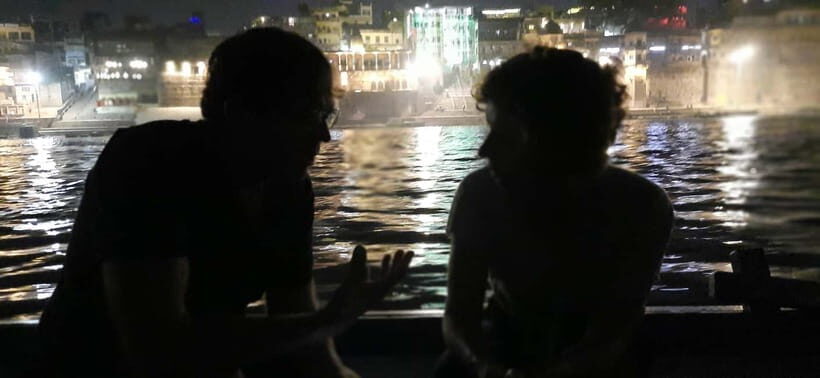
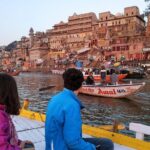
The morning boat segment is the spine of the tour. From the water, Varanasi’s ghats aren’t random buildings along a river—they become an organized system. You see how the riverfront connects neighborhoods, rituals, and the city’s daily rhythm.
In one shared route described in reviews, the boat ride from Assi to Mankarnika includes views along the ghats—sometimes described as passing around 84 ghats en route. Even if your exact counts differ, the effect is similar: you get “the map” of Varanasi’s river life without needing to walk every meter.
Two practical notes I’d take seriously:
- Sunrise can be affected by weather. Fog happens. In one case, sunrise visibility was too poor, and the guide adjusted the plan rather than forcing a disappointing trip.
- River conditions can sometimes affect boat access. In one review, when the river was too high to ride, the guide still took the group on the walking tour so the experience didn’t collapse.
Also, boat choice can vary. One review notes that a larger two-level tourist boat was used because it helps cover more ghats, but the guide still accommodated a preference for a smaller, faster boat when possible. That kind of flexibility is a real quality signal.
Walking from Assi Ghat: temples, lanes, and the akhara stop
After the river time, you shift into the old-city lanes. This is where the tour earns its keep. Varanasi isn’t best understood from a single landmark. It’s understood through sequences—turn, see, explain, walk again.
The walking route starts from Assi Ghat and includes an early orientation with history and religion. Expect discussion of Varanasi’s role as one of the most ancient inhabited cities, plus references to major Hindu traditions and deities such as Shiva, Durga, Ganesha, Ganga (mother Ganga), Krishna, and Vishnu. Even if you already know a bit, having the guide link those names to what you’re facing in real life changes the experience.
One of the most interesting stops is the traditional akhara (described as a gym). It matters because it’s not only temples and processions—you also see how disciplined practice fits into spiritual culture. If you like cultural context that goes beyond icon-only sightseeing, this is a good inclusion.
Then comes the part you’ll feel in your legs: narrow streets and quieter corners. The tour is designed to take you past areas most people don’t automatically find. I like that this reduces the “tourist funnel” feeling. You still get the major points, but you also get a sense of how local paths weave through daily life.
Harishchandra Ghat cremation context: what you should be ready for
Harishchandra Ghat is a small cremation area on the route, and it’s handled in a learning-first way. The tour includes an explanation of how cremation is performed after death in Hindu tradition. That’s not a casual stop. It’s a moment that demands respect, patience, and a willingness to witness something you may not be used to seeing on vacation.
There are also clear photography limits. Photography at cremation places is not included, and inside rules for temples can restrict shots too. If you’re coming for Instagram-style visuals, calibrate your expectations now. Bring your camera only if you’re okay with not using it in certain sections.
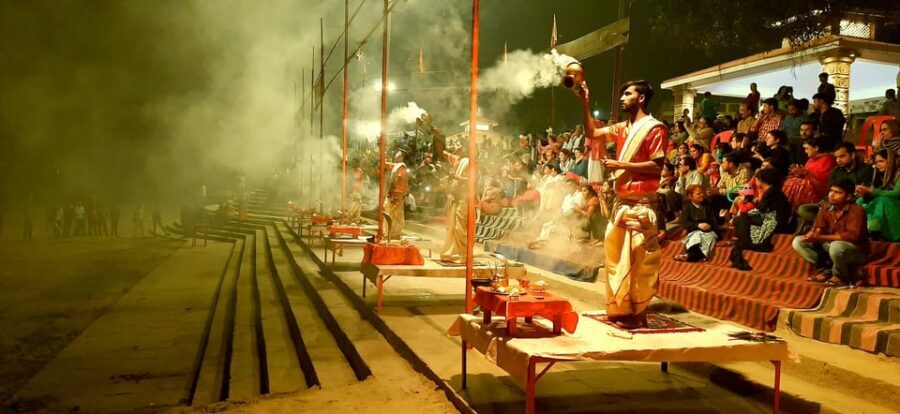
I’d also suggest you mentally set this up as an educational stop, not a spectacle. With the guide explaining what you’re seeing, the experience tends to feel less shocking and more meaningful. That’s exactly the benefit of a strong guide presence—Ravi is specifically described as empathetic and attentive in reviews, including caring touches like bringing chai and making sure you’re comfortable with seating during ceremonies when timing allows.
Mankarnika Ghat: the bigger cremation site and the most intense stop
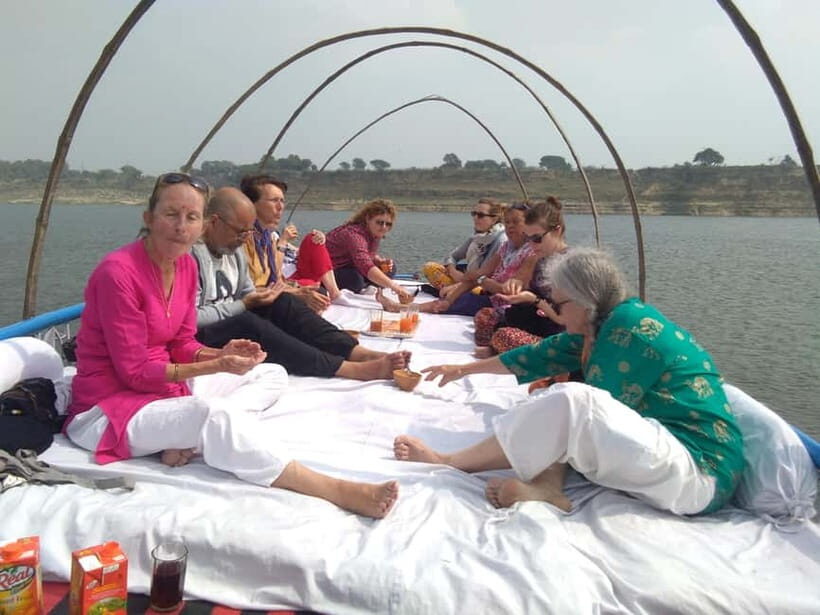
After Harishchandra Ghat, you continue on foot to Mankarnika—described as the big cremation ghat. This is where the scale becomes obvious. The tour uses walking time to get you there gradually, not suddenly. That pacing matters because your brain needs time to shift from “sightseeing mode” to “understanding mode.”
You’ll also understand why Varanasi holds such a spiritual gravity in Hindu life. The guide’s role here is key: without explanations, the place can feel confusing. With explanations, it becomes about practice—belief, ritual, and what people do with death and release.
Again, photography restrictions apply at cremation areas. And you should expect that the atmosphere might be emotionally heavy. If you’re traveling with small kids, or if you personally struggle with end-of-life rituals, consider a different Varanasi tour focus. But if you can handle it thoughtfully, this stop is a central part of why Varanasi tours exist at all.
Moghul area workshops: silk and manual looms on the way to the meaning
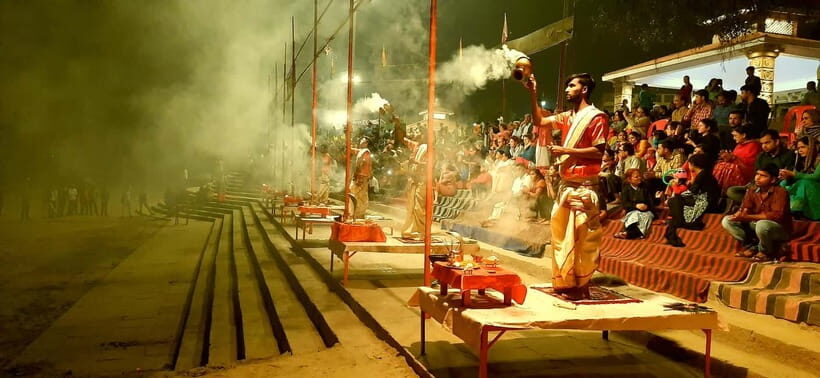
One of the more “everyday culture” elements in the route is the walk through an area called Moghul. It’s known for workshops where Varanasi silk and fabrics are made using manual looms.
This matters because it adds a second layer to the story. Varanasi isn’t only about temples and rituals. It’s also about hands-on craft—work that continues even while people gather for ceremonies. The walking route’s design lets you connect sacred spaces with livelihood spaces, which is often what makes a city feel real.
If you’re the type who likes seeing how things are made—rather than only buying finished souvenirs—this is worth paying attention to. You’ll likely come away with more respect for the time and skill behind the textiles.
Tea, water, and breakfast: the small comfort that makes walking easier
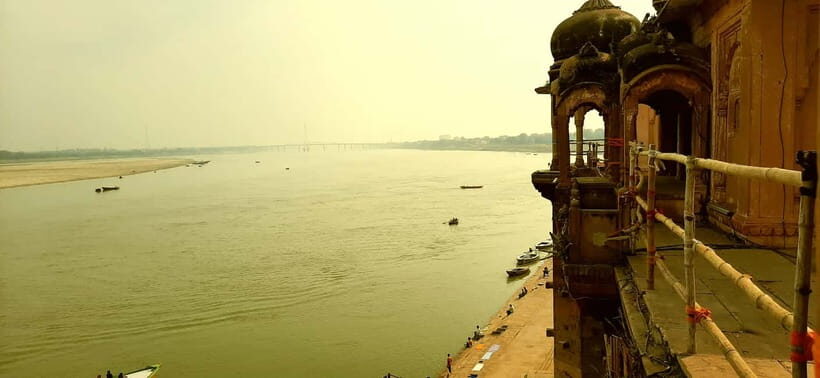
The tour includes mineral water, tea/coffee, and local and traditional breakfast. In a city where your plans may involve stairs, crowded lanes, and early timing, this kind of included comfort is practical value. You don’t have to hunt for snacks mid-route.
Reviews also mention the guide providing chai and helping guests get comfortable, including situations where timing shifts due to fog and the team organizes the experience so you still get what you came for. That human care matters on this kind of tour, because the city can be a sensory overload.
If you’re sensitive to strong smells or heavy foot traffic, treat this as your reset moment. Drink water. Take a slow breath between stops. You’ll enjoy the explanations more.
Price and value: what $35 gets you in 3 hours
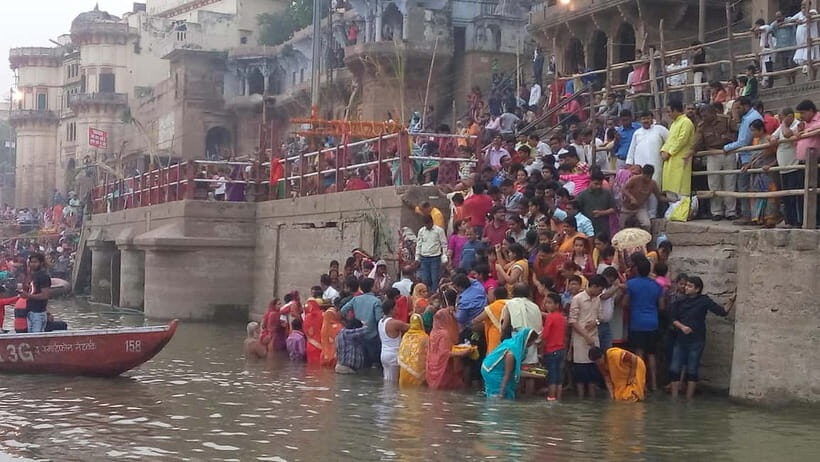
At $35 per person for a 3-hour private-group experience, the value comes from the mix: you’re not paying for only a boat ride or only a walking tour. You’re paying for coordinated access, a live guide who explains major themes, and multiple high-impact stops that would be hard to organize smoothly on your own.
Here’s the honest breakdown of what adds up:
- A boat segment on the Ganga as part of the plan
- Guided walking through temples and narrow lanes
- Stops tied to both belief and everyday culture (akhara, Moghul workshops)
- Cremation-ritual context at Harishchandra and Mankarnika (with rules that require local knowledge)
- Included drinks and traditional breakfast
Not included are certain photography permissions (especially at cremation places and inside some temples). You’re also on your feet, so the real “cost” for you might be energy level, not money.
What I’d do with $35 in Varanasi: I’d see it as paying for clarity. A good guide saves you from guessing what things mean.
What to wear and what rules to expect
This is a walking-heavy experience, so dress for steps and uneven ground. High-heeled shoes are not allowed, and alcohol and drugs are prohibited. Alcoholic drinks in the vehicle are also not allowed.
You also shouldn’t plan on photos where prohibited at cremation places or in certain temple interiors. Nudity is not allowed.
If you want the experience to feel respectful (and not stressful), come ready to follow the rules and focus on the guide’s explanations. That’s also the easiest way to avoid awkward moments.
Weather and river conditions: how the plan can change
One of the most useful things to understand upfront is that the route is at the mercy of real conditions. Sunrise can be foggy. River levels can rise.
The good news is that guides can adapt. Reviews include examples where:
- Fog prevented sunrise visibility, and the guide adjusted so the group could take a boat later once visibility improved.
- Boat access was limited due to river flooding, but the guide still ran the walking tour and took the group to places you might not access alone.
So if your trip date has unreliable weather, this isn’t automatically a lost day. It becomes a “do the plan the best way possible” situation.
Who this private tour suits best (and who should skip it)
This tour fits you if you want:
- A private-group pace with an English or Japanese guide
- A morning start and a clear route through the old city
- A mix of temples, crafts, and cremation-ritual context
- Learning you can use right away while walking
It may not fit if:
- You need wheelchair accessibility (wheelchair users are not suitable)
- You’re over 70 years old (not suitable)
- You’re hearing-impaired (not suitable)
- You’re uncomfortable with cremation areas and the emotional weight that can come with them
If you’re a first-timer to Varanasi and want one structured, guided hit that covers the spiritual “why” as well as the “where,” this is a strong choice.
Should you book this Varanasi boat and walking tour?
Book it if you want the city’s soul in a tight time window: river views in the morning, a guided walk through temple history and local craft, and cremation ghats explained with context. The $35 price makes sense for what you’re getting—especially because it’s guided, private, and includes refreshments and breakfast.
Skip it if photography is your main goal, because cremation areas and some temple interiors have restrictions. Also skip or choose a gentler option if cremation rituals will be too emotionally difficult for you.
If you do book, pick the right mindset. Show up ready to walk, listen, and respect what you’re seeing. That’s when this tour turns from sightseeing into understanding.
FAQ
How long is the Varanasi Boat & Tour?
The duration is 3 hours.
Where do I meet for the tour?
Meet at Assi Ghat at a place called Subah E Banaras Ghat.
What languages are the guides available in?
The live tour guide is available in English and Japanese.
Is this tour private?
Yes, it’s a private group.
What’s included in the price?
Included items are mineral water, tea/coffee, and local and traditional breakfast.
What is not included?
Photography at both cremation places is not included, and photography inside some temples is also not included.
What are the main activities during the tour?
You can expect a walking tour through old temple areas and the city, plus a morning sunrise boat ride on the sacred Ganga. You also visit cremation ghats along the route and stop in the Moghul area where silk and fabrics are made on manual looms.
What if sunrise conditions are poor or the boat can’t run?
The tour is set up for sunrise with a boat, but conditions like fog or river level can affect visibility or boating. The experience can be adapted so you still get the guided city and walking parts.
Can I cancel and get a full refund?
Yes. You can cancel up to 24 hours in advance for a full refund.
Is the tour suitable for everyone?
No. It is not suitable for wheelchair users, people over 70 years, or people who are hearing-impaired. High-heeled shoes, alcohol and drugs, and fireworks are also not allowed.