REVIEW · THIRUVANANTHAPURAM
Heritage Trivandrum Photography Walk Tour With Tuk Tuk Ride
Book on GetYourGuide →Operated by Yo Tours · Bookable on GetYourGuide
Trivandrum begs to be photographed. This heritage walk strings together fort walls, temple stops, and palace corners in a way that’s easy to follow, with a guide who can explain what you’re seeing as you shoot. I especially like the English/Hindi storyteller guide approach and the chance to get tuk tuk transport between key photo points. One thing to factor in: timing can be a bit variable depending on start-time changes and how the tuk tuk is handled on the day.
You’ll see the city through the places most people skip—especially around East Fort, the ponds and lanes near the temple complex area, and the viewpoints that come with walking the old fort zone. In past groups, guides such as Siddharth and Biju have been singled out for clear explanations and helpful, practical tips that make the buildings feel personal instead of just impressive.
If you’re the kind of photographer who wants everything on a strict timetable, this might not feel perfect. If you’re happy to flex your pace, confirm details before you meet, and treat it like a guided photo stroll with stops for stories, you’ll likely get a lot out of it.
In This Review
- Key Highlights You’ll Actually Care About
- Why This Tuk Tuk Photo Walk Works in Trivandrum
- East Fort Start: Getting Your Bearings Before the Temple Stops
- Padmatheertha Pond: A Calm Photo Stop With a Strong Sense of Place
- Maharaja Swathi Thirunal Palace: Former Royal Residence, Real Photo Potential
- Ananthankadu Sree Nagaraja Temple Trust: The Snake God Angle
- Sree Padmanabhaswamy Temple: World-Famous Riches, Photo-Ready Expectations
- Sundara Vilasom Palace and West Fort Finish: Closing the Loop
- Price and Value: What $27 Gets You for Two Hours
- The Real-Smart Way to Prepare (So You Don’t Miss the Good Shots)
- Who This Tour Fits Best (And Who Might Want Something Else)
- Should You Book This Heritage Trivandrum Photography Walk?
- FAQ
- FAQ
- How long is the Heritage Trivandrum Photography Walk Tour with Tuk Tuk Ride?
- Where does the tour start and where does it finish?
- What languages does the guide speak?
- What’s included in the tour price?
- What sites are included in the visit?
- Is hotel pickup and drop-off included?
- What should I bring for the tour?
- What’s the cancellation policy?
Key Highlights You’ll Actually Care About
- East Fort + fort-zone photo points that help you understand how Trivandrum grew and why the main sites cluster where they do
- Padmatheertha Pond as an early stop to reset your eye for color, stone, and temple-area geometry
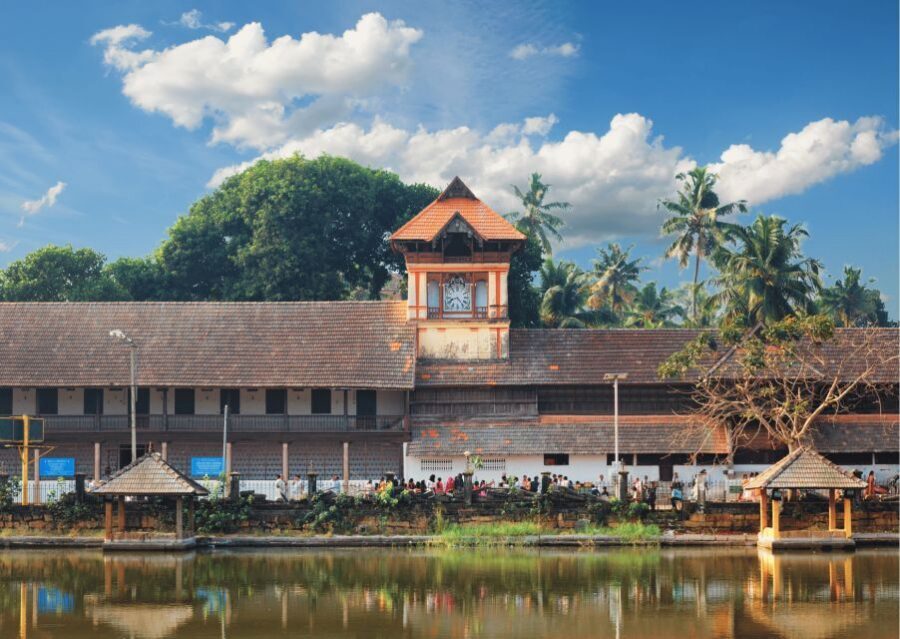
- Maharaja Swathi Thirunal Palace (former royal residence with a museum) for palace-meets-history visuals
- Sree Padmanabhaswamy Temple views as one of the most talked-about pilgrimage sites in the region
- Ananthankadu Sree Nagaraja Temple for snake-god symbolism—great for cultural context in your photos
- Sundara Vilasom Palace and West Fort finish to close the loop with more fort walls and architecture
Why This Tuk Tuk Photo Walk Works in Trivandrum
Trivandrum can feel slow if you’re only checking boxes. But when you move by tuk tuk and walk with a guide who knows the meaning behind the scenes, the city clicks into focus fast. You’re not just hunting for photos. You’re learning what to notice: how temples sit in the fort area, how palaces relate to public space, and how locals move through narrow lanes without treating them like scenery.
The tour is built for practical photography too. You get multiple short photo stops rather than one long lecture. That matters because temples and old streets are where light shifts quickly and your best shot happens when your feet are already positioned.
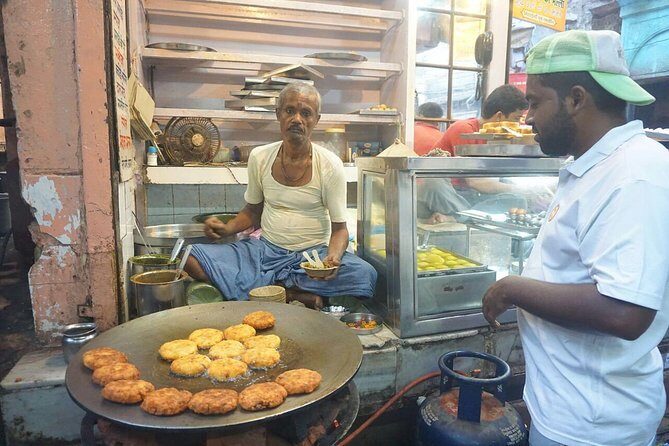
Also, the guide isn’t just pointing. The best part is the storytelling layer. Some guides—like Siddharth, who’s been described as very strong in English and attentive to meeting details—help you connect architecture and Hindu traditions to what’s in front of your camera. Another guide, Biju, has been praised for fun, local explanations and even sharing a local snack, boli, during the walk. That kind of detail is what makes your photos feel like they belong to a place, not a postcard.
You can also read our reviews of more walking tours in Thiruvananthapuram


East Fort Start: Getting Your Bearings Before the Temple Stops
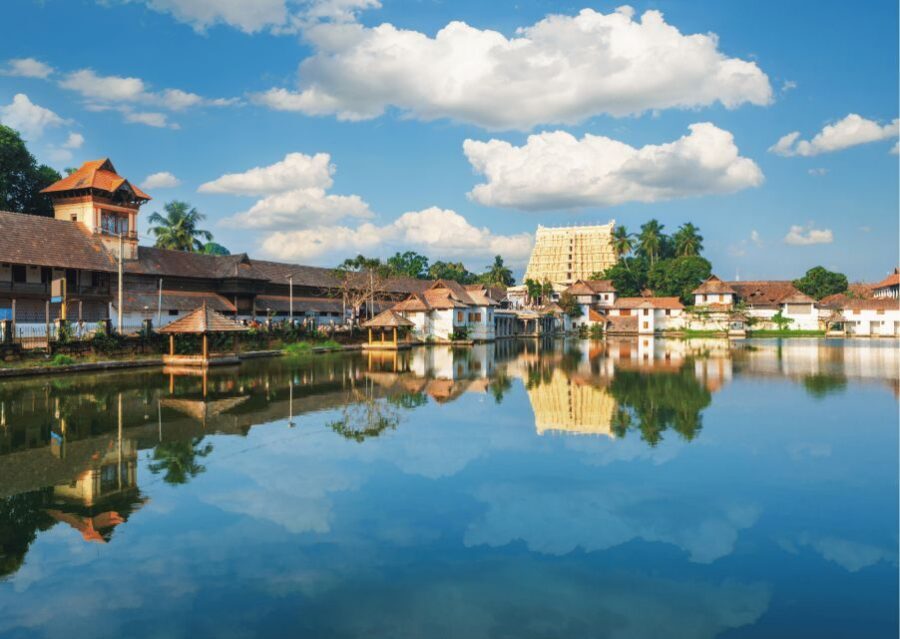
You begin at East Fort, which is a smart move. Starting in a fort zone gives you structure right away. You can look for patterns: where walls and gates frame the streets, how key religious sites sit within the larger historical layout, and where the city’s energy is moving.
This first section is also a warm-up for your photography rhythm. You’re walking through streets and architectural edges that help you “read” Trivandrum—doorways, window spacing, stone surfaces, market-adjacent views, and the everyday motion of residents. If you’ve ever taken a walk where every photo feels random, the East Fort start helps prevent that.
Padmatheertha Pond: A Calm Photo Stop With a Strong Sense of Place
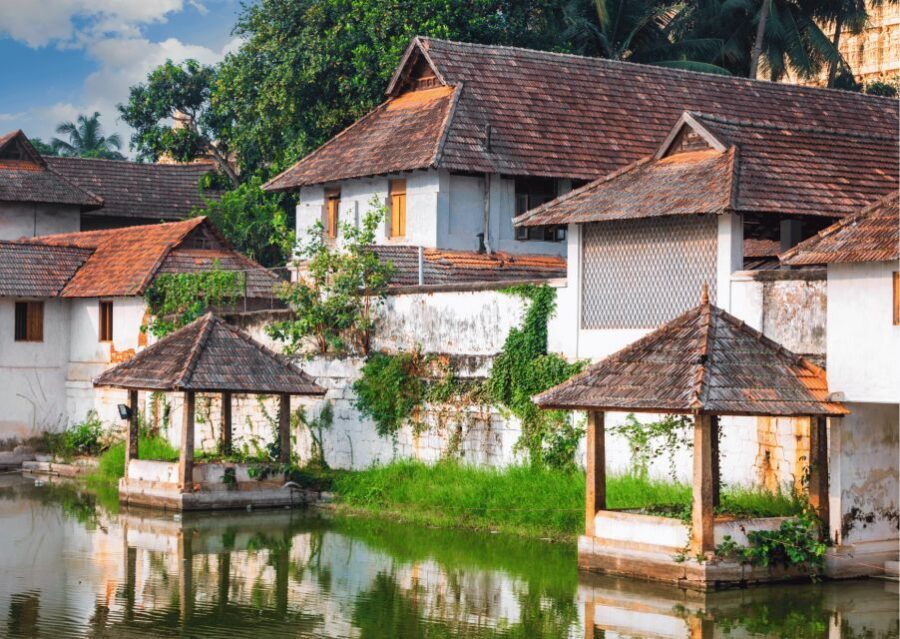
Next comes Padmatheertha Pond, with a guided photo stop and short tour time. Ponds in temple cities often act like visual anchors. Even when you’re not photographing the water itself, the pond area gives you a place to slow down and compose: temple-area lines, nearby walls, and the way people gather around water-adjacent space.
This is also a good place to check your gear. You’ll want your camera settings ready before you hit higher-intensity stops like palace exteriors and major temples. If you’re carrying a smartphone, this is where you can do quick framing tests—horizontal versus vertical shots, and how you like to expose bright stone and darker temple recesses.
Maharaja Swathi Thirunal Palace: Former Royal Residence, Real Photo Potential
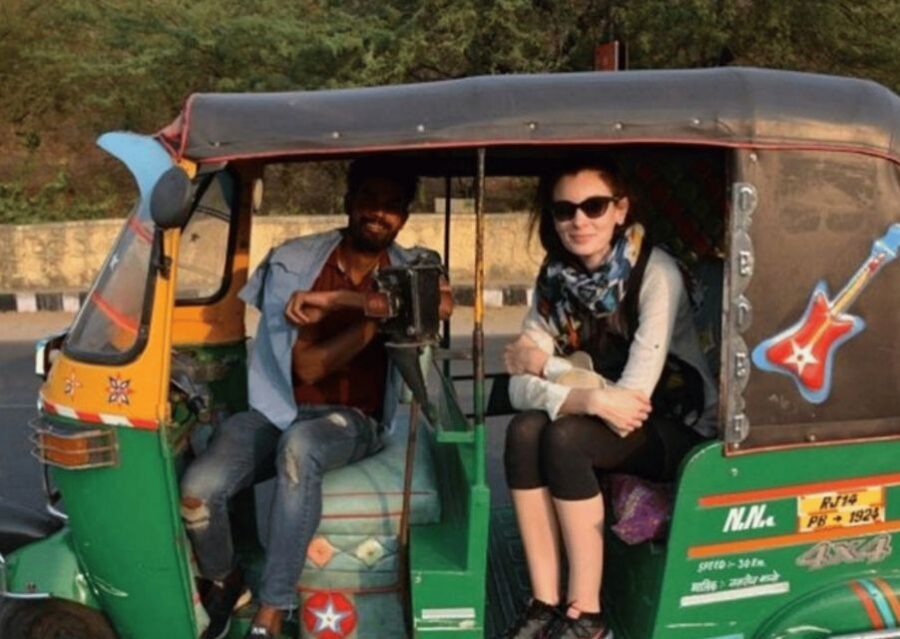
Then you move to Maharaja Swathi Thirunal Palace, described as a former royal residence with a museum. This is where the tour’s “heritage” part becomes more than temples. Palaces add scale, symmetry, and the kind of decorative details that look great in both wide shots and tighter crops.
What I like about this stop is the context. Without explanations, palace buildings can feel like you’re only photographing surfaces. With a storyteller guide, you start noticing why certain elements are where they are—how royal spaces connect to public life and why these buildings still matter in modern Trivandrum.
Photo tip: treat this like your architecture segment. Look for corners, repeated window patterns, and entrances that give you a strong foreground subject. You’ll usually come away with more “keeper” frames here than you expect—especially if you’re not rushing.
Ananthankadu Sree Nagaraja Temple Trust: The Snake God Angle
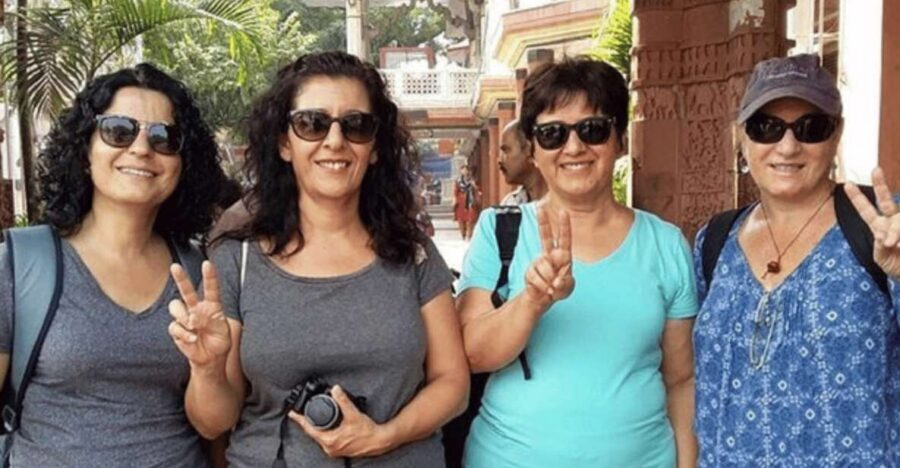
A stop at the Ananthankadu Sree Nagaraja Temple Trust brings a different kind of meaning into your camera view. The temple is devoted to the Snake God, Sree Nagaraja, and that religious focus changes how you’ll interpret symbols and motifs around the site.
Even if you don’t photograph religious iconography in a close-up way, this stop can upgrade your whole set. It gives you cultural context, so your temple-area shots don’t feel like generic “old buildings.” Instead, they start to tell a story: devotion, symbolism, and local belief made visible in architecture and ritual space.
Time here is shorter (a photo stop plus guided guidance), so you’ll want to move with purpose. Don’t spray every frame. Choose your best vantage points, wait for the right moment, and let the guide’s explanation guide what you photograph.
You can also read our reviews of more historical tours in Thiruvananthapuram
Sree Padmanabhaswamy Temple: World-Famous Riches, Photo-Ready Expectations
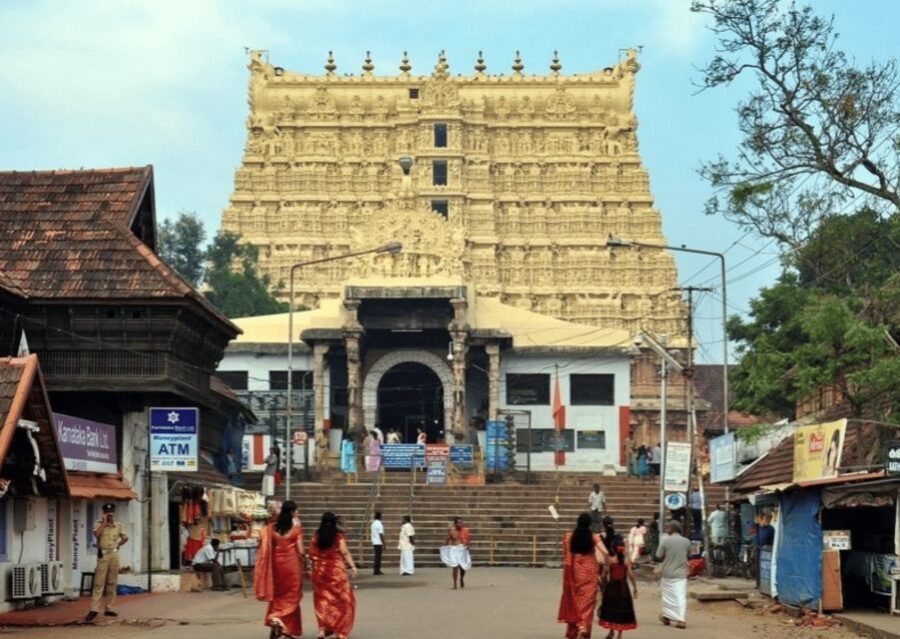
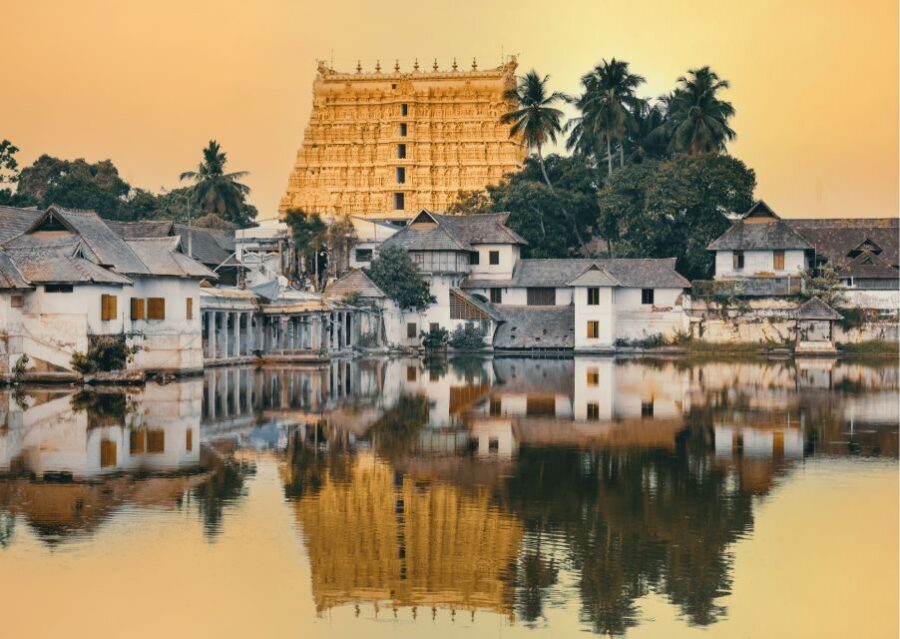
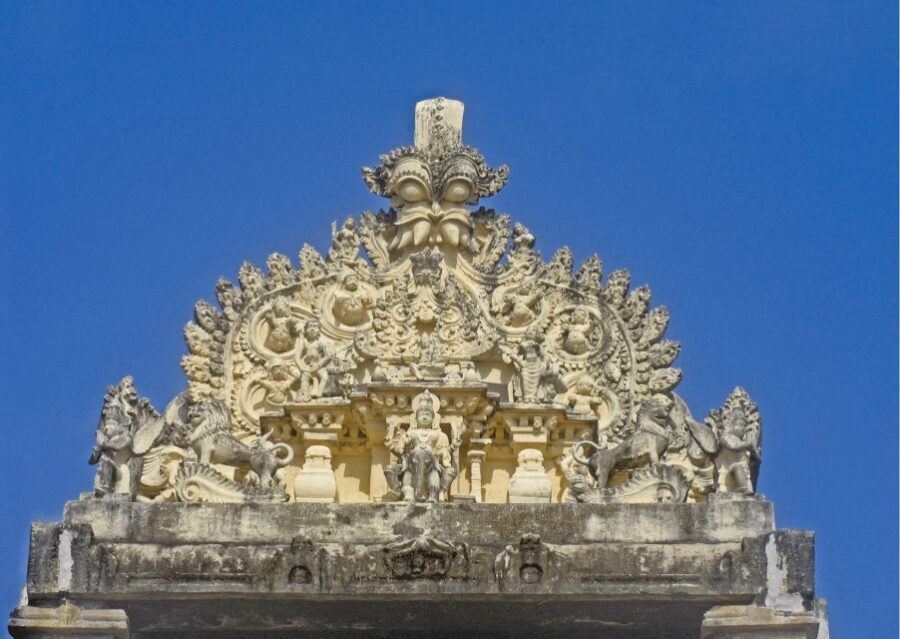
The tour includes a stop at Sree Padmanabhaswamy Temple, widely considered among the world’s richest. Even if you’ve heard the name before, the real value of having a guide is not the hype—it’s how to look.
This is the kind of place where you can easily end up with blurry, backlit shots if you’re scrambling. With the guide, you can plan your photo sequence: wide/context frames first, then smaller details, then a final “signature shot” when the scene settles.
Practical reality: major temples can have rules and busy rhythms. You may not get the same freedom you’d get at a museum entrance. The tour is designed around guided access to viewpoints and passing moments, so you’re not left figuring out what’s allowed while holding your phone above your head.
Sundara Vilasom Palace and West Fort Finish: Closing the Loop
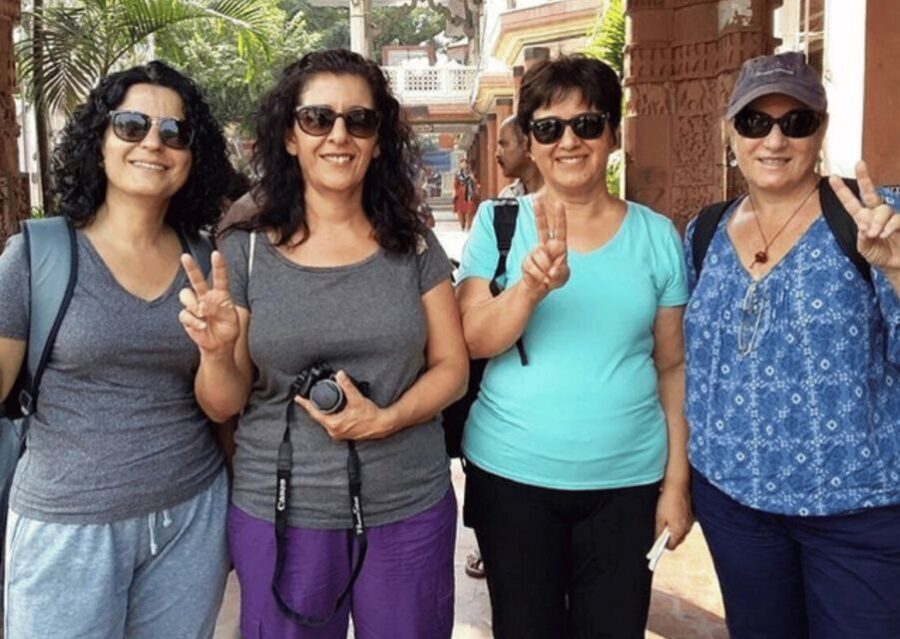
After the temple segment, you’ll head toward Sundara Vilasom Palace for another photo stop and guided walk/pass-by time. Palaces here keep the architectural theme going, but with a different feel than the earlier royal residence. This section helps you compare shapes, layouts, and visual styles across the fort zone.
Finally, you finish at West Fort, Pazhavangadi, Thiruvananthapuram. Finishing in the fort area is helpful for photography because your “ending images” tend to look consistent with your “starting images.” You can build a clean story across your camera roll: East Fort → temple zone → palace elements → West Fort closure.
If you like taking a set of photos that flows like a mini visual essay, this ending helps. If you prefer mixing city life and monuments more randomly, you might wish for more time in markets or streets beyond the fort corridor—but that’s not the focus of this particular tour.
Price and Value: What $27 Gets You for Two Hours
At $27 per person for a 2-hour guided experience, the value depends on one thing: whether the transportation and timing work cleanly on your day.
On paper, you’re paying for more than a walk. You get:
- A guide who speaks English and Hindi
- A storytelling approach (so your photos have meaning)
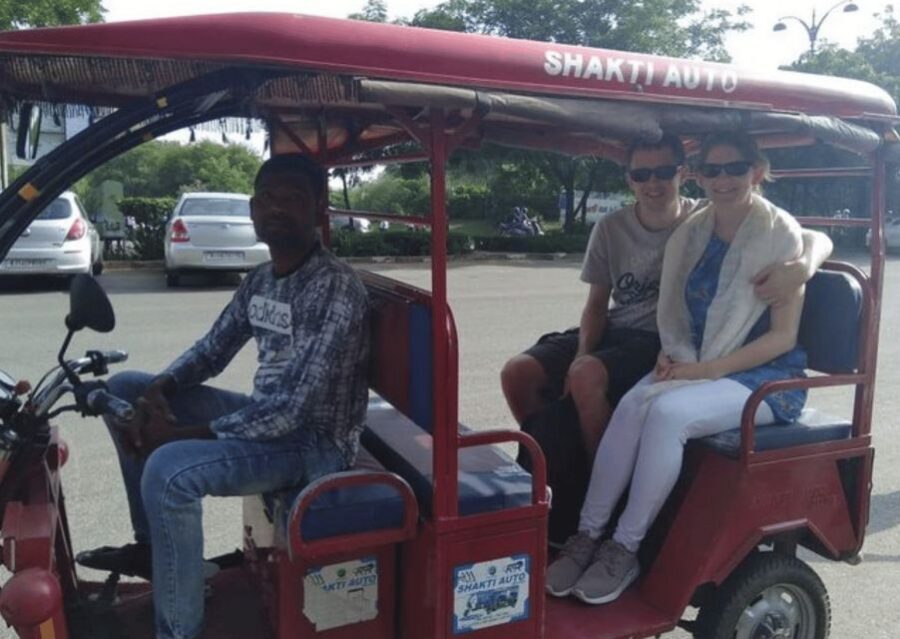
- Tuk tuk between points
- Access to places and lanes you’d likely miss on your own
Where value can wobble is scheduling. Some tours have run later than stated, and on a couple of occasions, the tuk tuk ride wasn’t delivered the way the ticket language suggests. That doesn’t mean the tour is consistently bad—it means you should plan like a smart traveler: confirm the day-of details and be ready for small schedule reshuffles.
Still, if you want a guided heritage photo route that’s faster than self-navigation and richer than just temple admission tickets, this price can feel fair. Especially if you’re someone who wants context and local guidance, not just a checklist.
The Real-Smart Way to Prepare (So You Don’t Miss the Good Shots)
Bring comfortable clothes. You’ll be walking and you’ll want fabric that works in warm conditions. Bring your camera and a charged smartphone, plus a power bank if you’re shooting a lot. This tour is photography-forward, so dead batteries are the enemy.
One more preparation move I’d recommend: plan to communicate clearly before you start. In past runs, guides such as Siddharth have texted guests to help them meet up on time, and that kind of pre-arrival coordination can make the whole tour smoother. If meeting instructions are unclear, you’ll want to be proactive—go early, locate the guide, and get confirmation on timing and the end plan.
Who This Tour Fits Best (And Who Might Want Something Else)
This tour fits you if:
- You want heritage photography with explanations, not just picture-taking
- You like guided walking that keeps you on track
- You’d rather pay for local navigation and cultural context than manage it alone
- You enjoy temples and palace architecture, and want them stitched together into one story
It may not fit you as well if:
- You need a perfectly timed schedule with zero changes
- You’re expecting a longer, car-style sightseeing loop
- You want heavy food stops. Drinks and food aren’t included, though some guides have been known to share a local snack like boli during the walk
If you’re flexible and photo-focused, you’ll likely have a good time.
Should You Book This Heritage Trivandrum Photography Walk?
I’d book it if you’re coming to Trivandrum for a short window and you want your photos to come with context—especially around the East Fort area, Padmatheertha Pond, royal palace stops, and the Sree Padmanabhaswamy Temple zone. The guide factor matters a lot here, and the tour’s best moments tend to happen when the storytelling is strong.
Before you commit, do two quick checks:
- Confirm what the tuk tuk covers on your specific departure and how the return is handled after the West Fort finish.
- Double-check meeting point details and be ready for possible start-time shifts if weather or timing conditions change.
If you handle those two things, this is a solid value way to experience Trivandrum as a photographer, not just a visitor.
FAQ
FAQ
How long is the Heritage Trivandrum Photography Walk Tour with Tuk Tuk Ride?
It’s listed as a 2-hour tour.
Where does the tour start and where does it finish?
It starts at East Fort and finishes at West Fort, Pazhavangadi, Thiruvananthapuram, Kerala, India.
What languages does the guide speak?
The live guide speaks English and Hindi.
What’s included in the tour price?
Included are a story-focused guide (English & Hindi), a tuk tuk, local tips and recommendations, and access to hidden lanes and places.
What sites are included in the visit?
You’ll visit or pass by East Fort area sights including Padmatheertha Pond, Maharaja Swathi Thirunal Palace, Ananthankadu Sree Nagaraja Temple Trust, Sree Padmanabhaswamy Temple, Sundara Vilasom Palace, and West Fort.
Is hotel pickup and drop-off included?
No, hotel pickup and drop-off are not included.
What should I bring for the tour?
Bring comfortable clothes, a camera, a charged smartphone, and a power bank.
What’s the cancellation policy?
You can cancel up to 24 hours in advance for a full refund.