REVIEW · THIRUVANANTHAPURAM
Vibrant Markets of Trivandrum (2 Hours Guided Walking Tour)
Book on GetYourGuide →Operated by Yo Tours · Bookable on GetYourGuide
Two hours, and Trivandrum’s markets wake up. This guided walking tour threads together three big market zones, so you see how locals shop for everyday needs and special gifts, all with a storyteller explaining what’s what.
I like the focus on old-and-new retail at the same time: the Connemara Market look and feel, then the packed lanes of Chalai Bazaar. I also like that the guide works at your pace and steers you toward items worth your time, from spices and textiles to metalwork, jewelry, and even antique-coin style curios.
One caution: this is a shopping-and-street-stalls tour. If you’re hoping for major monuments or lots of quiet side streets, you may find some market sections feel like the same neighborhoods again, just with different shops.
In This Review
- Key Things to Know Before You Go
- Entering Trivandrum’s Markets Fast: Two Hours, Three Zones
- Starting at Kerala Government Secretariat: Where You’ll Meet and Orient
- Connemara Market (Palayam): The Oldest Market Feel, Arches Included
- Chalai Bazaar: Kerala’s Busiest Street Market for Daily Life
- MG Road Market Stops: Kathakali Masks, Coir, Brass, and Wood
- Shopping With a Guide: Getting Value Without Losing Your Time
- What the Walk Looks Like in Real Time: Pacing, Stopping, and Buying
- Price and Value: Is $14 Worth It for Two Hours?
- Small Logistics That Make a Big Difference
- Who Should Book This Tour (and Who Should Skip It)
- Should You Book Vibrant Markets of Trivandrum?
- FAQ
- How long is the Vibrant Markets of Trivandrum guided walking tour?
- How much does the tour cost?
- Where is the meeting point?
- Where does the tour end?
- What languages does the guide speak?
- What is included in the tour?
- What is not included?
- Is there free cancellation?
- Is there a reserve and pay later option?
- What should I bring?
Key Things to Know Before You Go
- Connemara Market (Palayam) with an arched entrance, plus a wide mix of goods in one historic setting
- Chalai Bazaar, described as Kerala’s busiest street market, where daily life is the show
- MG Road market stops tied to kathakali masks, coir products, and brass and wooden carvings
- A guide who tailors the walk so you can linger over jewelry, textiles, or crafts without feeling rushed
- Local money-saving tips, so you spend on what you actually want to take home
Entering Trivandrum’s Markets Fast: Two Hours, Three Zones
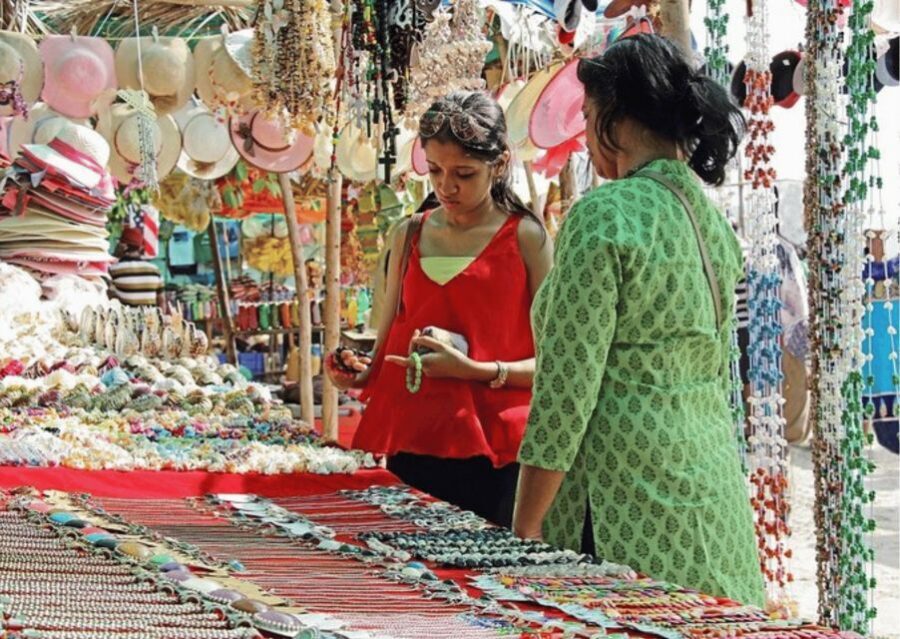
If you only have a short window in Trivandrum, this tour is built for momentum. In about two hours you move through the kind of places where the city’s pulse is obvious: stalls stacked with goods, vendors ready to show you details up close, and side-by-side shopping for both essentials and gifts.
The best part is that the guide doesn’t treat the markets like a blur of stuff. You get context—what each area is known for, how people typically shop there, and what categories of items you’re likely to find. That helps a lot, because otherwise markets can turn into a noisy shopping sprint.
Also, this isn’t just about purchasing. The tour includes good local recommendations to help you save money and explore more smartly during the rest of your trip. And because the guide can speak both English and Hindi, you’ll get straight answers without awkward guessing.
You can also read our reviews of more walking tours in Thiruvananthapuram



Starting at Kerala Government Secretariat: Where You’ll Meet and Orient

You meet at the Kerala Government Secretariat building entrance gate. It’s a clear, public start point, which matters on a walking tour where you don’t want to spend the first 20 minutes trying to locate each other.
From there, the walk quickly takes you into the market atmosphere. The orientation comes early too: you’ll be guided through what to notice (materials, categories, and what’s worth asking about) so you’re not standing in a corridor of stalls thinking, Now what?
Practical tip: wear comfortable clothes. Markets are close-up environments—walking, standing, and stopping often—so comfort helps you keep your energy for actual shopping and conversations.
Connemara Market (Palayam): The Oldest Market Feel, Arches Included
Your first major stop is Connemara Market in Palayam. It’s known for its older-market vibe, including an arched entrance, and for carrying a wide variety of items in one place.
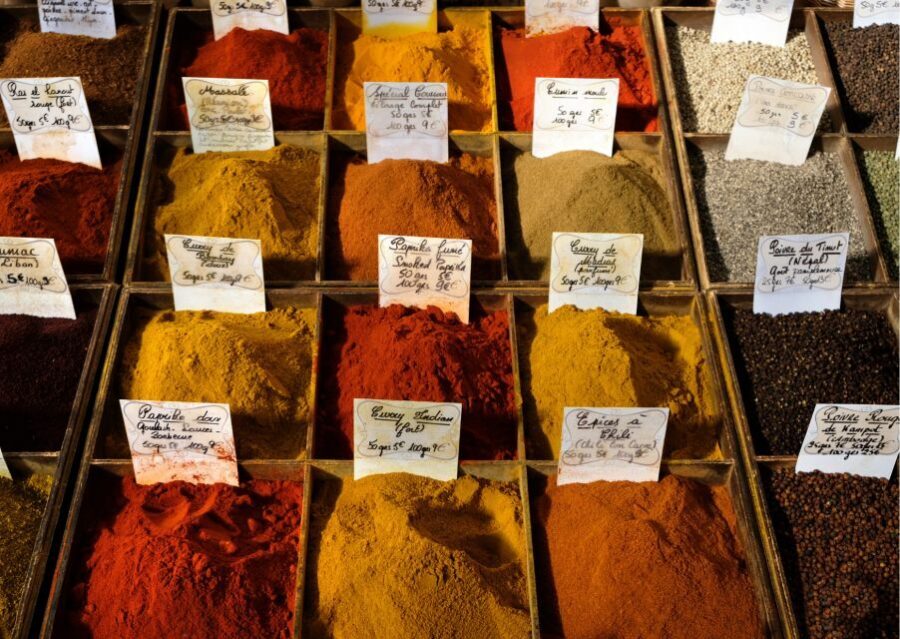
This is where the tour sets its tone. You get to see how a historic market structure still functions as a real shopping hub today. Expect plenty of browsing opportunities: from everyday items to small collectible-style pieces. Depending on what’s on display, you may spot categories like spices and fruits/vegetables alongside craft items.
What I like about starting here is the “baseline effect.” You get a sense of how merchants organize goods and how people compare prices and quality. By the time you reach the busier street market lanes later, you’ll have better instincts for spotting what’s special and what’s just noise.
A small consideration: if you’re not into shopping at all, Connemara can feel like a lot of looking at stalls. But even if you’re light on shopping, it’s a strong introduction to Trivandrum’s market style.
Chalai Bazaar: Kerala’s Busiest Street Market for Daily Life
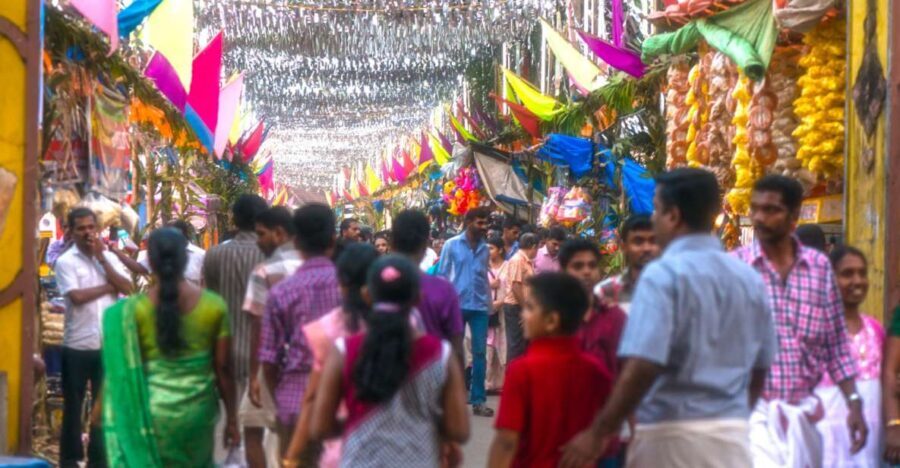
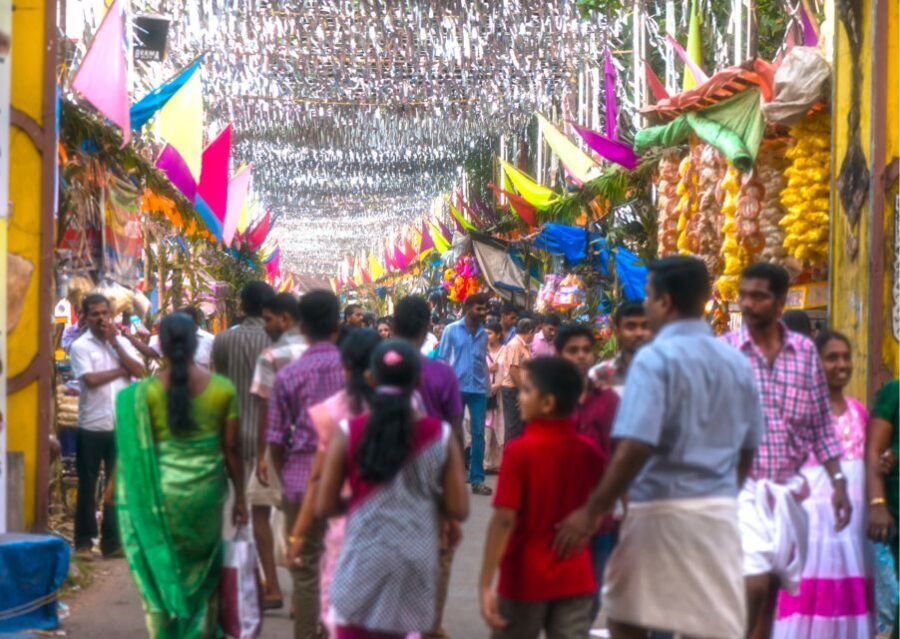
Next comes Chalai Bazaar, described as Kerala’s busiest street market. This is the part where you’ll feel the city’s everyday rhythm more clearly: tight lanes, active storefronts, and an overwhelming variety of goods.
This stop is also where the tour’s “storytelling” matters most. A good guide helps you navigate without treating the chaos as a problem. You’ll learn what categories are typical here—spices, fruits and vegetables, cloth and textiles, jewelry, and necessities—plus you’ll get pointers for what to check before you buy.
Why this matters for you: if you’ve never shopped in a high-activity street market before, it’s easy to get overwhelmed. With a guide, you can focus on a few goals (a spice set, a textile, a small craft) instead of trying to evaluate everything in sight.
If you’re shopping for gifts, Chalai is a strong choice. But if your main goal is photos and sightseeing, keep expectations honest. This is a working market, so there will be plenty of commerce in the frame.
MG Road Market Stops: Kathakali Masks, Coir, Brass, and Wood
After Chalai, the tour brings you to MG Road, which is famous for certain shopping targets. This section tends to be more “giftable,” in the best sense: kathakali masks, coir products, plus brass and wooden carvings.
This is where you’ll likely spend time asking questions. Items like carvings and masks can vary in detail and finish, and the guide’s job is to help you sort through what you’re seeing. The tour also mentions metal crafts and precious-metal work, plus other older-style market finds, so if you like crafts with age, this stop can feel satisfying.
One practical advantage of this section: it’s easier to buy smaller souvenirs here. A mask or carving is often more manageable than bulky market goods. That said, you still want to plan how you’ll carry anything you buy.
A quick heads-up: if you’re very heat-sensitive, MG Road-like shopping corridors can feel intense. Pace yourself. Your guide can also help you move through at a comfortable speed, which makes a big difference in a short, two-hour window.
You can also read our reviews of more guided tours in Thiruvananthapuram

Shopping With a Guide: Getting Value Without Losing Your Time
The tour includes local tips and money-saving recommendations, and that’s not fluff. Markets often sell similar-looking items in different qualities, and a guide can help you avoid paying for the label instead of the product.
You’ll also get help with “shopping logic.” For example, there’s a strong emphasis on things that match Kerala life and outfit culture—Trivandrum-style silk sarees, jewelry, and even shoes that fit an Indian outfit. If you’re shopping for an outfit component, this kind of guidance is useful because it prevents random buying.
A nice detail from past experiences: guides sometimes go beyond the default route to make the walk feel personal. One group highlighted a stop for pineapple juice during the tour, and another described the guide tailoring the experience to specific needs. That’s the kind of small flexibility that turns a market walk into a story you’ll remember, not just a shopping chore.
If you want photos, you might get prompted to grab them at a relevant nearby spot. One guide was praised for taking people for picture moments connected to temples, which is helpful when your camera instincts need a cue.
Downside to note: because the focus is the market circuit, the walking can include repeating nearby streets or returning through the same general zones. One person felt the walk went up and down similar streets twice. That doesn’t mean it’s a bad tour, but it does mean you should enjoy market browsing for what it is.
What the Walk Looks Like in Real Time: Pacing, Stopping, and Buying
The tour is structured for a short time frame, with guided segments and time for walking and shopping. You’ll start at the Secretariat gate, spend a guided block at Connemara Market, then move to Chalai Bazaar for another guided block, and finish at Chalai Bazaar.
In practice, you can expect frequent stopping. In market environments, “moving fast” often means missing details. Your guide will likely balance commentary with enough freedom for you to look around and ask questions.
How to make it work for you:
- Choose a few shopping priorities before you start (spices, a small craft, textiles, or a specific gift category).
- Decide your budget range early. Markets can tempt you into buying more than planned.
- Keep your eyes on materials and finish, especially for crafts and metalwork.
If you’re buying multiple items, consider the practicality of carrying them. Water and snacks are not included, so plan for basic comfort yourself (more on that next).
Price and Value: Is $14 Worth It for Two Hours?

At $14 per person for two hours, the value comes from what you’re paying for: a guide who can speak English and Hindi, plus local tips, plus time saved by not having to figure out what each market is best for on your own.
The tour also includes interesting conversations and storytelling. That matters in markets, because the difference between an okay walk and a great one is often the explanations you get while you’re looking at everyday items.
If you’re the kind of traveler who enjoys shopping but doesn’t want to get ripped off or waste time, this price is reasonable. If you’re only interested in sightseeing and you’re not interested in markets, then the value drops fast—because you’re paying for market content, not for landmark time.
Small Logistics That Make a Big Difference

This walking tour doesn’t include hotel pickup and drop. That’s normal for this kind of city activity, but it means you should map your route to the meeting gate ahead of time.
Also, water bottle and snacks are not included. Bring water if you can, especially during warmer parts of the day. Comfortable clothes help you stay relaxed through lots of standing and browsing.
If you need onward transport after the tour, some guides have been helpful with arranging it, such as getting you into a tuk tuk safely. The exact help you’ll get can vary by group, but having a guide around generally makes connections easier.
Who Should Book This Tour (and Who Should Skip It)
You should book if you:
- Want a quick, concentrated look at Trivandrum’s market shopping culture
- Like spices, textiles, jewelry, and craft items
- Enjoy walking with a guide who explains what you’re seeing
- Want local tips that help you shop smarter and spend less wasted money
You might skip if you:
- Prefer museums and scenic stops over street markets
- Get bored by shopping lanes, even if they’re culturally interesting
- Need a quieter walk with fewer retail stops
Should You Book Vibrant Markets of Trivandrum?
Yes, if your trip includes at least one shopping mission and you want to do it with context. This tour is a solid two-hour primer on the parts of Trivandrum that sell everything from everyday basics to crafts like kathakali masks, coir goods, and brass and wooden carvings.
No, if you’re not into markets at all. You’ll still see activity and street life, but the tour’s heart is shopping and market navigation, not landmark touring.
If you book, go in with a few targets and a flexible mindset. Markets reward curiosity. And a good guide helps you turn random browsing into purposeful buying and better memories.
FAQ
How long is the Vibrant Markets of Trivandrum guided walking tour?
It lasts 2 hours.
How much does the tour cost?
The price is $14 per person.
Where is the meeting point?
Meet your guide at the Kerala Government Secretariat building entrance gate.
Where does the tour end?
The tour finishes at Chalai Bazaar.
What languages does the guide speak?
The guide speaks English and Hindi.
What is included in the tour?
The tour includes great local tips and recommendations, a friendly Storyteller/Guide, and interesting conversations.
What is not included?
Hotel pickup and drop are not included, and water bottle and snacks are not included.
Is there free cancellation?
Yes. You can cancel up to 24 hours in advance for a full refund.
Is there a reserve and pay later option?
Yes. You can reserve now and pay later.
What should I bring?
Bring comfortable clothes.