REVIEW · THIRUVANANTHAPURAM
Spiritual Walk Tour Trivandrum (Guided Walking Experience)
Book on GetYourGuide →Operated by Yo Tours · Bookable on GetYourGuide
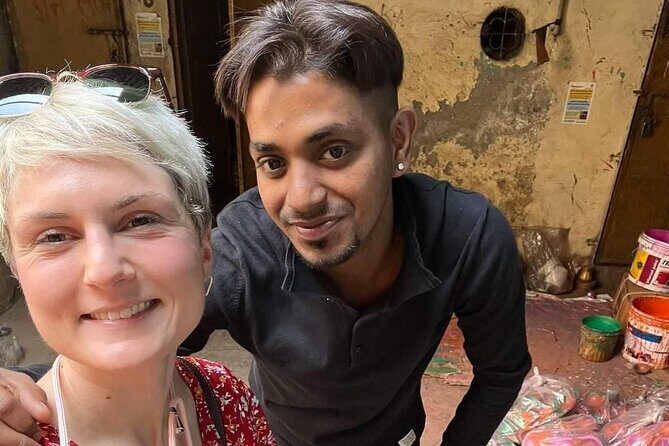
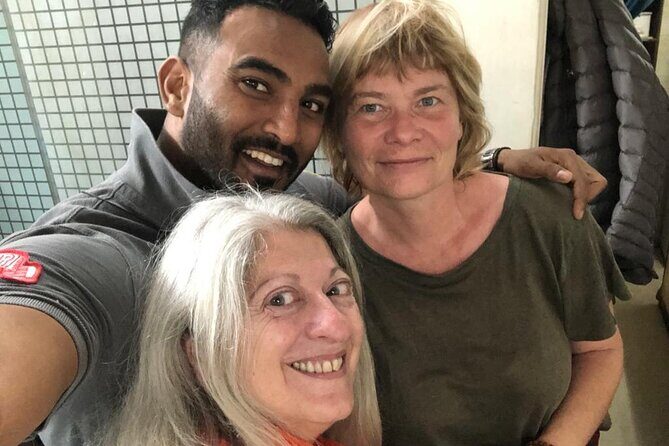
Fort temples, real stories, and you walking inward. This Spiritual Walk Tour Trivandrum is interesting because it mixes major landmarks with smaller, easy-to-miss sacred stops, all tied together with a guide’s storytelling approach. I love the way guides such as Gokul and Siddharth turn temple details into something you can actually understand while still leaving room to ask questions. I also like that you don’t just see famous places from outside—you get guided visits that help you notice what most people rush past.
One watch-out: the temple dress code is real (no shorts or sleeveless shirts, and short skirts are not allowed), so plan your outfit before you meet up. And because it’s a walking experience, you’ll want comfortable shoes and a bit of stamina for a compact 2-hour route.
In This Review
- Key highlights worth knowing
- Why this Trivandrum spiritual walk feels different in 2 hours
- East Fort meeting point: your “start here” moment
- Ananthankadu Sree Nagaraja Temple Trust: seeing devotion up close
- Kuthira Maliga Palace Museum and the royal-to-spiritual connection
- Methan Mani: the quiet stop that changes the pace
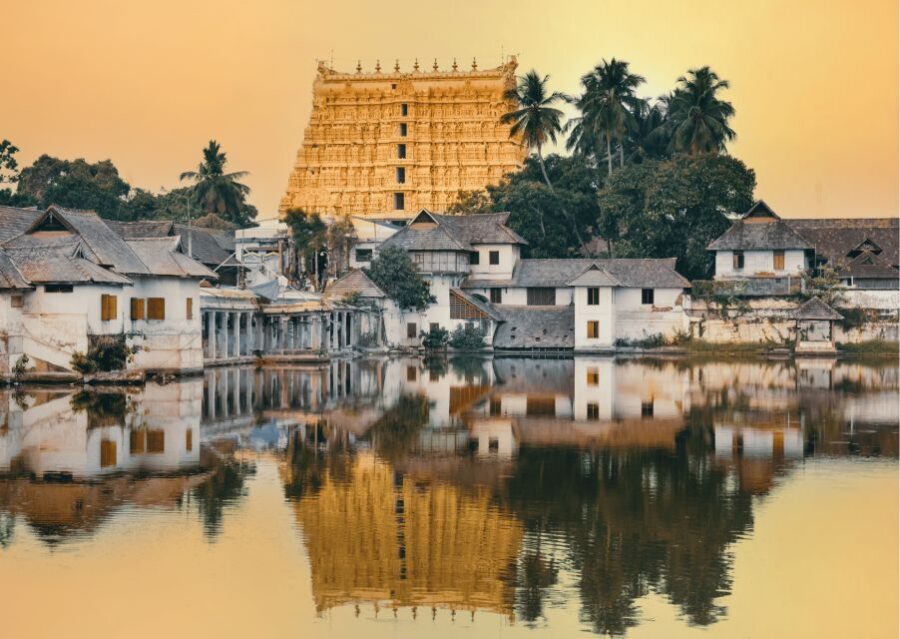
- Sree Padmanabhaswamy Temple: the world-famous anchor
- Pazhavangadi Ganapathi Temple and Padmatheertha Pond: the “in-between” treasures
- West Fort finish: closing the loop without feeling stranded
- How the guides make the walking tour worth the money
- Price and value: why $14 can feel like a bargain
- What to bring, what to wear, and what to expect at temples
- Best time to book: when lights and ceremonies can change the mood
- Who this tour is perfect for (and who should consider a different style)
- Should you book the Spiritual Walk Tour Trivandrum?
- FAQ
- How long is the Spiritual Walk Tour Trivandrum?
- Where does the tour start and finish?
- What does the tour cost?
- What’s included in the tour?
- Are water and meals included?
- What should I wear?
Key highlights worth knowing
- From East Fort to West Fort: a practical walking loop through the fort-area sacred sites.
- Guided access to inside spaces: you’ll spend time inside multiple temples, not only at the gates.
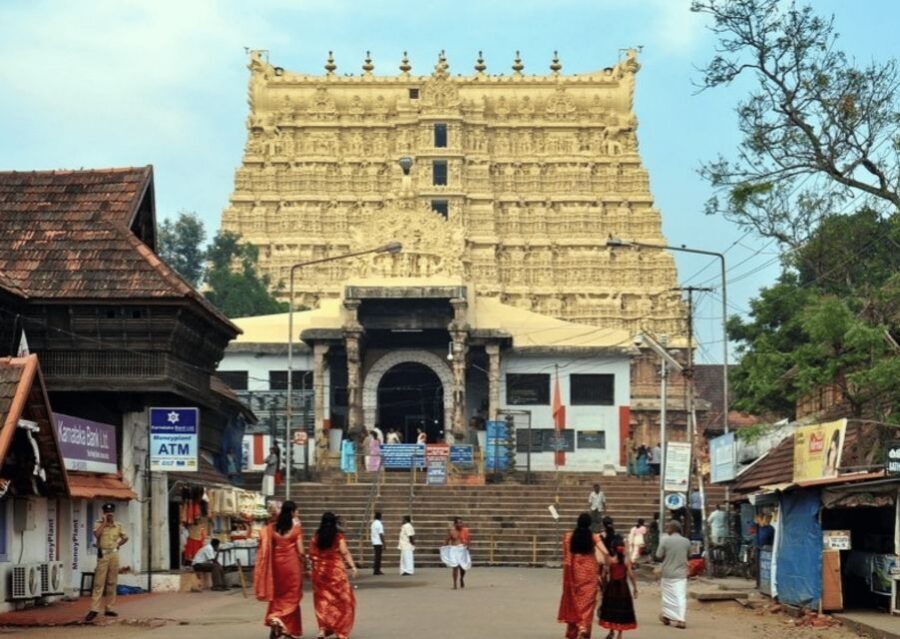
- Sree Padmanabhaswamy Temple as the anchor: the walk centers on one of India’s most famous shrines.
- Palaces plus a museum stop: Kuthira Maliga Palace Museum adds royal-era context to the spirituality.
- A guide who manages pace and questions: guides like Gokul and Siddharth are repeatedly praised for patience and not rushing.
- Infotainment style: explanations are mixed with an easy-going flow so you don’t zone out.
Why this Trivandrum spiritual walk feels different in 2 hours
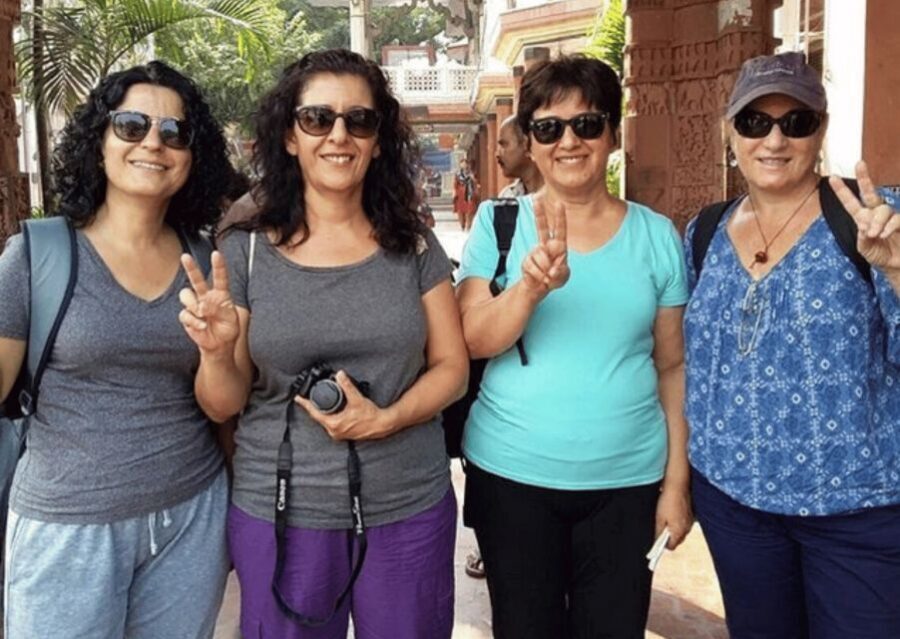
A two-hour walk might sound short for a city with layers on layers. In Trivandrum, though, it works because the route focuses on one compact spiritual zone and keeps you moving without turning it into a sprint. You start at East Fort and finish at the West Fort area, so you feel like you’re progressing instead of looping.
The tone matters. The tour is designed as infotainment—part information, part story, with breaks where you can take photos and simply watch daily temple life. That helps if you’re traveling with someone who isn’t obsessed with history or religion.
Just as important, the guide connects spirituality, religion, and science in a way meant to make you connect the dots. You’re not being asked to agree with everything—you’re being given a framework to interpret what you’re seeing.
You can also read our reviews of more walking tours in Thiruvananthapuram



East Fort meeting point: your “start here” moment
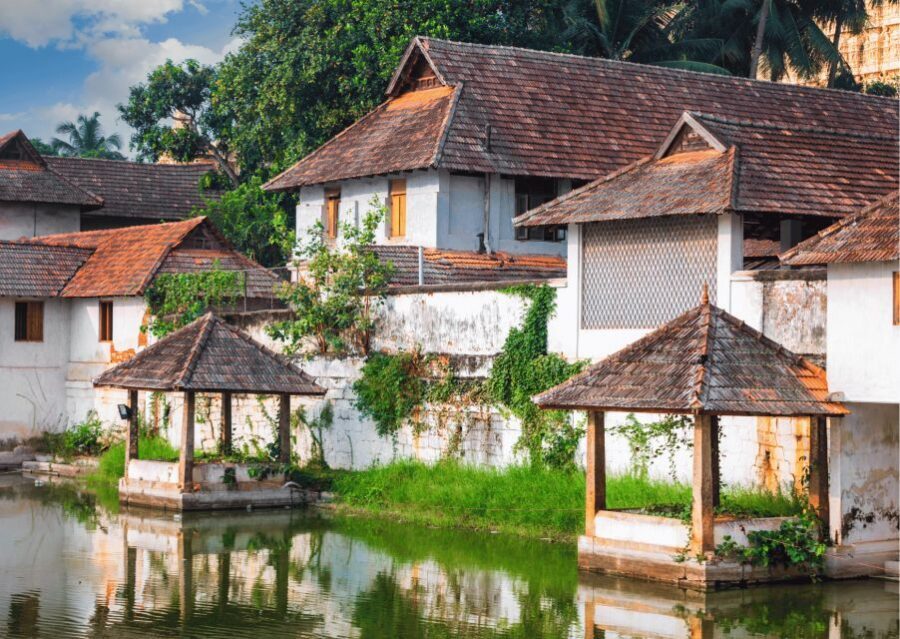
You begin at East Fort, which is a smart choice because it puts you in the right headspace from minute one. Fort zones tend to feel confusing if you’re arriving on your own—you’ll see walls, gates, and temples, but not the logic behind how it all fits.
With a guide, that first stretch does the heavy lifting. You get orientation on the city’s religious layout and what to look for as you move through the temple-and-palace area. A few of the route highlights you’re likely to catch include East Fort views and links into the Pazhavangadi area.
Practical note: because the tour involves walking and temple entrances, you’ll do better if you dress early for the day’s rules (more on this below).
Ananthankadu Sree Nagaraja Temple Trust: seeing devotion up close
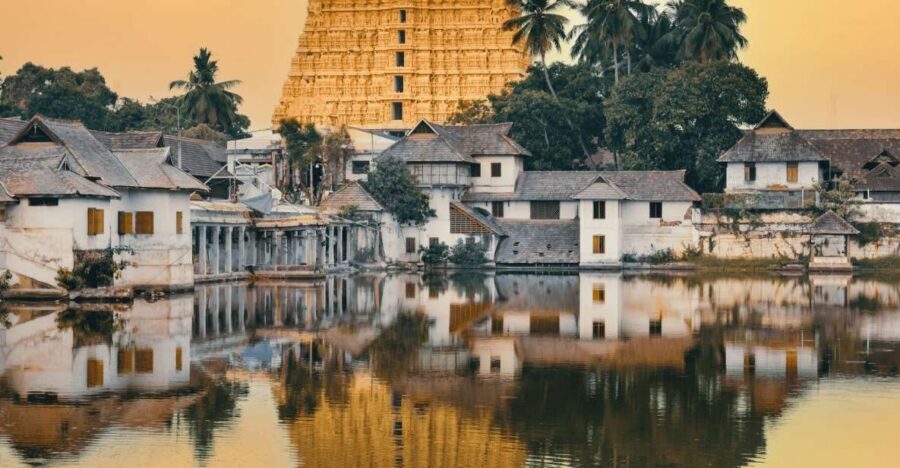
The tour includes a guided stop at Ananthankadu Sree Nagaraja Temple Trust, with about 30 minutes for the visit. This is one of those places you’d likely miss—or feel unsure about—if you were figuring it out alone.
What makes this stop valuable is how it changes your mental map. Instead of treating temples like isolated sights, you start seeing them as part of a living tradition, with specific meaning behind the space and the rituals happening there.
You’ll also get conversations rather than a “read-only” tour. In the feedback, people emphasize that guides are patient and answer questions, even when you ask something that’s slightly off-theme. That matters here because early in the walk you set your expectations for how the rest of the tour will feel.
Kuthira Maliga Palace Museum and the royal-to-spiritual connection
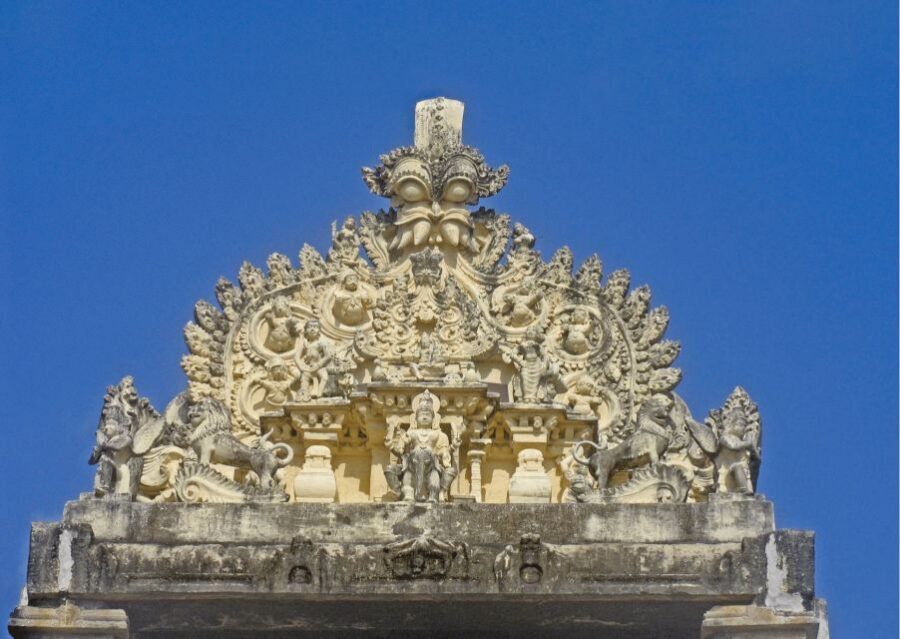
Next up is Kuthira Maliga Palace Museum, again with a guided visit and time to walk/pause around the area. This stop adds a royal layer that helps the spiritual stops make more sense.
Temples don’t sit in a vacuum. In Kerala’s fort zone, you’re looking at spaces shaped by courts, patronage, and local power structures that eventually shaped how religious life appears on the street. A museum visit gives you a “why this matters” bridge, so you don’t just memorize names—you start understanding relationships.
The main drawback? Museums can slow the pace if you’re trying to sprint through everything. The tour keeps it manageable, though, and the museum stop works best as context rather than as a long standalone attraction.
Methan Mani: the quiet stop that changes the pace
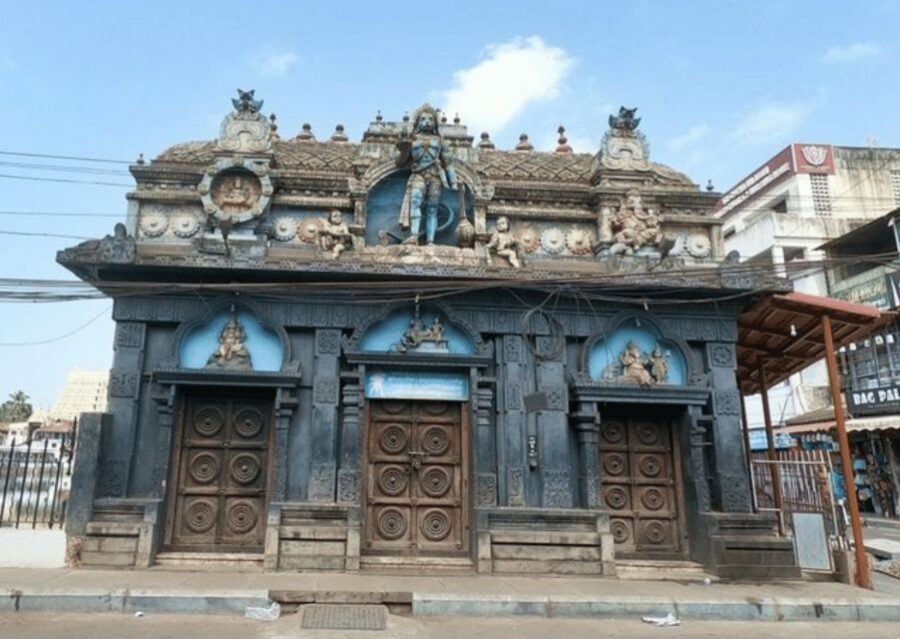
The tour includes Methan Mani for about 30 minutes. Even though it’s not the headline name for most visitors, it’s exactly the kind of stop that makes guided walking tours worthwhile.
Why? Because these are often the locations where details are easy to overlook: small structures, local patterns of movement, and the way people actually behave in sacred spaces. You don’t come away only with “big temple photos.” You come away with a better sense of what daily reverence looks like in a neighborhood setting.
If you’re a slow photographer, this is a friendly part of the route. The tour is set up to avoid rushing you out the door.
You can also read our reviews of more guided tours in Thiruvananthapuram

Sree Padmanabhaswamy Temple: the world-famous anchor
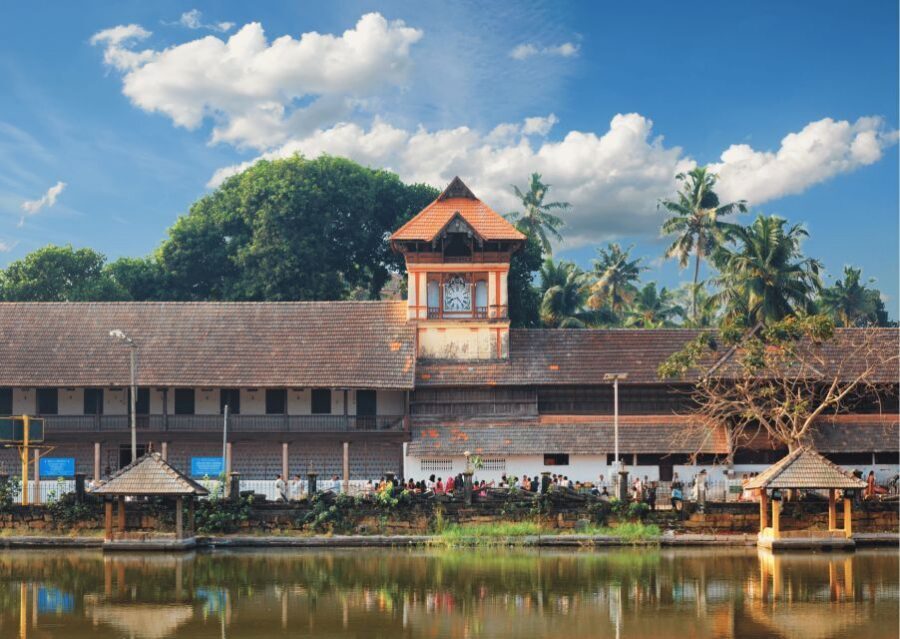
No question: Sree Padmanabhaswamy Temple is the anchor stop, and it’s described as widely considered the world’s richest. That kind of reputation brings visitors—but a guided visit turns attention away from spectacle and toward understanding.
The tour includes around 30 minutes at the temple with guidance that helps you interpret what you’re seeing and why it matters to devotees. This is also where the guide’s role becomes obvious: rules, customs, and what’s appropriate to observe in real time.
If you’re doing this in the evening, you may get a different mood. One traveler specifically recommended the evening tour for colored lights, and another noted a late-slot feel tied to prayer timing. If your schedule allows, consider a later departure because the temple atmosphere can feel more alive than mid-day.
Pazhavangadi Ganapathi Temple and Padmatheertha Pond: the “in-between” treasures
The walk also highlights the Pazhavangadi Ganapathi Temple and Padmatheertha Pond, plus palatial viewpoints such as Sundara Vilasom Palace while you move across the fort-area layout.
These stops matter because they round out the story. A big temple can dominate your memory, but smaller sacred sites nearby often teach you the language of place: how different deities show up in daily life, how people move through the area, and how ponds and temple surroundings function as part of the sacred setting.
This is where the tour’s value shows up most for solo travelers. It’s difficult to build this sequence correctly on your own, especially if you’re focused on getting from A to B and ignoring the “why” behind the city’s spiritual geography.
West Fort finish: closing the loop without feeling stranded
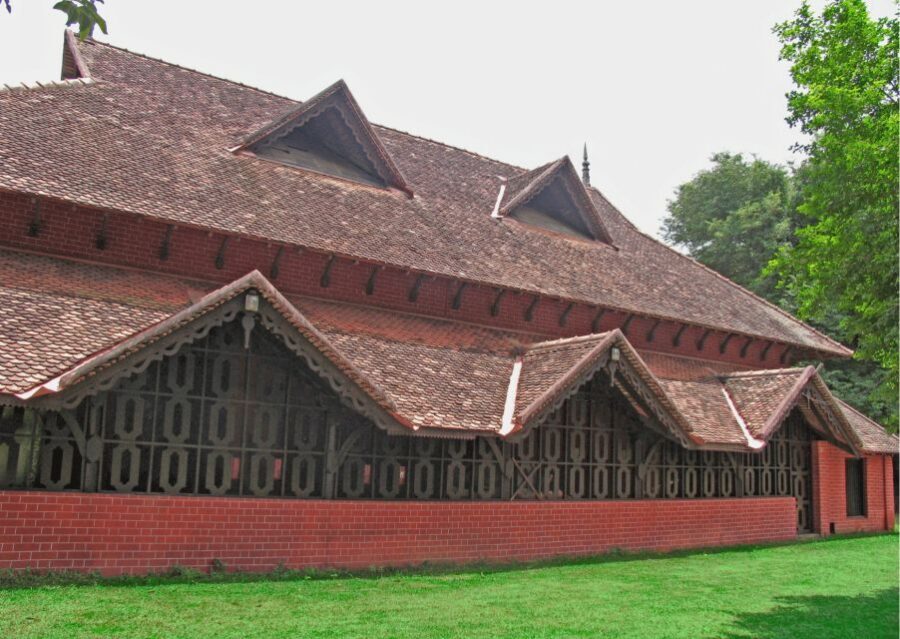
You finish at the West Fort, Pazhavangadi area. Ending at West Fort is convenient because it keeps you within the same fort-zone logic, rather than sending you into a random part of the city.
One small but meaningful detail from recent experiences: guides have been attentive about ensuring everyone is safely taken onward after the tour—waiting until you’re in a taxi or tuk tuk home. That’s not glamorous, but it’s the difference between feeling cared for and feeling like you’ve been dropped.
How the guides make the walking tour worth the money
A spiritual walk rises or falls on one thing: the guide’s ability to connect meaning without turning it into a lecture.
Across the feedback, English-speaking guides and Hindi support are repeatedly praised. People specifically mention guides like Gokul, Siddharth, Arunkumar, Hari, Prijith, and others for clarity, patience, and the willingness to answer questions again if needed.
The tour’s style is also designed to keep you engaged. It uses infotainment, which basically means you’ll get explanations that feel spoken—not read off a plaque. That helps when temples and palaces start to blur together for visitors who aren’t naturally into cultural detail.
A second practical benefit: the guide points out spots and hidden lanes you probably wouldn’t find alone, plus local tips to save money. Even if you’re staying in Trivandrum for a short time, these suggestions can help you avoid common tourist-cost mistakes.
Price and value: why $14 can feel like a bargain
At $14 per person for about 2 hours, you’re paying for more than walking shoes. This price usually covers a trained story guide, guided temple access where allowed, and the time spent connecting the route’s religious and historical meanings.
For value, think of what you’re getting:
- A focused route through major sites plus smaller sacred spaces
- Guided time at multiple stops rather than just passing by
- Local recommendations so your next meals and plans cost less or feel better
What you’re not getting is also part of the value math. You’re not paying for hotel pickup/drop, and you’re not provided a water bottle. If you arrive unprepared, the tour can feel cheaper than it is. If you arrive prepared, the price looks very fair.
What to bring, what to wear, and what to expect at temples
You should bring comfortable clothes—and plan for temple rules. The stated restrictions are clear: no short skirts, no shorts, and no sleeveless shirts. If you’re traveling light, think ahead so you don’t end up stuck with an outfit you can’t use.
Many visitors also find that shoes and headwear rules can come up in temple spaces. One traveler specifically advised not bringing hats and being ready to remove shoes and walk barefooted when required. Another mentioned that priests may give gentle warnings about when photography is okay. So: keep your phone out until you know what’s permitted.
These rules aren’t meant to be annoying. They’re part of the ritual environment, and your guide will usually help you behave correctly without making it awkward.
Best time to book: when lights and ceremonies can change the mood
The tour duration is the same, but the experience can shift with timing. Some recent visitors strongly recommended an evening tour, mentioning colored lights and a more atmospheric feel around temple activity.
If you’re choosing among start times, consider the later option if:
- you want a softer, more reflective mood
- you’re hoping to see temples when they’re active
- you like better photo lighting and evening colors
If you’re sensitive to crowds, you might also want to keep an eye on festival timing. One traveler noted Pongal brought busy temple conditions, but they still appreciated seeing the temples during that season. So it’s not a deal-breaker—it’s just something to plan for.
Who this tour is perfect for (and who should consider a different style)
This walking tour is ideal if you:
- want temple access plus context in a short window
- enjoy stories that connect places to meaning, not just dates
- travel solo or want your day shaped by an expert guide
- prefer a guided route through the fort zone rather than guessing your way around
It might not be the best fit if you:
- hate walking or don’t like switching between multiple sacred sites in one session
- need a tour with guaranteed amenities like a provided water bottle
- have clothing constraints that you can’t adjust before the start
Should you book the Spiritual Walk Tour Trivandrum?
I’d book it if you want Trivandrum’s spiritual side without the stress of sorting out where to go, what to do, and how to interpret it. The route makes sense for a first visit because it links forts, palaces, a museum stop, and Sree Padmanabhaswamy Temple into one connected arc.
Also, the guide factor feels strong. Names like Gokul and Siddharth show up again and again in recent feedback for patience, clarity, and a calm pace. That kind of consistency is what turns “a tour” into an experience you remember.
If your schedule is flexible, you can keep your plans open since free cancellation is offered up to 24 hours in advance, and reserve-and-pay-later options are available. Just don’t wait on the outfit part—follow the temple dress rules so you can focus on the walk.
FAQ
How long is the Spiritual Walk Tour Trivandrum?
It lasts about 2 hours.
Where does the tour start and finish?
It starts at East Fort and finishes at West Fort, Pazhavangadi, Thiruvananthapuram, Kerala.
What does the tour cost?
The price is $14 per person.
What’s included in the tour?
It includes a trained English and Hindi-speaking story guide, local tips to save money and explore the best of the city, access to hidden lanes and places, and guided conversations.
Are water and meals included?
No. A water bottle is not included, and drinks and food are not included unless specifically mentioned.
What should I wear?
Wear comfortable clothes. Shorts, sleeveless shirts, and short skirts are not allowed.