REVIEW · MUMBAI
Tour of Dharavi Slum
Book on Viator →Operated by Linda Tours Mumbai · Bookable on Viator
A tour of Dharavi hits different: you’re not just looking at poverty, you’re seeing how people build daily life through work, creativity, and community. I like that this is a private guided experience with a guide who lives in the slums, plus an A/C vehicle and Wi‑Fi to make the ride in and out easier. It’s also the kind of guided walk where you can learn the practical details behind Dharavi’s industries, from plastic recycling to pottery and dyeing.
One thing to keep in mind: this is a real residential and working neighborhood, so the experience can be emotionally intense and a bit crowded in narrow lanes.
In This Review
- Quick highlights before you go
- Why Dharavi feels different from other Mumbai stops
- Price and value: $10.80 can go a long way
- Pickup and ride: the underrated part of city touring
- Walking Dharavi: what to expect on the ground
- The industries focus: recycling and craft work you can actually picture
- History and culture: the film reference is just the opener
- Comfort, timing, and how to plan your day
- Who this tour suits best (and who might want to skip it)
- The rating and what that usually signals
- Should you book the Tour of Dharavi Slum?
- FAQ
- How long is the Dharavi slum tour?
- Is this tour private?
- Does the tour include hotel or port pickup?
- Is food included?
- Is Wi‑Fi available during the tour?
- Where does the tour start and end?
- Can I cancel for a full refund?
Quick highlights before you go
- Guide from inside Dharavi: the experience is led by someone who lives there (Divya is specifically mentioned in the feedback)
- A/C transport with Wi‑Fi: you get comfort and connectivity during pickup and travel
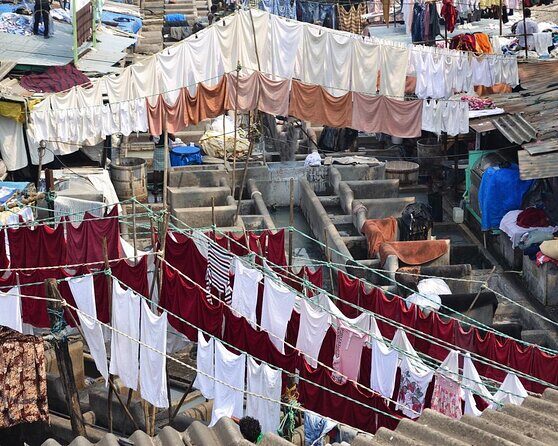
- Stop focused on everyday work: you’ll walk through narrow alleys tied to local industries
- Dharavi industry basics: calfskin, earthenware, pottery, dyeing, and plastic recycling are part of the story
- Film-linked context: Dharavi is known as the backdrop for Slumdog Millionaire, adding a familiar reference point
Why Dharavi feels different from other Mumbai stops
Dharavi is one of those places people hear about, then quietly wonder what it’s actually like to live and work there. A guided walk helps because it turns big labels into everyday details: who works where, what kinds of businesses exist, and how residents keep things moving in tight spaces.
I also appreciate the tone this kind of tour tends to set. Instead of turning people into a theme, you get a guided path through the neighborhood’s practical economy—especially the small-scale industries that keep supply chains running. When you’re talking about work like recycling and craft production, you’re dealing with skills, tools, and routines, not just scenery.
And yes, Dharavi has a pop-culture connection. The area is the backdrop for Slumdog Millionaire, which can make the place feel more recognizable before you even step inside the lanes. Still, the day’s value comes from what you learn about the neighborhood itself—how it functions and why it matters.
You can also read our reviews of more tours and experiences in Mumbai.


Price and value: $10.80 can go a long way
At about $10.80 per person, this tour is priced like a budget activity—but the inclusions are what make it feel fair. You’re getting:
- a private guided tour
- pickup and drop-off (from select Mumbai hotels, the airport, or a cruise port)
- transport in an air-conditioned vehicle with Wi‑Fi
- bottled water
- a guided focus on history, culture, and industry
That combination is the sweet spot. Many Mumbai tours either focus on transport convenience or on guidance, not both. Here, the guide experience is paired with comfortable logistics, which matters in a city where traffic can chew up your day.
The only “value caveat” is that food and drinks are not included. If you’re taking this early in your trip, you’ll want to plan a proper meal afterward (or eat before you start), so you don’t end up paying extra just to keep energy up.
Pickup and ride: the underrated part of city touring
Your day starts with pickup from a select location—your hotel, the airport, or your cruise port. That may sound like a small detail, but it changes the feel of the experience. You spend less time figuring out how to get there, and you’re more likely to arrive ready to pay attention.
The vehicle is air-conditioned and includes Wi‑Fi, which is handy if:
- you want to message your group,
- you need to check directions,
- or you just want to rest your brain a bit before the walking begins.
There’s also a practical win here: the tour typically runs about 3 to 4 hours. In other words, it’s not a half-day commitment with a long travel slog. You can fit it in between other Mumbai priorities.
Walking Dharavi: what to expect on the ground
The heart of the tour is the walk through Dharavi’s narrow lanes and the spaces where residents run small businesses and industries. You’ll visit Dharavi Slums as a single main stop, and the time on the ground is where the story comes alive.
This is not the kind of tour where you’re checking off landmarks. It’s more like a guided orientation to how a dense urban neighborhood works. Expect tight paths, busy areas, and a neighborhood scale that changes your sense of space. The point is to understand the area as an economy and a community—not a single photo angle.
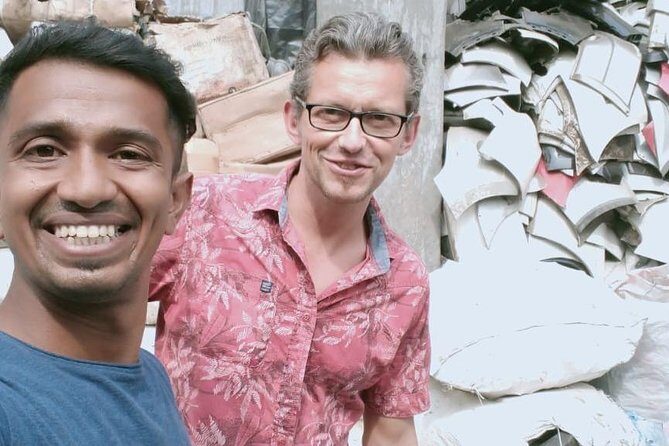
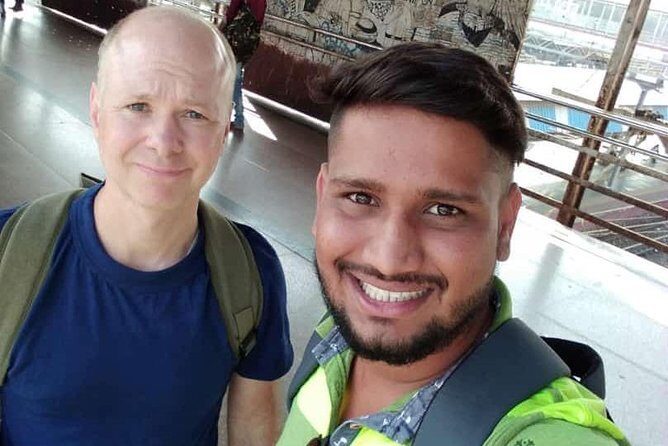
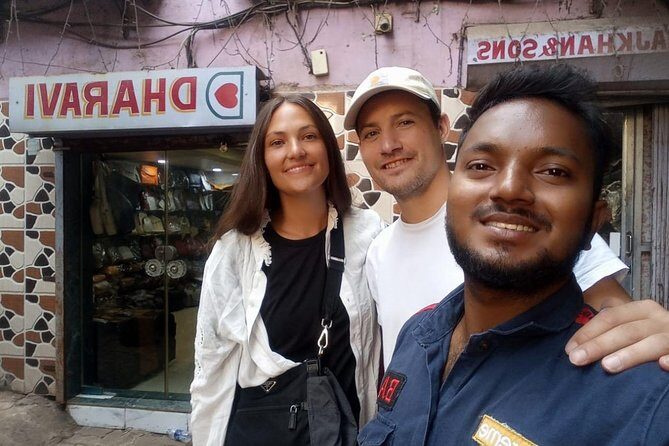
The guide’s lived connection is a big part of why the walk can feel more grounded. When your guide is from the area, the explanations often carry context you wouldn’t get from a textbook-style script. The feedback highlights that the tour helps put a human face and story behind daily circumstances—exactly the outcome you should be hoping for.
The industries focus: recycling and craft work you can actually picture
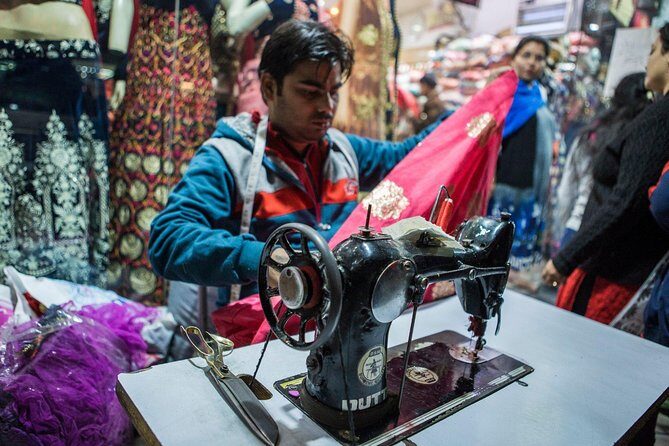
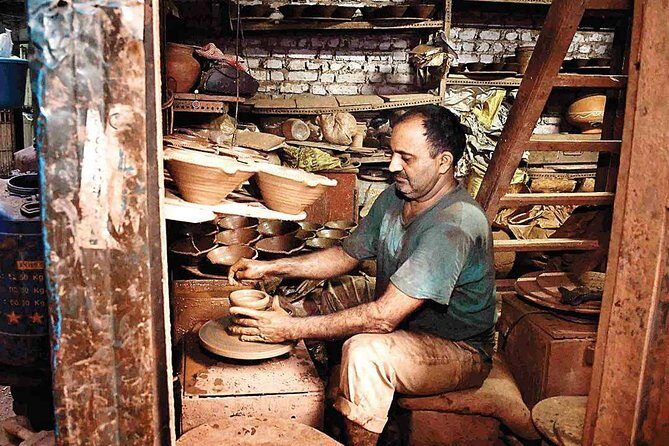
Dharavi is often described as large, but size doesn’t explain it. What explains it is the work. On this tour, you learn about Dharavi’s industries, including:
- Plastic recycling
This is one of the best topics for a guided tour, because it connects everyday streets to a wider process. You’re not just seeing products—you’re understanding that waste can become raw material, and that there’s skill in sorting, processing, and producing usable outputs.
- Pottery and earthenware
Craft work gives you a different lens on labor. You can start to see how materials move through stages and how finished goods connect to markets beyond the neighborhood.
- Dyeing
Dyeing is the kind of topic that makes the environment feel technical. Even without a lab-like setup, there are processes behind the scenes. The tour framing helps you understand those steps as part of a working economy.
- Calfskin and leather work
When this comes up, it adds another layer: Dharavi isn’t just small businesses selling to neighbors. It’s part of a broader supply chain tied to materials and production.
I like that the tour doesn’t treat these as random facts. Instead, you get them as part of the neighborhood’s daily rhythm—who works, what tools and materials mean, and how industries coexist close to homes.





History and culture: the film reference is just the opener
Dharavi’s connection to Slumdog Millionaire often grabs first-time visitors. It can help you build a quick mental map. But don’t stop there. The value is in learning how Dharavi’s history, culture, and industry are tied together in day-to-day life.
The tour is described as teaching the area’s history and culture alongside industry, which is the right mix. History without context can stay abstract. Industry without culture can feel like a factory tour. When both show up, you get a fuller picture of why the neighborhood looks the way it does and how people sustain it.
Comfort, timing, and how to plan your day
The tour runs about 3 to 4 hours, and it ends back at the meeting point. That duration is realistic: it gives enough time for a guided walk and explanation, without turning into an all-day commitment.
You’ll also want to plan around what’s not provided: no food and no drinks. I suggest treating the tour as a mid-activity window and planning your meal either before you go or right after. If you’re sensitive to smells or heat, bring that into your planning too—time of day matters in Mumbai.
Also note the meeting point is near public transportation, which makes it easier to adjust if your pickup details change. The listed start is Third Wave Coffee, Tip Road, Unit no.58, Ground, Ram Mahal, Senapati Bapat Marg, Marinagar Colony, Station, Mahim, Mumbai, Maharashtra 400016.
Who this tour suits best (and who might want to skip it)
This is a strong fit if you:
- want a private guided experience instead of a crowded group bus tour
- care about learning how a neighborhood functions economically (recycling, crafts, dyeing, leather)
- prefer a guide with real local connection—Divya is named in the feedback
- want comfort during the ride with A/C and Wi‑Fi, plus pickup and drop-off
It may be less ideal if you:
- want only a classic sightseeing style day with monuments and views
- can’t handle emotionally intense realities connected to poverty and daily struggle
- expect food to be included (it isn’t)
The best approach is to treat this like a learning walk, not a “performance.” You’ll get more out of it when you go in with curiosity and a bit of patience for how busy and close things can be.
The rating and what that usually signals
The tour has very strong feedback, with a 4.9 rating and a 98% recommendation rate. While ratings aren’t your map, they do tell you what matters to people who took the trip: the guide connection and the chance to see real daily life in a respectful way.
The feedback specifically mentions the impact of meeting warm, friendly people and learning how to see circumstances through human stories. That’s the kind of outcome you should look for when choosing a Dharavi tour—because your goal shouldn’t be shock. Your goal should be understanding.
Should you book the Tour of Dharavi Slum?
I think you should book it if you want a guided, structured visit that focuses on industry and daily life, with practical comfort like A/C transport, Wi‑Fi, and pickup. The price is low enough that you won’t feel like you’re buying a “tourist version” of Dharavi—especially since the day is led by someone with lived connection to the neighborhood.
Skip it if you’re looking for a light, entertainment-only outing or you’re not ready for the emotional weight that can come with seeing a real working community. Also plan ahead for what’s not included: no food means you’ll want a meal plan.
If you do book, go with the right expectations: you’re not collecting photos of a set. You’re getting an explanation of how people build livelihoods in one of Mumbai’s densest areas—and that’s exactly what makes this tour memorable.
FAQ
How long is the Dharavi slum tour?
It’s listed as about 3 to 4 hours.
Is this tour private?
Yes. It’s private, and only your group will participate.
Does the tour include hotel or port pickup?
Yes. Pickup is included from select Mumbai hotels, the airport, or a cruise port, with drop-off back to the meeting point.
Is food included?
No. Food and drinks are not included.
Is Wi‑Fi available during the tour?
Yes. Wi‑Fi is available on board the vehicle.
Where does the tour start and end?
It starts at Third Wave Coffee, Tip Road, Unit no.58, Ground, Ram Mahal, Senapati Bapat Marg, Marinagar Colony, Station, Mahim, Mumbai, Maharashtra 400016, India, and ends back at the meeting point.
Can I cancel for a full refund?
Yes, you can cancel for free up to 24 hours in advance for a full refund. If you cancel less than 24 hours before the start time, the amount you paid will not be refunded.