REVIEW · SRINAGAR
The Best Monsoon Trek: Kashmir Great Lakes
Book on Viator →Operated by Himalaya Shelter · Bookable on Viator
Few hikes pull off this snow-meets-summer trick. The Kashmir Great Lakes trek in the monsoon season mixes high passes (Nichinai, Gadsar, Zaj) with lake days and comfortable A-frame tent camps. You’ll move through meadows that look completely different depending on early July versus late August.
Two things I’d prioritize: the small group size (up to 11) keeps the pace calm, and the food team focuses on real hot meals on tough days, with highlights like trout dishes and steaming soups and dals. The trade-off is timing: weather can swing fast, especially late August, so you need to be ready for rain and cold nights at altitude.
In This Review
- Key details to know before you hike the Great Lakes
- Timing in Kashmir: when monsoon weather helps (and when it hurts)
- Price and value: what your $481 covers (and what it doesn’t)
- Small-group trekking with BMC-certified safety
- Camp comfort: A-frame tents, hot meals, and real trail food
- Day 1: Srinagar to Sonamarg along the Sind River
- Day 2: Shitkadi to Nichinai camp, Nichinai Pass meadows, and maple trees
- Day 3: Climbing to Nichinai Pass (~4,100m) and dropping into Vishansar Lake
- Day 4: Vishansar to Gadsar, the highest point on the trek (Gadsar Pass)
- Day 5: Gadsar to Tarsar (Satsar area), easier rhythm after a steep start
- Day 6: Zaj Pass (~13,280 feet) to Gangabal Lake
- Day 7: Gangabal to Naranag, then back to Srinagar by early evening
- Fitness and planning: who this trek suits best
- What to pack (based on what the trek is likely to throw at you)
- Should you book the Kashmir Great Lakes trek?
- FAQ
- What month is best for seeing snow-covered higher areas with fresh meadows?
- What month is best for full meadows with warmer camping nights?
- How long is the trek?
- Where does the trek start and end?
- What’s included in the trek price?
- Is there an option to hire a porter?
- What’s the maximum group size?
Key details to know before you hike the Great Lakes
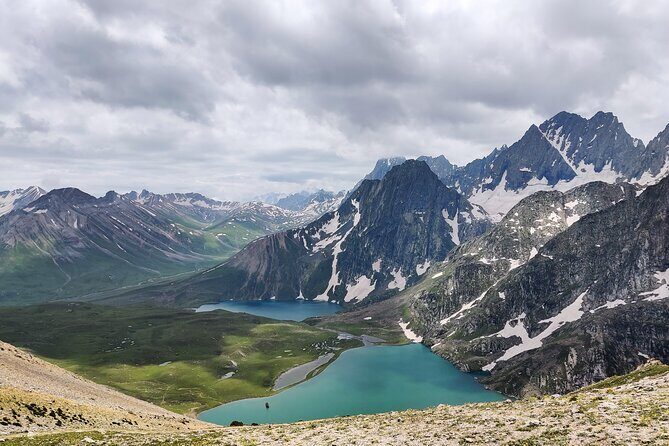
- Snow vs. flowers depends on your month: early July still has snow high up; end of July swings to fully blooming meadows.
- BMC-certified, first-aid-ready leadership: you’ll hike with a professional guide and a First Aid kit.
- A-frame tent setup is part of the value: cooking, dining, and even a toilet tent are included.
- Your route is pass-heavy: expect major climbs to Nichinai Pass (~4,100m) and Gadsar Pass (4,210m).
- Late-August conditions can be wet: abrupt rainfall is more likely as temperatures drop.
Timing in Kashmir: when monsoon weather helps (and when it hurts)
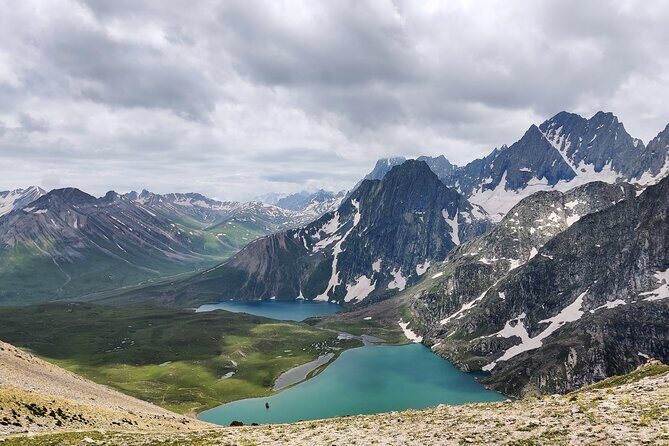
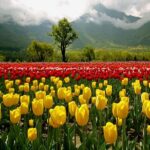
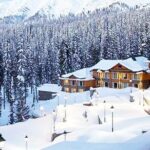
This trek is all about balance between cold snow and fresh meadow growth. If you want that dramatic look of snow-covered higher areas with meadows in fresh bloom, aim for early July. By the end of July, the snow on higher reaches is mostly gone, and the meadows are in full color, with warmer temperatures that make nights more comfortable.
Late August flips the script. Temperatures start to drop, flowers begin to wither, and cold moves into the alpine meadows. This is also when you should expect abrupt rainfall more than you’d like, since weather can change suddenly at these altitudes. The trek can still run into the second week of September, but by then snow starts taking over the higher reaches again and winter arrives.
Here’s the practical takeaway: pick your month based on the look you want, then pack with the assumption that rain and chill can happen even if the forecast seems okay. If the operator cancels due to poor weather, you’ll be offered a different date or a full refund, so don’t ignore the weather requirement.
You can also read our reviews of more hiking tours in Srinagar
Price and value: what your $481 covers (and what it doesn’t)
At about $481 for an approx. 7-day trek, the real value is that most of your “camp life” is handled for you. Included are 6 nights of standard tent stay (double occupancy), plus breakfast (6), lunch (5), and dinner (6). You also get sleeping bags and mats, and the camp setup includes a kitchen, dining tent, and toilet tent with portable seats and stools.
Money-sense check: this isn’t just guiding. It’s transport support from Srinagar onward, plus all fees and taxes for the trek. You’re also covered with a qualified, BMC-certified trek guide who carries a First Aid kit.
What you should plan for outside the package:
- tips and personal medicines
- transport to get to Srinagar from your hometown
- accommodation in Srinagar on the last day
- a porter for personal luggage (listed as INR 500 per bag per day for bags under 12)
- any emergency-related price increases
If you want to travel with minimal hassle, budget for one carry strategy (either bring less, or add the porter cost early). It’s one of those small decisions that keeps you from wasting energy on day-to-day logistics.
Small-group trekking with BMC-certified safety
This trek caps at 11 travelers, and some departures have run with groups around 10 people, which makes a big difference on narrow paths. You spend less time squeezing past others and more time keeping your own rhythm.
Safety-wise, the guide is mountaineering qualified and BMC certified, and the team brings a First Aid kit. One standout from past groups: when weather turned bad, the leadership team (including Surendra Rana and Rishabh) helped get everyone down safely. That kind of experience matters because storms in mountains aren’t just inconvenient; they change visibility, trail footing, and timing fast.
Also, the trekking pace is described as moderate on key climbs. That’s important if you’re fit but not trying to race up passes.
Camp comfort: A-frame tents, hot meals, and real trail food
You’ll sleep in standard A-shape tents on double occupancy, and the camp is set up with a proper kitchen and dining area. There’s even a dedicated toilet tent, which keeps things far more civilized than the usual “deal with it” approach on mountain treks.
The meals are one of the most consistently praised parts of the experience. Hot, steaming comfort food shows up even when hiking is hard: soups and dals, plus dishes like rajma, pasta, and popcorn. And yes, trout dishes are specifically highlighted by at least one group, which tells you the kitchen isn’t just surviving on basics.
Practical hint: after cold and wet stretches, hot drinks and warm soup do more than taste good. They help you reset your body for the next hiking day.
Day 1: Srinagar to Sonamarg along the Sind River
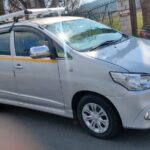
Your day begins in Srinagar, with a meeting time listed as 11:00 am. In practice, the drive starts around 1:00 pm and you reach Sonamarg by about 4:30 pm.
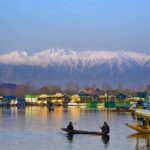
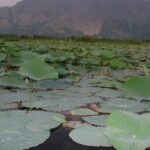
The drive follows the Sind River, and there’s a scenic detour through the Anchar lake of Srinagar. As you continue, you cross via the Wayil bridge, and the route shifts to the true right side of the river about 25 km ahead of Srinagar.
Why this day matters: it sets your rhythm. You’re not starting with a full climb out of the gate, and you get time to settle before camping.
Day 2: Shitkadi to Nichinai camp, Nichinai Pass meadows, and maple trees
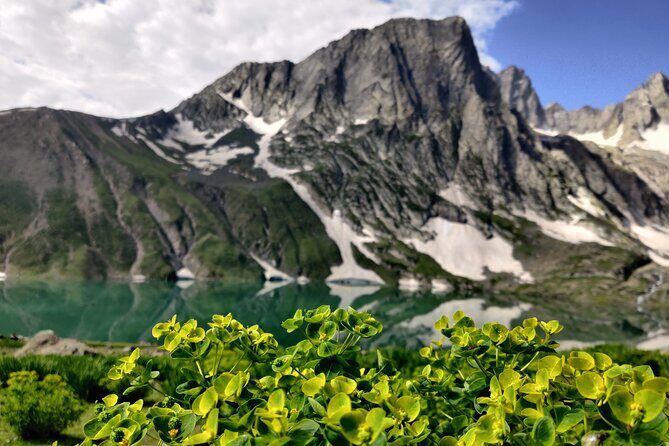
From camp at Shitkadi, you trek toward Nichinai camp, following the Nichinai stream for most of the day. After around 1.5 km upstream, you reach a meadow dotted with maple trees.
This is a good day to focus on smooth pacing. Stream-following terrain usually means fewer brutal steps compared to pass days later, so you can warm up your legs and lungs without feeling like you’re paying the altitude tax immediately.
The time estimate for this day is about 5 hours, and fees for the activity are included.
Day 3: Climbing to Nichinai Pass (~4,100m) and dropping into Vishansar Lake
Today starts with a climb from Nichinai camp to Nichinai Pass, at around 4,100 meters. The ascent takes a couple of hours at a moderate pace, and that time matters because it’s where many people feel altitude most sharply.
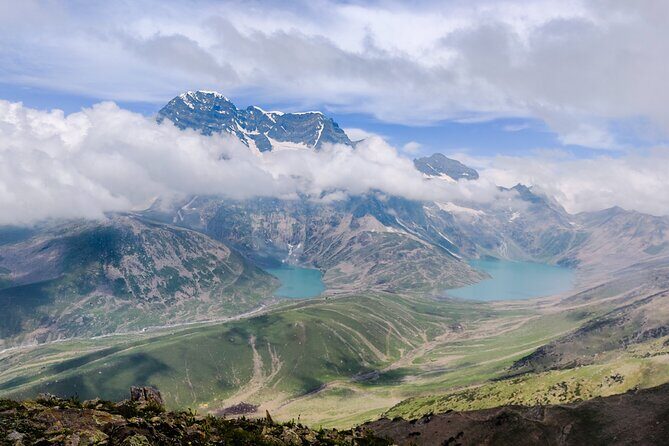
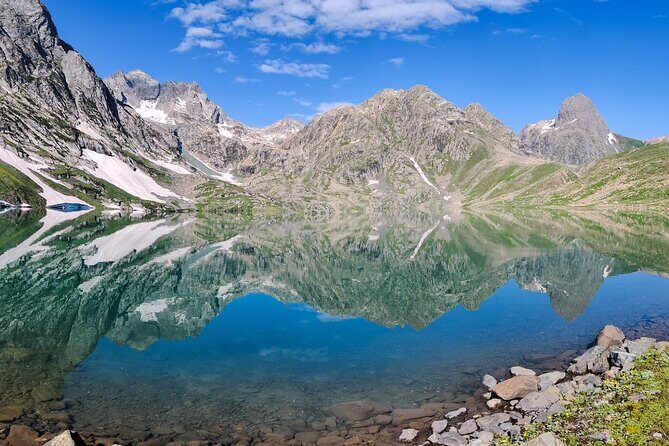
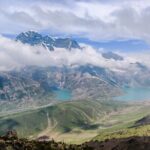
After you cross, the trail leads you into the Vishansar Lake area for camping. Expect a shift in feel: pass climbing pushes your breathing, then the lake-side area gives you a visual reward that’s hard to replace with anything lower-altitude.
This day runs about 4 hours.
Day 4: Vishansar to Gadsar, the highest point on the trek (Gadsar Pass)
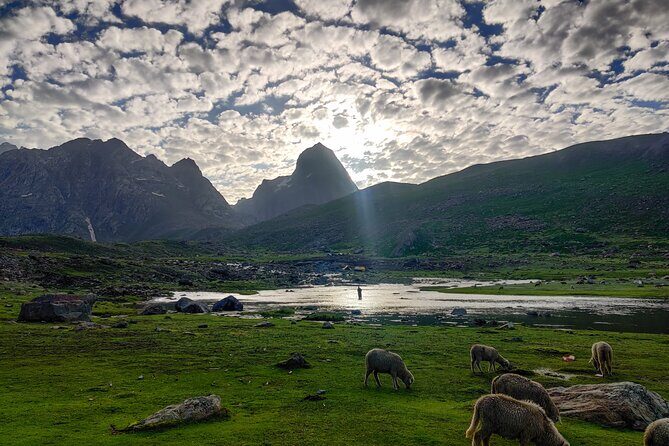
If you’re looking for the “serious trek day,” this is it. The route from Vishansar to Gadsar takes you across the highest point of the trek at Gadsar Pass (4,210 meters).
The full day is listed as around 10 hours, and that’s your cue: pack smart, start steady, and don’t waste energy early. This is also the kind of day where weather can turn your hike from challenging to unpleasant, so layer up and keep an eye on sky changes.
After crossing, you continue to the next camp area at Gadsar Lake, where you’ll finally feel the day’s effort settle.
Day 5: Gadsar to Tarsar (Satsar area), easier rhythm after a steep start
Today is described as relatively easier compared to the big pass days. Still, it doesn’t start gentle: there’s an initial steep hike that takes a little over an hour.
After that, the trail becomes more gradual and mostly level plain. This makes Day 5 a good recovery-style day if you’ve been conserving energy and moving efficiently through the earlier climbs.
You’ll end with Tarsar Lake as the focal point. Total time is about 6 hours.
Day 6: Zaj Pass (~13,280 feet) to Gangabal Lake
The approach to Gangabal Lake includes an ascent to Zaj Pass, which is described as comparatively lower than the earlier passes. The altitude is given as about 13,280 feet, and it takes around 2 hours to reach the pass.
A “lower” pass still hits hard in mountain air, but you should feel it more as a steady push rather than a punishing wall like the earlier top point days.
Once over the pass, you work your way to Gangabal Lake for camping. Total time is about 6 hours.
Day 7: Gangabal to Naranag, then back to Srinagar by early evening
This is the home stretch with a big payoff and a big leg workout. The trail oscillates with minor ascents and descents until halfway, and then it turns into a steep descent all the way to Naranag.
You should plan for a long downhill feel. One recent group highlighted the last day as a roughly 13-kilometer downhill run. That means sore knees are on the table, even if you’re feeling strong.
Finally, you arrive in Srinagar between 5 and 7 pm, depending on when you start from Gangabal. The tour ends back at the meeting point, and accommodation in Srinagar on the last day is not included.
Fitness and planning: who this trek suits best
The trek is labeled as for travelers with moderate physical fitness. You’ll be hiking multiple days with major pass climbs, including high points around 4,100–4,210 meters, and you’ll also deal with a steep descent on the final day.
So here’s my simple fit check:
- If you can walk for hours on uneven terrain and recover overnight, you’ll likely handle it.
- If you’re new to altitude trekking, plan to take the climbs slowly and follow your guide’s pace.
You’ll also want to be realistic about weather. Late August and early September can bring cold rain and changing conditions. Even when the trail looks straightforward, wet ground at altitude reduces footing and adds fatigue.
What to pack (based on what the trek is likely to throw at you)
I can’t list a full gear checklist with every item you might need, since your personal gear varies. But based on the season notes, you should assume:
- rain and sudden showers are more likely later in the season
- cold nights can happen even when daytime feels warmer
- you’ll want layers that work on pass climbs and during lake-side rests
Also keep your carry strategy in mind. If you want a porter, there’s a listed cost (INR 500 per bag per day). If you want no extra costs, bring fewer essentials and keep your pack light.
Should you book the Kashmir Great Lakes trek?
If you want a classic Kashmir high-altitude experience with lake days, pass climbs, and well-run tent camps, this trek looks like a strong match. The value is in the full camp setup (kitchen, dining, toilet tent) and the included meals, not just the guide. The team quality also shows up clearly, including safe leadership during rough weather situations.
I’d only hesitate if you’re easily thrown off by rain and cold shifts. Late-season conditions can be unpredictable, and this trek expects you to handle that with the right attitude and clothing.
If you can pick your month intentionally—early July for snow-meets-meadow bloom, late July for full meadow color, and late August only if you’re ready for colder, wetter surprises—then booking makes a lot of sense.
FAQ
What month is best for seeing snow-covered higher areas with fresh meadows?
Early July is described as the best time for that look, when snow is still present on higher altitudes and the meadows are in fresh bloom.
What month is best for full meadows with warmer camping nights?
End of July is described as the time when snow melts away and the meadows are in full bloom. Nights are also warmer, making camping more comfortable.
How long is the trek?
The duration is about 7 days.
Where does the trek start and end?
It starts from Srinagar and ends back at the meeting point in Srinagar.
What’s included in the trek price?
Included are 6 nights standard tent stay (double occupancy), transport support on Srinagar onwards, all fees and taxes, a professional trek guide with First Aid kit, sleeping bags and mats, meals (6 breakfasts, 5 lunches, 6 dinners), and the camp’s kitchen/dining/toilet setup.
Is there an option to hire a porter?
Porter service for personal luggage is not included. The listed porter charge is INR 500 per bag per day (for bags under 12).
What’s the maximum group size?
The maximum group size is 11 travelers.