Six days of snow trekking in Kashmir.
This is a real winter hike built around the Naranag–Trunkhol–Gangabal route, with snow depths that can run from about 1 foot up to roughly 6 feet as you climb toward Trunkhol. I love that the package covers the heavy lifting for you, including tents/hut stays plus trekking gear and porter offloading, so you spend more energy walking and less energy managing logistics. The one drawback to plan for is the cold and snow hardness; this isn’t a stroll, and you’ll want a moderate fitness level and proper winter readiness.
What makes it especially interesting is the rhythm of the trek: short drives in between, then daily hikes that feel like a steady progression rather than one giant suffering session. Your route also follows older trail thinking—using the old Gangabal line in a way that helps reduce slip risk. And if you want a guide who talks things through, the experience can run with multilingual support, with past groups calling out leaders like Shakeel and Liyakat for being attentive and making the long cold hours feel more human.
In This Review
- Quick hits before you pack
- Price that includes the heavy stuff
- Dal Lake arrival: your Day 1 reset in Srinagar
- Day 2: Srinagar to Naranag, then up to Bodpathri (drive + first snow camp)
- Day 3: Bodpathri to Trunkhol along the old Gangabal trail
- Day 4: Trunkhol snow meadows to Gangabal Lake (ice fields day trek)
- Day 5: Trunkhol back to Naranag through Bodpathri pine forests
- Day 6: departure, no last-minute scrambling
- The gear and camp setup that make or break winter trekking
- Guides, safety, and how the day-to-day usually feels
- Who this trek fits best (and who might want a different trip)
- Should you book the Kashmir Snow Trek?
- FAQ
- What is the duration of the Kashmir Snow Trek?
- Where does the trek start and how do transfers work?
- What is the meeting start time?
- What route does the trek follow?
- Where do you stay during the trek nights?
- How long are the trekking days?
- Is trekking gear included?
- Are meals included?
- What permits are included?
- Is travel insurance included?
- What cancellation window is offered?
Quick hits before you pack
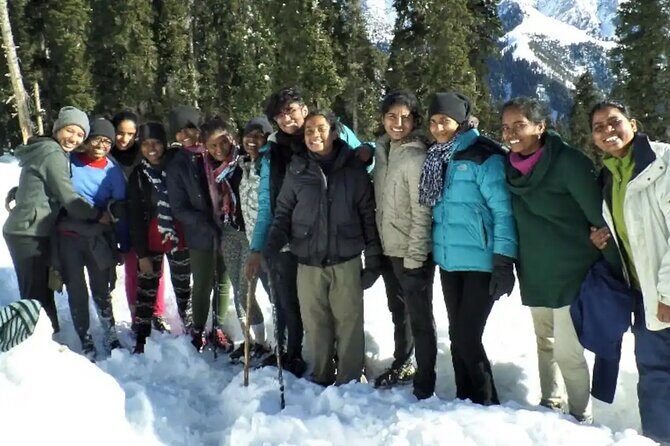
- Real winter snow depths: expect about 1 ft around Naranag, and up to around 6 ft at Trunkhol.
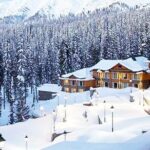
- Huts you actually sleep in: forest huts at Trunkhol and a gypsy hut at Bodpathri keep you moving without running hotel-hunting.
- Gear and camp basics included: sleeping bags, mats, blankets, trekking poles, and even climbing ropes, plus cooking setup.
- Porters handle offloading: you’re still trekking, but the load logistics are managed for you.
- Old-trail choices for footing: the plan uses parts of the route that help avoid slipping on snow.
- Private group feel: it’s set up so only your group participates, with private transportation during transfer days.
Price that includes the heavy stuff
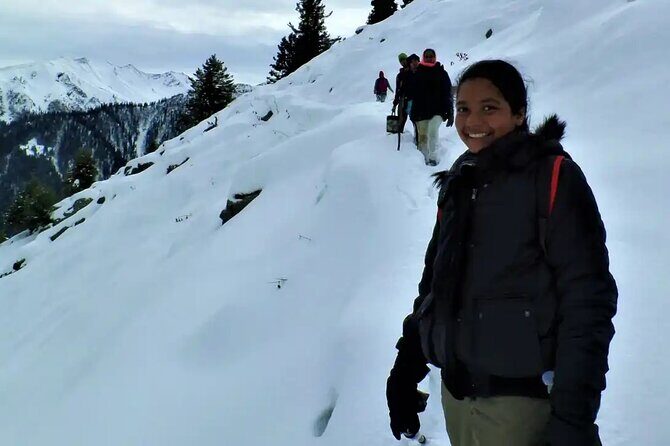
At $389 per person for about 6 days, this trek is priced like a “real package,” not like a bare-bones hiking day. What you’re paying for is the bundle: accommodation in Srinagar plus mountain huts, trekking gear (including sleeping bags and mats), cooking utensils and a stove, plus permits and first aid.
That’s why the value feels solid if you’re traveling from outside the region. Buying winter hiking gear, arranging permits, hiring a local logistics setup, and moving between trailheads adds up fast. Here, much of that is handled—so your main spending focus becomes your own clothing and any personal extras.
You can also read our reviews of more hiking tours in Srinagar
Dal Lake arrival: your Day 1 reset in Srinagar
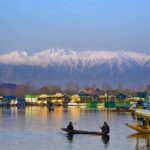
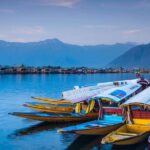
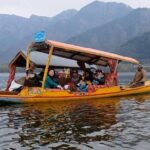
Day 1 starts easy on paper and low stress in practice. You arrive at Srinagar airport or the bus station, and a representative picks you up. Then you’re transferred to your overnight stay by Dal Lake, with the tour describing it as a houseboat-style arrival night.
Why this matters: after a travel day, you don’t want your first contact with the mountains to be hours of airport confusion. This setup gives you a soft landing, and it also gives you that classic Kashmir first-night mood—calm water views while you gear up mentally for winter trekking.
You’re also covered with meals as part of the full-board plan, which helps if you don’t want to hunt for food before an early start tomorrow.
Day 2: Srinagar to Naranag, then up to Bodpathri (drive + first snow camp)
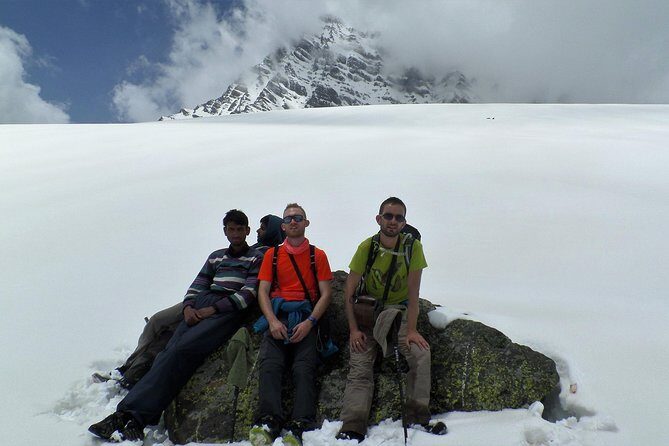
Day 2 combines a short transfer with your first real walking day. After breakfast, you drive to Naranag (about 3 hours), then you trek with porters.
The itinerary route is Naranag to Bodpathri, described as roughly 5 hours of trekking. The trail begins with a slightly steep start and moves through a pine forest area (including Butsheri), which is good news in winter: trees can break wind and make the first snow steps feel less exposed than an open slope.
You sleep in a gypsy hut at Bodpathri for the night.
How to think about this day: it’s the acclimation/habituation day. You’ll learn how your feet handle snow, how quickly you need to move to stay warm, and how your breathing changes in cold air. Keep your pace steady. In winter hikes, steady usually beats fast.
Day 3: Bodpathri to Trunkhol along the old Gangabal trail
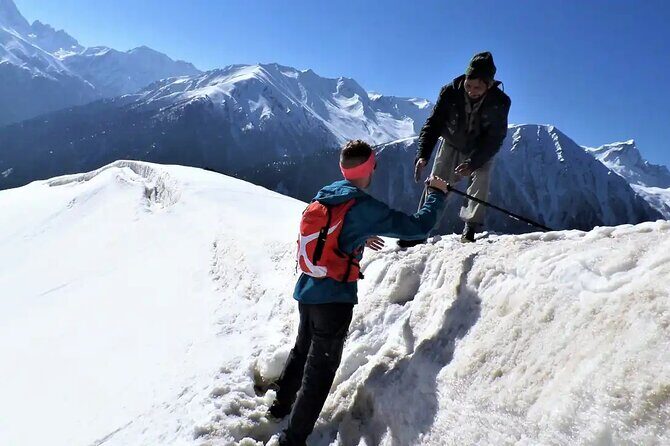
Day 3 is a full trekking day—about 5 hours—from Bodpathri to Trunkhol. The route follows the old Gangabal trail, and it includes crossing Harigand peak as a strategy to help avoid slipping on snow.
That detail matters. Winter trekking isn’t only about fitness; it’s about traction, route choice, and avoiding the wrong kind of angle on hard snow. When the itinerary explicitly chooses a path for footing, it usually means your guides are thinking about safety, not just distance.
You’ll camp at Trunkhol Hut overnight, and this is where the snow depth can be much more serious. The trek description notes snow can build to around 6 feet at Trunkhol, so this is the point where your experience shifts from winter hike to full-on snow trek.
Day 4: Trunkhol snow meadows to Gangabal Lake (ice fields day trek)
Day 4 is the “big views” day: a walk from Trunkhol to Gangabal Lake and back. Expect about 6 hours on foot.
The plan says you’ll leave the Trunkhol snow meadow and move through ice fields to reach Gangabal Lake. Because snow depth and hardness can change how safe and comfortable the walking is, the itinerary also notes that the day trek is planned based on actual conditions—then you return to Trunkhol Hut for the night.
Two practical implications for you:
- You need to stay flexible. If snow is harder or deeper than expected, the plan still keeps your day within safe bounds.
- This is when trekking technique pays off: short steps, controlled pace, and staying aware of footing.
This is also the day where the trip feels most “Kashmir winter nature lover” rather than “just exercise.” If you like quiet mountain atmospheres and big open white spaces, this is your payoff.
Day 5: Trunkhol back to Naranag through Bodpathri pine forests
On Day 5, the trek is longer on paper: roughly 7 hours from Trunkhol to Naranag, then you descend into Naranag village through the pine forest of Bodpathri.
You’ll trek back through snow meadows, which can feel tricky on tired legs. Coming down in snow often forces your body to work harder than you expect, especially if you’ve been hiking all day since Day 2.
Once you reach Naranag, the walking ends and the tour shifts back into driving mode. You take your car back to Srinagar and get another overnight stay.
Why this matters: the back half of the trek gives you that satisfying sense of looping the route. You started in pine forest country, climbed into bigger snow country, and then return through similar trees—just under a different winter texture.
Day 6: departure, no last-minute scrambling
Day 6 is your departure day. Your representative drops you at the airport or bus station.
The start time for the trek sequence is listed as 8:00 am, so your mornings tend to be structured. That’s helpful when you’re moving in winter—less uncertainty, more daylight use, and fewer “wait around while it’s cold” moments.
The gear and camp setup that make or break winter trekking
This is where the package really pulls its weight. Included trekking gear covers the big comfort and safety pieces you might otherwise have to rent or bring yourself:
- Sleeping bags, mats, and blankets
- Trekking poles
- Climbing ropes
- Cooking utensils and an LPG stove
- First aid
You also get offloading by porters, meaning you’re not personally carrying everything between trail and hut.
Here’s what that means for your comfort and pace:
- You can focus on staying warm through movement rather than constantly adjusting how you’re packing.
- Your sleep matters more than people think. A good sleeping bag and mat can change how you feel the next morning.
- Stove + cooking setup means you’re not relying on finding hot food at random spots.
Still, one reality check: included gear doesn’t replace your own winter clothing needs. You’ll want to bring your personal layers and anything you prefer for gloves, socks, and outerwear.
Guides, safety, and how the day-to-day usually feels
The trek is private, and it’s designed for a small, controlled group experience—your group only. The tour also states it can be operated with a multi-lingual guide, and guidance quality shows up in how the trek runs.
From past experiences with this style of trekking setup, leaders such as Shakeel have been praised for structured communication—helping with day-by-day flow and making sure time and ticket details work for the surrounding city portions. Another guide, Liyakat, has been described as informative and funny, with an emphasis on keeping the pace and experience grounded in local context.
Even when the route is straightforward on paper, winter conditions can change the feel hour to hour. The itinerary’s mention of planning based on snow depth and hardness on Day 4 is a good sign: the goal is not conquering a checklist, it’s walking safely and making the day enjoyable.
Who this trek fits best (and who might want a different trip)
This trek is best for hikers who want a winter experience that’s serious enough to be memorable but supported enough that you’re not out there improvising.
You’ll likely love it if you:
- enjoy winter hiking and cold-weather scenery
- can handle days of trekking between 5 and 7 hours
- are okay with hut-style sleeping and mountain-camp routines
- want a guided route with porters, gear, and permits handled
You might want a different option if:
- you hate cold weather or struggle with winter walking on uneven, hard snow
- you don’t have a moderate fitness base
- you want a trip with long, easy walking days and zero exertion
Should you book the Kashmir Snow Trek?
If you’re excited by winter trekking and want your money to go toward the essentials—gear, hut stays, porter offloading, permits, and safe route planning—I think this is a strong bet. The snow depth rise toward Trunkhol (up to about 6 feet) and the planned day trek to Gangabal Lake are exactly the kind of moments that justify taking winter seriously.
But if you’re nervous about cold conditions or you’re the type who needs constant comfort and easy walking, don’t force it. Winter hikes reward preparation and calm pacing.
My advice: book it if you’re mentally ready for real snow days and you’ll bring the clothing you trust in cold weather. You’ll come back with a very specific kind of Kashmir memory—quiet ice fields, pine forest walks, and hut nights that actually feel like part of the journey.
FAQ
What is the duration of the Kashmir Snow Trek?
The trek is listed as lasting about 6 days.
Where does the trek start and how do transfers work?
You’re picked up at Srinagar airport or bus station and transferred for your first night, then the plan drives you to Naranag for the trek start.
What is the meeting start time?
The start time is listed as 8:00 am.
What route does the trek follow?
The snow trek follows Naranag – Trunkhol – Gangabal.
Where do you stay during the trek nights?
You stay in forest huts at Trunkhol (two nights) and a gypsy hut at Bodpathri (one night). Srinagar accommodation is also included for two nights.
How long are the trekking days?
Trek times listed are approximately: Day 2 (5 hours), Day 3 (5 hours), Day 4 (6 hours), and Day 5 (7 hours).
Is trekking gear included?
Yes. Included gear covers sleeping bags, mats, blankets, trekking poles, and climbing ropes.
Are meals included?
Yes. The package includes breakfasts and lunches on scheduled days, plus dinners (listed as 5 dinners, 5 breakfasts, and 4 lunches).
What permits are included?
The trek includes trekking and wildlife permits.
Is travel insurance included?
No. Travel insurance is not included.
What cancellation window is offered?
Free cancellation is available up to 24 hours in advance for a full refund. If you cancel less than 24 hours before the experience start time, the amount paid isn’t refunded.