REVIEW · SRINAGAR
Kolahoi Glacier Trek
Book on Viator →Operated by Kashmir Treks · Bookable on Viator
A high pass and a real glacier. The Kolahoi Glacier Trek is a crossover trek from Sind Valley into Lidder Valley via Basmai Pass (4300m), with big mountain views around Mount Kolahoi (5425m), alpine lakes at the foothills, and camping on colorful meadows. Two parts I’d put at the top of the list are the mix of pine-and-meadow hiking plus the glacier visit, and the fact that you get practical support like camping gear and horse offloading so you are not hauling everything yourself. One thing to consider: you’ll be at altitude (and the route has steep sections), so a solid moderate fitness base and weather flexibility matter.
This trek also has the kind of logistics that make mountain time feel smoother. You get pickup and private transportation in Srinagar, then a car drive back through Pahalgam (and you finish where people can actually sleep well). Guide quality is a recurring theme, with names like Habib and Mustafa showing up in feedback, which is a reassuring sign you’re not just handed a map and wished good luck. The possible drawback is weather: when conditions turn, the trail can get harder than the distance on paper suggests.
In This Review
- Key highlights on the Kolahoi route
- Why this trek works: Basmai Pass, alpine lakes, and a glacier goal
- Price and value: what $349 covers (and what it doesn’t)
- Day 1 in Srinagar: houseboat or hotel, then sleep like you mean it
- Day 2: from Gagangir to Basmai meadow through pine forest and open meadows
- Day 3: Basmai Pass (4300m) and the lake stop
- Day 4: meadows, Kolahoi Glacier exploring, then Satlanjan meadow camping
- Day 5: under Kolahoi Peak (5425m) to Lidderwat
- Day 6: down to Aru Valley, Lidder River steps, and the drive back via Pahalgam
- Guides and safety: horses, first aid, and teams like Habib and Mustafa
- Camping, meals, and the reality of high-altitude comfort
- Altitude and packing: how to prepare for Basmai Pass and lake nights
- Who should book the Kolahoi Glacier Trek
- Should you book this trek? My take on the decision
- FAQ
- How many days is the Kolahoi Glacier Trek?
- What is the highest point on the route?
- Where do you start and end the trek?
- Do you offer pickup and transportation in Srinagar?
- Is camping gear included?
- Are meals and drinks included?
- Do you get offloading by horses?
- What should I bring personally?
- When does the trek operate, and what about cancellation?
Key highlights on the Kolahoi route
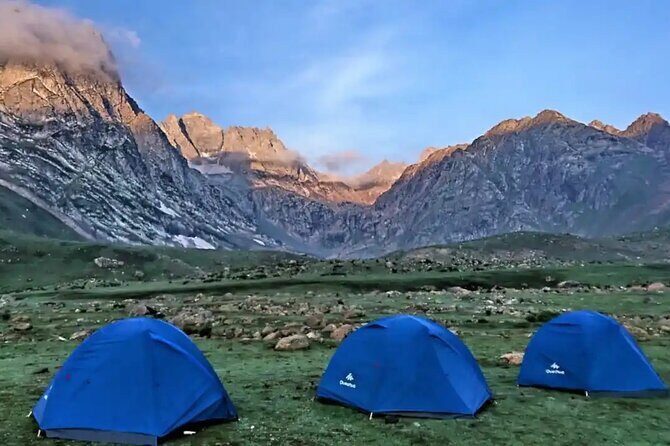
- Basmai Pass at 4300m: the highest point of the trek, with a serious alpine payoff
- Kolahoi Glacier time: you’re not just passing by the idea of a glacier
- Crossover trek feel: Sind Valley to Lidder Valley through classic Kashmir terrain changes
- Camping support: all camping gear plus bottled water, coffee/tea, and meals included
- Horse offloading: it helps you focus on footing rather than brute-carrying
- Finish with a scenic drive: back to Srinagar with the Lidder River-Aru Valley rhythm and a road leg via Pahalgam
Why this trek works: Basmai Pass, alpine lakes, and a glacier goal
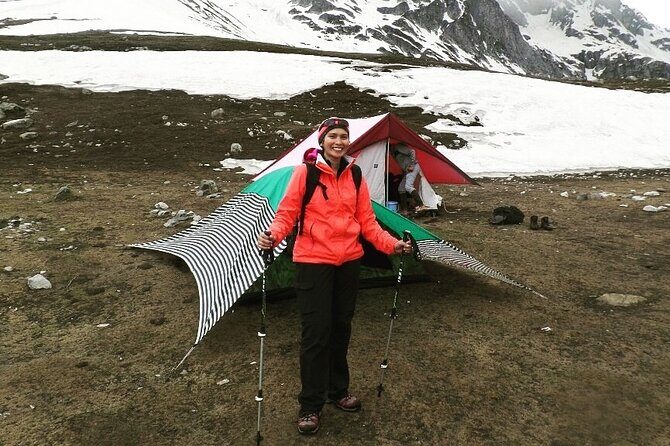
Kolahoi Glacier Trek isn’t a gentle “walk in the park” style hike. It’s built around altitude, scenery variety, and a clear destination: the high foothills of Mount Kolahoi and time near the Kolahoi Glacier. The trekking style is classic Kashmir—pine forest sections, meadows that look bright even when you’re exhausted, stream crossings, and those high-altitude lake moments that make you stop talking for a few minutes.
What makes it interesting is the crossover route. Instead of doing one valley over and over, you go from Sind Valley into Lidder Valley. You’ll feel that change in the hiking texture: forest to open meadows, gentler stretches followed by steeper grabs uphill, then long enough descents to reset your legs.
Two practical wins for you: (1) meals and camping gear are part of the package, so you’re not assembling a full outdoor setup before you arrive; (2) horse offloading is included, which means your backpack weight can be more realistic for a 7-day trek.
The one big caution is altitude and conditions. A moderate fitness level is the requirement, but the itinerary includes a big ascent to Basmai Pass at 4300m and multiple days of climbing and descending. Even if you’re fit, you’ll want to pace yourself and keep expectations flexible, especially in changeable mountain weather.
You can also read our reviews of more hiking tours in Srinagar
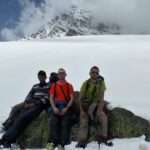
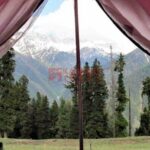
Price and value: what $349 covers (and what it doesn’t)
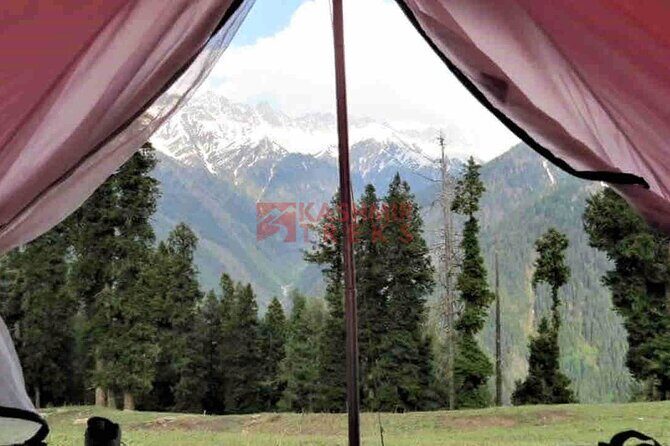
At $349 per person for roughly 7 days, this trek’s value comes from what’s packaged together. Included items that matter on a mountain trip include:
- Private transportation in Srinagar (pickup and transfers)
- All camping gear
- Offloading by horses
- Bottled water
- Coffee and/or tea
- First aid
- Meals: 6 breakfasts, 5 lunches, 6 dinners
When the trail is long, those details add up fast. Food isn’t an afterthought, and camping gear being handled for you can save both money and stress. You also have mobile ticket handling, which is one less thing to worry about.
What’s not included is equally important. You’ll need your own personal clothing and equipment. Travel insurance is not included, and tips for local staff and guides are also on you. Optional excursions aren’t part of the plan either—so if you want extra side trips, budget those separately.
My practical take: the price feels most fair if you’d otherwise have to rent gear, organize transfers, and pay for meals and support separately. If you already have everything perfect for trekking (and you still need the transport and camping support), you’ll still be paying for the whole mountain operation. In that case, it’s mainly the convenience that you’re buying.
Day 1 in Srinagar: houseboat or hotel, then sleep like you mean it
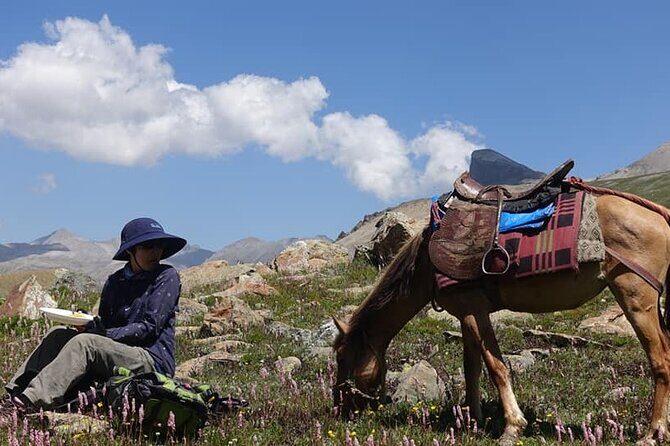
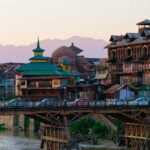
You start in Srinagar, arriving by airport or bus station. Your representative meets you and transfers you to your overnight place on Dal Lake (houseboat) or a hotel. This first night matters more than it sounds. After travel, you want a stable bed and easy logistics before the mountains start chewing on your schedule.
If you’re choosing between houseboat and hotel in your mind: either works as a base. The bigger win is that you’re not spending Day 1 trying to figure out transport.
Day 2: from Gagangir to Basmai meadow through pine forest and open meadows
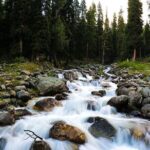
After breakfast, you drive to Gagangir near Sonamarg. Then the trek begins with load and backpack being packed onto horses for easier trekking. From there, you move through pine forest and into meadows, and camp at Basmai meadow overnight.
This day is your setup day. You’re learning the rhythm: where your breath slows on uphill stretches, how your footing feels on mixed terrain, and when it makes sense to pause for photos (yes, you will pause; no, you won’t regret it).
One thing to expect: the route style suggests a gentle-to-medium ramp-up rather than a flat warmup. Pine forest walking can feel steady, but once you hit meadow paths, you may notice wind and sun more clearly.
Day 3: Basmai Pass (4300m) and the lake stop
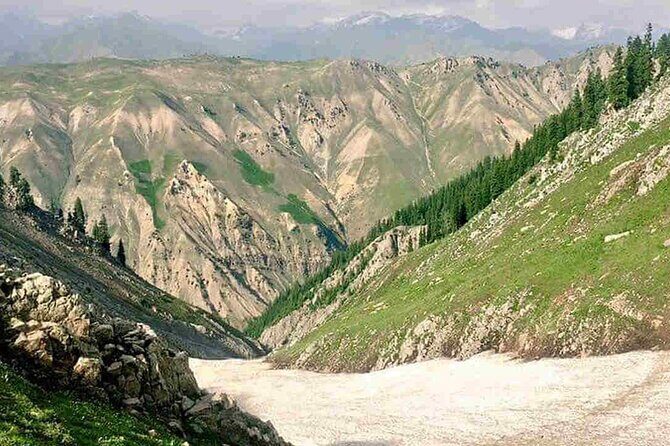
This is the day with the big altitude highlight: ascending Basmai Pass (4300m), then descending toward the lake named for the pass for the night.
Basmai Pass being the highest point of the trek is the reason this trip stands out. The climb is the kind where you stop measuring time in minutes and start measuring time in breaths. If you’re prone to rushing, fight that instinct. You’ll feel better if you go slower than you think you need.
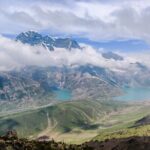
The lake stop is also a nice reward. High-altitude water scenes tend to calm the mind, and camping near a lake at altitude usually changes how the evening feels—cooler air, quieter views, and that moment when you realize your legs are working overtime and still got you there.
Day 4: meadows, Kolahoi Glacier exploring, then Satlanjan meadow camping
Day 4 continues the best-of-Kashmir mix. You trek through meadows, explore the Kolahoi Glacier, and then head down to Satlanjan meadow for overnight camping.
The glacier time is a key reason to choose this trek rather than another “pass-and-back” hike. A glacier visit tends to make the whole experience feel more grounded—less about scenic passing, more about seeing something that shapes the mountain.
The meadow portions matter too because they help you recover between harder segments. Meadows can be mentally easier, but don’t let that trick you into going fast. Open areas can be exposed to wind. Also, your body still needs steady pacing, especially after the pass day.
Day 5: under Kolahoi Peak (5425m) to Lidderwat
On Day 5, you trek toward Lidderwat, described as moving under the towering heights of Kolahoi Peak (5425m) through meadows. You camp at Lidderwat overnight.
This is a “keep your eyes up” day. The phrase about towering heights matters, because when you’re hiking with high peaks looming, you tend to adjust your stride without noticing. You look up more, you take slightly longer pauses, and you pay attention to the sky and light.
From a comfort point of view, camping at a new spot each night is part of the deal. It’s part adventure, part endurance test. But the support setup—camping gear and meals included—helps keep it from turning into pure hardship.
Day 6: down to Aru Valley, Lidder River steps, and the drive back via Pahalgam
Day 6 is the transition from footpower to car legs. You trek down to Aru Valley following the Lidder River, moving through pine and birch forests. Then you take a car drive back to Srinagar via Pahalgam, finishing with houseboat or hotel overnight.
I like Day 6 because it closes the loop. After days of climbing, you get river guidance and forest walking, which often feels more forgiving on tired knees than steep hillside paths. Then the road back is your chance to eat a real meal, stretch properly, and sleep without listening to tent stakes settle into earth.
Pahalgam being on the drive route is a bonus for scenery during the transfer. It turns the “getting back” part into one last memory, not just logistics.
Guides and safety: horses, first aid, and teams like Habib and Mustafa
This trek is described as operated by a multi-lingual guide, and that matters. On high-altitude routes, language can be the difference between understanding how to pace, where to be careful, and how to handle sudden weather changes.
In the feedback, guide names like Habib and Mustafa show up—both connected to planning and keeping people feeling safe on the trek. That lines up with what you want on a route with steep segments and a high pass.
Two other safety-adjacent supports are explicitly included:
- First aid
- Offloading by horses, which helps reduce the temptation to over-pack for comfort you can’t carry
A private tour also helps. Only your group participates, which means less waiting for slower people and fewer bottlenecks on narrow trail sections.
Still, remember: weather can spoil the trail. One experience noted that conditions affected the route. So you should pack for changes and accept that mountain days don’t always behave like schedules.
Camping, meals, and the reality of high-altitude comfort
The package is built around keeping you fed and equipped:
- 6 breakfasts, 5 lunches, 6 dinners
- Bottled water
- Coffee and/or tea
- All camping gear provided
That’s the comfort backbone. In mountain treks, the biggest friction point for many people isn’t the view—it’s hunger, cold, and gear problems. Here, those reduce sharply because your essentials are handled.
Food quantity and quality aren’t fully described, but the included meal structure suggests you’ll be eating regularly during trekking days. You can also take comfort in the fact that the team is responsible for camping setup and the gear you need to sleep, rather than you improvising.
One thing I’d keep realistic: camping at altitude isn’t luxury camping. Even with gear included, nights can be cold and mornings can feel sharp. Your personal clothing and equipment matter a lot here, because warmth is what you control.
Altitude and packing: how to prepare for Basmai Pass and lake nights
This trek climbs to 4300m and includes nights near high terrain features. That’s not a reason to panic—it’s a reason to be intentional.
What you should focus on, based on the nature of the trek:
- Layering for cold mornings and warmer afternoons
- Footwear suited to uneven, mixed ground and possible stream areas
- A mindset for steep sections on Day 2 and especially Day 3
- Light planning for wind exposure in meadow areas
Also, bring your own personal trekking clothing and equipment since it’s not included. If you arrive with a backpack that’s too heavy, the horse offloading helps only so much. Aim for a pack weight you can manage calmly.
And weather: one account notes weather can affect trail conditions. You’ll want a bit of patience and a willingness to adjust your pace.
Who should book the Kolahoi Glacier Trek
You’ll likely enjoy this trek if:
- You want a real mountain goal (Basmai Pass and glacier exploration)
- You’re comfortable with steep uphill and downhill days, not just scenic strolls
- You like off-the-beaten-track trekking with a crossover valley route
- You want to hike without managing camping gear logistics yourself
You might think twice if:
- You are very sensitive to altitude or you struggle with moderate fitness on steep grades
- You’re looking for a fully predictable, low-stress experience regardless of weather
- You prefer staying in one place instead of moving camp every night
The minimum age is 18 years, and the trek is private for your group, which suits people who want quieter pace and less mixing.
Should you book this trek? My take on the decision
Book it if you want an itinerary that feels like actual mountain travel: pass day to lake day to meadow day to glacier exploring, then down to the river and back by car. The package value is strong because camping gear, meals, bottled water, and first aid are included, and horse offloading cuts down on the heavy-lift burden.
Skip or switch plans if your fitness is borderline or you’re not ready for altitude-related pacing and possible weather disruptions. This isn’t a trek where you can treat every day like a flat walk.
If you do book, do one smart thing: plan your pace like the trail depends on it. Because at Basmai Pass and in the meadow climbs, your legs—and your breathing—are what make the views possible.
FAQ
How many days is the Kolahoi Glacier Trek?
The trek runs for about 7 days.
What is the highest point on the route?
Basmai Pass is the highest point on the trek at 4300m.
Where do you start and end the trek?
You start in Srinagar with pickup and an overnight stay, then trek through the valleys and return by car to Srinagar after reaching Aru Valley.
Do you offer pickup and transportation in Srinagar?
Yes. Private transportation is included, and pickup is offered for transfers to and from Srinagar.
Is camping gear included?
Yes. All camping gear is included.
Are meals and drinks included?
Yes. Bottled water is included, along with coffee and/or tea. Meals include 6 breakfasts, 5 lunches, and 6 dinners.
Do you get offloading by horses?
Yes. Offloading by horses is included.
What should I bring personally?
You’ll need your own personal clothing and equipment.
When does the trek operate, and what about cancellation?
It operates from 06/21/2025 to 09/30/2025, daily. You can cancel for a full refund up to 24 hours before the experience’s start time. Travel insurance is not included.