REVIEW · SRINAGAR
Kashmir Ladakh Tour
Book on Viator →Operated by Ladakh Backpackers · Bookable on Viator
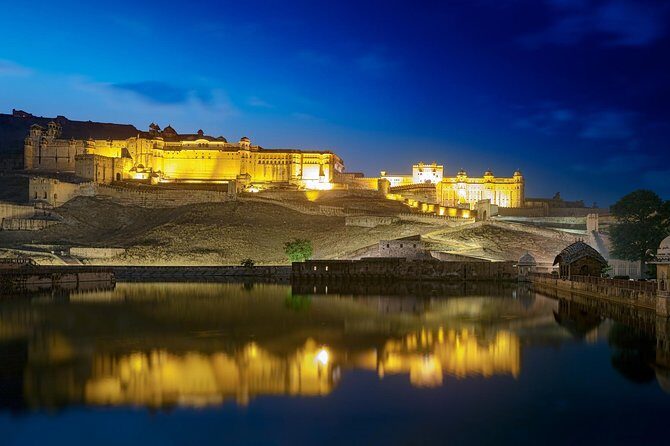
Lakes and passes, all in one tight loop. This 10-day Kashmir Ladakh trip strings together Srinagar sights, Leh-area monasteries, Nubra dunes, and Pangong Tso at high altitude, with private transportation and key permits handled.
I especially like the pacing: a mix of easy stroll stops (gardens, viewpoints, markets) plus big drive days where the scenery does the talking. I also like that your accommodation and most meals are included, including a heritage Ladakhi lunch at Gyapthago Heritage Home.
The main thing to consider is the physical load. Long hours in a car and high-altitude days can hit hard, and some costs (like monument fees and extra activities) are not included.
In This Review
- Key highlights you’ll actually feel
- Kashmir to Ladakh by road: what kind of trip is this?
- Srinagar warm-up: Mughal Gardens, Pari Mahal, and Dal Lake shikara time
- Gulmarg day: a “big views, low complication” stop
- Zoji La, Drass Valley, and Kargil: the long route that turns into the point
- Day 4 onward: Mulbekh, Lamayuru, the river confluence, and Magnetic Hill
- Leh highlights: Leh Palace, Thiksey, Hemis, and Shanti Stupa
- Gyap-Thago Heritage Home lunch: the cultural break you’ll remember
- Khardung La and Nubra Valley: Diskit Gompa and Hunder Sand Dunes
- Turtuk and the Balti Heritage House: a border-zone village feel
- Pangong Tso: the 4,350m lake day with a serious early start
- Budget check: what your $1,499 covers (and what to plan for)
- Team and communication: why the named drivers matter
- Best time to go, and who this fits
- Should you book this Kashmir Ladakh tour?
- FAQ
- What time does the tour start in Srinagar?
- Is airport pickup and drop-off included?
- How long is the Kashmir Ladakh tour?
- What’s included in the price?
- What’s not included?
- Is the Innerline Border Permit included?
- When is the best time to take this tour?
- Are foreign nationals with diplomatic passports allowed?
- What is the cancellation policy?
Key highlights you’ll actually feel
- Airport meeting with a placard in Srinagar, so you start without stress.
- Dal Lake in the evening with a traditional shikara ride included as part of the Srinagar day.
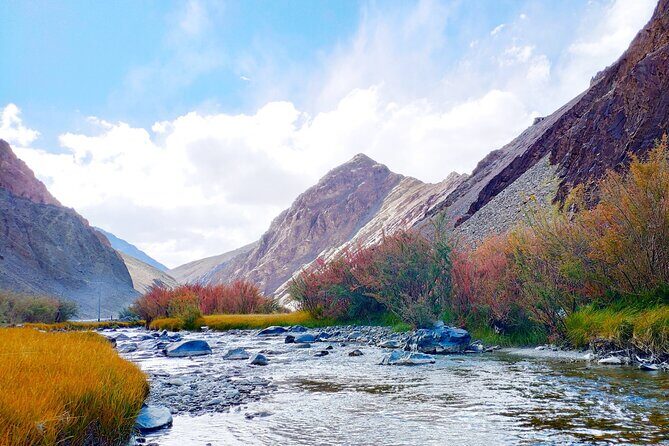
- Driver-led route through major passes like Zoji La and Changla Pass, built into the plan.
- Leh-area monasteries plus royal and stupa stops—a good mix of faith sites and local landmarks.
- Sunrise at Pangong Tso with an early start to catch the morning light.
Kashmir to Ladakh by road: what kind of trip is this?
This is a classic north-India “from valley to desert mountains” road itinerary. You’ll start in Srinagar at 6:00 am, then work your way toward Leh, crossing high passes along the way, before finishing back around Leh and flying out.
The value isn’t just the sights. It’s that you’re not piecing together transport, hotels, and permits day-by-day. The tour includes private transportation plus an Innerline Border Permit, which matters a lot for this region.
You can also read our reviews of more tours and experiences in Srinagar.

Srinagar warm-up: Mughal Gardens, Pari Mahal, and Dal Lake shikara time

Your first day is designed to get your bearings fast in Srinagar. The driver meets you at the airport exit gate with the company placard and your name—small detail, big relief after a travel day.
You then head to the Mughal Gardens of Nishat and Shalimar. These are built over a 14-year period and connect directly to the Mughals’ love of landscaped gardens, so you get more than photos—you get a story you can point to as you walk.
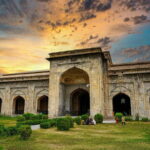
After that, you visit Pari Mahal and Shankaracharya Temple. Even with limited time, this combo gives you a sense of how Srinagar’s viewpoints blend culture and elevation.
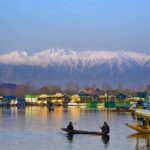
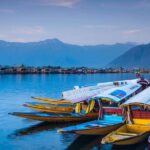
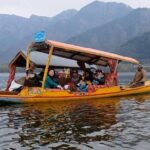
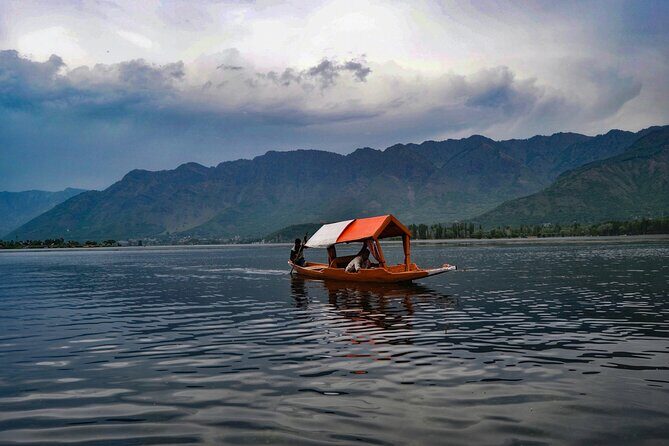
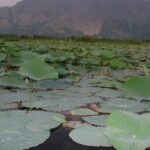
Then comes the best kind of contrast: Dal Lake in the evening, including a traditional shikara ride. It’s the kind of low-effort moment that makes the long road trip feel worthwhile—especially before you start stacking up passes later in the itinerary.
Gulmarg day: a “big views, low complication” stop
Day 2 drives you from Srinagar to Gulmarg after breakfast. Gulmarg is described as a place that was inspired by a Kashmiri romantic poet in the 16th century, with grassy slopes and wild flowers in season.
This stop is practical because it isn’t loaded with logistics. You’re given a solid chunk of time (about 5 hours), and you’re not asked to run across the region doing dozens of tiny errands.
Zoji La, Drass Valley, and Kargil: the long route that turns into the point
Day 3 is where the trip starts to feel like Ladakh. You head early toward Kargil, drive through Zoji La Pass, and you enter the Ladakh region after the pass.
You’ll also make stops tied to the “gateway” feel of this drive. Drass Valley is listed at 3,280 meters and described as the Gateway to Ladakh, so you can think of this as a gradual shift rather than a sudden jump.
Finally, you arrive in Kargil (the stop is listed with a long time window). Kargil matters here because it’s both natural and historical in tone, and the next day continues straight into Leh without wasting time.
Day 4 onward: Mulbekh, Lamayuru, the river confluence, and Magnetic Hill
On the way to Leh, you get a chain of landmark stops that fit together well.
First is the 30-foot rock-cut statue of Maitreya Buddha, also known as Mulbekh Chamba. From there you visit Mulbekh Monastery (Mulbekh Gompa), where the highlight is the ancient rock carvings of Buddha.
Next, you reach Lamayuru Monastery (Yuru Gompa). The itinerary notes it as one of the oldest and largest monasteries in Ladakh, with attention on its architecture.
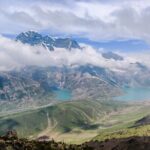
Then you stop at the confluence of the Indus and Zanskar Rivers. This is one of those places where the stop length fits what you’d want: you can take in the view and still be ready for the drive.
And finally you hit Magnetic Hill, famous for an optical effect where vehicles appear to move uphill without external force. It’s a fun, easy break that also gives you a moment of lightness before you settle into Leh sightseeing mode.



Leh highlights: Leh Palace, Thiksey, Hemis, and Shanti Stupa
Day 5 is a Leh-heavy day, and it works because these stops are all tied to the same area.
You start with the Leh Palace, built in the 17th century by King Sengge Namgyal. The value here is simple: it’s a landmark that helps you understand why Leh feels like a capital rather than just a base.
Then you visit two major monasteries:
- Thiksey Monastery, founded in the 15th century, built with 12 levels, and known for statues and thangkas.
- Hemis Monastery, founded in the 17th century by Sengge Namgyal, described as the wealthiest and most important monastery in the region.
After the monasteries, you go to Shanti Stupa, a white-marble stupa in a traditional Tibetan architectural style. It’s built in two levels, and it’s designed for both views and calm.
Gyap-Thago Heritage Home lunch: the cultural break you’ll remember
One of the most meaningful inclusions is the heritage Ladakhi lunch at Gyapthago Heritage Home. This isn’t listed as an optional extra—it’s part of what you get.
The itinerary describes Gyapthago as a heritage stop of more than 200 years old, located in a stok hamlet, about 20 km away from where you’ll be staying. The practical upside is that you get a local-food moment in the middle of high-driving days, instead of just eating wherever is closest.
Also, since lunch is included (and this one is specifically called out), you’re less likely to burn time chasing meals on days when the schedule is tight.
Khardung La and Nubra Valley: Diskit Gompa and Hunder Sand Dunes
Day 6 takes you into Nubra Valley, and it includes the well-known Khardung La pass stop. The itinerary notes Khardung La as one of the highest motorable roads in the world, with the pass stop including an admission ticket.
Then you visit Diskit Gompa (Diskit Monastery), described as a 14th-century Buddhist monastery and the oldest and largest monastery in Nubra Valley. This is one of the best stops on the day if you like mixing dramatic terrain with human-scale architecture.
After that, you reach the Hunder Sand Dunes, about 4–5 square kilometers, surrounded by snow-capped mountains (as described in the itinerary). The dunes are also described as home to rare and exotic animals, though the specific animals are not listed.
This day is a good reminder that Ladakh isn’t just mountains and monasteries. You get a different texture: desert-like sand under big sky.
Turtuk and the Balti Heritage House: a border-zone village feel
Day 7 is one of the most interesting human stops on the route. You go to Turtuk Village, described as the last village on the India side of the LAC. It’s noted as having been part of POK until 1970.
That history gives the stop extra weight. You’re not just looking at a scenic village; you’re seeing a place shaped by border changes—something you can feel in the way the itinerary frames it.
Then you visit the Balti Heritage House and Museum. The key practical part is the museum time is short (about 30 minutes), so you won’t feel like you’re stuck in a building while you’re traveling through one of the most remote areas of the trip.
Pangong Tso: the 4,350m lake day with a serious early start
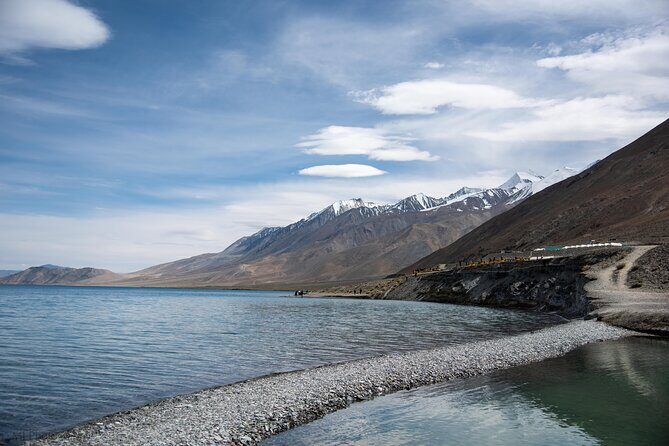
Day 8 drives you toward Pangong Tso after early breakfast, crossing the Shayok Valley and reaching Pangong by afternoon. The itinerary describes Pangong Tso as being at almost 4,350 meters, and it calls it the world’s highest saltwater lake.
Day 9 is the payoff day. You get up early to catch the sunrise view at Pangong lake, enjoy breakfast by the shores, and then head back toward Leh through Changla Pass.
This is the part of the tour where timing matters most. You’re dealing with altitude and long drives, so the early start is not about being touristy—it’s about earning the clearest light and best conditions for the lake views.
Budget check: what your $1,499 covers (and what to plan for)
At $1,499 per person, this is priced like a full package road trip rather than a DIY travel day-mix. The included items are what make that true:
- Accommodation
- Private transportation
- Lunch (included)
- Breakfast and dinner (listed as 9 breakfasts and 9 dinners)
- Innerline Border Permit
- Gyapthago Heritage Home lunch (called out specifically)
So where does your money go? A lot of it is doing the hard work you don’t want to manage: transportation across long distances, lodging, and the border permit.
What’s not included is also clearly listed: tips, porters, monument fees, insurance, and cancellation charges. The itinerary also notes that extra activities like camel safari, rafting, gondola ride, shikara ride are not included.
One caution: the itinerary itself includes a shikara ride on Dal Lake on Day 1, but your overall exclusions mention shikara rides as examples of extra activities. So if shikara is important to you as a standalone experience, double-check what’s bundled versus what might be billed separately in your final confirmation.
Team and communication: why the named drivers matter
This type of trip is only comfortable when the driver is steady and the plan is organized. In the feedback you shared, names like Fida, Shakeel, Abdul, Zigmet, Padma, Ghulam, and Dorjay come up as key people who helped keep things moving.
Practically, that means you’re more likely to get smooth transfers—airport pickup on day 1, consistent vehicle use, and fewer moments where you’re stuck trying to figure out what comes next.
It also suggests the operator is used to handling multiple national visitors and different needs, including requests for upgraded hotels mentioned in feedback.
Best time to go, and who this fits
The tour is listed as best between April and October. That’s your clue that the passes and long road days are seasonal here, and the plan depends on workable weather.
This tour suits you if you want:
- a road trip that hits Srinagar, Gulmarg, Leh, Nubra Valley, Turtuk, and Pangong Tso within about 10 days
- guided organization with permits and permits-related routing handled
- comfort-focused planning (hotels and meals included most days)
It’s less ideal if you hate long drives or you’re very sensitive to altitude. Even with a careful itinerary, high passes and elevations are still elevations, and the second day is noted in one situation where mountain sickness led to hospital care.
Should you book this Kashmir Ladakh tour?
Yes—if you want a ready-made route that handles the heavy logistics and lets you focus on views, temples, and a couple of big “wow” moments. The included accommodation, meals, private transportation, and Innerline Border Permit make the price feel like a package deal rather than a collection of separate tours.
I’d book it if you’re comfortable with long driving days and you’re traveling during April–October. I’d think twice if you’re traveling with strict time limits, or if altitude is a major concern for you—because this itinerary includes passes like Zoji La and Changla Pass and a high-altitude lake day at almost 4,350 meters.
If you do book, ask your operator to confirm exactly what’s included around Dal Lake and any other optional experiences you might want to add.
FAQ
What time does the tour start in Srinagar?
The meeting time listed is 6:00 am at Srinagar Airport.
Is airport pickup and drop-off included?
Yes. A driver meets you at Srinagar Airport on arrival, and on the last day the driver drops you at the Leh airport after breakfast.
How long is the Kashmir Ladakh tour?
The duration is listed as 10 days (approx.).
What’s included in the price?
Included items are accommodation, private transportation, lunch, breakfast and dinner (9 each), a Ladakhi heritage lunch at Gyapthago Heritage Home, and the Innerline Border Permit.
What’s not included?
Not included: tips, porters, monument fees, insurance, cancellation charges, plus extra meals and activities like camel safari, rafting, gondola ride, shikara ride, and similar add-ons.
Is the Innerline Border Permit included?
Yes. The itinerary includes an Innerline Border Permit.
When is the best time to take this tour?
The tour is listed as best between April and October.
Are foreign nationals with diplomatic passports allowed?
No. The data states that foreign nationals of diplomatic passport holders are not permitted.
What is the cancellation policy?
You can cancel up to 6 days in advance for a full refund. If you cancel 2–6 days before, you get a 50% refund, and if you cancel less than 2 days before, the amount paid is not refunded.