REVIEW · SRINAGAR
Srinagar Old City Heritage Walking Tour with Kahwa Tea
Book on GetYourGuide →Operated by Wildfloc Adventures · Bookable on GetYourGuide
Srinagar’s old lanes tell stories fast. This guided heritage walk through the Old City is the kind of trip that helps you read the streets—linking shrines, Mughal-era details, and everyday market life into one clear narrative with a local historian. I especially like the step-by-step orientation the guide gives, and the Kahwa tea break that turns sightseeing into a real conversation moment.
What I like most is how the architecture and shrine stories get explained in plain language, and how you actually meet local artisans instead of just passing them. When I travel somewhere old, I want context, not a checklist—and this tour leans hard into meaning.
One consideration: this is real walking on uneven, winding lanes. If you have low fitness or trouble with steady steps, it may feel like too much for three hours.
In This Review
- Key highlights worth planning for
- Walking the Old City: Pather Masjid to Jamia Masjid Srinagar
- The shrine and mosque stops: where the stories land
- Kahwa tea: the included break that feels genuinely local
- Markets and craft encounters: what you’ll notice after the guide talks
- Who tells the stories: guides with real Srinagar depth
- What the 3 hours feels like in real life
- What to wear and bring
- Small-group advantages
- Price and value: is $32 a fair deal?
- Rules to keep in mind in religious spaces
- Who should book this tour (and who should skip it)
- Should you book Wildfloc Adventures’ Old City Heritage walk?
- FAQ
- How long is the Srinagar Old City Heritage Walking Tour with Kahwa Tea?
- What is the meeting point and where does the tour end?
- What is the price per person?
- How many people are in a group?
- What languages are the guides available in?
- Is kahwa tea included?
- What sights are included during the walk?
- Is transport included in the tour price?
- What should I bring?
- Is the tour wheelchair-friendly or suitable for all ages?
Key highlights worth planning for
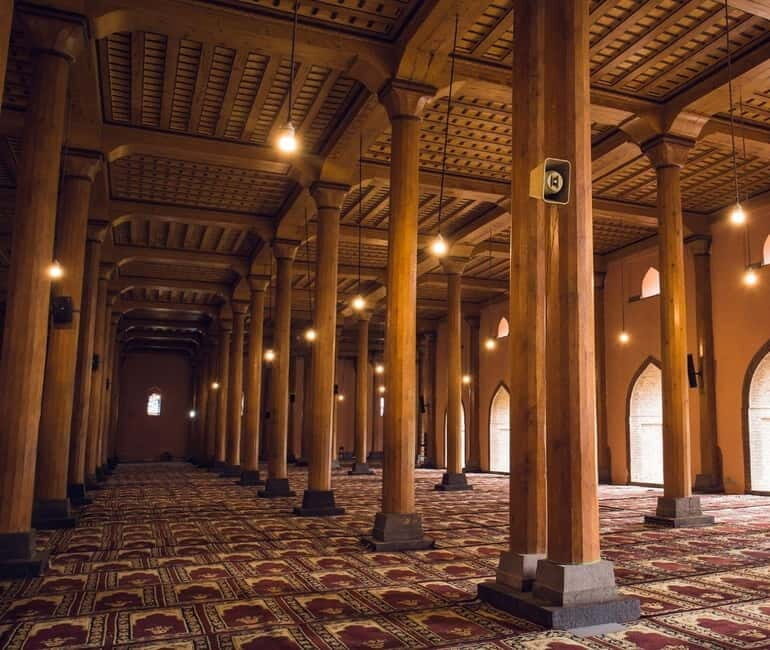
- Small group (up to 10) keeps the guide’s storytelling from turning into a lecture
- Start at Pather Masjid, end at Jamia Masjid Srinagar so you get a logical heritage route
- Kashmiri kahwa tea is included at a local spot, not a souvenir stop
- Ancient shrines + forgotten temples + Mughal-era architecture give you layered context
- You’ll meet local artisans and hear how their crafts are kept alive
Walking the Old City: Pather Masjid to Jamia Masjid Srinagar
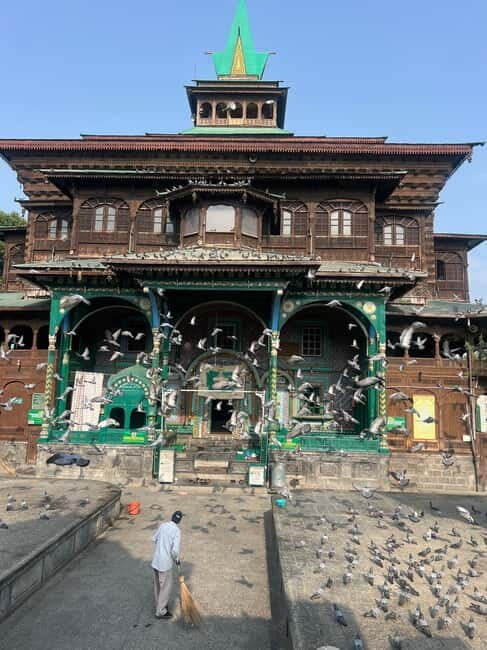
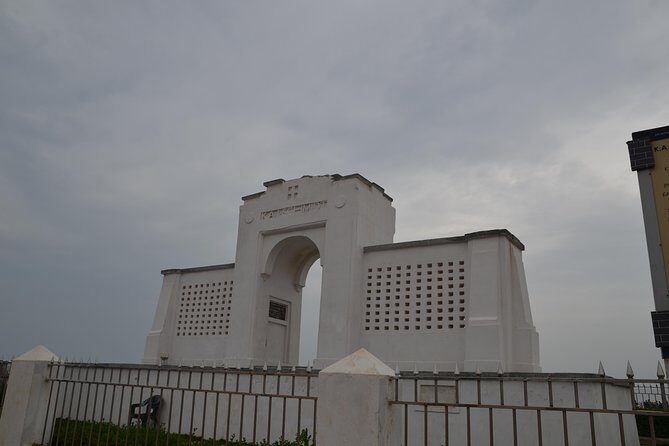
Your morning (or afternoon) starts at Pather Masjid, a strong first anchor for understanding how Srinagar’s sacred spaces shape daily life. From there, the tour turns into a steady rhythm: short guided stops, then walking stretches through the old lanes so the information sticks.
The pacing matters. You’re not rushing from one landmark to the next. Instead, you get guided context, then you move a few turns, and the next site makes more sense. That’s the whole trick with old towns—if you only “see,” you miss the logic. If you “see with a guide,” you start noticing patterns: where people gather, how buildings relate to courtyards and streets, and why certain places hold community attention.
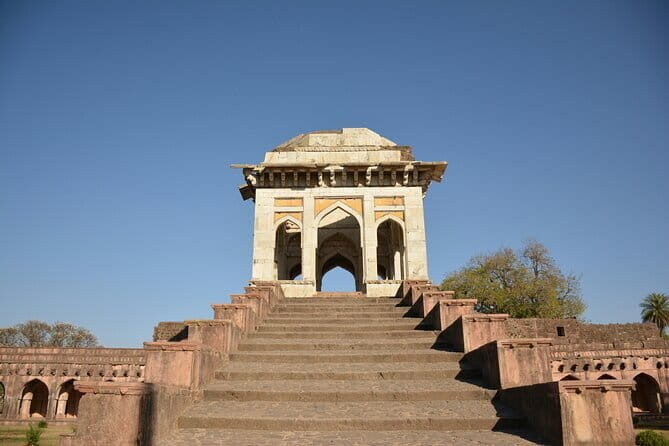
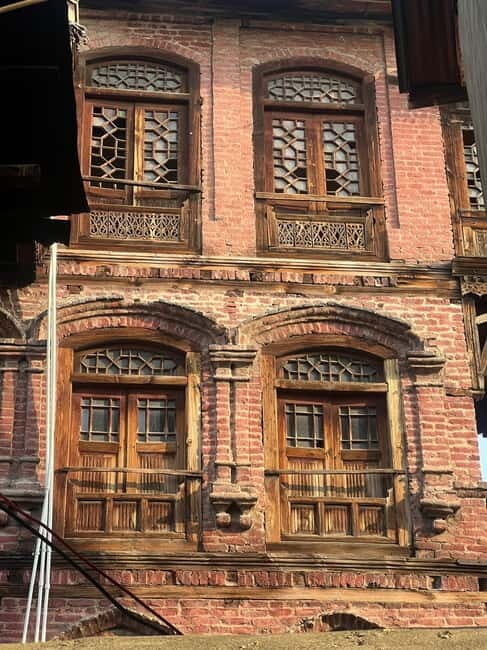
As you work your way through the Old City, you’ll cover ancient shrines, forgotten temples, and Mughal-era architecture. Those categories aren’t just labels. The best part is when the guide connects the architecture to the people using it—how spiritual life, trade, and craft traditions leave physical traces. If you like history that feels local instead of academic, this format is a win.
By the time you reach Jamia Masjid Srinagar, the walk has usually given you enough context to appreciate why the mosque is such a landmark at street level. The end point also helps you plan your next move: you finish in a central religious and civic hub, not out in the middle of nowhere.
You can also read our reviews of more tours and experiences in Srinagar.



The shrine and mosque stops: where the stories land
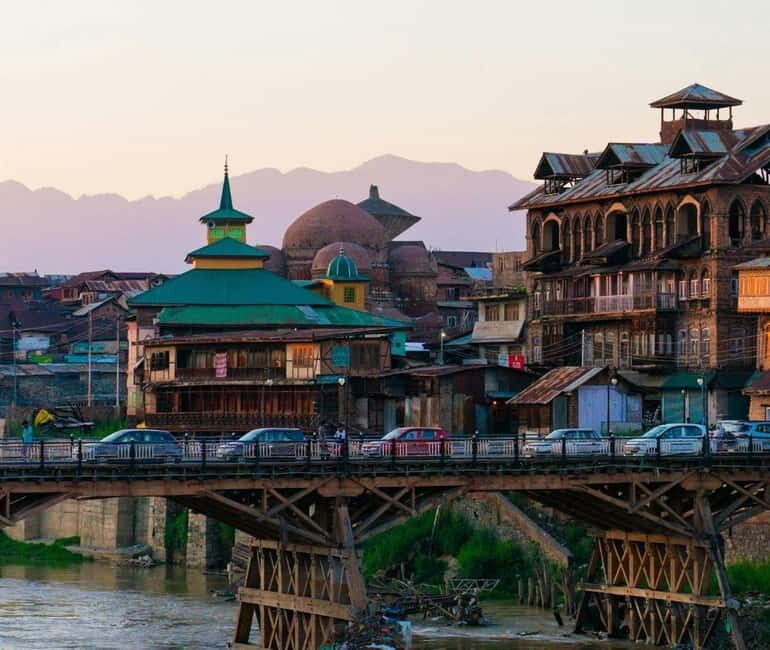
A big reason this walk gets strong scores is the storytelling style. The guide doesn’t just point upward at domes and minarets; they explain what visitors often overlook—how sacred sites sit inside the neighborhood.
In at least one standout route, the tour includes Khanqah-e-Budshah’s tomb (also referenced as Khanqah Moala), and that stop tends to be the one people remember. Why? Because it’s where the city’s spiritual layers feel most tangible, especially when the guide ties the site to centuries of cultural influence. You’ll hear legends and architectural observations that help you connect the dots between the physical structure and the faith traditions around it.
You’ll also visit other sacred spaces beyond the best-known names. The tour is described broadly as including ancient shrines and forgotten temples, and the way those are handled is key: you don’t get rushed through them, and you don’t get spoken down to. The guide’s job is to make you notice what’s there and understand why it matters.
If you’re a history nut, this tour hits the right balance: you’ll get facts, but you’ll also learn how the city’s identity formed from multiple influences, including Buddhist and Hindu roots, Persian influence, and later layers tied to colonial times. Even if you’re not a timeline person, you’ll feel the long sweep of change in the street-level details.
Kahwa tea: the included break that feels genuinely local
The tour’s kahwa tea stop is more than a beverage break. Kahwa is a Kashmiri tea ritual with warmth and hospitality baked into it, and it’s served during the walk at a local spot where you can talk to people.
This matters for two reasons. First, it gives your body a reset when you’re already working through narrow lanes and sun. Second, the conversation you’re allowed to have is part of the value—this isn’t only sightseeing with a guide; it’s also a chance to understand how locals explain their own city.
Expect a proper pause, not a fast handoff. Kahwa is included, and the tour’s overall tone makes the tea moment feel like part of the route rather than a marketing stop.
Practical tip: if you’re sensitive to heat or you get a quick caffeine jitters, pace yourself at the tea stop so you still enjoy the final stretch to Jamia Masjid Srinagar.
Markets and craft encounters: what you’ll notice after the guide talks
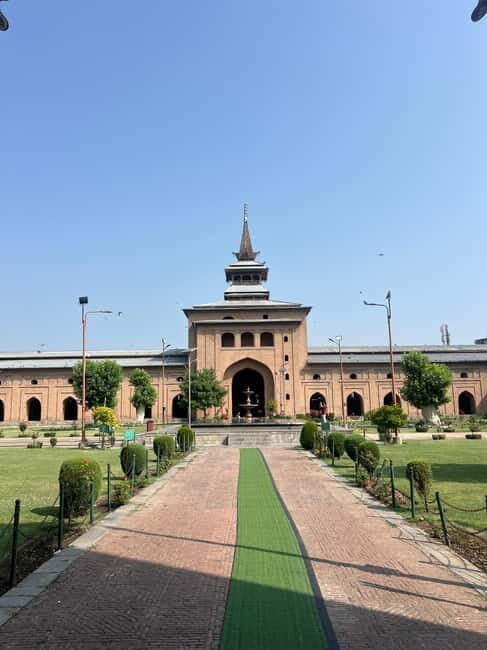
One of the best promises here is that you won’t only see monuments. The walk includes bustling markets—better phrased as busy market streets—and also quiet courtyards. That contrast is actually how you understand the Old City.
Markets show you what people do now. Courtyards and more secluded corners show you what the city held onto from earlier eras. When the guide points out craft traditions or explains the purpose of certain design details, the market scenes stop being background noise. You start noticing customer flow, shop layout, and how crafts live close to religious and civic life.
A highlight that comes through clearly in the guide performance is the artisan meeting. You’re not just shopping for souvenirs. You’re meeting people preserving age-old crafts and hearing the logic behind their work—how traditions are passed along and why they still matter. If you care about authentic interactions, this is one of the tour’s strongest points.
Also, you’ll likely see shopping time built into the experience. It’s limited, so the goal isn’t to turn your walk into a shopping day. It’s there so you can pick up a small item if something genuinely catches your interest.
Who tells the stories: guides with real Srinagar depth
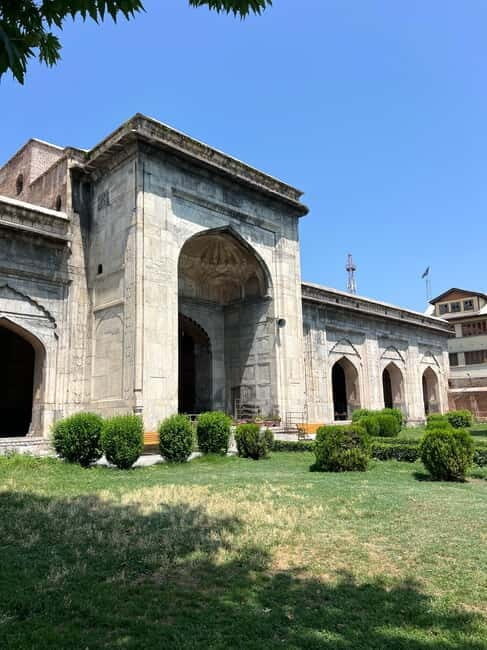
This tour runs with live guides in English, Hindi, Urdu, and Kashmiri. That multi-language ability matters because it shapes how fully you understand the details. If you want the story to land without translation lag, pick a language you’re comfortable with.
In the feedback for this walk, two names show up: Syed (associated with Wildfloc Adventures) and Mr. Furqan. Both are praised for making architecture, history, and market life easy to understand—especially through legends tied to the places you visit. The guides are also recognized for going out of their way to tailor what you notice based on your interests, whether that’s architecture, shrine legends, or everyday Old City life.
That’s the difference between “a guide who knows facts” and “a guide who knows how to teach.” This walk aims for the second type.
You can also read our reviews of more city tours in Srinagar


What the 3 hours feels like in real life
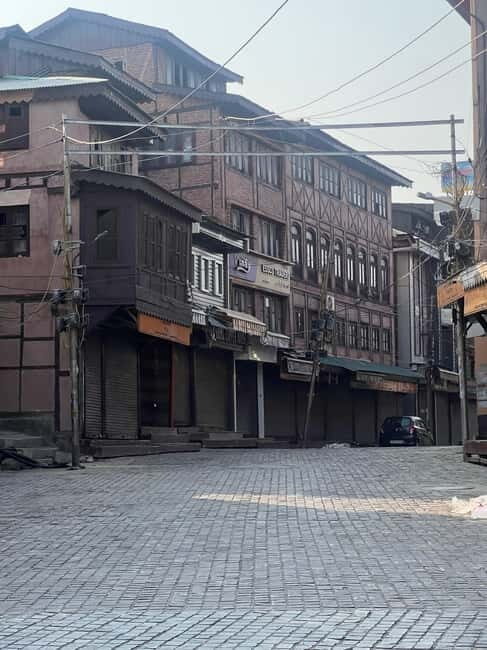
The tour lasts about 3 hours, and the structure is built for short attention spans and real walking stamina: guided explanation at key moments, then a move through the lanes to keep your eyes open and your feet busy.
You should expect:
- a fair amount of walking through winding alleys
- multiple guided stops with focused attention
- at least one tea pause so you’re not rushing the whole time
So yes, it’s a cultural tour, but it’s also a small physical commitment. Dress like you’re walking a city neighborhood, not touring a museum.
What to wear and bring
Bring comfortable shoes, plus sunglasses, a sun hat, and sunscreen. The tour is outdoors for long stretches, and Old City lanes can turn bright fast.
Small-group advantages
The group size is capped at 10 participants. That keeps the guide responsive, especially when questions come up during shrine explanations or while you’re talking with locals.
Price and value: is $32 a fair deal?
At $32 per person for a 3-hour small-group heritage walk, the value is solid if you like guided context.
Here’s why the price makes sense based on what’s included:
- Guided heritage walk with a live guide
- Visits to ancient shrines, forgotten temples, and Mughal-era architecture
- Stops in busy markets and quieter courtyard spaces
- Meeting local artisans
- Kahwa tea included
- Time for conversations with locals
What’s not included is also important: transport isn’t part of the price, and you only get the included tea as the food/drink component. If you’re already in Srinagar and can get yourself to the meeting point, the tour becomes more of a direct value play.
Also, the free cancellation window (cancel up to 24 hours in advance) and the reserve-now/pay-later style reduce risk if you’re still juggling flight timing or local plans.
Rules to keep in mind in religious spaces
Because you’re visiting mosques and shrines, you’ll need to follow local expectations. The tour explicitly notes restrictions like:
- no intoxication
- no weapons or sharp objects
- no pets
- no littering
- no making noise or party behavior
- clothing guidance that includes avoiding short skirts, and no bare feet
It’s a good idea to dress modestly and keep your phone use respectful. If you’re unsure about what’s allowed, it’s safest to follow the guide’s cues at each stop.
Who should book this tour (and who should skip it)
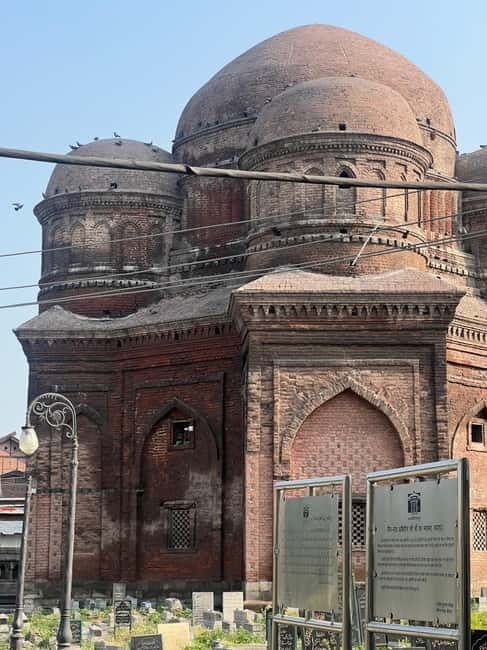
This walk is aimed at people who want meaningful context, not just photo angles. It’s a strong fit if you’re a history buff, a culture lover, or someone curious about how Kashmir’s identity formed across centuries.
It’s not suitable for:
- children under 10
- pregnant women
- wheelchair users
- visually impaired people
- people with low level of fitness
That’s not just “comfort.” The tour involves walking through uneven, winding lanes, and you’ll be moving between religious sites where access may be limited.
If you fit the recommended profile, you’ll likely enjoy the mix of shrine explanation, architecture observation, market texture, and the kahwa conversation pause.
Should you book Wildfloc Adventures’ Old City Heritage walk?
If your goal is to understand Srinagar’s Old City in a way that doesn’t require you to research for hours, this tour is worth booking. The core strength is the combination: guided storytelling plus real street experience plus kahwa tea with a human conversation component.
I’d book it if:
- you like guided context for mosques, shrines, and older architecture
- you want to see more than a set of landmarks
- you appreciate artisan interactions and local explanations
I’d skip it if:
- you can’t handle steady walking on narrow lanes
- you need step-free access
- you’re looking for a mainly transport-and-stop sightseeing style with minimal walking
For the right traveler, this is one of those trips where the city feels clearer when you leave than when you arrived—because you learned how to read it.
FAQ
How long is the Srinagar Old City Heritage Walking Tour with Kahwa Tea?
The tour lasts about 3 hours.
What is the meeting point and where does the tour end?
It starts at Pather Masjid and finishes at Jamia Masjid Srinagar.
What is the price per person?
The price is $32 per person.
How many people are in a group?
The group is limited to 10 participants.
What languages are the guides available in?
Guides are available in English, Hindi, Urdu, and Kashmiri.
Is kahwa tea included?
Yes. Kahwa (traditional Kashmiri tea) is included at a local spot.
What sights are included during the walk?
You’ll visit ancient shrines, forgotten temples, Mughal-era architecture, and spend time in busy markets, quiet courtyards, and related heritage spots.
Is transport included in the tour price?
No. Transport is not included.
What should I bring?
Bring comfortable shoes, sunglasses, a sun hat, and sunscreen.
Is the tour wheelchair-friendly or suitable for all ages?
No. It is not suitable for wheelchair users, and it’s also not suitable for children under 10. The tour is also listed as not suitable for pregnant women, visually impaired people, and people with low fitness.