REVIEW · MUNNAR
Munnar: Half day Guided Trek
Book on GetYourGuide →Operated by Munnar Info · Bookable on GetYourGuide
Mist and tea plantations in four hours. This half-day trek in Munnar through the Lekshmi Hills gives you fresh-air walking, then pays you back with big views over misty valleys. I love how the route mixes working tea country with forest edges, and I love that the guide explains what you’re seeing instead of just marching you uphill.
You also get real payoff for the effort: panoramic views over the Munnar hills, plus a chance to spot local wildlife and learn about Western Ghats flora along the way. One consideration: this trek isn’t for everyone. If you’re dealing with mobility limits or you have a real fear of heights, the trail experience can feel stressful, and the weather can shift fast.
In This Review
- Key highlights you’ll feel right away
- Where Lekshmi Hills Take You in Munnar
- The Two Trail Options: Pothamedu vs Lekshmi Hill
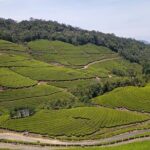
- Tea Country, Then Forest: What You’ll Walk Through
- Views, Wildlife, and Western Ghats Plants
- The 4-Hour Flow and What’s Realistic to Expect
- Price and Value for a Guided Half-Day
- What to Pack and How to Stay Comfortable
- Quick Etiquette on the Trail
- Who This Trek Fits Best (and Who Should Skip It)
- Should You Book This Munnar Half-Day Trek?
- FAQ
- How long is the Munnar half-day guided trek?
- Where do we meet for the guided trek?
- Are there different trek difficulty options?
- What’s included in the tour price?
- Is transportation to the starting point included?
- What language is the guide?
- What should I bring for the trek?
- Is the trek suitable for young children or people with mobility issues?
Key highlights you’ll feel right away
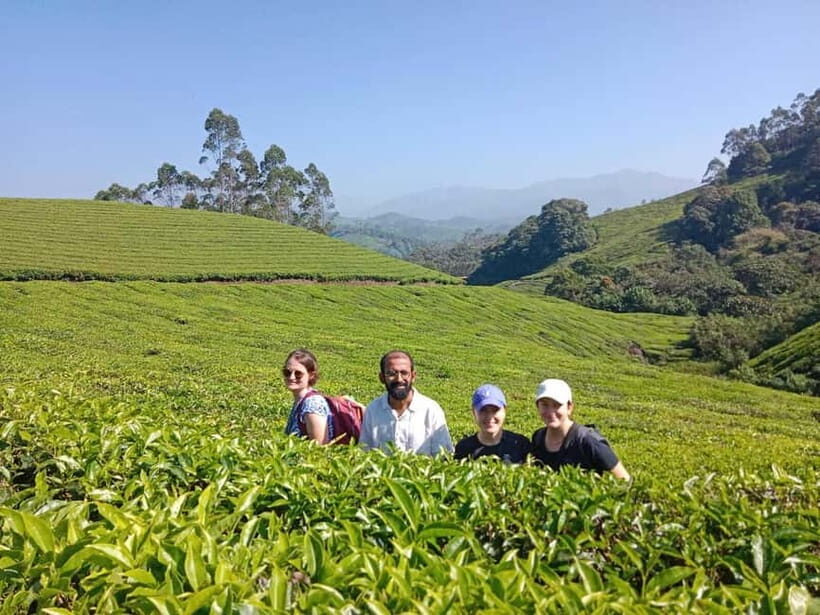
- Tea plantation walking on working slopes, with context on how the region shifted from crops like coffee and cardamom to tea
- Two difficulty choices across the Lekshmi Hills area: Pothamedu (hard) or Lekshmi Hill (slightly easier)
- Mist-covered valley views that tend to be especially good around sunrise or sunset
- Western Ghats plant spotting guided on the trail, not just at photo stops
- Wildlife watching opportunities while you hike through forested sections
- Lite food and drinking water included so you’re not scrambling mid-trek
Where Lekshmi Hills Take You in Munnar
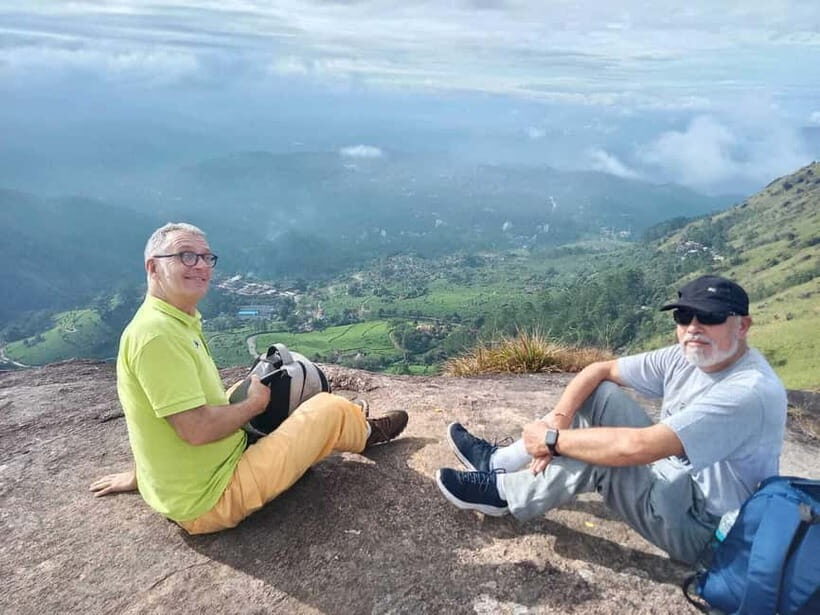
Munnar sits up in the hills, and the Lekshmi Hills area is the kind of place where the weather changes your whole mood. One moment you’re in soft green hillside views, the next you’re stepping into cooler mist that makes the valleys look like they’re drifting. For a half-day outing, it’s a strong setup: you’re walking long enough to feel the outdoors, but not so long that you lose the plot.
The trek runs from the Munnar Info meeting point. After a quick start, you’ll move through a mix of tea plantation paths and thicker green areas that feel more wild than manicured. The guide’s commentary is part of the fun because it turns what could be just scenery into stories about what grows here and why.
You can also read our reviews of more guided tours in Munnar
The Two Trail Options: Pothamedu vs Lekshmi Hill
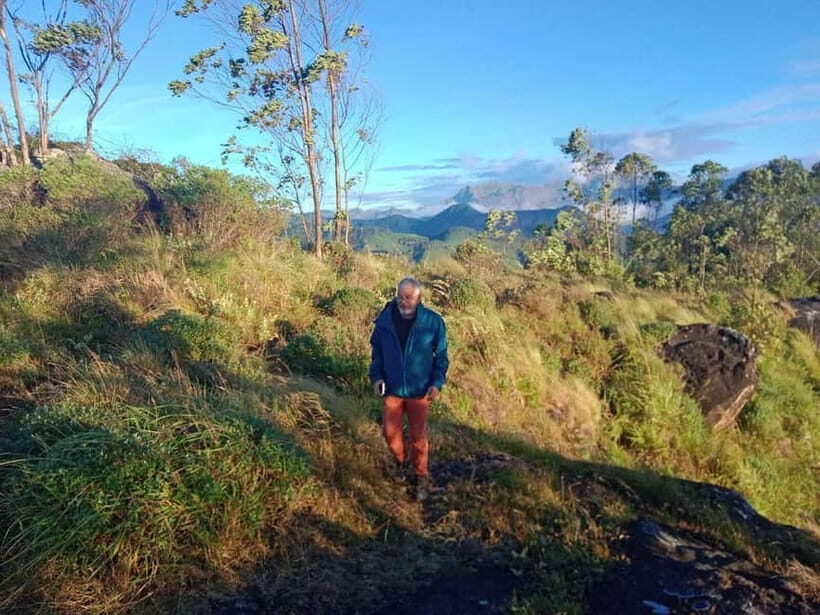
This is one of the best parts of the experience: you can choose how hard you want it to be. The trek is organized around two routes in the Lekshmi Hills area, and they come with different vibes.
Pothamedu is the harder option. It’s set up for people who like a real workout, with a “challenging yet rewarding” feel. If you’re chasing misty valley views and the kind of hike where you’ll earn your photos, this is the one that fits.
Lekshmi Hill is the slightly easier trail. You’ll still get impressive views, but the pace is typically more friendly if you want a solid walk without feeling like your legs are negotiating. The views are especially noted as strong around sunrise and sunset, which matters if you prefer softer light and atmospheric fog.
Pick based on how you usually hike. If you’re unsure, the easier option is the better call for enjoying the day rather than surviving it.
Tea Country, Then Forest: What You’ll Walk Through
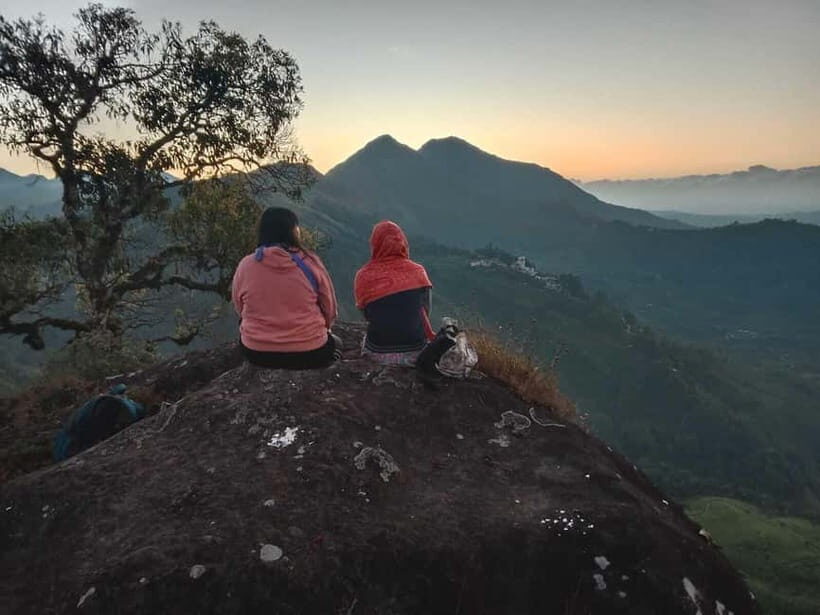
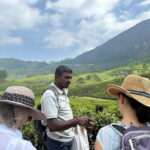
You don’t just pass through tea plantations. You walk among them, and the guide connects the dots between agriculture and the region’s ecology.
You’ll spend time meandering through tea plantations, then transition toward dense forest sections and rolling hills. That mix is helpful because it breaks up the trek. Instead of one long stretch of the same scenery, you get variety: open slopes for views, thicker greenery for shade, and forest edges that feel more alive.
There’s also a strong theme of land use change in the area. The region used to grow crops like coffee, cardamom, and cincona, and many areas are now replaced by tea. That’s more than trivia. It helps you understand why the hills look the way they do and why the tea estates matter to daily life here.
During the walk, you’ll also have a tea plantation walk entry included, so you’re not paying extra just to get access to the right parts of the area.
Views, Wildlife, and Western Ghats Plants
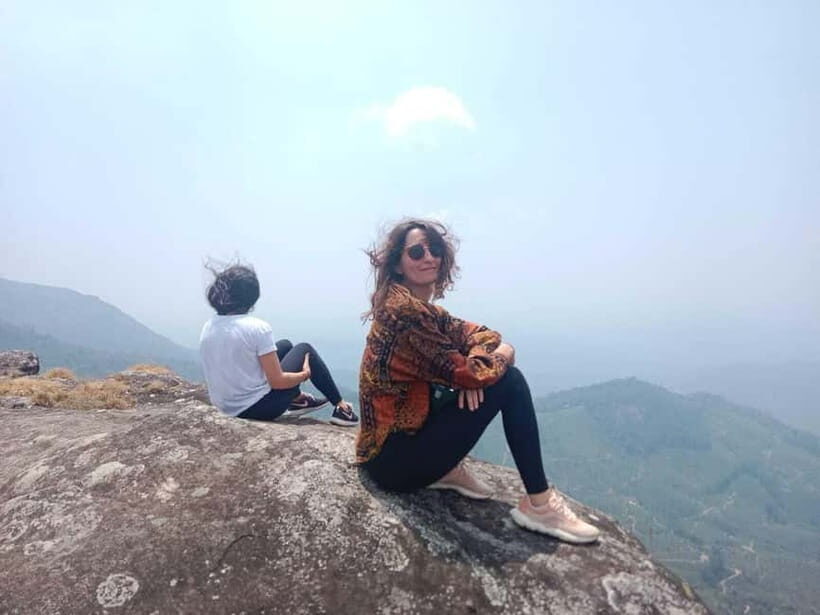
Munnar’s hills are famous for their atmosphere, but this hike gives you a chance to understand the ecology behind it. The Western Ghats are recognized for unique plant life, and you’ll get guided attention to what’s growing around you as you move.
You can expect to learn about local flora and get commentary about what to notice as you hike. The goal isn’t to turn you into a botanist by the end, but to help you see more than you would on your own. Look for the way the vegetation changes as you shift from open tea slopes into denser forest areas. That transition is a big part of why this area feels so alive.
Wildlife spotting is part of the promise too. You’ll hike through forest and greener areas where you might observe local animals along the way. You can’t control what shows up on a short trek, but you can control how you behave: stay alert, pause when the guide indicates something, and keep moving quietly.
Guides on these treks often focus on practical, on-the-ground explanations. Names that have come up include Samy, Raja N, and Manni, and they’ve been highlighted for tying together tea-making context and the wildlife/fauna picture with clear English commentary.
The 4-Hour Flow and What’s Realistic to Expect
This is a 4-hour guided experience, so you’ll want to think in half-day terms, not full-day trek energy. Most of your time is walking between viewpoints and through the plantation and forest sections, with short stops for the guide’s explanation and photos.
The itinerary is straightforward: you meet at Munnar Info, hike with guided interpretation and scenic stops during the walk, and then return back to the same meeting point. That simplicity matters. You’re not spending hours figuring out transfers or dealing with confusing logistics while you’re trying to enjoy the outdoors.
Because the trek runs about four hours, the pace is usually steady rather than leisurely strolling the whole time. You’ll get moments to look around and take photos, but you should expect actual hiking effort, especially on Pothamedu. On Lekshmi Hill, it’s still a trek, just less punishing.
Weather can also shape what you see. The trek is associated with mist-covered valleys, and that’s a big part of the “wow” factor. If clouds roll in, views might soften but the atmosphere often improves. If you get sun, you may see more detail in plantation rows and valley depth.
You can also read our reviews of more hiking tours in Munnar



Price and Value for a Guided Half-Day
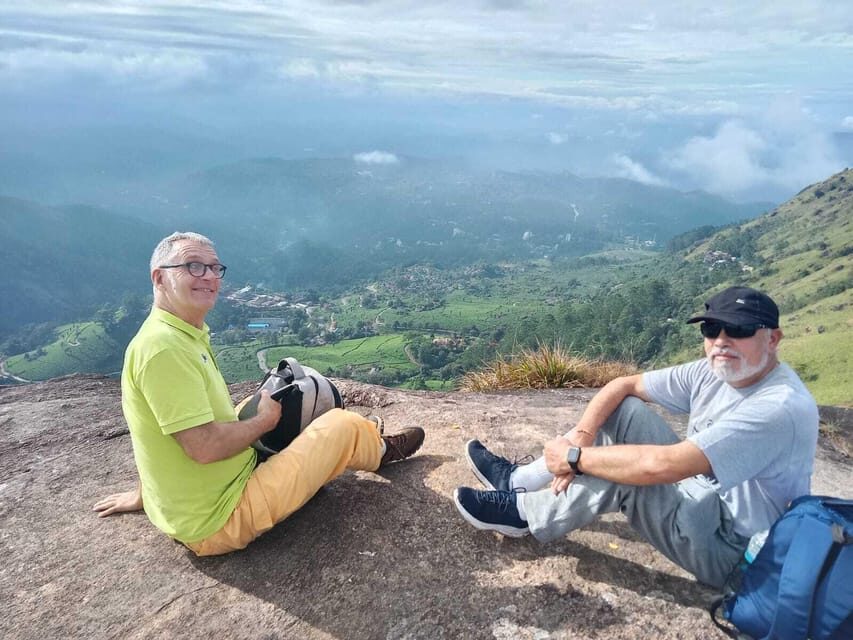
At about $13 per person for a four-hour guided trek, the value is hard to ignore—especially if you compare it to what a guide plus park/entry costs can add up to elsewhere. What makes the price feel fair is that you’re not only paying for a person to lead you. You also get entrance fees tied to the Lekshmi Hills experience and the tea plantation walk entry, plus guided commentary while you hike.
You’ll also have lite food and drinking water included, which matters on a short trek. It keeps you comfortable and stops the day from turning into a snack hunt halfway through.
Not included things are exactly what you’d expect: transportation to the starting point, other meals/drinks, and personal expenses. The key value question for you is simple: can you comfortably reach Munnar Info on your own? If yes, the guided package becomes a good deal.
What to Pack and How to Stay Comfortable
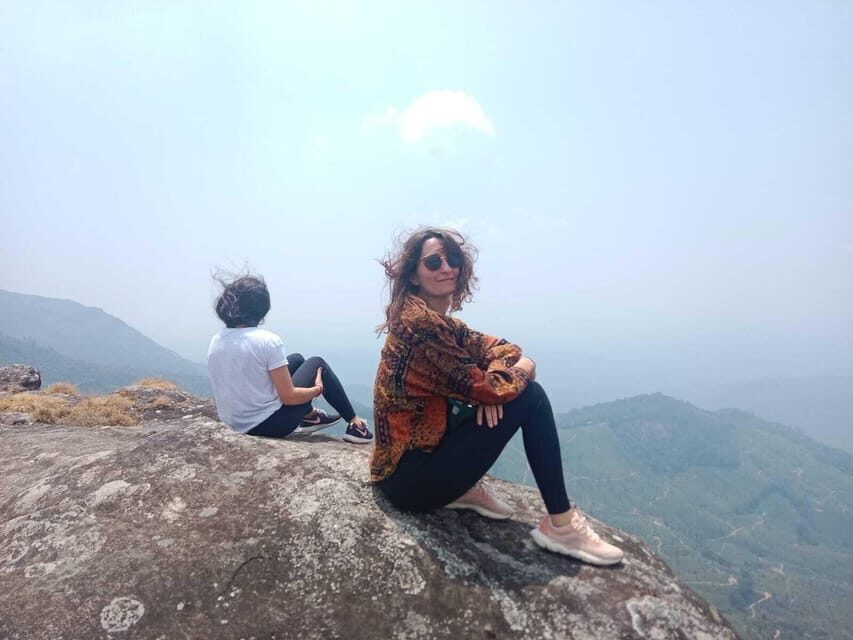
The trek is outdoors and involves walking through mixed terrain, so dress and pack like you’ll actually be hiking, not like you’re sightseeing from a car. Here’s what you should bring based on the on-the-ground guidance.
- Comfortable walking shoes (not fashion sneakers that hate uneven ground)
- A hat and sunscreen
- Water (you’ll get drinking water included, but you’ll still want to stay hydrated)
Also plan for varying weather conditions. In hill areas around Munnar, you can go from warm sun to cooler mist quickly. If you tend to run cold, bring a light layer.
One more practical note: the activity isn’t recommended for people with mobility impairments or anyone who’s uncomfortable with heights. That’s not a “don’t be dramatic” warning. It’s a real trail safety and comfort issue.
Quick Etiquette on the Trail
This isn’t a theme park. You’re hiking through a working agricultural area and natural forest.
The rules are simple and worth following: don’t litter, don’t smoke, and don’t touch plants. Touching flora might seem harmless, but it can damage plants and it can also put you in a bad spot if something irritates your skin. Wildlife watching also goes better when you keep distance and don’t disrupt.
If you see something interesting, let the guide tell you what it is, then take your photo and keep moving. It’s the best way to enjoy the forest without turning it into a personal obstacle course.
Who This Trek Fits Best (and Who Should Skip It)
This trek works best for people who want a short, guided walk with real scenery and a bit of interpretation. If you like learning what grows in the Western Ghats and you want misty valley views without committing to a full day, you’ll likely enjoy it.
It’s also a good match if you appreciate tea culture in a practical way. The guide attention often includes how the region’s tea industry works, including tea-making context, which is a big part of why the experience feels more than just trekking.
On the other hand, skip it if any of the following apply:
- children under 5 years
- pregnant women
- people with mobility impairments
- people afraid of heights
If you’re traveling with those needs, you’ll be better off looking for a gentler alternative. Safety and comfort are part of the “value,” too.
Should You Book This Munnar Half-Day Trek?
I’d book it if you want guided walking, not just a view stop. The blend of tea plantations, forest sections, misty valley outlooks, and guided plant/wildlife commentary gives you multiple reasons to feel like the four hours were worth it. Plus, the inclusion of lite food and drinking water, and the coverage of key entry fees, makes the price feel anchored rather than nickel-and-dimed.
I’d pause before booking if you’re not comfortable on uneven trails, if heights make you anxious, or if weather shifts stress you out. Also, if you only want flat, effortless walking, choose something else. This is a hike, even on the slightly easier option.
If you’re the sort of traveler who likes to stand in one place, look around, and learn what you’re seeing, this trek is a strong half-day plan in Munnar.
FAQ
How long is the Munnar half-day guided trek?
It lasts about 4 hours.
Where do we meet for the guided trek?
The meeting point is Munnar Info.
Are there different trek difficulty options?
Yes. The Lekshmi Hills area offers two trek options, with one generally harder (Pothamedu) and one slightly easier (Lekshmi Hill).
What’s included in the tour price?
You get a guided hiking tour, entrance fees to Lekshmi Hills, live English commentary, entry fee for a tea plantation walk, lite food and drinking water, and opportunities to see local wildlife.
Is transportation to the starting point included?
No. Transportation to the starting point is not included.
What language is the guide?
The live tour guide provides commentary in English.
What should I bring for the trek?
Wear comfortable shoes, and bring a hat and sunscreen. Water needs are covered by included drinking water, but staying hydrated is still important.
Is the trek suitable for young children or people with mobility issues?
Children under 5 years are not advised to participate, and the trek is not recommended for people with mobility impairments or fear of heights. Pregnant women are also listed as not suitable.