REVIEW · VARANASI
Serene and beautiful Sarnath Private Half Day Tour
Book on Viator →Operated by Sachan Tours · Bookable on Viator
Sarnath feels quiet, even in Varanasi. This private half-day cuts through the noise with four focused stops tied to the Buddha’s life, so you get meaning fast, not just sightseeing, and you’ll have pickup to keep things simple. It’s a calm, sacred circuit with enough variety to satisfy history lovers and casual visitors alike.
I love the way the art and inscriptions get explained when your guide is Karan Sachan, described as a professional art restorer and historian. I also like that you see the story in layers, from temple art to archaeological remains to museum pieces, including the Ashoka pillar and its Pali and Brahmi inscription details.
One consideration: it runs about 4 hours with time at multiple outdoor and semi-outdoor sites, and lunch isn’t included, so plan for heat and bring water.
In This Review
- Key highlights in plain terms
- Why Sarnath is more than a quick stop in Varanasi
- The private half-day format: how the $60 value really adds up
- Stop 1: Mool Gandh Kuti Vihara temple murals and relic context
- Stop 2: Sarnath Deer Park ruins, monasteries, and stupas
- Stop 3: Sarnath Museum and the artifacts that explain what you just saw
- Stop 4: Ashoka pillar remains with Pali and Brahmi inscription
- Who this tour suits best in real life
- How to plan your half day in Varanasi (without overthinking it)
- Booking decision: should you choose this Sarnath private tour?
- FAQ
- How long is the Sarnath private half-day tour?
- What does the $60 per person price include?
- Is pickup included?
- Is there a mobile ticket?
- Is this tour private?
- What stops are included in the tour?
- What is special about the Ashoka pillar stop?
- What happens if the weather is poor?
- When can I cancel for a full refund?
Key highlights in plain terms
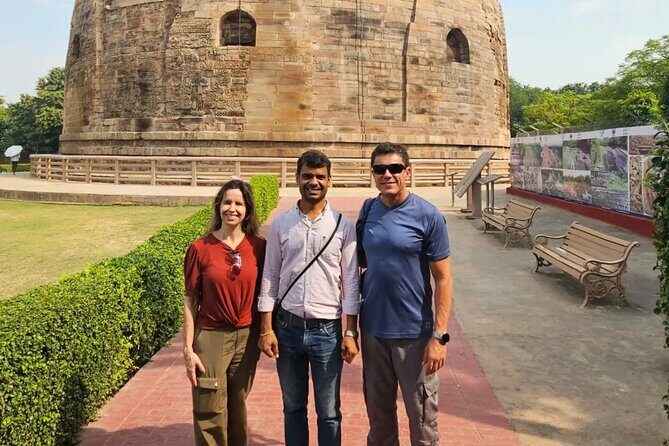
- Private pickup and transportation for an easy half day with no navigation stress
- Mool Gandh Kuti Vihara temple murals linked to Sri Lanka and a Japanese artist
- Deer Park archaeological remains with monasteries and many stupas in one walkable loop
- Sarnath Museum pieces that help you recognize what you’re seeing outside
- Ashoka pillar remnants with inscription in Pali and Brahmi scripts
- All fees and taxes included, plus admission tickets for each stop
Why Sarnath is more than a quick stop in Varanasi
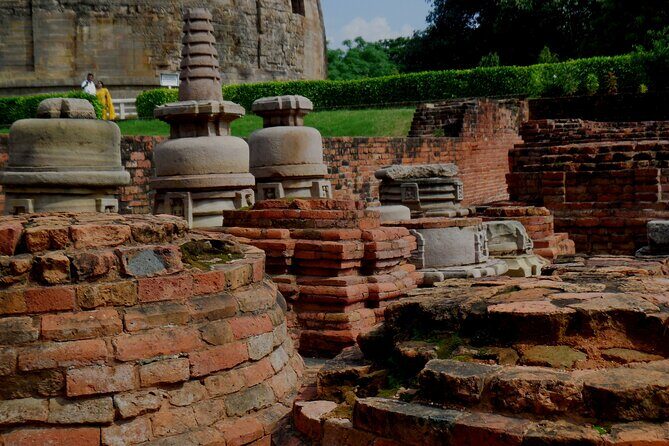
Sarnath is one of the most sacred places connected with the Buddha’s life, counted among four key sites tied to his story. Today it’s not a single monument—it’s a whole area dotted with temples, museum displays, and archaeological remains, so your visit feels like walking through ideas, not just stone.
What makes Sarnath work well in a half day is how each stop adds a different layer. A temple anchors the spiritual side. The deer park ruins show the older world under and around the present. The museum then helps you connect artifacts to what you already saw outside.
You can also read our reviews of more private tours in Varanasi


The private half-day format: how the $60 value really adds up
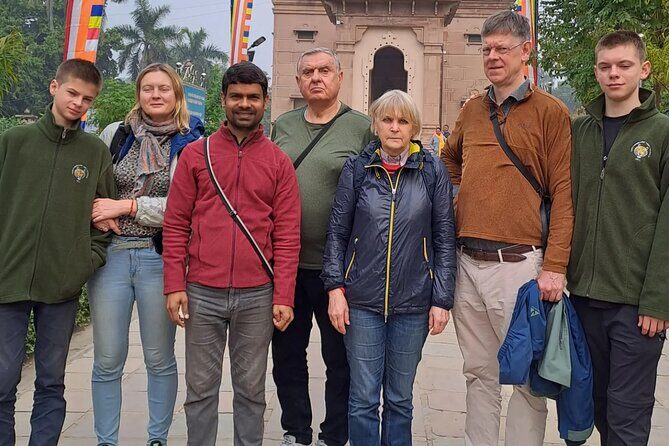
At $60 per person, this tour is a straightforward value play because you’re not paying separately for transportation and each admission stop. You also get private transportation and all fees and taxes, which matters in India where little add-ons can multiply quickly.
The timing is also smart: about 4 hours keeps you from getting worn down, but it’s long enough to do more than a photo-op. With pickup offered and a mobile ticket, you can plan around the day rather than around ticket counters and public transit routes.
If you’re trying to compare this to DIY, the difference is effort and clarity. Doing it alone means figuring out how to sequence the sights and track opening times. Doing it privately means you get a set flow with admission handled and a guide to point out what you might otherwise miss.
Stop 1: Mool Gandh Kuti Vihara temple murals and relic context
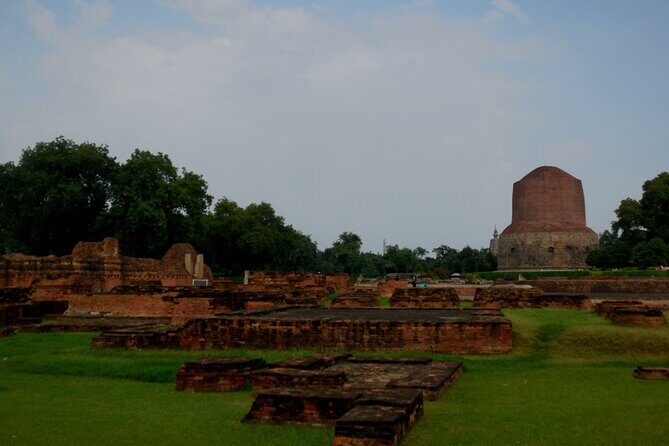
Your first stop is the Mool Gandh Kuti Vihara temple. This matters because the site isn’t just religious—it’s a cultural link. The temple was built by the Mahabodhi Society based in Sri Lanka, so even before you look at the art, you’re already seeing how Buddhist traditions traveled and took local form.
Then there are the murals, including ones painted by a Japanese artist. If you pause long enough, these paintings turn the temple from a typical stop into a visual guide. They can help you understand how Buddhist themes were interpreted and displayed across borders.
The temple also houses relics connected to the Buddha. That’s a big part of why Sarnath has such a strong pull: this isn’t only about studying the past, it’s about a living reverence expressed through objects and sacred space. Plan on spending around an hour here so you can look up from your feet and actually read the details.
Practical tip: temples tend to have their own rules about where you stand and how you dress. Keep shoulders and knees covered, and move slowly. If you’re unsure, watch what locals do and follow that lead.
Stop 2: Sarnath Deer Park ruins, monasteries, and stupas
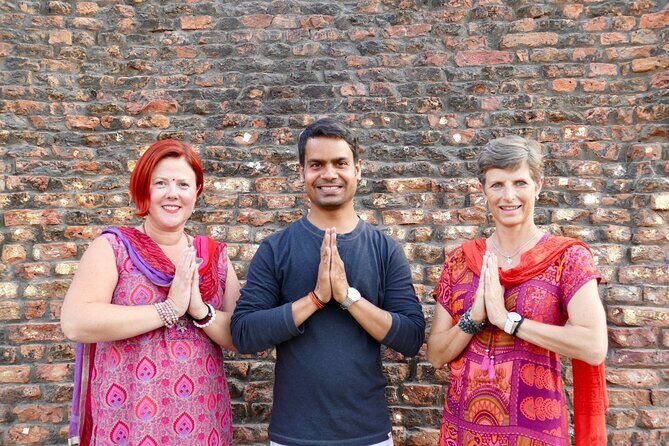
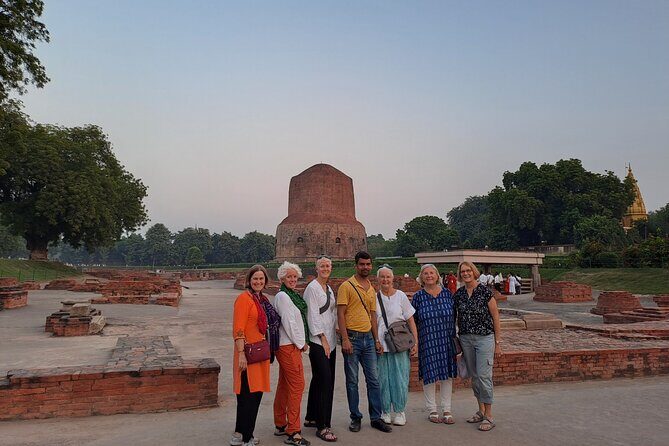
Next comes the Sarnath Deer Park, which is both an archaeological park and a spiritual place. Here you’re looking at the remains of older Buddhist monasteries, along with many stupas. That combination is what makes this stop feel different from the temple visit: you’re seeing how communities once organized space around practice.
The value of this hour is that you’re not only looking at structures—you’re learning to recognize what’s an original form versus later interpretations. In many historic sites, that distinction can be hard without guidance. With a guide, you can connect the physical layout to the religious purpose.
Expect a bit of walking and standing. If you come during warmer hours, shaded breaks can be limited. Wear comfortable shoes because you’ll likely be stepping across uneven grounds or areas where surfaces change from one section to another.
If your attention span is short, focus on one thing at a time: pick one stupa cluster, then scan outward and see how the remains relate to each other. That simple approach turns a ruin field into an organized scene.
Stop 3: Sarnath Museum and the artifacts that explain what you just saw
After the outdoors, the Sarnath Museum brings you back to objects. Site museums like this are useful because they can show you what the outdoor areas hint at. Instead of guessing at inscriptions, sculpture styles, or symbolic details, you can look closely at curated pieces and connect them to the larger story of the site.
This museum includes the national emblem of India, an image of the Buddha, and several important sculptures. Seeing those items in a museum setting helps with scale and clarity. Outdoors, you may notice a shape. Inside, you can interpret what that shape represents.
I like museum stops here because they make your next moment more meaningful. Even if you only spend about an hour, the museum can reframe the rest of your visit. You’ll likely look at the Ashoka pillar stop with better eyes when you know what to look for in terms of symbols and inscriptions.
A practical note: museums often have brighter indoor lighting than outdoors. If you’re bringing a phone camera, check settings for glare and try to keep your shot steady.



Stop 4: Ashoka pillar remains with Pali and Brahmi inscription
The final stop is the Ashoka Pillar remains. This is the kind of site that can feel abstract unless someone points out the key details—and that’s where having a guide helps.
The pillar includes an inscription in Pali language and Brahmi script. Reading scripts in person is not something most people do fully on a tour, but knowing that the inscription is there, and that it’s in those scripts, changes your mindset. You stop seeing a monument as only a sculpture and start seeing it as text—evidence of recorded ideas.
The pillar’s original lion capital had four lions standing back to back, and that design was adopted as the national emblem. That connection between a Buddhist-era artifact and the country’s modern symbol is one reason this stop resonates beyond religious interest.
Plan on taking your time here. Spend a few minutes orienting yourself around the pillar remains, then let the guide translate what matters: what it likely meant, why it’s important, and how the symbols connect to the bigger story of Sarnath and India.
Who this tour suits best in real life
This private format works especially well if you want an efficient half day without crowds pushing you through. It’s also a good fit if you have questions and like getting explanations tied to what you’re looking at, from temple murals to the museum objects to inscriptions on the pillar.
The tour is described as suitable for most travelers, but it’s still a tour with multiple walking/standing segments. If you have mobility limitations, you’ll want to go at a slower pace and ask your provider how the route will feel day-of, because the exact comfort level depends on ground conditions and how you handle outdoor time.
It’s also ideal for:
- First-timers who want a coherent Sarnath overview in one sitting
- People interested in Buddhist art, symbols, and early inscriptions
- Travelers who don’t want to spend their limited time in Varanasi figuring out logistics
How to plan your half day in Varanasi (without overthinking it)
This experience depends on good weather. If conditions are poor, it may be canceled and you’ll be offered a different date or a full refund. That matters because outdoor time is part of the value, especially at the deer park and Ashoka pillar area.
Bring basic comforts. Even if you’re only out for about four hours, Sarnath sits in a climate where water and shade breaks can matter. Wear shoes you can stand in comfortably, since museum floors and outdoor grounds can feel different underfoot.
Because lunch isn’t included, decide what you’ll do before or after the tour. A practical strategy is to schedule this earlier in your day so you can eat afterward without rushing.
If you’re staying in Varanasi and using local transit, the tour is listed as near public transportation, but the pickup option is part of the convenience you’re paying for. Use the pickup unless you have a reason not to.
Booking decision: should you choose this Sarnath private tour?
I’d book this if you want a calm, respectful Sarnath day with structure and clear explanations. The big reasons are value and focus: transport + all fees + admission are handled, and the four-stop flow builds from temple art to ruins to museum artifacts to inscription details.
Skip it—or at least adjust expectations—if you prefer long, unstructured wandering without time blocks. This is a purposeful circuit, so you’ll feel the pace of a guided schedule.
If you can line up your timing with good weather and you’re happy to spend a few hours walking and standing, this is a very sensible way to understand Sarnath instead of just passing through it.
FAQ
How long is the Sarnath private half-day tour?
It’s listed as about 4 hours.
What does the $60 per person price include?
The price includes private transportation and all fees and taxes. Admission tickets are included for each stop.
Is pickup included?
Yes, pickup is offered.
Is there a mobile ticket?
Yes, you’ll use a mobile ticket.
Is this tour private?
Yes. It’s private, so only your group participates.
What stops are included in the tour?
You’ll visit the Mool Gandh Kuti Vihara temple, the Sarnath Deer Park archaeological area, the Sarnath Museum, and the Ashoka pillar remains.
What is special about the Ashoka pillar stop?
You’ll see the remains of the Ashokan pillar with an inscription in Pali language and Brahmi script, and information about the lion capital with four lions back-to-back that was adopted as the national emblem.
What happens if the weather is poor?
If it’s canceled due to poor weather, you’ll be offered a different date or a full refund.
When can I cancel for a full refund?
You can cancel up to 24 hours in advance for a full refund.