REVIEW · SAWAI MADHOPUR
Ranthambore – Sharing Tiger Safari In Canter Or Gypsy Vehicle
Book on Viator →Operated by Visit Ranthambore · Bookable on Viator
Jungle sightings can change fast. This shared safari in Ranthambore National Park is built around open-air searching for big cats and other wildlife, with about 3.5 hours from hotel pickup to return. I like the way it keeps things simple: you’re out on the move in the reserve rather than sitting around waiting.
Two things I really enjoy here are the open-roof canter or gypsy ride (so you can actually spot wildlife without bad angles) and the inclusion of a government-authorized jungle/nature guide who helps you interpret what you’re seeing. One consideration: a tiger sighting is never guaranteed, and the experience depends on conditions and what animals are actively using that day.
In This Review
- Key Things That Matter on This Ranthambore Safari
- Ranthambore National Park Starts With a Clean, Easy Pickup
- Canter or Gypsy: What the Shared Ride Really Changes
- The Real Itinerary: One Stop, But a Lot Happens Inside the Park
- What You Might See: The Wildlife Mix Beyond Tigers
- Zones and Tiger Odds: How to Think Like a Tiger Tourist
- The Guide Experience: How a Pro Changes What You See
- Comfort Basics: Small Things That Make the Safari Easier
- Price and Value: Is $68 Worth It?
- Who This Safari Fits Best (and Who Might Want to Rethink It)
- Should You Book This Shared Tiger Safari in Ranthambore?
- FAQ
- What is the duration of the Ranthambore safari?
- What vehicle will I ride in?
- How many people are in the group?
- What animals can I expect to see besides tigers?
- What’s included in the price?
- What’s not included?
- Is the safari available during monsoon season?
Key Things That Matter on This Ranthambore Safari
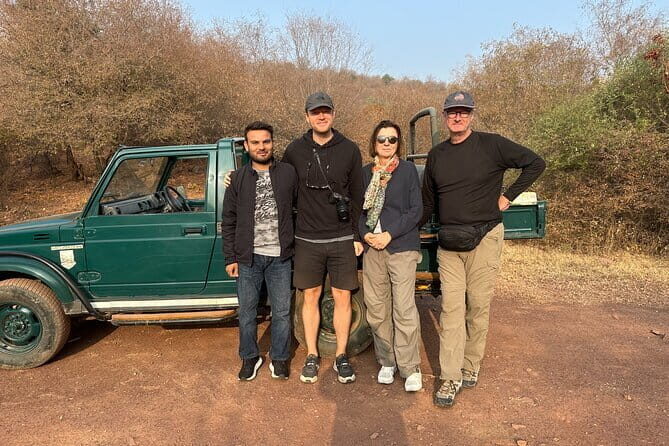
- Open-roof canter/gypsy ride for better wildlife spotting angles
- Government-authorized guide included, plus fuel, parking, and driver fees
- Lots more than tigers: leopards, sloth bears, hyenas, deer, langurs, crocodiles, and many birds
- Shared format, max 20 people, so expect a lively but organized group
- Ranthambore zones can affect tiger viewing odds, so ask what area you’ll be placed in
Ranthambore National Park Starts With a Clean, Easy Pickup
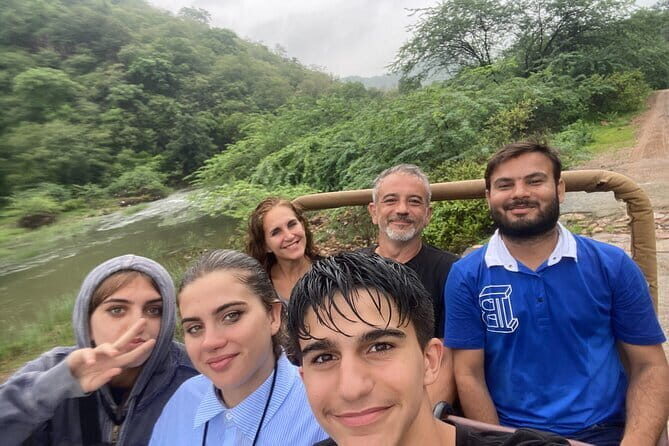
This safari runs from the Sawai Madhopur area, and your day begins with pickup and drop-off from specific main road hotels. If you’re using the listed meet point, it’s at Hotel Saif Ranthambore near Ramsingh Hospital in Kutalpura Jatan Rural, Sawai Madhopur (the activity ends back there).
From the start, I like the “get moving early and get in” approach. You’re not stuck piecing together transport, tickets, and park entry rules on your own. And since it’s close to public transportation, it’s also easier to adjust if your hotel pickup details differ slightly.
A few more Sawai Madhopur tours and experiences worth a look


Canter or Gypsy: What the Shared Ride Really Changes
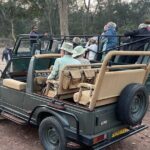
You’ll go into the park on a 4WD canter or gypsy (open-roof). The exact vehicle depends on availability, since both are part of the shared safari setup. This detail matters because the vehicle size and how the group settles can affect comfort and how quickly you can react when an animal appears.
The upside: in a place like Ranthambore, wildlife doesn’t wait. An open-roof ride helps you keep your head up, scan faster, and get a usable view quickly. The downside is practical—this is an outdoor activity, so expect dust and sun, and you’ll want to be ready with basics like water (bottles are included).
The safari timing is about 3 hours 30 minutes total, and that’s long enough to enjoy the hunt without dragging your whole day into the park. It’s a good fit if you only have one block of time and you still want a proper Ranthambore experience.
The Real Itinerary: One Stop, But a Lot Happens Inside the Park
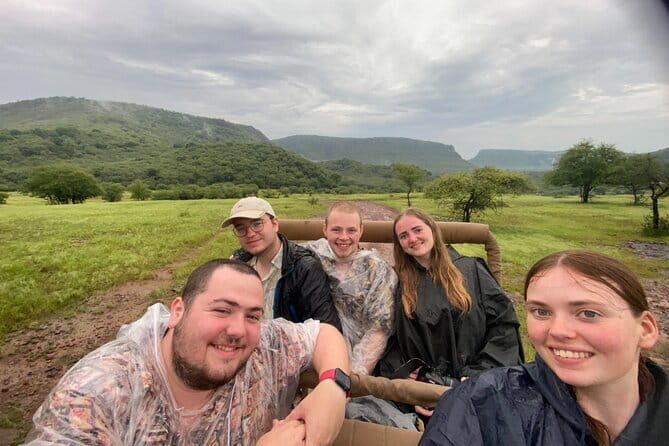
This tour is essentially one mission: Ranthambore National Park. Once you reach the park area, the day becomes a mix of check-in, getting situated, and heading out for the wildlife-spotting run.
Even though there’s only one stop listed, there’s still a rhythm to it:
- You’re guided into the reserve with park entry handled for you.
- You spend the main chunk of time scanning for animals in the reserve’s different habitats.
- When the safari window ends, you return for drop-off at the meeting point.
What makes this setup feel efficient is what’s included: entrance safari tickets, the authorized guide, and the transportation in one package. That removes the hassle that can eat up time if you’re trying to plan independently.
What You Might See: The Wildlife Mix Beyond Tigers

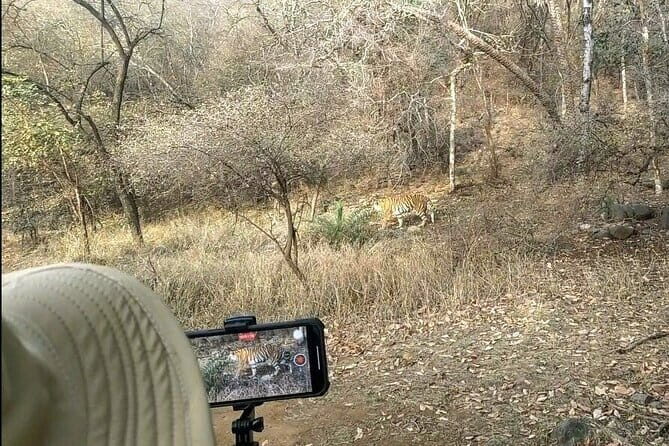
Yes, Ranthambore is famous for Bengal tigers. But the smarter way to think about this safari is: you’re paying for an animal-spotting run, not a tiger guarantee.
Here’s the broad set of wildlife mentioned for this reserve experience:
- Tigers (the headline)
- Leopards
- Sloth bears
- Langurs (often active around trees and edges)
- Hyenas
- Deer such as sambar and other types
- Crocodiles (where water edges are in play)
- A wide range of birds, plus reptiles, amphibians, and more
The park is described as having a wide species range—around 40 mammal species and 320 bird species, plus reptiles, amphibians, butterflies, and plant life. In plain terms: even when tigers are quiet, the reserve still delivers movement. You’re not stuck hoping for one animal only.
A helpful mental trick: when you spot one species, watch the surrounding area. Birds often react to activity, deer tracks can point to water, and sometimes you’ll see signs before you see the animal itself.
Zones and Tiger Odds: How to Think Like a Tiger Tourist

Ranthambore has distinct zones, and your chances for different sightings can shift depending on where the safari operates. Some visitors specifically mention aiming for zones like 1 through 5 for tiger viewing. The practical takeaway for you is simple: when you book, ask which zones you’ll be assigned to or where your ride is planned.
Also, understand the seasonal rhythm. One clear tip from past experiences included the idea that safaris aren’t available during the monsoon season. So if you’re planning around wildlife, pick your timing carefully. March gets called out as a good month by someone who went and followed zone guidance.
Finally, consider the odds game. There’s a reason people sometimes schedule more than one safari session. One common pattern in successful tiger trips is repeating the outing—since animals change positions and routines day to day.




The Guide Experience: How a Pro Changes What You See
This safari includes a government-authorized jungle/nature guide. That matters more than people think. In a forest, your biggest problem isn’t just distance—it’s reading the landscape fast: movement, feeding zones, tracks, and where an animal is likely to be.
You also want someone who can explain what you’re looking at in real time. The experiences connected to this operator highlight guides who do a clear job of explaining sightings and actively work on tiger search efforts during the ride.
And there’s an extra layer if you’re staying at (or arranging through) Hotel Saif Ranthambore, where people singled out coordination with Salman bhai / Mr. Salman for booking and getting into the areas considered best for tiger viewing. If you’re the type who likes to double-check the plan before the safari starts, having a familiar contact makes the day feel less stressful.
Comfort Basics: Small Things That Make the Safari Easier

This isn’t a museum visit. You’re out in the open in a wildlife reserve, scanning for long stretches. You’ll appreciate the included water bottles, but you should still plan like a serious “outdoor scanning” trip.
Here are comfort priorities that fit this exact type of safari:
- Wear breathable clothes and expect dust
- Bring sunglasses and sun protection
- Keep your hands free for quick photo/video checks
- Be ready to stand or shift position on the ride when the guide calls something out
Because the ride is shared (up to 20 travelers), you’ll want to keep your pace with the group—don’t fight for position at the last second. The best outcomes come from calm focus and quick attention to the guide’s signals.
Price and Value: Is $68 Worth It?

At about $68.03 per person, this shared Ranthambore safari looks budget-friendly compared to many single-vehicle private wildlife options. The value comes from what’s already included:
- Hotel pickup and drop-off
- Canter or gypsy 4WD transportation
- Entrance safari tickets
- Government-authorized guide
- Fuel, parking, driver fees, and taxes
- Water bottles
That means you’re mostly paying for the experience and the park entry, not a bundle of add-ons. The only listed exclusions are personal expenses, which is normal.
One more practical point: the booking pattern is described as being made about 31 days in advance on average. That suggests availability fills, especially if you want a specific time slot. If Ranthambore is a top priority in your itinerary, don’t wait until the last minute.
Who This Safari Fits Best (and Who Might Want to Rethink It)
This shared safari is a strong match if you want:
- A one-session, wildlife-focused Ranthambore National Park experience
- The convenience of pickup/drop-off and handled entry
- An outdoors ride designed for scanning wildlife, not just looking at scenery
It may be less ideal if you:
- Need a totally guaranteed tiger outcome (no safari can promise that)
- Want full control over the vehicle type, since you’ll ride by canter or gypsy based on availability
- Prefer private, slow-paced sightseeing where you can linger on a single sighting for a long time (shared safaris keep a steady rhythm)
If you’re serious about tiger odds, the best move is often repeating your safari on different days, or coordinating closely with the booking contact tied to the hotel pickup plan. That’s one of the patterns that shows up in successful experiences.
Should You Book This Shared Tiger Safari in Ranthambore?
If your goal is a well-run, wildlife-first Ranthambore outing without the planning headache, I’d book it. The package is built around the key ingredients you care about: park entry, a real guide, and a shared open-air ride designed for spotting animals.
Book it especially if you:
- Have limited time but want a genuine Ranthambore safari block
- Want value at around $68 with most essentials included
- Like structure: pickup, transport, guide, then straight into the park
Skip or adjust your expectations if:
- You’re going strictly for tigers only and you’re the type who needs certainty
- You’re visiting during periods when safaris may not run (monsoon season was flagged as a no-go for safaris)
One last practical note: this activity calls out the need for good weather. If conditions make the safari unsafe or ineffective, you may be offered a different date or a refund. That’s another reason to keep your schedule flexible.
FAQ
What is the duration of the Ranthambore safari?
The safari runs for about 3 hours 30 minutes (approx.).
What vehicle will I ride in?
You’ll ride in a 4WD canter or gypsy with an open-roof style, depending on availability.
How many people are in the group?
This safari has a maximum of 20 travelers.
What animals can I expect to see besides tigers?
The experience description includes potential sightings of leopards, sloth bears, langurs, hyenas, deer, and crocodiles, along with many birds.
What’s included in the price?
Included are pickup and drop-off from specific main road hotels, transportation in a canter or gypsy, entrance safari tickets, a government-authorized jungle/nature guide, fuel/parking/driver fees/taxes, and water bottles.
What’s not included?
Personal expenses are not included.
Is the safari available during monsoon season?
One tip included with this experience notes that it’s not possible to go during the monsoon season, so plan around that.
If you want, tell me your travel month and where you’re staying (hotel name). I can help you sanity-check timing and how to think about tiger odds for your exact day.