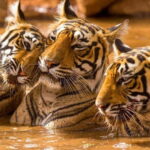
Tigers and old forts in one ride. A 3-hour shared safari in Ranthambore National Park is interesting because you’re hunting for clues in a landscape shaped by water bodies and the dramatic Ranthambore Fort area, all with a ranger or guide helping you make sense of what you’re seeing. I also like the way the experience focuses on spotting multiple species, not just the tiger. The main drawback to plan for: tiger sightings aren’t guaranteed, and because you go in a single zone based on availability, your best odds depend on which zone you get.
After pickup from your Sawai Madhopur hotel, you get a straightforward half-day rhythm: drive in, scan, pause when wildlife appears, then head back. You’re also not stuck guessing what’s out there—this trip is built around on-the-spot identification of flora and fauna. Do be aware that vehicle type and comfort can vary (a point you should confirm when you book).
In This Review
- Key highlights worth knowing
- Ranthambore National Park: fort ruins, waterholes, and tiger terrain
- Jogi Mahal: a royal hunting resort close to the action
- Shared safari reality: one zone, shared searching, different ride vibes
- Wildlife odds: where you’ll look for tigers, bears, hyenas, and more
- How the guide makes the park click for you
- Price and value: what your $41 actually buys
- Communication and practical details that reduce stress
- Who should book this safari, and who might want a different style
- Should you book this 3-hour Ranthambore shared safari?
- FAQ
- How long is the Ranthambore shared safari?
- Do you get pickup and drop from hotels?
- Is tiger spotting guaranteed on this safari?
- What animals might I see during the drive?
- What’s included in the price, and what isn’t?
- What is the cancellation policy?
Key highlights worth knowing
- Ranthambore Fort area scenery: ruins and structures that sit above the jungle, making the park feel layered
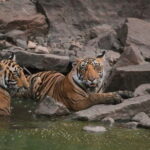
- Water-body wildlife: mugger crocodiles and lots of animals gather around the park’s water points
- One-zone safari: your route is limited to a single zone (1 to 10) based on availability, which affects your odds
- More than tigers: sloth bear, hyenas, deer, leopards, and monkeys can all be part of the game
- Jogi Mahal nearby: an old royal hunting site about 500 meters from the fort area
- Good operators communicate well: quick messages and practical details like vehicle registration numbers may be provided
Ranthambore National Park: fort ruins, waterholes, and tiger terrain
Ranthambore National Park feels like it’s built on contrasts. The jungle is all heat and scent, but the park is also dotted with old ruins and structures, and the Ranthambore Fort towers over the landscape from a hill. That mix matters because wildlife tends to use every “edge” in this park: forest pockets, open grass patches, and the water points that keep things alive during hot spells.
The big practical advantage here is timing inside a short safari window. You’re only out for about three hours, so the route really matters. Ranthambore’s scattered water bodies are a big reason the park holds animals, including potential tiger activity. When you’re scanning, don’t only look for the obvious. Watch for movement around shade lines, and pay attention to the quieter spots near water—those are often where the rest of the food chain shows up.
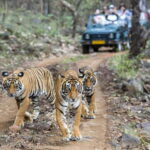
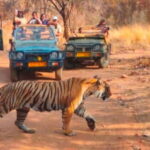
One interesting detail to keep in mind: tigers at Ranthambore have been known to hunt in full view of visitors. That doesn’t mean it’ll happen during your drive. But it does explain why you’ll often feel that sense of anticipation in the vehicle: when something happens, it can happen fast and right in front of you.
A few more Sawai Madhopur tours and experiences worth a look
Jogi Mahal: a royal hunting resort close to the action
Jogi Mahal is the heritage-style palate cleanser that connects the wildlife story to human history. It’s located very close to the Ranthambore Fort area (about 500 meters), and it’s known as one of the places where tigers used to rule the landscape.
What I like about adding Jogi Mahal into the experience is that it helps you picture how the local royal families approached the hunt. The Mahal was used as a hunting resort during royal expeditions into the nearby forests of Ranthambore. Even if you’re not a history person, it gives you a useful mental anchor: this park has long been seen as a zone of predators, tracks, and waiting—not just as a modern-day nature attraction.
The practical thing: since your safari is short, this kind of quick historical stop should feel like a brief pause rather than a full museum visit. Use it to reset your eyes and refocus for the next round of scanning.
Shared safari reality: one zone, shared searching, different ride vibes
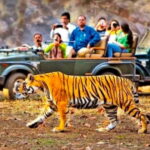
This trip is described as a shared safari, but you should treat it as a “zone-based outing” rather than a flexible tour where you control the route. Each safari is limited to one zone (from 1 to 10) depending on availability. In plain terms: you might get a zone that feels tiger-heavy, or you might get one that’s more focused on other wildlife. Either way, the goal is still the same—spot animals and learn how to read the park.
Here’s the trade-off for you as a visitor. A shared format often helps keep the cost down, which is a plus at around $41. The drawback is that you can’t always expect the quiet freedom of a private ride. You may share attention with other vehicles, and you’ll follow the logic of the zone and the timing set for that day.
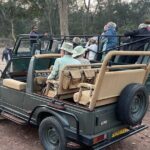
Vehicle type is worth a quick check before you commit. One caution from earlier feedback is that sometimes what you expect (like a jeep/gypsy style vehicle) can be different if that vehicle type is sold out. In at least one case, the operator response described offering a canter (16-seater) alternative and refunding any price difference if the traveler agreed. Bottom line for you: if vehicle style matters, confirm it upfront, and ask what you’re actually assigned for that specific safari slot.
Wildlife odds: where you’ll look for tigers, bears, hyenas, and more
Your drive isn’t a one-animal hunt. It’s set up for a variety of sightings, and that’s the smartest way to do Ranthambore, especially in a limited time window. With help from your guide or forest ranger, you’ll scan for deer, sloth bear, hyenas, and leopards while driving through the forests.
Then you shift your attention when you approach the water areas. Around those water bodies, you might spot mugger crocodiles and monkeys that keep things entertaining. Monkeys can look chaotic, but don’t ignore them. Their movement often signals attention from the rest of the park. Even when animals aren’t visible, the way the area “feels” can change—birds may react, and the vehicle will slow for a reason.
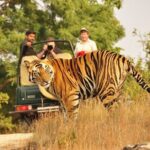
And yes, the tiger is the star you’re hoping for. It’s explicitly not guaranteed, but you may be able to spot a tiger in the grasslands. If you get that kind of sighting, it tends to make the whole drive click—the way the landscape is arranged, where the animal can move without being obvious, and why the guide keeps pointing out signs.
My advice for improving your odds (without pretending you can control fate): keep your eyes moving in a pattern. Look far first, then medium distance, then the edges near water and brush. When your guide/ranger calls something out, listen and don’t immediately assume it’s nothing. At Ranthambore, a “small” movement is often the first chapter of a bigger story.
How the guide makes the park click for you
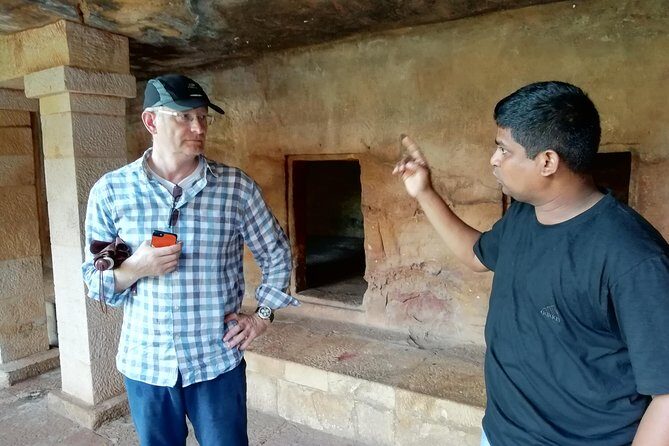
A good safari guide doesn’t just point. They help you understand. This experience includes guidance from a guide or forest ranger for identifying and differentiating the park’s flora and fauna. That kind of interpretation turns a drive from watching to learning.
I’ve seen how much difference a clear, helpful guide can make. One guide named Faiz has been highlighted as warm, supportive, and hands-on during the outing. Even if you don’t get Faiz specifically, you’ll want a guide who explains what you’re seeing and what to watch for next—because in Ranthambore, spotting is often about knowing what counts as a clue.
Also listen for “why” statements. When the guide explains that a certain spot is being watched because of animal behavior around water or cover, you start scanning with intent. That makes your three hours feel longer and more rewarding, even when the tiger stays out of sight.

Price and value: what your $41 actually buys
At about $41, the value is strong if you mainly care about the safari itself and not extra comforts. Your payment covers safari admission and entry to the Ranthambore Tiger Reserve, plus pickup and drop near your hotel. That combination matters because tiger reserve entry costs add up quickly when you book separately.
What’s not included is equally important for your planning. Meals and accommodation are not part of the package. So if you’re starting midday or in the heat, consider bringing water and a light snack so you’re not stuck hungry during or right after the safari. (You don’t want your attention drifting from wildlife because you’re thinking about lunch.)
Also, notice the built-in value of the short duration. Three hours is enough for meaningful scanning without dragging your whole day into the park. It’s a useful choice if you’re balancing other things in Rajasthan and want a true safari day without burnout.
Communication and practical details that reduce stress
The safari experience is mostly about wildlife and patience, but smooth logistics still matter. One thing that stands out in good operations is clear communication—messages sent quickly on WhatsApp, along with practical information. In earlier feedback, people noted receiving details like pick-up times and vehicle registration numbers, plus a receipt after payment.
For you, that’s not small stuff. With a park visit like Ranthambore, you want fewer unknowns. Vehicle registration details make it easier to confirm you’re boarding the right vehicle, and knowing your pickup timing reduces the last-minute scramble.
One more practical point: the experience is listed as confirmation after booking, so you should have a clear follow-up before the day arrives. If you’re picky about the ride type (jeep vs canter) or you’re traveling with anyone who cares about comfort or visibility, ask those questions directly and get the answer in writing.
Who should book this safari, and who might want a different style
This shared safari makes sense for you if:
- You want a value-focused Ranthambore experience with tiger reserve entry included
- You’re okay with not having guaranteed tiger sightings
- You like learning what you’re seeing, and you appreciate a guide/ranger explanation
- You want a compact three-hour outing instead of a full-day commitment
You may want to think twice (or at least set expectations carefully) if:
- Tiger is your only target and you can’t handle uncertainty
- You prefer private, quiet, flexible rides where you can better control the pace and vehicle experience
- Vehicle style is a deal-breaker for your comfort and visibility, especially because availability can affect whether you get a jeep-style vehicle or a canter
That one-zone format also means your best odds depend on what that day’s operations make possible. You’re not doing a “whole park tour” here. You’re doing one window into Ranthambore.
Should you book this 3-hour Ranthambore shared safari?
I think you should book it if you want a straightforward safari with pickup, tiger reserve entry covered, and the chance to see a range of species—not just tigers. It’s also a good fit if you enjoy guided spotting and you’re traveling efficiently through Rajasthan.
If you book, do two things to protect your expectations. First, confirm the vehicle type you’ll ride (especially if you were hoping for a jeep/gypsy style). Second, bring water and a snack plan since meals aren’t included. Do that, and the experience becomes what it’s best at: a short, focused wildlife drive from Sawai Madhopur with real learning built in.
FAQ
How long is the Ranthambore shared safari?
It runs for about 3 hours.
Do you get pickup and drop from hotels?
Yes. Pickup and drop are offered from nearby hotels.
Is tiger spotting guaranteed on this safari?
No. Tiger sightings are possible but not guaranteed.
What animals might I see during the drive?
You may see deer, sloth bear, hyenas, leopards, monkeys, and mugger crocodiles around water bodies. The guide/ranger also helps identify flora and fauna.
What’s included in the price, and what isn’t?
Included: safari admission, pickup and drop near hotels, and entry/admission to the Ranthambore Tiger Reserve. Not included: meals and accommodation.
What is the cancellation policy?
The experience is non-refundable and cannot be changed for any reason.