REVIEW · SAWAI MADHOPUR
Ranthambore National Park
Book on GetYourGuide →Operated by THE RANTHAMBORE TIGER · Bookable on GetYourGuide
Tigers roam on their own schedule. That is what makes Ranthambore so gripping: a guided jeep safari where you can scan the jungle for Royal Bengal tigers (and other predators) from the safety of your vehicle.
I like the mix of real-world logistics and wildlife know-how you need for a tiger reserve: an on-the-ground guide for route choices and safety, plus time inside the park to actually look around and spot movement.
One thing to plan for: tiger sightings are never guaranteed. Also, depending on the vehicle you get, you might ride in a larger group setup (canter) instead of a smaller jeep.
In This Review
- Key things I’d focus on before you go
- Ranthambore Jeep Safari: 3 Hours That Actually Moves
- From Hotel Pick-Up to the Park Gate: Getting Into Position
- Inside the Jungle Drive: How the Safari Experience Works
- The tiger reality check
- Wildlife Beyond Big Cats: Why the Drive Still Feels Worth It
- Your Guide and Vehicle: The Difference Between Seeing and Missing
- Photo Tips From a Moving Safari Seat (Without Stress)
- Price and Value: Is $27 a Good Deal Here?
- Who Should Book This Safari (And Who Might Want to Skip)
- Should You Book the Ranthambore Tiger Safari?
- FAQ
- Where is Ranthambore National Park located?
- How long is the safari?
- What is included in the price?
- What is not included?
- Do I need a passport or ID?
- Is a tiger sighting guaranteed?
- How big are the vehicles, and will I share?
- Are smoking or alcohol allowed during the safari?
- Is this safari suitable during pregnancy?
- Can I cancel, and how much notice is required?
Key things I’d focus on before you go
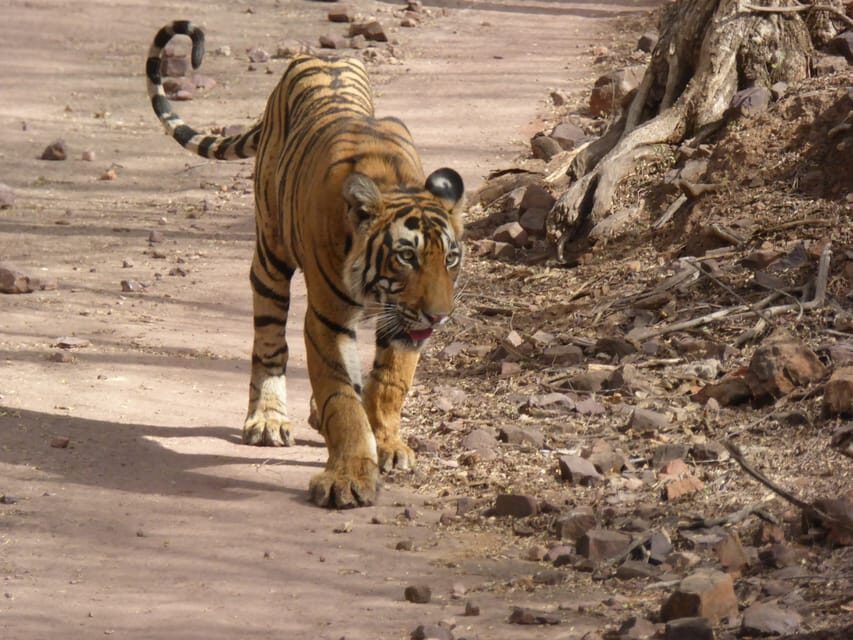
- Tiger reserve rules mean unpredictable sightings: you’re there for wild life, not a ticketed performance.
- Vehicle size changes the experience: jeeps fit up to 6; canters can be 16–20, so sharing is possible.
- Your guide’s role is huge: the commentary helps you read tracks, behavior, and likely hotspots.
- You need solid IDs: the park entry process depends on sending passport/ID details after booking.
- It’s a 3-hour block, not a long safari day: expect some waiting for access timing and spotting windows.
- Photo results depend on where the vehicle stops: it’s close enough to be exciting, but you’re still shooting from a moving/positioned platform.
Ranthambore Jeep Safari: 3 Hours That Actually Moves
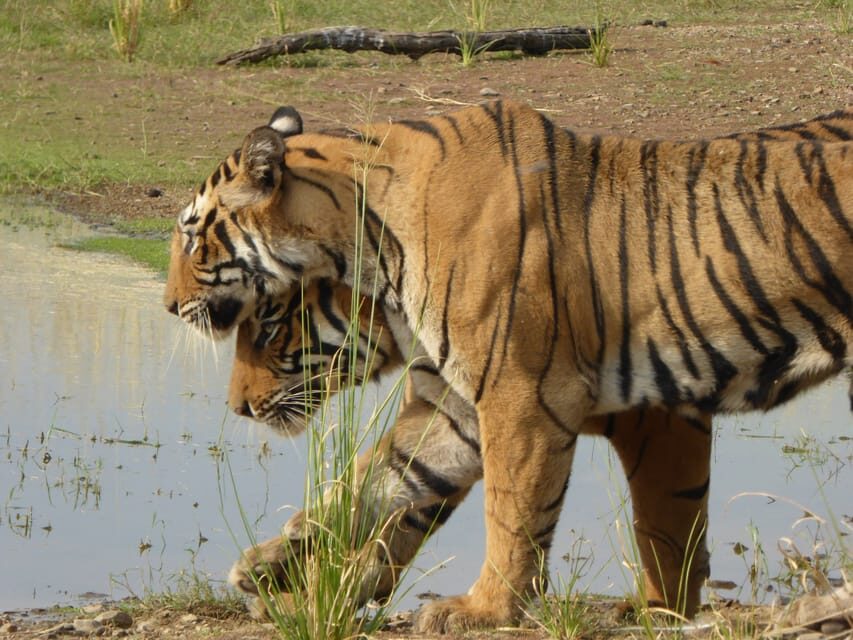
Ranthambore National Park is the kind of place where the suspense builds fast. The tour is short—about 3 hours total—so you don’t get “tour-bus sightseeing fatigue.” Instead, the day is built around one goal: get into the park with a guide, drive slowly through likely areas, and stay alert for animals that could appear at any turn.
What helps is that the safari is run by the Government Forest Department, not a theme-park operation. That matters because the rules are wildlife-first: you follow vehicle limits, keep to safari routes, and don’t expect a tiger to show up just because you paid for a slot. In this reserve, timing and luck are real parts of the experience.
If you’re the type who loves motion and observation—tracks, calls, sudden stillness in grass—you’ll enjoy how this feels. It’s not a stroll where you can wander and stare for an hour. It’s short, focused, and paced for sightings.
You can also read our reviews of more tours and experiences in Sawai Madhopur.
From Hotel Pick-Up to the Park Gate: Getting Into Position
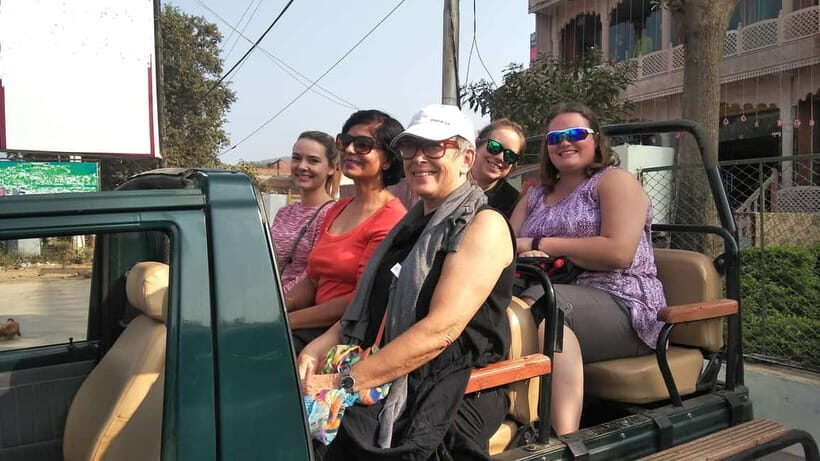
This safari is designed to start where you are staying. There are many pickup and drop-off options across Ranthambore and Sawai Madhopur (a big hotel list), and the usual pattern is: you wait at your hotel, meet your guide, then head to the park for your safari window.
Two practical realities to keep in mind:
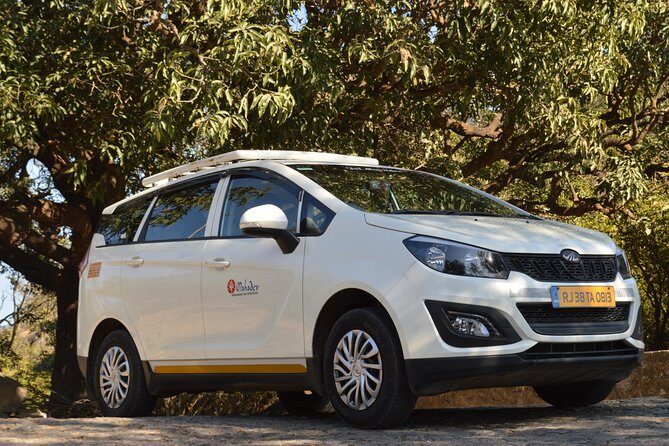
1) Your exact vehicle may vary. Jeeps can handle up to 6 people, while canters are typically 16–20. If you end up in a canter, you’re in a larger group with less individual space and often more shouting/communication across the group. That can affect how well you hear guide commentary.
2) Pick-up isn’t universal for every luxury property. If your stay is at Six Senses Fort Barwara Hotel, you’re told that pickup and drop aren’t included there. They say you can arrange a tuk-tuk or car to bring you to the meeting point and drop you back afterward for an extra cost (Rs 3500 to Rs 4000).
One more small but important detail: this is a tiger reserve, so the entry system depends on identity documents. You’ll want to be ready with the original ID or passport.
Inside the Jungle Drive: How the Safari Experience Works
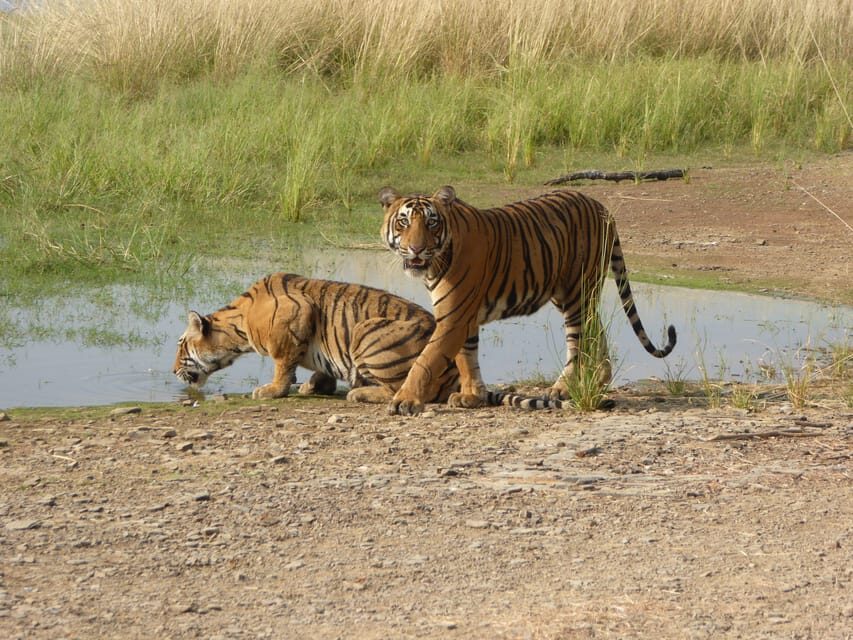
Once you reach Ranthambore, you start “reading” the park. Your guide guides the route and shares what to watch for, including how animals behave when they’re close to water, along paths, or moving through cover.
The goal areas are not just scenic stops. They’re places where you might see:
- Royal Bengal tigers moving along the jungle edges or crossing through open patches
- Leopards, which often show up differently than tigers (less predictable, and sometimes more “camouflage than chase”)
- Deer and other herbivores, which matter because predators react to them
- Hyenas and wild boars, plus other wildlife like crocodiles depending on conditions and access
- Occasional sightings of other animals you might not expect to see on a short outing
What I like about this setup is that it makes the safari feel like a guided hunt, without turning it into something fake. Your vehicle becomes your platform, your guide becomes your translator of what’s happening out there, and you drive long enough to have multiple chances rather than one quick pass.
The tiger reality check
Your listing makes the big point clearly: tiger sightings are unpredictable. That isn’t just legal wording. It’s the heart of the experience. One confirmed example from real-world feedback: a guide named Meetha worked with the driver to reach a tiger sighting that ended with the tiger and two cubs. That is the kind of outcome you hope for, but it cannot be guaranteed.
So, how should you think about it? You book because you want tiger-reserve jungle life—not because you want a guaranteed tiger photo. If you accept that, you’re more likely to enjoy the rest: the animals you do see, the moments when you spot movement before anyone else reacts, and the way the guide explains what you’re looking at.
Wildlife Beyond Big Cats: Why the Drive Still Feels Worth It
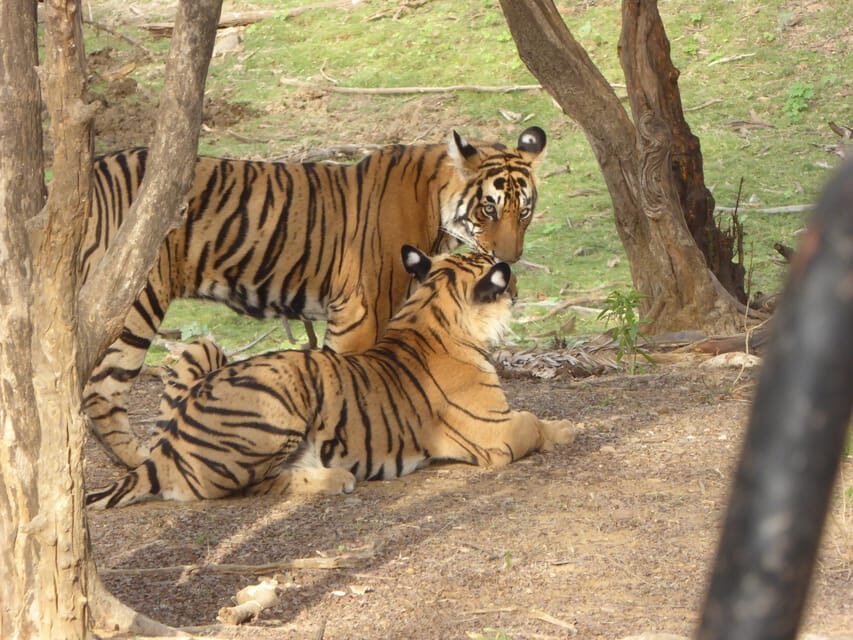
Even with tiger uncertainty, the best part of Ranthambore safari isn’t only the big cat jackpot. It’s the chance to see the ecosystem doing its thing.
Here’s how that tends to play out in a short, guided drive:
- Look for herbivores first. Deer and other prey animals tell you where the pressure is. When prey is active, predators may not be far.
- Watch for sudden changes in silence. The guide’s commentary can help you connect animal behavior with your position in the park.
- Keep your eye on water-adjacent areas. Crocodiles are explicitly mentioned as possible wildlife, so it’s smart to treat water crossings and edges as priority viewing.
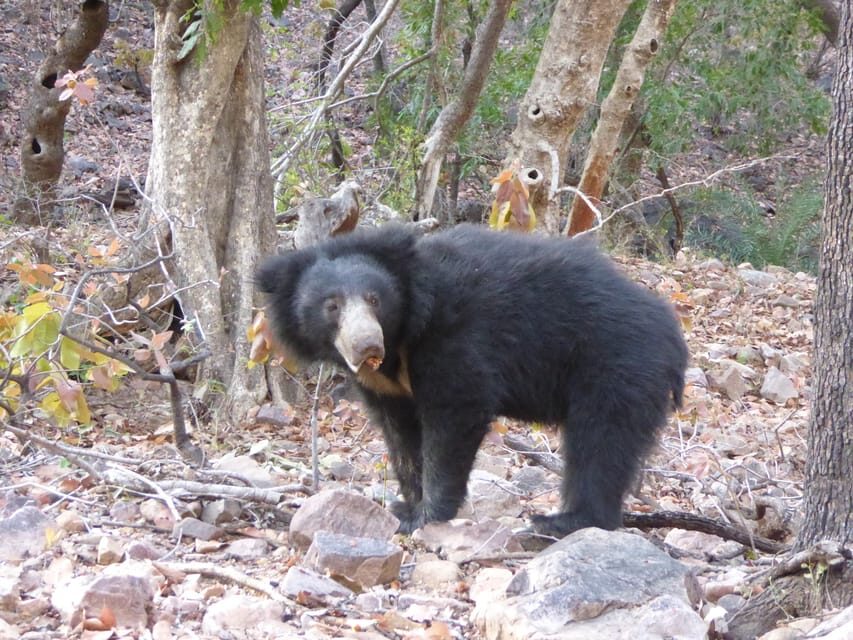
Leopards, hyenas, bears, and other animals are also part of the expectation set. That list matters because it changes your mindset: you’re not only waiting for one signature moment. You’re scanning constantly, so every time the guide slows down, you feel it.
Also, because this is a tiger reserve, not a zoo, the animals you see may be more cautious and the sightings more brief than people expect. The flip side is that it feels more like nature—less staged, more real.
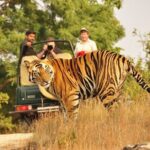

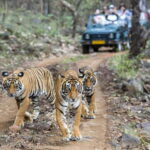
Your Guide and Vehicle: The Difference Between Seeing and Missing
The safari’s value comes down to two things: where the vehicle goes and how well your guide helps you understand what you’re seeing.
Language can matter more than you’d think. One feedback note flagged that a guide only spoke an Indian language for a foreign group, which affected what they could learn during the drive. Your tour language options are English and Hindi, so ideally you’ll have commentary you can follow.
Even if you don’t get a perfect match, you can still make it work:
- Pay attention to the guide’s repeated cues—where they point, when they ask you to keep quiet, and when they stop the vehicle.
- Focus on animal behavior rather than trying to identify everything perfectly. Predator body language often shows before you confirm the species.
And then there’s the vehicle effect again. In a jeep, you usually have a tighter group and quicker observation. In a canter, you’re sharing space with more people. That doesn’t automatically make it bad—but it does change your ability to linger on a single spot and to hear fine details.
Photo Tips From a Moving Safari Seat (Without Stress)
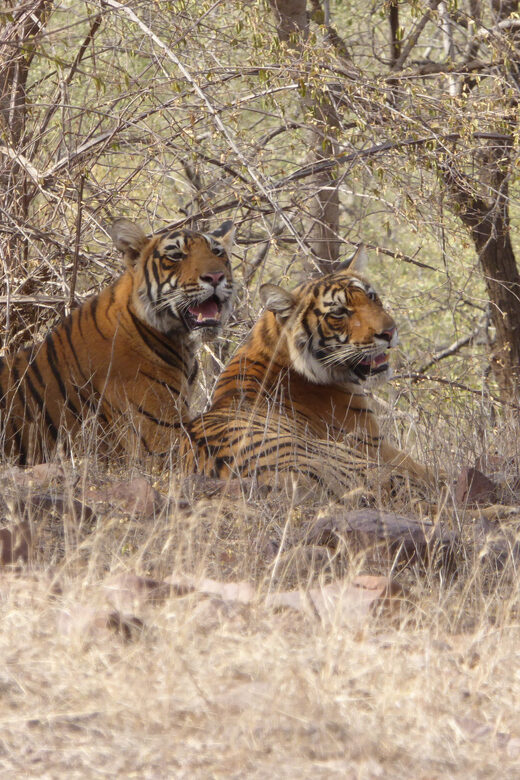
This tour specifically sets you up for photos from the vehicle, and you’re meant to take memorable shots from up close as you drive around the park.
Here are the practical limits to respect:
- You’re photographing through a safari position, not a walk-up viewing deck.
- The best shots often happen during quick stops, when the guide has judged that animals are likely to be visible.
What to do before you even start rolling:
- Bring sunglasses (it’s listed as a recommended item).
- Keep your camera ready, not buried in a bag.
- Be ready for the vehicle to stop suddenly. Tigers and leopards don’t schedule photo ops.
If you’re sensitive to motion, use faster shutter settings (if your camera allows) because wildlife can move quickly once you notice it. Also, don’t chase the moment by leaning too far—stay safe and let the driver position the vehicle.
Price and Value: Is $27 a Good Deal Here?
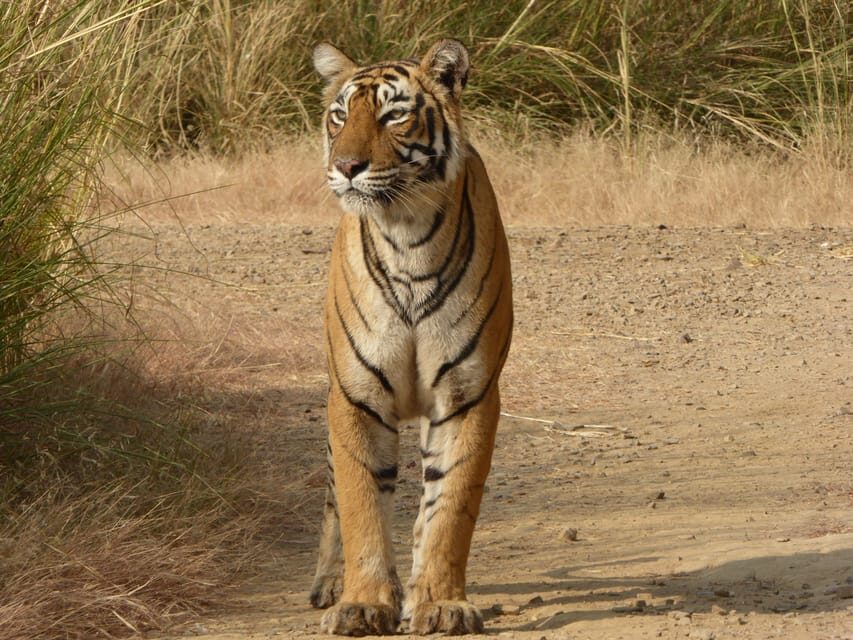
At $27 per person with guide, safari, and entry tickets included, this is not an expensive way to experience a tiger reserve setting in a short time block.
But value isn’t only about the headline price. It’s about what you’re buying:
- You’re not paying extra for park access and guidance. That’s part of what makes the deal feel reasonable.
- You are paying for a guided safari drive inside a protected reserve, which isn’t the same as casual sightseeing.
Two cost-related considerations:
- Food and drinks aren’t included (and neither are tea or a camera). So plan on budgeting for yourself outside the safari time window.
- Camera access isn’t included either, meaning you may need to supply your own gear and strategy. You can still take photos, but you should assume this isn’t a professional package.
One more honest note: the overall rating is mid (3.6 across a small set), and people’s value perception can shift based on vehicle size, language, and—most of all—whether you get a tiger sighting. If you walk in expecting a guaranteed tiger, you’ll likely feel disappointed. If you walk in expecting a real safari drive with real wildlife odds, $27 can feel like a fair trade.
Who Should Book This Safari (And Who Might Want to Skip)
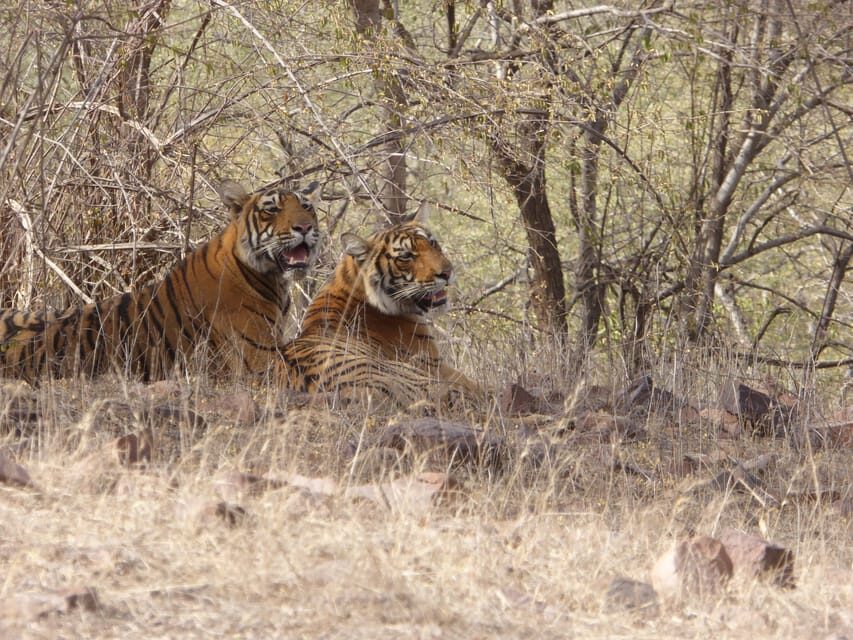
This is a good fit if:
- You want a short, focused wildlife outing in Ranthambore.
- You’re comfortable with unpredictability and want to spend time scanning for animal movement.
- You like getting explanations while you travel through a reserve, including what the guide wants you to notice.
It’s not a great fit if:
- You’re pregnant. The tour states it’s not suitable for pregnant women.
- You hate waiting. Since access and spotting are part of the reserve process, you might spend part of the 3 hours waiting for calls/positions and then using the time that opens up for viewing.
If you’re traveling with kids, you can make it work if everyone can stay patient and quiet when needed. But you should be realistic: this is still a wildlife drive, not a constant-action show.
Should You Book the Ranthambore Tiger Safari?
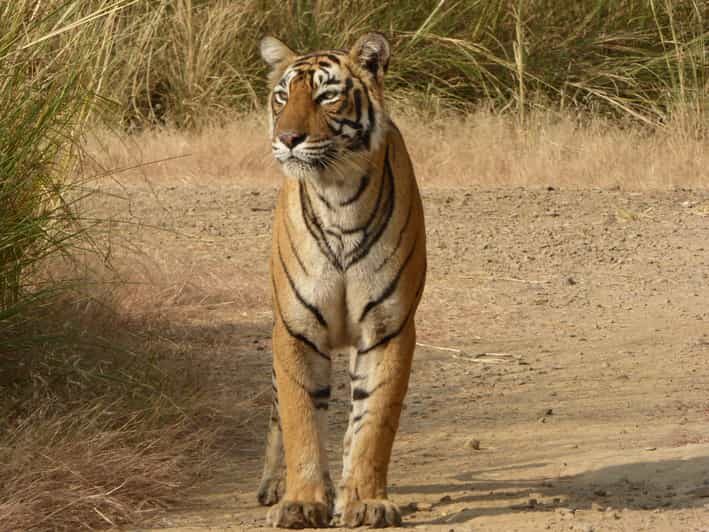
Yes, if you can handle two things: tiger sightings are unpredictable and you’re okay with a short time window where the “best moment” might be brief.
Before you click book, do three quick checks:
- Confirm what language support you’ll get (English or Hindi) so you aren’t stuck guessing during commentary.
- Decide whether jeep vs canter matters to your comfort level, since vehicle size changes the vibe and sound level inside the vehicle.
- Make sure your passport or ID situation is ready, because you’re told park entry depends on it and they can’t book the activity without ID/passport.
If your dream is simply to see Bengal tigers for sure, this won’t deliver that promise. But if you want a real tiger-reserve safari drive—guided, structured, and full of wildlife chances—this is a solid, value-minded way to spend a few hours in Ranthambore.
FAQ
Where is Ranthambore National Park located?
Ranthambore National Park is in Rajasthan, India.
How long is the safari?
The guided safari experience lasts about 3 hours.
What is included in the price?
The tour includes a guide, the safari, and entry tickets.
What is not included?
Food and drinks, tea, and camera are not included.
Do I need a passport or ID?
Yes. You need to send your passport for park entry after booking, and the tour says they can’t book the activity without ID or passport. You should carry your original ID or passport during the safari.
Is a tiger sighting guaranteed?
No. The tour states tiger sightings are unpredictable and cannot be guaranteed because it is a tiger reserve, not a zoo.
How big are the vehicles, and will I share?
Jeeps can accommodate up to 6 people. Canters are typically 16–20 passengers, and you may need to share the vehicle with other visitors.
Are smoking or alcohol allowed during the safari?
No. Smoking, alcohol, and drugs are not allowed.
Is this safari suitable during pregnancy?
No. The tour states it is not suitable for pregnant women.
Can I cancel, and how much notice is required?
Yes. Free cancellation is available up to 24 hours in advance for a full refund.
If you tell me your hotel name (and how many people are in your group), I can help you think through whether you’re more likely to get a jeep-style ride or a larger canter setup.