REVIEW · AGRA
Private Old Delhi Walking And Tasting Guided Tour
Book on Viator →Operated by Keeper Landwey · Bookable on Viator
Old Delhi has a way of pulling you in fast. What makes this tour work is the mix of major landmarks plus real market energy, all handled by a professional guide with food stops along the route. I love the chance to try street food snacks with local bites in the markets, and I also like how the guide context helps you make sense of what you’re seeing. One thing to plan for: Jama Masjid camera costs INR 300, and Jama Masjid admission is not included.
This is designed as a 2–3 hour walk, so you’re not signing up for an all-day commitment. You’ll focus on Jama Masjid, then continue to Gurudwara Sis Ganj Sahib and the Digambar Jain Temple, with the route built to pass through the Khari Baoli spice market and the famous Chandni Chowk area. Wear comfortable clothes and walking shoes, because this is a walk-first experience—even with the tuk-tuk break.
In This Review
- Key Highlights You Should Know
- Why This 2–3 Hour Old Delhi Walk Makes Sense
- Getting From Red Fort Parking and Using the Tuk-Tuk
- Jama Masjid First: Mega Scale, Practical Rules, and the INR 300 Camera Cost
- Gurudwara Sis Ganj Sahib: A Calm Break and the Sacred Banyan Tree
- Digambar Jain Temple: Short Visit, Big Meaning
- Khari Baoli and Chandni Chowk: Where the Tasting Becomes Part of the Walk
- Food, Water, and Smart Street-Eating Moves
- Price and Value: Why $23 Can Be a Good Deal Here
- The Guide Makes the Difference
- Who Should Book This Tour (and Who Might Skip It)
- Book It or Skip It: My Decision Checklist
- FAQ
- How long is the Private Old Delhi Walking And Tasting Guided Tour?
- What’s included in the price?
- Is Jama Masjid admission included?
- Is the Gurudwara Sis Ganj Sahib stop free?
- Is the Digambar Jain Temple stop free?
- Is Chandni Chowk open every day?
Key Highlights You Should Know
- Tuk-tuk ride included so you get movement without nonstop walking
- Professional guide with cultural context, not just facts on a screen
- Street food snacks and water bottle included, which helps when you’re out in the market heat
- Jama Masjid and nearby Old Delhi sights arranged into a tight 2–3 hour flow
- Free entry stops at Gurudwara Sis Ganj Sahib and Digambar Jain Temple
- Chandni Chowk closure on Sunday, so plan your day accordingly
Why This 2–3 Hour Old Delhi Walk Makes Sense
If you’re short on time, this kind of tour can be the smartest way to get your bearings in Old Delhi. In just a couple of hours, you cover big, meaningful religious sites and you also get pulled toward the market areas where Delhi’s everyday life happens.
The best part is that the timing feels practical. Jama Masjid gets a full hour, then the route shifts to two other sacred stops for shorter visits, before you continue through the market zone where the tasting element fits naturally.
You’ll still need to accept the basic reality of Old Delhi: it’s busy, it’s busy on foot, and your pace will be set by the walk and the crowd flow. That’s not a drawback of the guide—it’s just the neighborhood. Come with comfortable shoes and the right expectations, and it becomes fun instead of stressful.
You can also read our reviews of more walking tours in Agra

Getting From Red Fort Parking and Using the Tuk-Tuk

The start point is clearly set: Red Fort Parking (Sunehri Masjid). The meeting point is listed at 52G8+HXR, PWD, Munda para, Rakabganj, Agra, Uttar Pradesh 282001, India, and the tour returns to the same spot.
Logistics are a big deal on tours like this, and this one includes pickup/drop to that parking area. It also states that round-trip transfers from anywhere in Delhi are included, but your situation might depend on where you’re staying and how the provider schedules your pick-up. I’d treat that as a prompt to confirm the exact pickup point before you go.
One of the included moves I really like is the local tuk-tuk ride. Even if you love walking, a tuk-tuk segment is a nice reset—especially in busy market areas where stopping to maneuver on foot can slow the group down. It also keeps the tour from becoming one long stretch of foot traffic.
Jama Masjid First: Mega Scale, Practical Rules, and the INR 300 Camera Cost
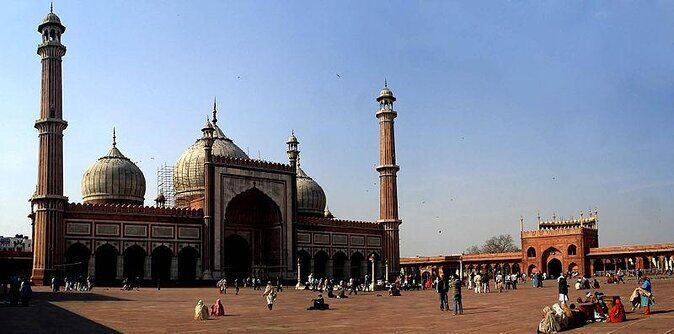
Jama Masjid is the first stop and it earns the time. It’s described as one of the world’s largest mosques, built in 1656 with the help of 5,000 workers—and it sits in front of the royal residence Red Fort area, right amid the Chandni Chowk zone.
Because this is a major monument, you should expect a more structured visit. You’ll likely spend time taking in the scale and learning what makes the place important, not just snapping photos and moving on.
There’s also one cost detail you shouldn’t ignore. Jama Masjid admission is not included, and there’s a camera cost of INR 300 mentioned for cameras. If photography matters to you, plan for it ahead so there’s no last-minute surprise.
Camera fees can be the difference between a smooth experience and a tense one. If you know you’ll want photos, keep INR 300 handy. If you’re trying to travel light, consider whether you can leave your camera behind for this stop.
Gurudwara Sis Ganj Sahib: A Calm Break and the Sacred Banyan Tree
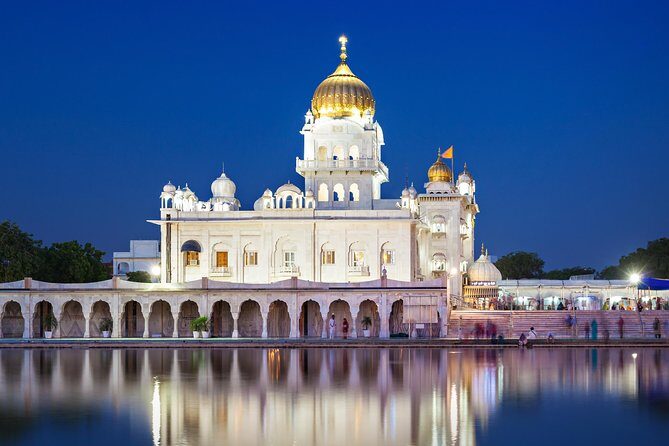
After Jama Masjid, the route shifts to Gurudwara Sis Ganj Sahib, built in 1783 by Baghel Singh. This stop honors Guru Tegh Bahadur, and it has a specific feature that makes it easy to focus your attention: the sacred banyan tree, described as the national tree of India because of its immortality.
The time here is shorter—about 30 minutes—but that can be perfect. When your day includes big, attention-grabbing monuments, a quieter sacred stop helps your brain reset. You get a change of pace without breaking the flow of the tour.
Good news on the practical side: admission is listed as free. So you can treat this stop as a meaningful pause with fewer logistical headaches.
One small consideration: sacred spaces often come with their own rules about how you enter and behave. Even though the tour provides the framework, keep your mindset respectful and flexible. This part of the experience works best when you slow down and observe.
Digambar Jain Temple: Short Visit, Big Meaning
Next comes the Digambar Jain Temple, a Jain religious site. This stop is also about 30 minutes, and it’s listed as free.
Even with a short time slot, it’s worth leaning into what makes Jain worship distinct. The tour frames it as a sacred temple visit, and if you come with curiosity, you’ll likely pick up why minority faith sites matter in the broader story of Delhi.
There’s no indication that this stop is designed for a long lecture. Instead, it’s structured as a respectful visit that fits neatly into the walking route. That short length can be a plus for people who don’t want their day dominated by one location.
If you’re the type who likes quiet reflection, this stop can be your mental reset before you head back into the markets and sensory overload.
You can also read our reviews of more food & drink experiences in Agra





Khari Baoli and Chandni Chowk: Where the Tasting Becomes Part of the Walk
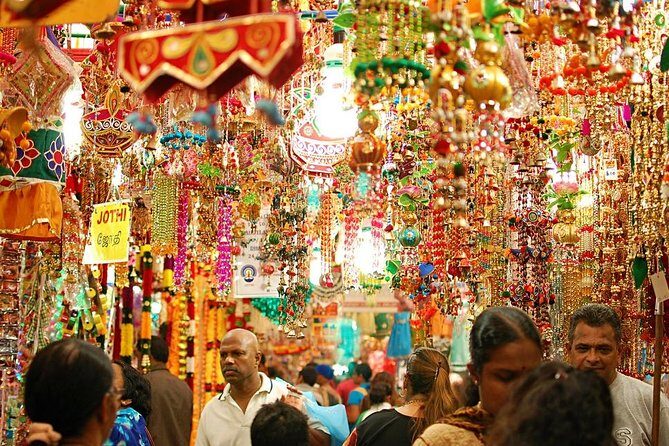
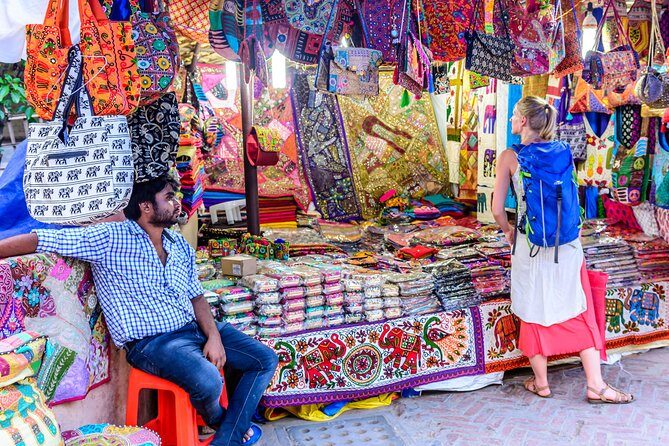
The tour highlights Khari Baoli, described as Asia’s largest spice market. It also points you to the famous Chandni Chowk area, known for vibrant markets. Practically, this is where the tour shifts from monuments to everyday life—where spices, aromas, and vendor chatter are part of the experience, not just background.
This is also where the tasting element makes the most sense. The tour includes local bites in the market, plus snacks and a water bottle, which helps you handle heat and the sheer pace of a market neighborhood.
Because specific dishes aren’t listed, you should treat tastings as an assortment of market snacks. Your best approach is to come hungry but not in a rush for a specific food. The value here is variety and context—snacking while a guide explains what you’re seeing.
One important day-of-week note: Chandni Chowk is closed on Sunday. That doesn’t automatically mean the whole tour fails, but it does mean your route and market time may change. If you’re booking for a Sunday, confirm the exact market segment you’ll still visit so you’re not expecting the full Chandni Chowk picture.
Food, Water, and Smart Street-Eating Moves
This tour includes water bottle and snacks, which is genuinely helpful for a 2–3 hour walk. When you’re moving through markets, hydration is not optional. It’s one of those simple choices that keeps the whole experience enjoyable instead of tiring.
For street-food tasting, I recommend you follow your own comfort level. If you have a sensitive stomach or strong dietary restrictions, ask your guide what the snacks are before you commit. The tour provides street food snacks, but it doesn’t list ingredients—so using common sense is smart.
Also keep your expectations realistic. These are market bites, not a sit-down meal. That’s part of the charm. If you want something filling, plan to eat elsewhere after the tour ends.
And bring cash if you like options. The tour includes snacks, but you might want extra water, extra sweets, or small purchases at spice stalls. The only explicit listed payment detail is the Jama Masjid camera cost, so don’t assume everything else is included.
Price and Value: Why $23 Can Be a Good Deal Here
At $23 per person, this tour competes well in the “see a lot in a short time” category. The included pieces are what make the price feel fair: a professional tour guide, a local tuk-tuk ride, local bites and snacks, and a water bottle.
You’re also getting guided structure around major stops, including one major monument where admission is not included (Jama Masjid) but where the guide time still adds value. If you tried to do this alone, you’d spend more on guide help and you might lose time navigating through crowds.
Group discounts are mentioned too, which can help if you’re traveling with friends. The tour also offers a mobile ticket, which is convenient if you prefer less paperwork while walking around.
Here’s the practical trade-off. You can’t treat this as a private car tour with long pauses. It’s built for a compact route, which means you’ll share some momentum with the group. If you want lots of free time at each stop, you might find the pacing a bit tight.
But if you want a guided hit of Old Delhi culture plus food, the price-to-time ratio is strong.
The Guide Makes the Difference
The reviews included names like Abishek, and that’s a clue about what the guide style is aiming for: professional, friendly, and focused on history and traditions in daily life. That matters because Old Delhi can be confusing if you just show up and follow your feet.
A good guide helps you connect the dots fast: why these places exist, what they represent, and how market life fits into the larger neighborhood story. When that clicks, your time feels lighter and more meaningful.
One more small thing I like: the time distribution is clear. Jama Masjid is the longest stop, and then the route moves on to other sacred sites in shorter, manageable blocks. That’s the kind of planning that keeps the energy up.
Who Should Book This Tour (and Who Might Skip It)
This is a good fit if you:
- Have only a couple hours and want a structured taste of Old Delhi
- Like guided cultural context, not just sightseeing photos
- Want street snacks without having to figure out where to go alone
- Appreciate a mix of major religious sites and market walking
You might consider skipping or adjusting if:
- You strongly want a long, slow visit inside Jama Masjid (since admission and camera fees are separate)
- You’re traveling on a Sunday and were planning around Chandni Chowk time
- You dislike walking and standing in crowds, even with a tuk-tuk segment
Also, the activity is capped at a maximum of 500 travelers. That doesn’t mean your exact group will be that large, but it’s a reminder to confirm your actual group size if you booked something described as private. For comfort, you want to know what you’re really stepping into.
Book It or Skip It: My Decision Checklist
I’d book this tour if your main goal is quick, guided Old Delhi orientation plus market tasting. The tuk-tuk ride, street snacks, and a route that hits Jama Masjid, Gurudwara Sis Ganj Sahib, and the Digambar Jain Temple in one go are the big reasons.
Before you confirm, check three practical things:
- Budget for the INR 300 camera cost and remember Jama Masjid admission is not included
- If your visit is on Sunday, Chandni Chowk is closed, so confirm what you’ll still see
- Confirm pickup details, because the description mentions transfers from anywhere in Delhi but the meeting address is tied to Red Fort parking (Sunehri Masjid)
If those boxes work for you, this is a solid value way to spend a short window in Old Delhi.
FAQ
How long is the Private Old Delhi Walking And Tasting Guided Tour?
The tour lasts about 2 to 3 hours.
What’s included in the price?
It includes pickup and drop to Red Fort Parking (Sunehri Masjid), a local tuk-tuk ride, a professional tour guide, local bites in the market, a water bottle, and snacks.
Is Jama Masjid admission included?
No. Jama Masjid admission is not included, and there is also an INR 300 camera cost mentioned.
Is the Gurudwara Sis Ganj Sahib stop free?
Yes. Admission is listed as free for Gurudwara Sis Ganj Sahib.
Is the Digambar Jain Temple stop free?
Yes. Admission is listed as free for the Digambar Jain Temple.
Is Chandni Chowk open every day?
No. Chandni Chowk is closed on Sunday.