REVIEW · UDAIPUR
8 Day Rajasthan Tour: Udaipur Jodhpur Jaisalmer Bikaner & Jaipur
Book on Viator →Operated by vwitours · Bookable on Viator
Rajasthan works best when you move with a plan, and this route is built for that. You’ll tick off Udaipur, Jodhpur, Jaisalmer, Bikaner, and Jaipur in eight days, with a private vehicle so your group doesn’t get mixed with random schedules. I especially like the combo of big-ticket stops (Mehrangarh Fort, Amber Fort, Jaisalmer Fort) and calmer add-ons like Lake Pichola. One thing to keep in mind: this is a fast circuit, so there are long driving days and you may want a strong tolerance for being on the road.
I also like that you can choose your comfort level, from 3★ to 5★ hotels, while still getting guided sightseeing and key inclusions. The tour is particularly strong if you want an efficient, no-headache way to see Rajasthan without doing all the logistics yourself. The main drawback is that the Jaisalmer desert tent stay (and camp feel) is not for everyone, and the itinerary can feel a bit time-compressed in each city.
In This Review
- Key things to know before you go
- The big picture: an 8-day Rajasthan circuit that’s efficient, not slow
- Day 1 in Udaipur: Lake Pichola views with palace-and-temple momentum
- Day 2 in Udaipur: gardens and viewpoints before you leave the lake behind
- Day 3 in Jodhpur: Mehrangarh Fort and the indoor palace rooms
- Day 4 in Jaisalmer: fort views, Jain temples, and the haveli “wow”
- Day 5 to Bikaner: Junagarh Fort plus Karni Mata’s rats
- Day 6 to Jaipur: a long drive day followed by temple stops
- Day 7 in Jaipur: Hawa Mahal, Amber Fort, Jaigarh Fort, City Palace, Jantar Mantar
- Day 8: checkout and drop-off
- What you’re really paying for: value breakdown
- Comfort and the people factor: guides, drivers, and group size
- The desert tent night in Jaisalmer: amazing for some, awkward for others
- Should you book this Rajasthan tour?
- FAQ
- Which cities does this 8-day Rajasthan tour cover?
- What’s included in the tour price?
- Are monument entry fees included?
- Do you get a boat ride in Udaipur and a camel safari in Jaisalmer?
- Is this tour private or shared with other groups?
- What is the cancellation policy?
Key things to know before you go
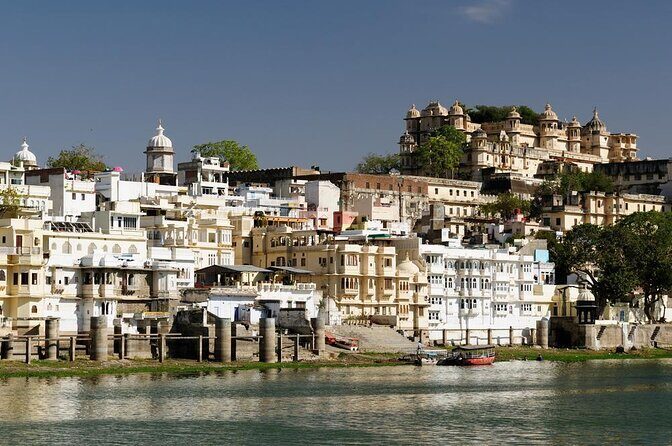
- Private vehicle, only your group in the car, so timing is easier and you won’t lose time negotiating shared pickup points.
- Lake Pichola boat ride is included in Udaipur, giving you a slower, scenic break between palace and temple stops.
- Desert tent stay in Jaisalmer + camel safari and cultural program is built into the route, not sold as an add-on.
- Forts + palaces with named rooms and viewpoints like Mehrangarh’s Moti Mahal and Phool Mahal, plus Jaigarh Fort near Jaipur.
- Entry fees are not included, so you’ll budget extra for monument tickets even with a guided day.
The big picture: an 8-day Rajasthan circuit that’s efficient, not slow
This is a classic Rajasthan sampler, but with a practical twist: the route is designed to connect major cities in a tight loop. You’ll start in Udaipur on Lake Pichola’s side of town, then swing through Jodhpur’s fort kingdom, into Jaisalmer’s Golden City, down into Bikaner’s forts and temples, and finally up to Jaipur for the biggest sightseeing day(s).
What makes it feel smarter than a typical checklist trip is the mix of monument-heavy days and “pause moments.” You don’t just run from fort to palace—you get a boat ride in Udaipur, gardens and memorials in Udaipur, and in Jaipur you get both daytime sites and the open-air observatory at Jantar Mantar. For most people, that pacing hits a good balance: you see the icons but you’re not on monuments 24/7.
The route is also refreshingly direct about comfort options. Hotels can be selected in 3★/4★/5★ categories, and the vehicle is air-conditioned (sedan/SUV/Tempo Traveler). If you’ve ever traveled in Rajasthan and discovered the hard way that your car is the real boss of your day, you’ll appreciate this setup.
You can also read our reviews of more tours and experiences in Udaipur.

Day 1 in Udaipur: Lake Pichola views with palace-and-temple momentum
Your first day starts with a representative greeting you at the arrival point—airport or railway station—then escorting you to your hotel for check-in. After lunch, the sightseeing begins right away, which is useful if you want your trip to feel like it starts immediately instead of daydreaming until evening.
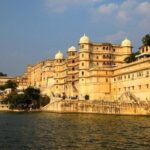
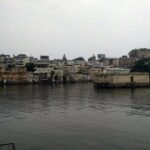
Lake Pichola is the first “feel it” stop, and it makes sense. This lake is the geographic anchor for Udaipur. It’s also a great way to orient yourself without yet climbing a fort.
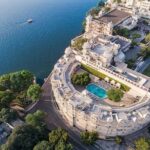
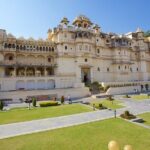
Then you hit the heavyweight: City Palace of Udaipur. This is the largest palace complex in Rajasthan, and it’s perched above the lake, so you’ll get palace views even while you’re moving through courtyards. One practical note: the palace ticket isn’t included, so plan your day budget for monument entries.
Just down the way, you get Jagdish Temple. It’s free, and it’s close enough that you don’t burn the afternoon running across town. The temple is also visually striking in a way that helps break up palace architecture. Next comes Bagore Ki Haveli Museum, a restored 18th-century haveli on the lakefront at Gangori Ghat. It’s the kind of place that can feel like a quiet intermission—less “big arena,” more lived-in historical atmosphere.
Why this first day works: you see Udaipur’s story in layers: lake → palace power → temple devotion → the mansion world of Mewar officials.
Watch-outs: if you arrive late or are tired, Day 1 can still feel like a lot, because the sightseeing starts after check-in.
Day 2 in Udaipur: gardens and viewpoints before you leave the lake behind
Day 2 leans into Udaipur beyond the main palace spotlight. Sahelion Ki Bari is a garden with fountains, kiosks, a lotus pool, and marble elephants. It’s short and pleasant—good for a reset on a trip that later gets heavy with forts.
Next is Maharana Pratap Smarak on Pearl Hill (Moti Margi). It’s a memorial with a big overlook over Fateh Sagar Lake. Even if you’re not a hardcore history person, viewpoints like this help you understand why these rulers built here. People chose locations for power and strategy. The view still does the explaining.
Finally, you climb to Sajjangarh Monsoon Palace (Sajjan Garh Palace). It’s a hilltop residence overlooking Fateh Sagar Lake. This stop is often the one that makes the day feel cinematic—because it’s not a room, it’s a horizon.
Possible drawback: the day’s included sites aren’t spread evenly with long breaks. If you’re the type who needs quiet time, you may want to ask your guide for small pauses between stops.
Day 3 in Jodhpur: Mehrangarh Fort and the indoor palace rooms
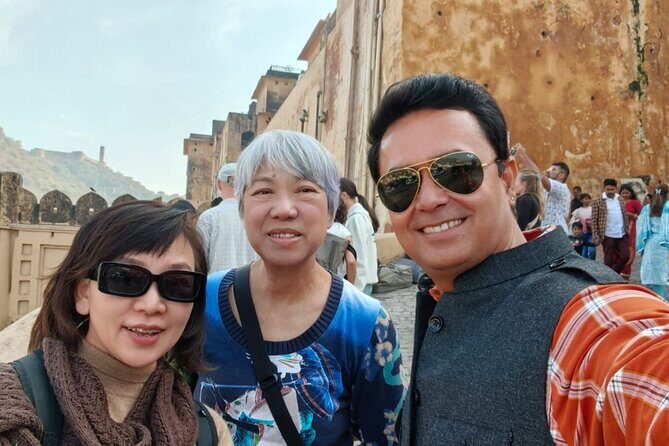
After breakfast and check-out, you head out for a full day in Jodhpur, the Blue City. This is one of the most intense sightseeing days on the route because the main attraction is a massive fort complex.
You’ll spend time at Mehrangarh Fort, the central highlight. The fort isn’t just a wall and gate—it’s a whole fort-city with museums, halls, and carefully arranged views over Jodhpur. Ticket details for many monument parts aren’t included, so keep an eye on what you’re buying once you arrive.
Inside the fort, you’ll see specific palatial rooms like Moti Mahal (private audience room) and Phool Mahal, known for its period-era opulence and its association with female dancers during Maharaja Abhaya Singh’s reign. These room stops matter because they show that royal life wasn’t only about war. It was about ceremony, performance, and display.
You’ll also visit Jaswant Thada, a cenotaph built in 1899 in memory of Maharaja Jaswant Singh II. It’s a more reflective stop than the palaces, and it works well after hours of walls and staircases.
To round out the day, you reach Umaid Bhawan Museum, housed beside the city and known for the palace’s architecture and the museum setting.
Why Jodhpur is worth the jump: Mehrangarh is the kind of place where you can keep noticing details even after you think you’ve seen it all.
Consideration: the fort complex can be tiring. Bring good shoes and plan for walking.
Day 4 in Jaisalmer: fort views, Jain temples, and the haveli “wow”
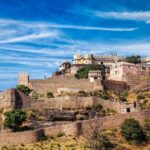
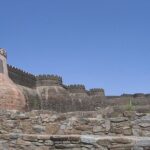
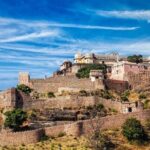
Day 4 is your entry into the Golden City, Jaisalmer. Jaisalmer Fort is the headline, and this is the one you should treat as the day’s anchor. It’s a 12th-century fort, and because Jaisalmer is desert-adjacent, the fort’s stonework and light take on a different look than forts you might expect in greener places.
From there you move to the Jain Temples inside the fort complex—seven of them. The description emphasizes mirrored and decorative elements, so expect small architectural “details that keep paying you back.” It’s also a great contrast to the more royal, palace-driven tone of other days.
Next up are haveli experiences that show off merchant wealth and craftsmanship. Salim Singh-ki Haveli is one, built in 1815 when Jaisalmer was the capital. Then you’ll see Kothari’s Patwaon-Ki-Haveli, also known for multiple palace structures.
How to enjoy this day: don’t rush the haveli interiors. The value is in reading patterns, doorways, and ceiling designs at your own pace, even if the overall tour timeline is tight.


Day 5 to Bikaner: Junagarh Fort plus Karni Mata’s rats
The morning starts with check-out and a drive into Bikaner. The transfer is about 4.5 hours, and you’ll arrive for lunch, then continue sightseeing.
First is Junagarh Fort (Bikaner Fort). This is your big fort day in Bikaner, and it works as a strong continuation from Jaisalmer and Jodhpur. If you’ve been feeling fort-fatigue, Junagarh still offers variety through its layout and the way it’s tied to Bikaner’s royal story.
After the fort, you visit Karni Mata Temple, famously associated with a huge number of rats that roam around the temple complex. If you like unusual religious traditions and people-watching, this stop is memorable. If you dislike animals near your feet, you’ll want to approach with calm expectations and keep some distance.
Next is the National Research Centre on Camel. It connects the modern research side to the traditional role of camels in arid life. Then you finish with Lalgarh Palace and Museum, a visually bold red sandstone palace designed by Sir Swinton Jacob and built by Maharaja Ganga Singh. It blends European and Indian influences, which makes it different from some of the more uniform fort-and-palace looks.
Day 6 to Jaipur: a long drive day followed by temple stops
Day 6 includes another longer transfer, about 5.5 hours from Bikaner to Jaipur. Once you arrive, you visit Galtaji Temple, also called the Monkey Temple in many descriptions. This is a temple stop with a lively animal reputation, so expect movement and attention, and keep an eye on your personal belongings if you’re near active areas.
You also see Birla Mandir Temple, a marble structure that’s noted as a well-regarded pilgrimage site. Compared to forts, it gives you a more spiritual, architectural reset.
Practical tip: long driving days can blur your energy. Hydrate, and don’t assume you’ll feel like a museum tour at full speed the moment you step out of the car.
Day 7 in Jaipur: Hawa Mahal, Amber Fort, Jaigarh Fort, City Palace, Jantar Mantar
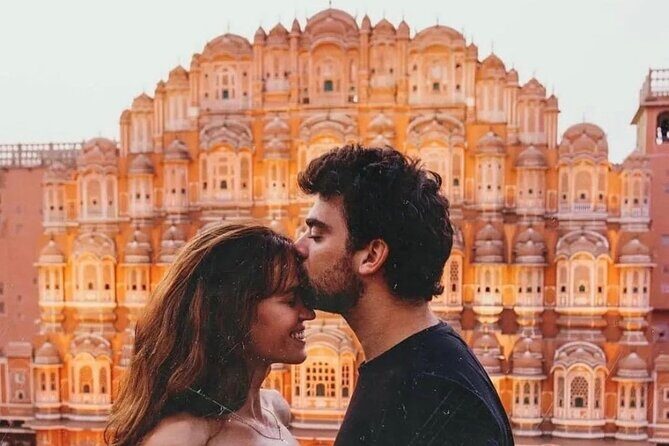
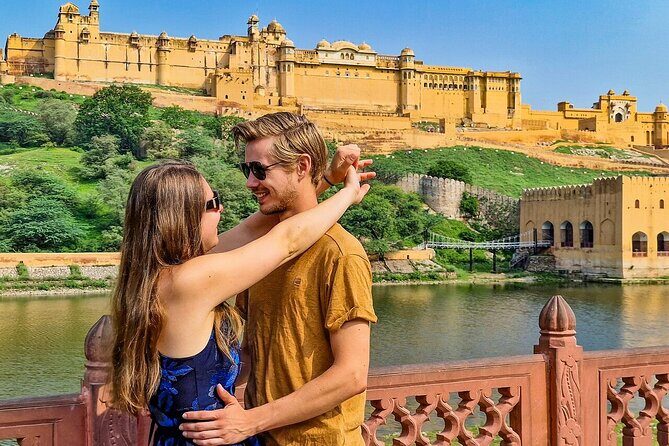
This is the big Jaipur circuit day, and it’s packed. You start at Hawa Mahal (Palace of Wind), then drive to Amber Fort.
Amber Fort is a top Jaipur attraction, and it’s huge—an extensive palace complex that sits on a hill. Even if you’ve seen photos, the scale tends to surprise people once they’re standing inside the fort zone. The day continues with Jaigarh Fort, which towers over the area at a high elevation and offers a different fort perspective. Then you visit City Palace of Jaipur, built starting with outer walls by Maharaja Jai Singh II and expanded through decades.
You’ll also stop at Jantar Mantar, a UNESCO-listed open-air astronomical observatory. This is one of the few places in Jaipur where the focus is science and geometry, not just royal display. It also changes the pace of the day because you can stand and look at the structures like an outdoor classroom.
Real consideration: this is where the earlier “too much driving and short time for sightseeing” issue can show up. The stops are great, but you may wish there were more breathing room between them. This doesn’t make the tour bad—it just means you should pack patience and comfortable stamina.
Day 8: checkout and drop-off
After breakfast, you check out and get dropped to the airport or railway station. It’s a clean finish, and it keeps you from needing extra planning for your onward trip.
What you’re really paying for: value breakdown
At around $289.56 per person, the headline value is not the individual monuments. It’s the package structure. You’re paying for a private, air-conditioned vehicle; hotel accommodation (in 3★/4★/5★ categories depending on your choice); a licensed private tour guide; and several “included experiences” that are often extra when you book cities separately.
The inclusions that matter most:
- Dinner is included (so at least one meal is handled).
- Breakfast (7) covers most mornings.
- Boat ride at Lake Pichola adds a scenic, lower-effort experience in Udaipur.
- Desert tent stay in Jaisalmer plus camel safari and cultural program saves you from hunting those arrangements on your own.
- All taxes and service charges are included.
What’s not included is equally important: entry/admission fees for monuments. That can add up in Rajasthan because almost every iconic site requires a ticket. Also, anything not mentioned in the itinerary won’t be covered, which is normal, but you should always read the schedule with fresh eyes.
Comfort and the people factor: guides, drivers, and group size
This is set up as a private tour/activity with only your group participating. In real terms, that means fewer timing surprises and less waiting around for other travelers. The car is also described as private (sedan/SUV/Tempo Traveler), and your group is supposed to be the only passengers.
On the human side, the operator’s team has been associated with drivers like Ajay, Ishak, and Faizel. You may also work with local guides in key cities; in one instance, the Jodhpur guide was described as having been a teacher, and the Udaipur guide was described as supporting local art. That matters because a good guide can turn a list of monuments into a story you actually remember.
The desert tent night in Jaisalmer: amazing for some, awkward for others
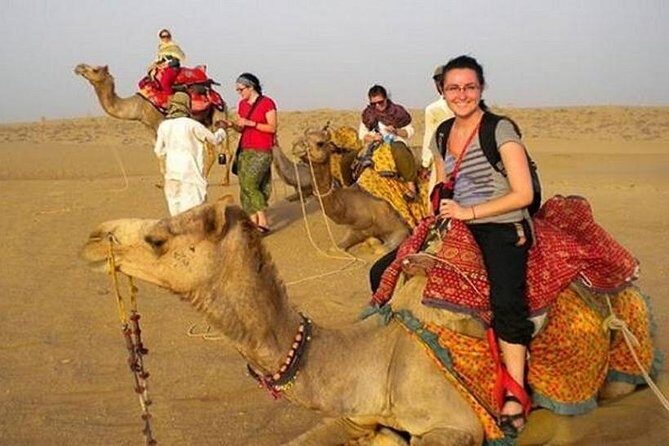
This tour includes a desert tent stay in Jaisalmer and a camel safari and cultural program. For many people, this is the emotional peak of Rajasthan: desert light, a different sleep setting, and the feeling that the trip went beyond city walls.
For others, tents are the stress point. One consideration from prior experiences: some people didn’t like the tent camp format. If you’re sensitive to comfort changes, expect this to be the one part you might want to think hard about before booking.
If you do go for the tent, plan like it’s a camp night: pack basics, protect your valuables, and be ready for a different rhythm than a standard hotel.
Should you book this Rajasthan tour?
Book it if you want an efficient, guided loop through the big Rajasthan cities with private transport, strong sight balances, and a few meaningful included experiences like Lake Pichola’s boat ride and Jaisalmer’s desert night. It’s also a good fit if you want your accommodation style handled for you, with options from 3★ to 5★.
Think twice if you hate long driving days or if you know you don’t enjoy tent-style lodging. This route is impressive, but it moves. You’ll get plenty of highlights, yet the timing can feel tight in the busiest days like Jaipur.
If you’re the type who packs comfortable shoes, keeps an easygoing mood on the road, and is happy to trade a slow pace for more places seen, this itinerary is a strong way to do Rajasthan in one go.
FAQ
Which cities does this 8-day Rajasthan tour cover?
It covers Udaipur, Jodhpur, Jaisalmer, Bikaner, and Jaipur over about eight days.
What’s included in the tour price?
Included items listed are dinner, breakfast (7), a private air-conditioned vehicle, hotel accommodation in a selected category (3★/4★/5★), desert tent stay in Jaisalmer (for the package), a licensed private tour guide, camel safari and a cultural program in Jaisalmer, a boat ride at Lake Pichola, and all taxes and service charges.
Are monument entry fees included?
No. Entry/admission fees of any monuments are not included.
Do you get a boat ride in Udaipur and a camel safari in Jaisalmer?
Yes. The tour includes a boat ride at Lake Pichola in Udaipur and includes camel safari & a cultural program in Jaisalmer, along with a desert tent stay.
Is this tour private or shared with other groups?
This is listed as a private tour/activity, meaning only your group will participate.
What is the cancellation policy?
You can cancel for a full refund if you cancel up to 24 hours in advance of the experience start time. If canceled less than 24 hours before, the amount paid will not be refunded. If the tour is canceled due to poor weather, you’ll be offered a different date or a full refund.