REVIEW · BANGALORE
Private guided tour of must visit places in Karnataka in a week
Book on Viator →Operated by 5 Senses Walks · Bookable on Viator
7 days. One big route.
This private Karnataka tour strings together the big “must visit” temple zones—UNESCO Hampi first, then Chalukyan sites at Aihole-Pattadakal-Badami, Hoysalas at Belur-Halebid, and royal Mysore before the finale at Somnathapura. I especially like that you travel in a comfortable private car (no public-transport hassle) and that the guides can focus on stories, myths, and architecture rather than just letting you wander. One thing to consider: the pacing includes a lot of explanation at temples, and if you prefer quick, silent viewing, you may want to ask the guide to shorten the talk.
You’ll start with an early 7:00 am departure from Bangalore, then spend each day with a mix of walking, viewpoints, and major monuments. On the people side, names like Naveen, Narayan, and Chandrashekar show up in the kind of guide-service you want, and Mohan is mentioned for careful driving and sensitivity with older travelers.
In This Review
- Key Points You’ll Feel on Day 1
- Entering Karnataka’s Temple Circuit Without the Logistical Headaches
- Day 1 Hampi: Virupaksha, Hemunta Hill, and Tungabhadra Energy
- Day 2 Hampi’s Vijayanagara Power Play: Vittala, King’s Balance, Royal Enclosures
- Day 3 Aihole, Pattadakal, and Badami: Three Temple Styles, One Dynasty Road
- Day 4 Chitradurga Fort: A Big Day for Views and Fortification Details
- Day 5 Belur and Halebid: Hoysalas and the Kind of Sculpture You Notice Twice
- Day 6 Mysore Palace and Tipu’s World: Royal Aesthetics Plus Wartime Stories
- Day 7 Somnathapura: UNESCO Chennakesava Details, Then Back to Bangalore
- Price and Value: What $1,150 Buys You in Real Terms
- The One Worry: When Temple Talks Feel Too Long
- Who Should Book This Karnataka Week
- Should You Book This Tour?
- FAQ
- What time does the tour start in Bangalore?
- Is this tour private, and do you get pickup?
- How long is the tour, and how many nights of accommodation are included?
- Are entry tickets included for the monuments?
- What’s not included in the price?
- Can I cancel for a full or partial refund?
Key Points You’ll Feel on Day 1
- Private car, pickup, and a real guide: you’re not coordinating buses or hunting tickets on your own.
- Hampi isn’t just one stop: temples, carvings, and sunset potential from Hemunta Hill.
- Aihole–Pattadakal–Badami in one flow: you see how multiple dynasties shaped temple design.
- Chitradurga Fort is the active day: secret pathways, gateways, and big views.
- Hoysalas at Belur and Halebid: detailed sculpture work you’ll notice more if you go slowly.
- Mysore plus Tipu-related history: Palace, Daria Daulat Bagh murals, and Bailey’s Dungeon all in one evening set.
Entering Karnataka’s Temple Circuit Without the Logistical Headaches
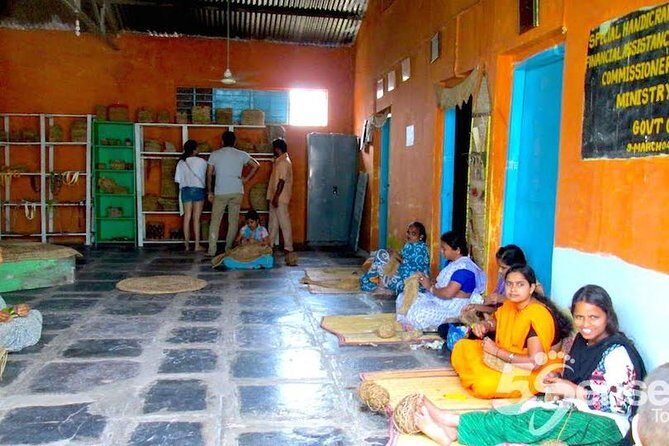
This is a classic “big highlights” week, but the value is in how it’s arranged. You’re doing long drives between regions, so the private car matters. It keeps you from losing time to schedules and crowded connections, and it makes those early starts feel more reasonable.
The tour runs about 7 days and includes six nights of accommodation with breakfasts. Food and drinks are not included, so you’ll want to budget for lunch and dinner (and plan for hydration in the daytime heat). Many site entries are listed as included or marked free in the day plan, so you don’t have to guess which monuments will charge.
You can also read our reviews of more guided tours in Bangalore


Day 1 Hampi: Virupaksha, Hemunta Hill, and Tungabhadra Energy
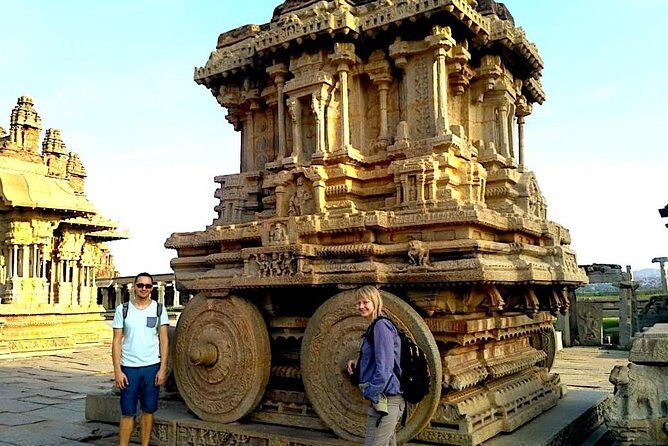
Day 1 starts early from Bangalore (around 7:00 am), with a drive that lands you in Hampi by early afternoon. After lunch, you jump into the Group of Monuments at Hampi, which is smart. You get oriented on the area fast, then you build momentum with major temples right away.
One of the first standouts is Badavi Linga, described as the biggest lingam in Hampi, made of black stone and rising about 12 feet. The detail about a canal passing through it—and that it’s always in water—adds a practical reason to pay attention beyond the size. This is one of those spots where you’ll see how water management and temple worship worked together.
Not far from there, the tour highlights a huge Hampi idol: Ugra Narasimha at about 22 feet. You also visit Balakrishna temple and head toward Hemunta Hill. Hemunta Hill is especially useful to know because it’s a natural sunset viewpoint—and Hampi can look completely different in late light.
Then comes Virupaksha Temple, described as from the Hoysala period and called the oldest temple in Hampi in this itinerary. The guide-led walk-through matters here because you’ll want help noticing the temple tower’s 11 storeys and the fact that the Tungabhadra river flows inside the temple area. It’s not just a “pretty building.” It’s a whole idea of sacred space shaped by water and river geography.
Ticket note: Day 1 lists admission ticket included for the Hampi monument complex and the stops within it. So it’s a day where the ticketing load is mostly handled.
Day 2 Hampi’s Vijayanagara Power Play: Vittala, King’s Balance, Royal Enclosures
If Day 1 is about grounding yourself in Hampi’s sacred geography, Day 2 feels like you’re stepping into the Vijayanagara era’s grand storytelling.
You start at Vijaya Vittala Temple, highlighted as one of the grandest masterpieces around. The description here matters: the temple is built on a polyhedron foundation, and the musical pillars are treated as a major work of art by mankind. Even if you don’t know the engineering terms, the concept is clear—you’re looking at craftsmanship designed to impress, not just decorate.
Next is King’s Balance, a huge stone frame with two pillars and a beam. The legend included in the tour explanation is that generous kings used to weigh gold and gems there and distribute it among the poor. This is one of those legend-to-landscape connections that turns a monument from a photo opportunity into a human story.
Then you move through the Royal Enclosures, including elephant stables, Queen’s bath, and the Lotus Mahal. The itinerary also includes the Zanana enclosure, identified as the place for royal women. If you like history that includes daily life details (not only kings and wars), these smaller architectural zones can hit surprisingly hard.
In the evening you shift to Anegundi village for cave paintings. The tour notes that the paintings date back to the Iron Age around 1500 BC. That’s a great contrast with Vijayanagara monuments—same region, but a far older layer of human presence.
Ticket note: Day 2 lists admission ticket included for Vijaya Vittala, King’s Balance, Royal Enclosures, and the Anegundi cave paintings.
Day 3 Aihole, Pattadakal, and Badami: Three Temple Styles, One Dynasty Road
Day 3 starts with breakfast in Hampi and then a drive of about 3 hours to Aihole. Aihole is presented as a dense temple field with more than 100 stone temples from the 5th century onward. That’s why this stop works in a weekly “highlights” plan: you can see how design styles evolve quickly when so many temples sit close together.
The tour includes a legend about Parashurama washing his axe at Aihole after killing the Kshatrayas. Whether you treat the legend as history or myth, it helps you connect sacred storytelling to a real place. You’ll likely notice how often temple sites are tied to narrative meaning.
After Aihole, you go to Pattadakal, just 14 km away. This is UNESCO territory in the itinerary, and it’s described as a key example of the Visara style. The grand Virupaksha temple at Pattadakal is noted as built in the 8th century by Queen Lokamahadevi—again, a guide-led focus makes a big difference. You get a named patron, a date anchor, and a style label to keep straight while you look at carvings and layout.
Then you head to Badami, an erstwhile Chalukya capital. The itinerary paints a strong setting: Badami in a ravine at the foot of red sandstone hills, surrounded by Agastya lake. The cave temples are where you’ll slow down. The description includes red sandstone caves with a hall full of pillars and a square-shaped sanctum, plus ceiling paintings. Badami’s appeal is that you can feel both the architecture and the “canvas” quality of the rock surfaces.
Ticket note: Day 3 lists admission ticket included for Aihole, while Pattadakal and Badami are marked admission ticket free.
Day 4 Chitradurga Fort: A Big Day for Views and Fortification Details
Chitradurga Fort is a different kind of day. It’s listed as a 17th-century fort experience about 200 km north of Bangalore, with about 4 hours allocated for the tour.
This is the day that turns the itinerary into something more active. The details are almost mind-bending: seven concentric fortification walls, 19 gateways, 38 posterior entrances, 35 secret pathways, four invisible passages, water tanks, and 2000 watch towers. You don’t need to memorize all those numbers to enjoy the place. What you get is a clear sense of how complicated and defensible this fort system was.
What I like about Chitradurga in this itinerary is the practical element. The tour mentions a rain harvesting system and a unique gun powder grinding machine. Those features help you understand the fort as engineering, not just walls and towers.
The itinerary also connects the fort to Onake Obavva, describing her heroic valor. A guide explaining who she was and why the story matters makes the fort feel less like an empty ruin and more like a lived stage for conflict and survival.
Ticket note: Day 4 lists admission ticket free.
You can also read our reviews of more private tours in Bangalore

Day 5 Belur and Halebid: Hoysalas and the Kind of Sculpture You Notice Twice
Belur and Halebid are a gift if you love sculpture detail and temple rhythm. The route goes from Chitradurga to Belur (about 4 hours), then onward to Halebid after lunch.
At Belur, you visit the UNESCO-listed Channakesava temple (world heritage in the plan). The description focuses on intricate carvings in the main hall, and two examples are especially memorable: the bracelets on the arms of a dancer statue can be moved up and down, and another dancer statue’s headdress has a moveable ring. That’s a great detail to know ahead of time because it changes how you’ll look. You’ll want to check the sculpture’s movable elements and the craftsmanship that makes it possible.
The tour also notes that sculptures at Belur are signed off by the sculptors, described as like a painting with boastful epithet energy. Even if your reading skills for inscriptions are limited, the idea tells you something important: these weren’t faceless craftsmen. They were proud specialists.
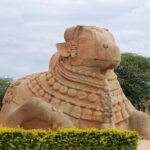
After lunch you head to Halebid, noted as another Hoysalas capital. Two main temples inside the complex are dedicated to Hoysalesvara and Shantalesvara, with a couple of hours for temple exploring. The other big highlight here is the massive Nandi bull statue of Lord Shiva. The tour says it took 86 years to build, and it even points out veins on the bull’s face.
If you’re the type who loves the “how did they do this?” side of art, Halebid rewards patience. Spend time stepping around the Nandi and taking in proportions instead of rushing to the next photo spot.
Ticket note: Day 5 lists admission ticket free for both Belur and Halebid.
Day 6 Mysore Palace and Tipu’s World: Royal Aesthetics Plus Wartime Stories
Day 6 starts after breakfast in Hassan and drives about 2.5 hours to Mysore. This part of the tour is a strong change of pace: less cave and fort geometry, more palace design and museum-style history.
The spotlight is Mysore Palace, described as a three-storied stone structure with marble domes and a 145 ft five-storied tower, built in Indo-Saracenic style with Hindu, Muslim, Rajput, and Gothic influences. The guided tour is listed to include the Public Hall, Private Hall, Dolls Pavilion, and the Royal Wedding Hall. That guided structure helps you avoid the common problem: staring at rooms and not knowing what you’re looking at.
Then you head to Daria Daulat Bagh, Tipu Sultan’s Summer Palace. The itinerary highlights Indo-Saracenic style and a focus on murals depicting war between Tipu and the British. A major named artwork is the Storming of Srirangapatna painting by Sir Robert Ker Porter, tied to the final fall on 4 May 1799. If you’ve ever wondered how art and politics got fused, this stop gives you a clear example.
Next is Captain Bailey’s Dungeon, described as where Tipu imprisoned British officers during the war. The tour frames it with stories about the place, and a good guide makes that history feel specific instead of generic.
Finally, you finish with Devaraja market, an old bazaar you can use to “reset” your senses. The plan describes it as a sensory mix of flowers, vegetables, fruits, jaggery, onions, potatoes, puffed rice, and coconuts. It’s a nice contrast to palace marble and dungeon stone.
Ticket note: Day 6 lists admission ticket included for Mysore Palace, Daria Daulat Bagh, and Captain Bailey’s Dungeon. Devaraja market is marked admission ticket free.
Day 7 Somnathapura: UNESCO Chennakesava Details, Then Back to Bangalore
Day 7 is capped by Somanathapura, presented as a UNESCO world heritage site and famous for the Chennakesava temple. The plan says it was built in 1268 by Somanatha, a general of King Narasimha III.
The itinerary explains the temple layout with three shrines and three carved peaks sharing a common mandapa. It also calls out the 16 different ceilings, each depicting a stage of a blooming banana flower, plus central wall images of deities with jewellery, bangles, crowns, and anklets. This is a temple that rewards a calm pace. If you rush, you’ll miss the fine visual logic that makes it special.
After that, you drive about 3 hours back to Bangalore.
Ticket note: Day 7 lists admission ticket free for Somanathapura and for the final day’s included items as described in the plan.
Price and Value: What $1,150 Buys You in Real Terms
At $1,150 per person, this is not a budget “hop on a bus” tour. But it’s also not just a badge on your phone. You’re paying for a bundle:
- Private car transport across long distances between major regions
- A local guide for the temple and history stops
- Six nights of accommodation with breakfasts
- A plan that groups UNESCO and major monuments efficiently in one week
When you compare that to the cost of hotels plus guides plus private transfers separately, the price makes more sense. Also, the tour includes a pickup offer and uses mobile tickets, which reduces the small daily frictions that add up on independent trips.
What’s not included is the daily reality of life: food and drinks. That’s the main “extra” you’ll feel. If you want higher-end meals every day, budget more. If you’re fine with simple local lunches and an occasional splurge, the overall week can still feel controlled.
The One Worry: When Temple Talks Feel Too Long
There’s one repeated theme you should watch for: temple explanation length. One visitor noted that for some temples, the explanations were a bit too much and the subtleties were hard to follow.
So here’s your practical fix: when you arrive at each major temple, ask your guide early to set a pace you can handle. If you want short context and then time to look, say so. Good guides can adjust. The names you might see in past service—Naveen, Narayan, and others—are described as responsive, which is exactly what you want if you need a slower or more practical approach.
Who Should Book This Karnataka Week
I’d point this tour toward three types of travelers:
- You want big-name sites with history and architecture explained clearly
- You prefer private transport because you don’t want to manage transit timing while tired
- You like active days, especially with a fort day like Chitradurga and a full temple circuit
It also seems like a good fit if you’re traveling with older folks. Past service feedback includes responsiveness to comfort needs, and mention of driver Mohan being careful and sensitive to an old couple’s needs.
Should You Book This Tour?
If your goal is to see Karnataka’s headline monuments in seven days without turning the trip into a logistics project, this is a strong choice. The schedule is packed, yes, but it’s packed with purpose: Hampi first for UNESCO scale, then Chalukyan design at Aihole-Pattadakal-Badami, Hoysalas at Belur-Halebid, and Mysore for royal architecture plus Tipu-related sites, ending at Somnathapura for those ceiling-and-sculpture details.
If you hate long explanations or you want lots of downtime, you might feel rushed. Still, a simple request to pace the talk can solve much of it.
FAQ
What time does the tour start in Bangalore?
The start time is 7:00 am.
Is this tour private, and do you get pickup?
It’s a private tour/activity, and pickup is offered.
How long is the tour, and how many nights of accommodation are included?
The tour is approximately 7 days and includes six nights of accommodation with breakfasts.
Are entry tickets included for the monuments?
The itinerary lists some sites with admission ticket included and others marked admission ticket free. For example, Mysore Palace and Daria Daulat Bagh are listed as admission ticket included, while several other stops such as Pattadakal and Badami are marked admission ticket free.
What’s not included in the price?
Food and drinks are not included.
Can I cancel for a full or partial refund?
You can cancel up to 6 days in advance for a full refund. Cancel 2–6 days before for a 50% refund. Less than 2 days before the start time is not refunded. If the tour is canceled due to poor weather, you’ll be offered a different date or a full refund.
If you want, tell me your travel month and your comfort level with temple walking, and I’ll suggest what days you’ll likely feel most tired and how to plan lunches for the best energy.