Old Bangalore gets personal on this street walk. This Pete Walk is built for slow, unhurried wandering through the old city’s Pete streets, where tiny shops, temple corners, and local rhythm explain Bangalore in a way your map can’t.
I really liked two things: the guide’s storytelling (I’ve seen this tour led by people like Vidya and Kavya) and the food stops that feel like you’re joining the neighborhood for breakfast and brunch. You’ll get that satisfying mix of faith, crafts, and everyday life without feeling like you’re rushing from landmark to landmark.
One consideration: it’s still a walking tour in older lanes, and the experience requires good weather. If you’re hoping for a mostly seated, air-conditioned tour, this may feel like more effort than you want.
In This Review
- Key highlights worth planning for
- Why Bangalore’s Pete neighborhoods feel different on foot
- Price, time, and what you’re actually buying for $56.74
- Morning start, where you begin, and how to picture the route
- Stop 1 in Bengaluru: 500-year temples and a breakfast that sets the tone
- Stop 2 in Chickpet: silk saree lanes with 500-year craft memory
- Stop 3 at Udupi Sri Krishna Bhavan: brunch in the heart of the old city
- Stop 4: Anjaneya Swamy Temple and Avenue Road’s 500-year story
- What to look for while you walk (so you don’t just pass by)
- Small practical tips that make the Pete Walk smoother
- Who should book this Pete City Walk (and who might skip it)
- Should you book the Pete City Walk?
- FAQ
- How long is the Pete City Walk?
- What’s included in the price?
- Do I need admission tickets for the temples?
- What time does the tour start, and when does it end?
- Is this a private tour?
- Is the tour affected by weather?
Key highlights worth planning for
- Pete neighborhoods and market clusters like rice-pete and jeweller’s-pete that shape how old Bangalore worked
- 500-year temple areas where you’ll pause long enough to notice details beyond the main gate
- Chickpet silk saree street history that connects today’s shops to centuries of craft
- Brunch at Udupi Sri Krishna Bhavan, including an iconic local eatery stop
- A central Avenue Road temple moment at Anjaneya Swamy Temple, after walking down the avenue
Why Bangalore’s Pete neighborhoods feel different on foot

Bangalore’s old city has a way of slipping out of your blind spot when you only see the modern skyline and big malls. The Pete Walk takes you into the older settlement with its maze of narrow lanes and small-pete/large-pete-style districts that still function like neighborhood ecosystems.
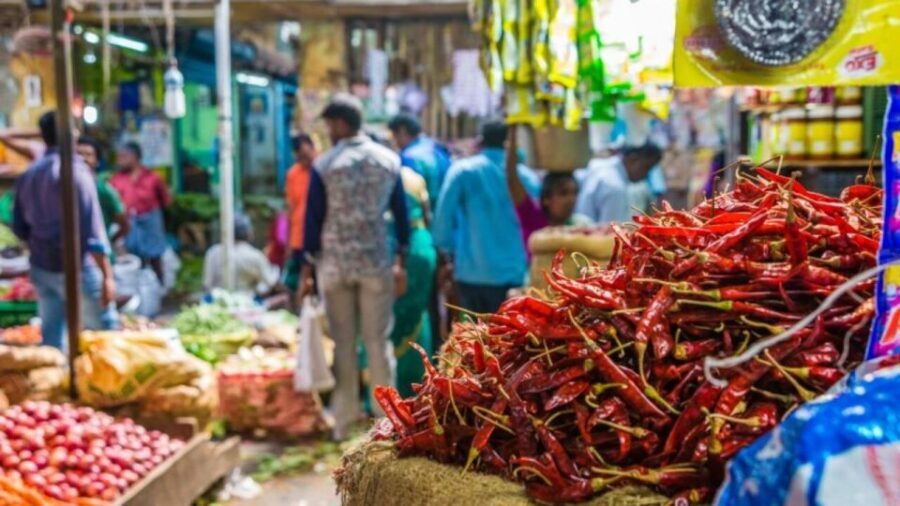
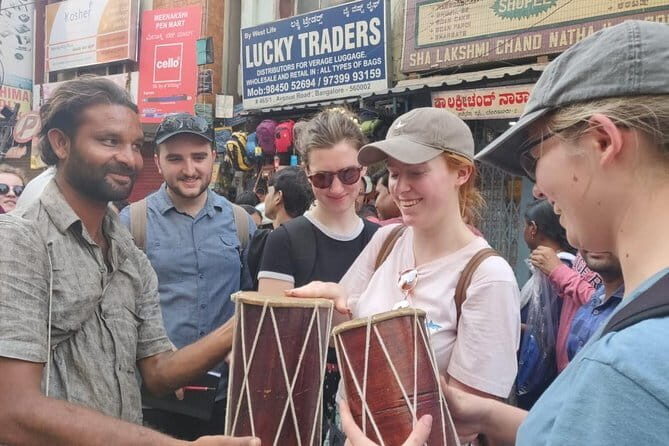
As you walk, you’ll notice how commerce and religion sit close together: you might pass small produce shops, cotton and silk clothing, and temple spaces tucked behind everyday storefronts (sometimes with movie posters layered in the background). The point isn’t just to see temples. It’s to understand how the city’s daily life grew around them.
This kind of route also helps you grasp scale. Those lanes feel tight at first, then suddenly you get it: the turns aren’t random, they’re how people, goods, and worship all move through the old city.
You can also read our reviews of more walking tours in Bangalore
Price, time, and what you’re actually buying for $56.74
At $56.74 per person for about 3 to 4 hours, this isn’t “cheap and cheerful,” but it is good value for what you get: a guided walk plus food. Brunch is included, and there’s also a mobile ticket involved, which cuts down on admin hassle once you’re on the ground.
Here’s the practical way to judge the price. You’re paying for:
- a guide to connect the dots between markets, temples, and customs
- time saved from trying to figure out the route yourself in a maze-like area
- included meals so you don’t burn half the morning hunting for something good
Duration matters here. Three to four hours is long enough to actually feel the neighborhood, but short enough to still fit into a full Bangalore itinerary (especially if you plan a more modern activity later that day).
And since it’s set up as a private experience where only your group participates, you get the benefit of questions and pacing without being squeezed into a large crowd situation.
Morning start, where you begin, and how to picture the route
The walk starts at 8:30 am and ends at Upparpete police station. That matters because early morning is often when market lanes still feel walkable, and temples are easier to observe without the day getting too hot.
One weird detail to be aware of: the listed start meeting point is in Nagpur (SBI Zonal Office, Kingsway, Mohan Nagar). That doesn’t match the Bangalore end point, so you should treat your confirmation details as the source of truth for where you physically meet. If anything feels off, check your email wording before you leave.
You’ll be near public transportation, which helps if you’re coming in from a hotel that’s not walkable into the old city. Still, the walking is the point, so plan for sturdy footwear and a bit of patience with narrow streets and local foot traffic.
Stop 1 in Bengaluru: 500-year temples and a breakfast that sets the tone
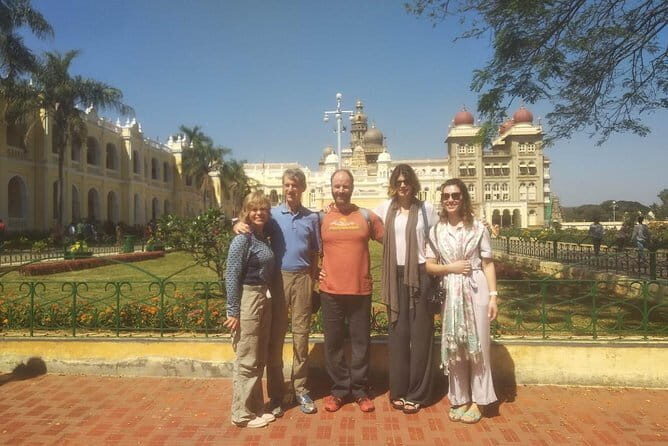
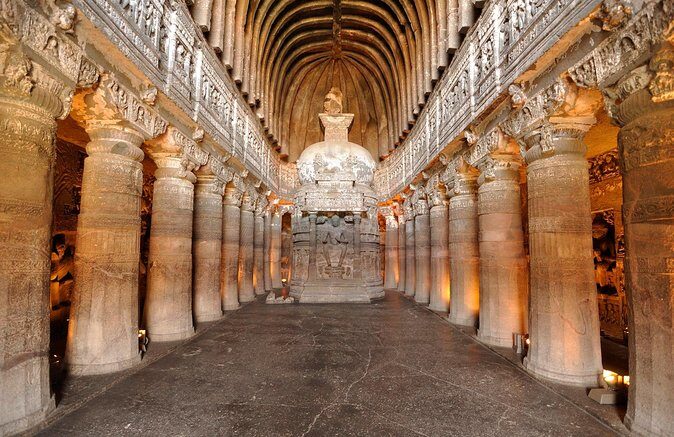
The first stop centers on an ancient temple area said to date back 500 years and more, plus older structures—homes, shops, and market life around it. You’re not just looking at stone; you’re watching how the neighborhood frames worship in everyday space.
You’ll likely start to notice the “Pete logic” here: how the lanes funnel people toward temples and markets, and how daily business grows alongside religious life. This is also where a good guide changes the experience. With the right explanations, you begin to read details like carvings, layouts, and the way people move through the space.
Then comes breakfast at an iconic South Indian eatery. That’s not a throwaway meal. Starting the day with something local and genuinely traditional gives you energy for the rest of the walking, and it makes the whole morning feel like Bangalore rather than just a sightseeing checklist.
Tip: Eat slowly. The best part of breakfast here is the combo of flavor and atmosphere, not just filling your stomach.
Stop 2 in Chickpet: silk saree lanes with 500-year craft memory
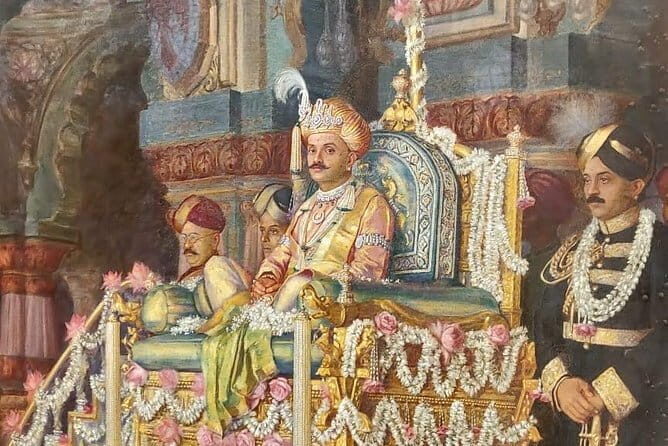
Next up is Chickpet, famous for silk saree shops and traced in history to roughly 500 years back. Even if you’re not shopping, this stop is about seeing craft culture in real time.
Silk isn’t just a product here; it’s a language of trade. You’ll get a feel for how certain neighborhoods specialize, and how generations of commerce shape streets—what’s sold, where it’s sold, and how shopfronts cluster around customer flow.
I also like that this stop gives you a sensory break from temple focus. Chickpet lets your eyes adjust: textiles, colors, folds of fabric, and shopkeepers who know exactly what people are looking for.
If you want to buy something: cotton and silk clothing are the kinds of items you’ll notice along the way. For rare books, you’ll also have opportunities to browse where the small shops appear. Keep in mind the old city can be crowded and planning travel weight matters, so treat shopping as selective rather than impulsive.
You can also read our reviews of more city tours in Bangalore




Stop 3 at Udupi Sri Krishna Bhavan: brunch in the heart of the old city
The itinerary’s food highlight lands at Udupi Sri Krishna Bhavan, described as an iconic eatery in the old city, with brunch included. This is one of those stops where you feel like you’re not just being fed—you’re being introduced.
South Indian breakfast and dosa culture can be a whole topic on its own, and this is where you’ll likely see why people get excited. In past experiences with this walk, the dosas have been singled out as the best part of the trip’s eating.
Practically, this is also a pacing tool. After temple lanes and textile streets, a sit-down meal gives you a reset before the last temple segment.
Food expectation: You’re going for classic South Indian flavors in an old-city setting. If you’re sensitive to spice, don’t suffer in silence—say so and order accordingly.
Stop 4: Anjaneya Swamy Temple and Avenue Road’s 500-year story
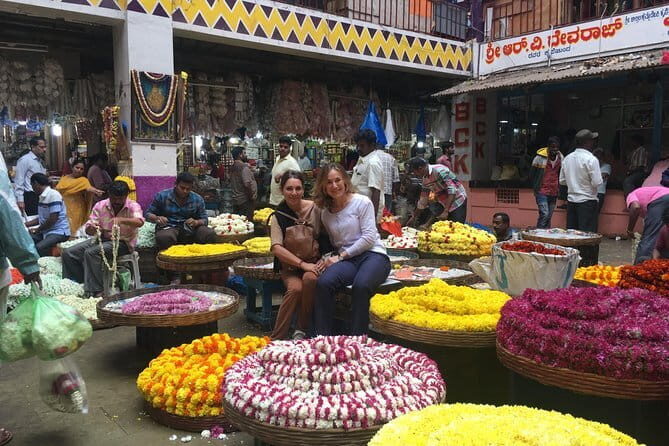
The final temple stop is Anjaneya Swamy Temple, described as 500 years old and positioned at the center of Avenue Road. You’ll walk down Avenue Road as part of this closing stretch, and the street itself becomes part of the narrative.
This is where the walk clicks for many people: you stop seeing “places” and start seeing connections. An avenue lined with older structures, markets, and temple gravity explains why the Pete neighborhoods still feel like living communities, not museum zones.
If you’re the kind of traveler who enjoys religious architecture and local customs, this ending is likely to stick with you. It’s not only about the temple itself, but also about how the street frames access, movement, and daily routines.
Also, depending on the timing of your walk, you may notice extra ritual energy. On at least one past outing, a festival day brought full rituals and temple chariots into the scene. You shouldn’t count on that, but it’s a reminder that old Bangalore keeps moving even on a tourist itinerary.
What to look for while you walk (so you don’t just pass by)
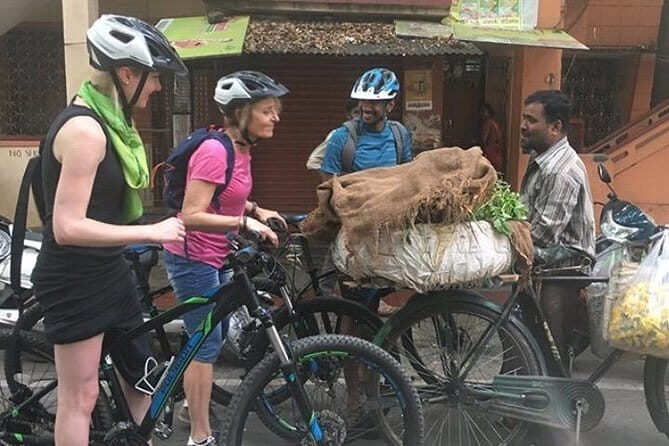
A Pete Walk rewards attention. Here’s what I’d watch for so you get the most value per minute:
- Posters and sacred space together: temples tucked behind everyday signs show how Bangalore layers old and new.
- Shop patterns: rare books, cotton and silk clothing, and small produce stalls help explain what this neighborhood sells—and why.
- Lane behavior: where people pause, where they squeeze through, and where foot traffic funnels toward temples.
- Temple details beyond the entrance: carved elements, layout choices, and the way worshippers occupy space.
- Guide moments: ask quick questions while you walk. A good guide will connect what you’re seeing to customs and local practice without turning it into a lecture.
If you’re worried about getting overwhelmed, this is also where the “private group” format helps. Your group’s pace can be more comfortable, and you’re less likely to feel lost when you have someone to interpret what you’re seeing.
Small practical tips that make the Pete Walk smoother
This isn’t a marathon, but it does involve continuous walking through older lanes. A few habits will make it easier:
- Wear comfortable, grippy shoes. Old city streets can be uneven, and you’ll want stable footing.
- Bring a light layer even in warm months. Morning can feel different once you’re in shaded lanes near temples.
- Keep cash and small change handy if you decide to browse. You’ll see lots of small shops.
- Use the breakfast and brunch stops as your anchors. Don’t snack randomly all day; the meals are part of the experience.
And mentally plan for “noise.” Markets and temple areas have their own volume level. It’s part of the point, not a flaw in the day.
Who should book this Pete City Walk (and who might skip it)
This is a great match if you want:
- a street-level introduction to Bangalore’s old city
- history and customs explained through real places, not only signs and monuments
- food included that’s genuinely tied to the neighborhood
It’s also a smart first-day activity. When I think of a tour that helps you navigate later, this is it. You learn how the Pete neighborhoods function, so the rest of your trip feels less confusing.
Skip it if:
- you prefer minimal walking
- you dislike crowded market streets
- your schedule is too tight for a morning departure
- you’re traveling on days where weather might be unreliable (the experience requires good weather)
Should you book the Pete City Walk?
If you’re coming to Bangalore and want one experience that changes how you understand the city, book this Pete Walk. The 500-year temples, the Chickpet silk streets, and the included brunch create a full, connected picture in just a few hours.
I’d especially recommend it if you like your travel with context: street names, neighborhood patterns, religious customs, and local food all tied together. You’ll walk away with more than photos—you’ll know what you were looking at and why it matters to Bangalore.
Just do one thing: confirm your exact meeting point details in your confirmation message, since the listed start location appears tied to Nagpur even though the walk ends in Bengaluru.
FAQ
How long is the Pete City Walk?
It runs for about 3 to 4 hours.
What’s included in the price?
The price includes brunch, and you’ll also have access to the planned stops during the walk.
Do I need admission tickets for the temples?
Most stops list admission ticket free. One stop at Udupi Sri Krishna Bhavan includes an admission ticket.
What time does the tour start, and when does it end?
The tour starts at 8:30 am and ends at Upparpete, Chickpet, Bengaluru (at Upparpete police station).
Is this a private tour?
Yes. It’s a private activity, and only your group will participate.
Is the tour affected by weather?
Yes. The experience requires good weather. If it’s canceled due to poor weather, you’ll be offered a different date or a full refund.