REVIEW · KHAJURAHO
Raneh waterfall Khajuraho (motorcycle tour)
Book on Viator →Operated by Authentic India Experiences · Bookable on Viator
Waterfalls and villages, minus the tourist rush. On this Raneh Waterfall outing from Khajuraho, you ride through real farming country, pause for temples, then reach a steep-cliff canyon with a proper viewpoint. It’s short, private, and run by people who know what you’re looking at.
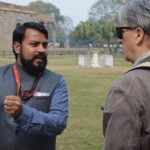
I especially love two things: the motorcycle option for getting up close to village life, and Rajendra (a Khajuraho local) who explains the places in plain, human terms. You’ll also get stops that feel everyday, like buffaloes and farmers you can actually see working, not just temples posed for photos.
One possible drawback: snacks and drinks aren’t included, so plan on buying chai or a light bite at the breaks. Also, the trip needs good weather, since it’s centered on going out to the waterfall area.
In This Review
- Key highlights you’ll feel fast
- Raneh Waterfall From Khajuraho: Why This Short Tour Works
- Meeting at Mediterranean Café and Picking Your Ride
- The Village Drive: Buffaloes, Farmers, and Everyday India
- South Group and Other Freestanding Temples: Stops That Explain More Than Photos
- Reaching Raneh Waterfall: Canyon Views and a Real Outdoor Break
- What Rajendra and Aditya Teach You on the Ride
- Price and Value: Is $28.37 Fair for a Private 4-Hour Ride?
- Practical Tips for a Smooth Motorcycle or Car Tour
- Who This Tour Suits Best (and Who Should Rethink It)
- Should You Book the Raneh Waterfall Motorcycle Tour?
- FAQ
- How long is the Raneh waterfall tour from Khajuraho?
- Where does the tour start and end?
- Do they offer pickup from hotels?
- Can I ride a motorcycle instead of a car?
- Is the admission ticket included for the waterfall stop?
- Are snacks or drinks included?
- What are the operating hours?
- What happens if the weather is bad?
- Is it a private tour?
Key highlights you’ll feel fast
- Motorbike vs car choice: motorcycle is especially recommended, and you can book bike travel for individuals.
- Village-by-village realism: fields, animals, and people doing their daily routines show up constantly along the drive.
- Temple stops without rushing: you’ll pause at freestanding temples such as the South Group.
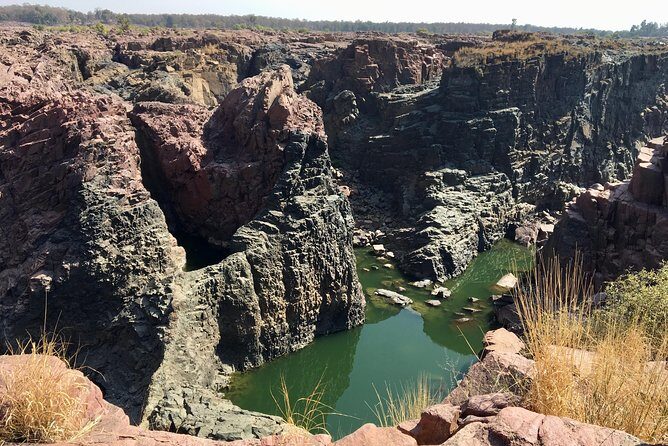
- Raneh Waterfall viewpoint: steep cliffs and a canyon view from a viewing platform.
- Local explanations: Rajendra and his team share context on Hinduism, yoga, agriculture, and daily life.
- Private outing: only your group, so questions and pacing are easier.
Raneh Waterfall From Khajuraho: Why This Short Tour Works
This is the kind of tour that makes sense when you have limited time but still want the real Khajuraho region. In about 4 hours, you get a full slice of the area: temples, countryside travel, and a waterfall viewpoint that feels dramatic even in a short stop.
The biggest value is how tightly the route connects the dots. You see why the temples sit where they do, how farming supports the area, and what people are doing around rivers and fields, before you arrive at the falls.
And since it’s private, you’re not stuck syncing to a big group’s pace. If you want extra time at a stop for photos or questions, it’s easier to manage.
You can also read our reviews of more tours and experiences in Khajuraho.

Meeting at Mediterranean Café and Picking Your Ride
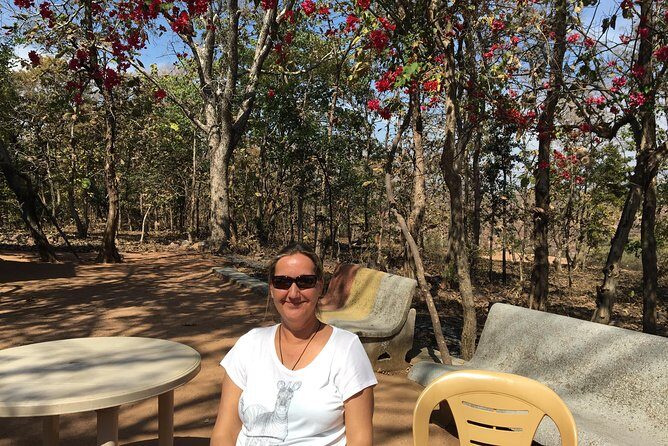
The experience starts back at the Mediterranean Café and Restaurant, Sevagram, Khajuraho. Pickup is offered from your hotel or a meeting point, so you’re not left trying to coordinate transport on your own.
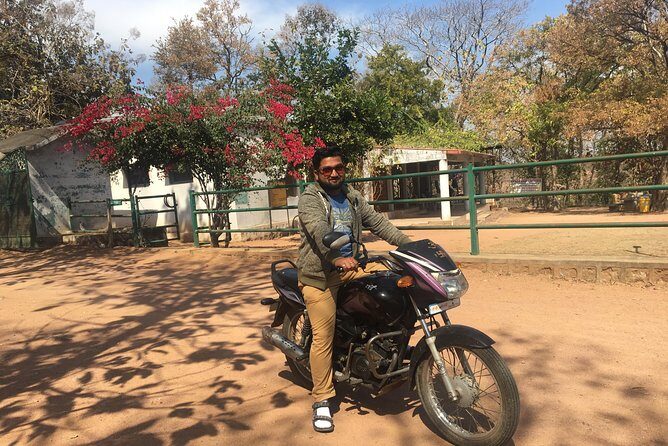
Your guide will then help you choose how you ride: motorbike (especially recommended for individuals) or a car. If you’re traveling with a small group and want the motorcycle experience, there may be a surcharge for multiple riders.
Here’s why this choice matters. A motorcycle lets you feel the slower rhythm of village roads—the route becomes part of the show. A car is more comfortable if you’d rather stay sheltered from dust, heat, or wind.
Either way, this is private transportation with fuel surcharge included, so the basic travel cost is already handled. You’re paying for the route, not just a ticket to a viewpoint.
The Village Drive: Buffaloes, Farmers, and Everyday India
The heart of the tour is the drive through small, tranquil villages with fields and animals. This isn’t highway sightseeing. You’ll roll past places where farming still happens manually, and you’ll notice how much life is built around water.
You can expect to see moments that feel almost accidental: buffalo grazing or bathing in a river area, families gathering near fountain-like meeting points, and children playing in the shade of large older trees. You’ll also see farmers working, which gives context to what you’re passing.
If you’re the kind of person who likes understanding how people live, these roadside scenes become the main course. Temples are important here, but the countryside is what makes the region make sense.
One practical thing: you’ll be outside along the route, so plan for sun and possible dust. A hat and water bottle go a long way, especially on the motorcycle option.
South Group and Other Freestanding Temples: Stops That Explain More Than Photos
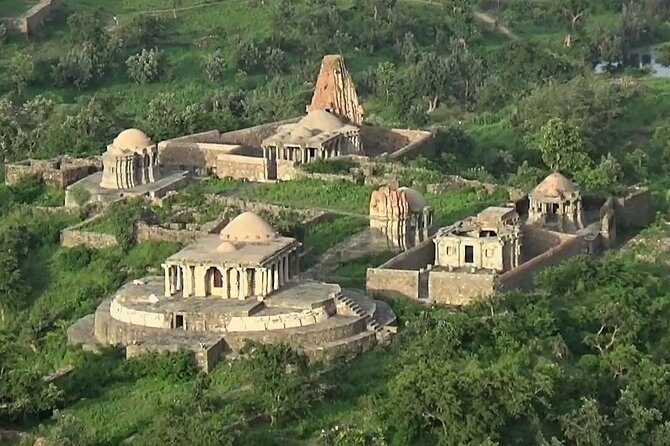
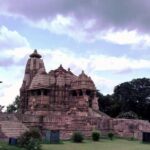
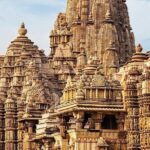
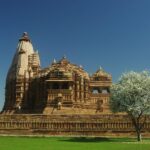
Along the way, you’ll stop at freestanding temples, including the South Group. These aren’t just quick photo stops. The guide uses these moments to connect architecture to ideas you’ll hear more about later—Hinduism, local practice, and how people interpret sacred spaces.
Freestanding temples can be easier to digest than bigger, more crowded complexes. You get a chance to look closely at details and then ask questions before you move on to the next place.
I also like that these stops keep you grounded. You’re not arriving at the waterfall already exhausted and temple-tired. You’re building understanding in stages, which makes the final viewpoint more meaningful.
The potential drawback is time management. Since the tour is only about 4 hours, each stop is efficient. If you want to linger for a long walk at temple grounds, this may feel a bit quick.
Reaching Raneh Waterfall: Canyon Views and a Real Outdoor Break
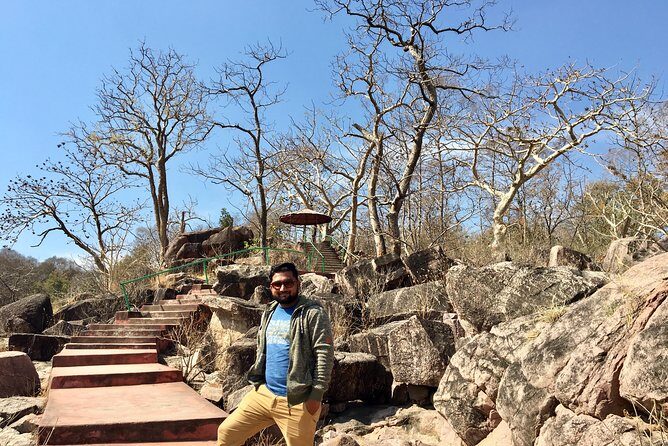
When you finally reach the Raneh waterfall, you’ll see it from a viewing platform. The setting is described as having steep cliffs and a canyon feel, which is exactly what you want from a waterfall stop: a view that looks like it has depth.
It’s also a place where the tour naturally slows down. You have time to take in the scene and then grab something light—like chai or a snack—at the small outdoor area associated with the viewpoint.
Here’s the tip I’d give you: treat the snack stop as part of your timing. Since food and drinks aren’t included, decide early whether you’ll buy chai only or add something more filling.
The tour information also notes that admission is free for the waterfall stop. That’s a nice bonus when you’re comparing value, because you’re paying mainly for guided transport and the time together, not entry fees.
If you’re sensitive to weather, this is where to pay attention. The experience needs good weather, since the waterfall visit is the main objective.
What Rajendra and Aditya Teach You on the Ride
A tour like this lives or dies on explanations, and this one leans hard on that. Your guide shares facts about the country and its people, and then zooms in on practical topics tied to what you’re seeing.
You’ll hear about local cuisine, Indian history, Hinduism, and yoga, plus what’s happening in the surrounding villages and how agriculture works. Even if your interest is only half of those topics, the way it’s connected to what you’re passing makes it stick.
I also like the human factor from the way the guide team shows up. Rajendra is from Khajuraho and is singled out for pointing out what others might miss. In one case, his cousin Lucky (Aditya) is mentioned with a sun-god nickname, which hints at the tone: friendly, local, and not overly formal.
That matters because it changes how you experience the route. You don’t just watch scenery. You ask why something matters, and you get an answer tied to daily life, not just dates.
Price and Value: Is $28.37 Fair for a Private 4-Hour Ride?
At $28.37 per person, this tour is priced for real affordability, not luxury. The math is helped by what’s included: private transportation plus fuel surcharge.
You’re also getting a guide who helps you make sense of what you see, plus temple stops and the waterfall viewpoint. For a private outing that covers multiple places in a short time, that’s solid value.
What’s not included is also clear. Snacks, food, and drinks aren’t provided, so if you plan to buy chai and a bite at the waterfall viewpoint, budget a little extra.
So the real question becomes: do you want the guide’s context and the private pace? If yes, this price feels fair. If you’re the type who prefers independent driving and reading on your phone, you might find this less cost-effective.
Practical Tips for a Smooth Motorcycle or Car Tour
Here are the small things that make the difference with a short countryside tour:
- Bring a light layer and stay hydrated. Even in a compact 4-hour window, the sun and outdoor stops add up.
- Plan for dust if you choose the motorcycle option. Sunglasses and a hat help.
- Keep cash or card ready for chai or snacks, since food and drinks aren’t included.
- Wear shoes that handle uneven ground near viewpoints and temple stops.
- If the weather looks questionable, take the requirement seriously. The experience depends on good weather, and poor conditions can trigger a change of date or refund.
Also note that the tour uses a mobile ticket, and confirmation is received at booking, so you should be able to organize smoothly once you lock in your time.
Who This Tour Suits Best (and Who Should Rethink It)
This is a strong match if you want:
- Countryside scenes around Khajuraho, not just temple photos
- A private guide you can ask questions to
- A short plan that works well even if you’re not staying long in the region
- The motorcycle vibe that brings you closer to village roads and daily life
It may be less ideal if:
- You hate being outside for viewpoints and temple stops
- You need fully included meals or a guaranteed on-the-spot snack
- You’re traveling when weather is unstable and you can’t be flexible
If you’re visiting Khajuraho and want the surrounding area to feel connected, this tour does that job.
Should You Book the Raneh Waterfall Motorcycle Tour?
I’d book it if you like practical, real-world travel. This one gives you village life, temples like the South Group, and a Raneh Waterfall viewpoint that’s visually rewarding without eating your whole day.
Choose the motorcycle if you want a more direct feel for the route and don’t mind being a bit more exposed to sun and dust. Choose the car if comfort matters more and you still want the same stops.
One last decision point: decide what matters most to you—waterfall views, or understanding the region through guide-led context. If you want both, this itinerary is built for that balance.
FAQ
How long is the Raneh waterfall tour from Khajuraho?
It runs for about 4 hours.
Where does the tour start and end?
It starts and ends at Mediterranean Café and Restaurant, Sevagram, Khajuraho, Madhya Pradesh 471606, India.
Do they offer pickup from hotels?
Yes. Pickup is offered from your hotel or at a meeting point.
Can I ride a motorcycle instead of a car?
Yes. The trip can be done by motorbike (especially recommended), or by car. For multiple people on motorcycles, there may be a surcharge.
Is the admission ticket included for the waterfall stop?
Yes. The waterfall stop is listed as admission ticket free.
Are snacks or drinks included?
No. Snacks, food, and drinks are not included, though you may stop for a chai or snack during the visit.
What are the operating hours?
The opening hours are 8:00 AM to 5:00 PM, Monday through Sunday.
What happens if the weather is bad?
The experience requires good weather. If it’s canceled due to poor weather, you’ll be offered a different date or a full refund.
Is it a private tour?
Yes. It’s a private activity, and only your group participates.