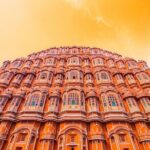
Old Delhi can feel like sensory overload. This 3 to 3.5 hour walk turns that chaos into a clear route, with street-food tastings and landmark stops around Chandni Chowk, plus a guided look at spices and faith. You also get a rickshaw ride and photo spots, not just sightseeing.
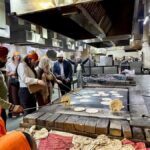
I especially liked the Sikh gurdwara stop at Gurudwara Sis Ganj Sahib, including its mega kitchen where 15,000+ people eat for free each day, and the way the guide explains what you’re eating and why, right before you try it. The Chandni Chowk market portion also makes the whole day feel practical, because you learn what to look for as you walk.
One thing to consider: this is a heavy-street, walk-through experience in a very busy area. If you hate crowds or prefer long sit-down meals, you might find the pace intense.
In This Review
- Key Things To Know Before You Go
- Getting Your Bearings at Lal Qila Metro
- Chandni Chowk Market: Where You Learn to Watch, Not Just Walk
- Red Fort to Faith Landmarks: Seeing Different Religions in One Street Loop
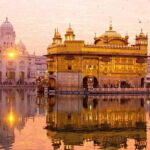
- Gurudwara Sis Ganj Sahib and the Mega Kitchen Moment
- Naughara: The Nine Houses Lane for Pictures With Personality
- Fatehpuri Mosque and the 370-Year-Old Landmark Feel
- Asia’s Largest Spice Market: Learn How Spices Become Daily Life
- The Secret Spice Mansion: When Shopping Gets Story-Driven
- Street Food Tastings: What You’ll Try and Why It’s Worth It
- Rickshaw Ride Through the Chaos
- Hindi Lessons and Money-Saving Tips That Actually Help
- Price and Value for 3 to 3.5 Hours in Old Delhi
- Who Should Book This Old Delhi Odyssey
- Should You Book It?
- FAQ
- FAQ
- How long does the Old Delhi Odyssey tour take?
- What’s the price per person?
- Where do we meet for the tour?
- What are the main stops on the route?
- What street food items are included in the tastings?
- Do I get a rickshaw ride?
- Is a mobile ticket used?
- Is free cancellation available?
Key Things To Know Before You Go
- Aman’s guide style that focuses on meaning, not just stops: you get context on rituals, ingredients, and history.
- A food-first plan with tried-and-tested street choices: you taste a set lineup instead of guessing from stalls.
- Gurudwara Sis Ganj Sahib’s free kitchen scale: 15,000+ meals served daily, and you see the operation side of it.
- Two mosque stops plus Hindu and Jain temple exteriors: faith landmarks are part of the route, not an afterthought.
- Asia’s largest spice market plus a secret spice mansion: you’ll see spices where they’re traded and stored.
- Rickshaw ride inside the market area: a fun reset when the streets feel like they’re moving faster than you.
Getting Your Bearings at Lal Qila Metro
The tour meets near Metro Station Lal Qila, by Netaji Subhash Marg, so you’re not locked into a remote pickup. From there, you’ll start walking into Old Delhi’s tighter lanes, with the guide acting like your filter for what to notice and what to ignore.
The time window is around 3 to 3.5 hours, which is long enough to feel like you did real exploring but short enough that you’re not stuck in transit all day. And the tour runs with a maximum group size of 100, so it should stay manageable even when the streets get packed.
If you’re the type who arrives hungry, this is a good match. The plan builds in food tastings at key moments, so you’re not waiting until the end to feel rewarded.
You can also read our reviews of more food & drink experiences in New Delhi

Chandni Chowk Market: Where You Learn to Watch, Not Just Walk
Your first big stop is Chandni Chowk, one of Old Delhi’s most famous market corridors. This area can be overwhelming on your own, mostly because everything is loud: smells, sounds, traffic, shoppers, and street vendors all at once.
With the guide, it becomes easier to follow. You’ll get pointers on what you’re seeing and why certain stalls matter, and you’ll also have time for photos while moving through the market flow. Even if you’re not shopping, it’s a masterclass in how a traditional bazaar operates day-to-day.
The route also includes a look at the Red Fort from outside. You won’t be going inside, but you’ll still get that anchor point in the landscape—useful for orienting yourself, so the rest of the faith and food stops feel connected rather than random.
Practical tip: bring comfortable shoes. Old Delhi market lanes are not built for slow strolling, and you’ll cover ground on foot.
Red Fort to Faith Landmarks: Seeing Different Religions in One Street Loop
One of the most distinctive parts of this experience is that it treats religion as lived space, not museum scenery. Instead of running past temples and worship areas, you’ll see exterior viewpoints of Jain and Hindu temples, then continue to major Sikh and Muslim sites.
This matters because Old Delhi’s identity isn’t only about food or shopping. It’s also about how communities share space, beliefs, and daily routines in the same urban neighborhood.
As you move from one landmark to the next, the guide’s job is to connect the dots: what you’re looking at, how the rituals work, and what makes each place special in its own way. That kind of explanation is the difference between taking a photo and actually understanding the moment.
Gurudwara Sis Ganj Sahib and the Mega Kitchen Moment
The highlight stop for many people is Gurudwara Sis Ganj Sahib (also known as Sikh temple / gurdwara). This is where the tour shifts from street-level chaos into something calmer and more structured.
You’ll see the complex and, importantly, you’ll get behind-the-scenes access related to the mega kitchen, where 15,000+ people eat for free every day. The scale is the point. It’s not a small community meal; it’s a daily system that keeps running.
What I like about this stop is how it reframes food. You’re not only tasting street snacks later. You’re also seeing food as service and community—prepared and shared as part of religious practice.
If you’re short on patience, this is still a good stop because it feels purposeful. The guide’s explanations of the space and rituals help you slow down and respect the place while you’re there.
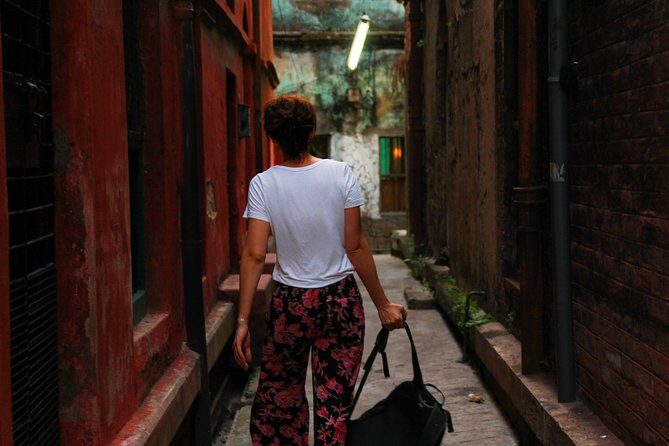
Naughara: The Nine Houses Lane for Pictures With Personality
Next comes Naughara, often called the nine houses lane. This is one of those Old Delhi photo moments where the setting feels more intentional than the average market street.
The appeal is simple: you get a stretch of architecture and alleyway angles that work well for photos, without needing a studio setup. It’s also a nice break from the densest parts of Chandni Chowk, giving you a chance to pause, frame shots, and catch your breath.
If you’re building an Instagram feed, this stop is exactly the kind of place you’ll appreciate. If you’re not into photos, it’s still useful because it slows the pace for a moment and helps you reset before the next major landmark and market segment.
A few more New Delhi tours and experiences worth a look



Fatehpuri Mosque and the 370-Year-Old Landmark Feel
The tour includes a visit to Fatehpuri Mosque, and it’s described as a 370-year-old major mosque in the area. You’ll see it as part of the walk, with the guide providing context so it doesn’t feel like you’re just ticking off another religious site.
Mosques in Old Delhi can look different from what you may expect depending on what you’ve seen elsewhere. Here, the value is in understanding the place within its neighborhood story—how the architecture and the ongoing community presence shape the streets around it.
This stop also reinforces the theme of the tour: Old Delhi is not one type of experience. It’s a layered city where different traditions coexist, and you get to see that layer by layer as you walk.
Asia’s Largest Spice Market: Learn How Spices Become Daily Life
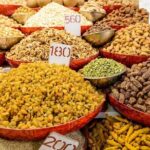
Then you shift into the big smell zone—Asia’s largest spice market. This is where you learn the practical side of spices. You’ll see spices displayed for sale, understand how they’re used, and get guidance on what you’re looking at.
The guide’s focus on ingredients and the reasoning behind flavors is the difference between staring at jars and actually understanding what’s in front of you. You’re also more likely to shop wisely later, because you’ll recognize categories and know what to ask about.
This stop is also great for sensory learners. If you remember smells better than facts, this is your moment.
The Secret Spice Mansion: When Shopping Gets Story-Driven
After the main market, you’ll visit a secret spice mansion. Even if you’re not shopping, this kind of stop is valuable because it adds a behind-the-curtain layer to spice culture.
Think of it as the bridge between everyday market stalls and the larger world of how spices are stored, handled, and valued. You’ll come away with more than memories—you’ll have a mental map of how spice trading works in this part of Delhi.
And yes, it helps with photos too, especially if you like dramatic doorways, old textures, and spice-colored backdrops.
Street Food Tastings: What You’ll Try and Why It’s Worth It
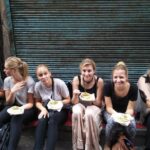
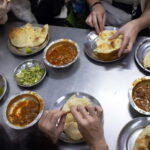
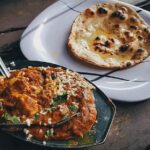
This tour is built around eating, but it’s eating with guardrails. You’ll taste samosa, jalebi, paratha or choley bhature, and chai—all part of a tried-and-tested street-food lineup.
The guide emphasizes history and ingredients, and that’s what makes this tasting section more useful than a random snack hunt. You’ll learn what’s in the food, what flavors to notice, and how Indian street snacks fit into daily life.
A few thoughts to keep you happy during the tastings:
- Start with curiosity. Each item has a different texture goal—crisp, syrupy, flaky, or comforting.
- Drink chai slowly. It’s part of the experience rhythm.
- If you have food sensitivities, ask. The tour is framed around ingredient safety and explanation, which gives you a chance to make informed choices.
This is also where the tour earns its price value: you’re not only buying food, you’re buying guidance that tells you what you’re eating and how to navigate stalls confidently afterward.
Rickshaw Ride Through the Chaos
You’ll also enjoy a rickshaw ride in the chaotic Old Delhi market area. I love this part because it’s a built-in reset. When you’ve been walking and scanning for a while, a short ride helps you process what you’ve already seen and saves energy for the last portion of the route.
It’s also a fun photo opportunity from a different angle. You’ll feel the neighborhood’s motion without needing to sprint across lanes.
If you’re someone who gets tired easily, this ride is a small but meaningful “thank you” from the plan.
Hindi Lessons and Money-Saving Tips That Actually Help
One of the more personal touches is that your guide will teach you Hindi—not in a textbook way, but in a practical, street-compatible way. You’ll also receive tips and recommendations on how to save money in India.
This is where the tour stops being only about food and becomes about competence. Knowing a few words helps when you’re ordering, asking questions, or dealing with everyday interactions. And having a strategy for spending helps you enjoy more of the trip without second-guessing every rupee.
The guide, Aman Sadh, is repeatedly described as warm and generous, with explanations that go beyond quick answers. That kind of guidance matters in Old Delhi, because it’s easy to feel lost if you don’t have someone sorting the noise for you.
Price and Value for 3 to 3.5 Hours in Old Delhi
At $30.13 per person for about 3 to 3.5 hours, the value is tied to three things: guidance, planned tastings, and access to faith/food context that’s hard to recreate solo.
If you were to try this area independently, you’d likely spend money anyway—on snacks, transportation, and random entry moments—while still missing the explanation that makes landmarks meaningful. Here, you’re paying for a structured route, the food lineup, and a guide who ties history, rituals, and ingredients together while you walk.
It’s not a full-day private driver-style experience. It’s more like: show up, follow the plan, eat well, and leave with real context.
Also, the tour uses a mobile ticket, which is convenient if you don’t want to manage paper tickets while you’re navigating the metro and crowded streets.
Who Should Book This Old Delhi Odyssey
This tour fits best if you want:
- a food-focused Old Delhi route with tastings and explanations
- major faith landmarks in one walking loop (Sikh gurdwara, mosque, plus Hindu/Jain exterior views)
- a spice-market experience where you learn what you’re smelling and buying
- a guide with a warm, story-driven approach—especially around rituals and food
Consider a different option if:
- you want long indoor stops and slow pacing
- you dislike market crowds or prefer fully guided, low-walking itineraries
- you’re only interested in one type of attraction (food only, or religion only)
Should You Book It?
I’d book Old Delhi Odyssey if you want your first Old Delhi day to feel organized and meaningful without feeling staged. The mix of street-food tastings, the Gurudwara Sis Ganj Sahib mega kitchen moment, the spice market, and the rickshaw ride gives you a rounded snapshot of the city in just a few hours.
The biggest reason to choose it: you won’t just pass through famous places—you’ll understand them in plain language, and you’ll know what to look for when you wander afterward.
FAQ
FAQ
How long does the Old Delhi Odyssey tour take?
The tour runs about 3 to 3.5 hours.
What’s the price per person?
The price is $30.13 per person.
Where do we meet for the tour?
The meeting point is Metro Station Lal Qila (1202, Netaji Subhash Marg), in the Lal Qila / Chandni Chowk area of New Delhi.
What are the main stops on the route?
You’ll visit Chandni Chowk market, see Red Fort from outside, go to Gurudwara Sis Ganj Sahib, visit Naughara (row of nine houses), and see Fatehpuri Mosque. The route also includes the spice market and a secret spice mansion.
What street food items are included in the tastings?
The tasting includes samosa, jalebi, paratha or choley bhature, and chai.
Do I get a rickshaw ride?
Yes, the experience includes a rickshaw ride in the old Delhi market area.
Is a mobile ticket used?
Yes, the tour provides a mobile ticket.
Is free cancellation available?
Yes. You can cancel up to 24 hours in advance for a full refund. If you cancel less than 24 hours before the start time, the amount paid is not refunded.