REVIEW · HIMACHAL PRADESH AND UTTARAKHAND
Nagtibba Trek (Pantwari to Pantwari)
Book on Viator →Operated by Kaushik's Cafe & Trek · Bookable on Viator
Sunrise on Nag Tibba starts at 3:30am. This is a beginner-friendly overnight trek in the Himalayas that still feels like a real mountain outing, with a professional guide and included meals the whole way. One thing to plan for: you’re sleeping in tents and you’ll be up early, so expect some chill and an alarm clock moment.
What makes it interesting is how the trip balances effort and comfort: a relaxed first evening at camp, hot tea and pakoda after your hike, then a calm summit run for sunrise and a decent descent the next morning. The group is capped at 16, so it doesn’t feel like a crowded bus trip, but it is still a shared trek experience.
In This Review
- Key Things That Make This Trek Worth It
- Pantwari to Nag Tibba in Two Days: What the Trek Actually Feels Like
- Day 1 in Motion: Forest Paths, Sunset Energy, and Camp Snacks
- The 3:30am Summit Push: How the Sunrise Plan Works
- Camp Setup and Included Gear: Tents, Mats, Bags, and Comfort Reality
- Food on the Trail: Why Meals Are the Real Win Here
- Guide Power: Sanjay bhaiya, Sanjay bhai, and Sardar ji
- Walking Notes for Beginners: Pace, Terrain, and Route Variety
- Price and Logistics: What You’re Paying For (and What You’re Not)
- Should You Book the Pantwari to Nag Tibba Overnight Trek?
- FAQ
- How long is the Nagtibba Trek from Pantwari to Pantwari?
- What’s included in the price?
- What time do you start for the summit?
- Do I need private transportation to the meeting point?
- How big is the group?
- Can I cancel for a full refund?
- What happens if the weather is poor?
Key Things That Make This Trek Worth It
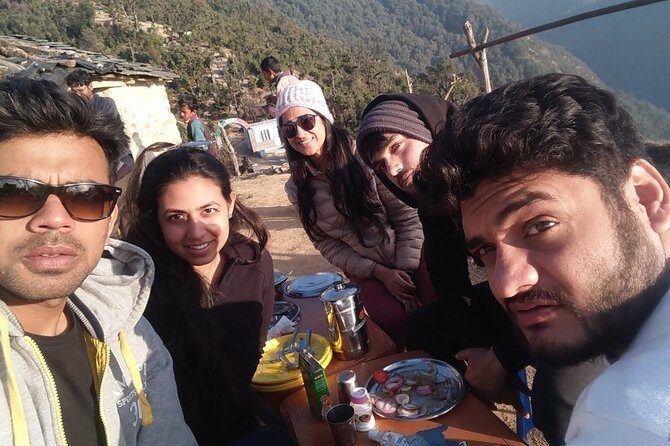
- Early-summit sunrise routine that starts around 3:30am, so you get the big payoff without a long multi-day trek
- All meals handled (two breakfasts, two lunches, dinner), which matters when you’re burning energy in the hills
- Tent camp basics included with sleeping mats and sleeping bags, so you’re not scrambling for gear
- Small group size (max 16) for a more manageable pace and easier guide attention
- Guide-led route choices through forests and fields, including quieter paths near streams/water
Pantwari to Nag Tibba in Two Days: What the Trek Actually Feels Like
This trek is designed for people who want Himalaya views without signing up for a week-long expedition. You’ll hike up from Pantwari to Nag Tibba, spend the night at a tent camp, and then go for the summit at dawn before heading back.
The big “feel” of the experience is pacing. Day 1 gives you time to build into it—walking, then settling at camp. Day 2 is shorter on the clock but sharper in intensity, because the summit attempt starts very early. If you can handle an early morning and some nighttime cold, you’ll probably enjoy this a lot.
Also: it’s not a private expedition. With up to 16 people, you’ll be moving as a group, taking breaks as the guide chooses, and sharing the camp setting.
You can also read our reviews of more hiking tours in Himachal Pradesh and Uttarakhand
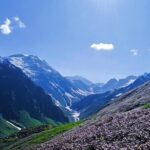
Day 1 in Motion: Forest Paths, Sunset Energy, and Camp Snacks
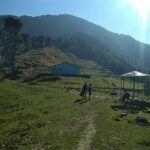
Your first day is about getting into trekking mode without turning it into a suffering contest. You’ll walk through forests and fields as you make your way up, and the route tends to use different paths—sometimes quieter ones that pass near streams or waterfalls.
Once you reach camp, the mood shifts fast. You retire to your tent, and then the evening has those “hill station” moments: sunset views, plus simple comfort food. You’re welcomed with hot tea and pakoda, and if you want something extra, there’s also piping hot Maggi available for a small add-on fee (INR 40 is mentioned).
This day is one of the best “value” parts of the trip because you’re not just surviving the trek. You’re actually getting a proper evening: food, warmth, and time to breathe before the early summit push.
The 3:30am Summit Push: How the Sunrise Plan Works
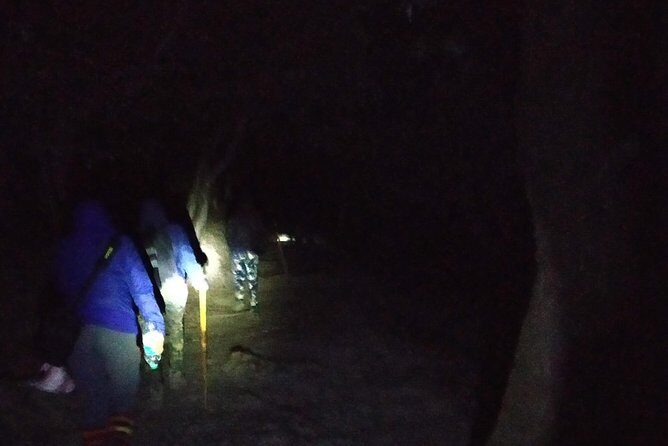
The next morning starts at 3:30am. That means you’ll need to treat the evening like prep time. When the wake-up comes, the program expects you to get ready quickly and head out for the summit.
On the way up, you’ll get fruit and biscuits, which is a smart move for early trekking because it’s easy to eat and doesn’t sit heavy in your stomach. The goal is to reach the summit, then take in the sunrise if you’re on time, followed by a bit of relaxing before you start back down.
Then comes the descent back toward your departure point, so your feet will still work, but you’re not repeating the same “uphill grind” you did the day before. Practically, this format is great for beginners who don’t want an all-day summit slog.
Camp Setup and Included Gear: Tents, Mats, Bags, and Comfort Reality
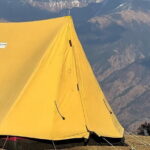
This is an overnight trek, but you’re not roughing it with zero support. Tent accommodation, plus sleeping mats and sleeping bags, is included. That’s a big deal for value because it removes a common headache for first-timers.
What to expect from the sleeping side of things: nights can get chilly, especially once the sun goes down after trekking. One tip you can take from the trip’s vibe is that the camp can build a fire if you want it—so plan to bundle up and be ready to warm your hands and settle in.
Pack for cold at night, even if the daytime feels warm. And bring layers you can peel on the way up and re-add after. This is one of those trips where the right clothing matters more than trying to bring the “perfect gear.”
Food on the Trail: Why Meals Are the Real Win Here
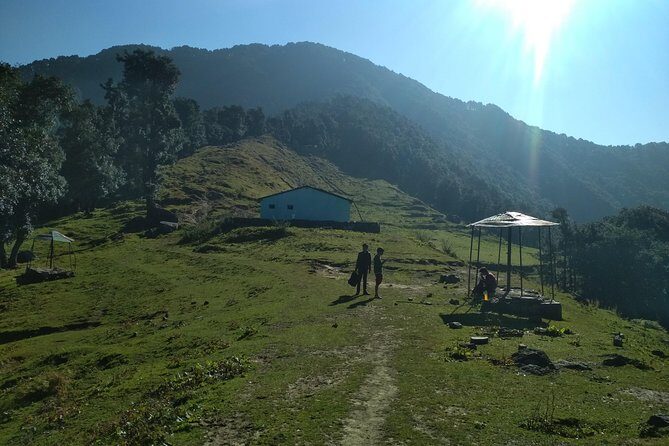
The meals are a standout part of this trek, and that’s exactly what you want on a beginner overnight. With breakfast twice, lunch twice, and dinner included, you don’t have to decide where to eat mid-walk or worry about finding food that fits your taste.
The food is described as fresh and home-cooked, and that matters when you’re hungry and tired. A trek is one part walking and one part recovery, and good meals make recovery happen.
Also, camp snacks and the little extras give the whole experience a warmer feel. That tea-and-pakoda welcome on Day 1 is more than a snack. It’s a morale boost right when your body is thinking about stopping.
If you’re the kind of traveler who expects decent food to be part of “adventure,” this trek gets it right.
Guide Power: Sanjay bhaiya, Sanjay bhai, and Sardar ji
A guided trek is only as good as its guide, and this one clearly puts effort into that. You’ll travel with a professional guide, and names like Sanjay bhaiya (also seen as Sanjay bhai/Sanjay sir in people’s comments) and Sardar ji come up repeatedly.
What you benefit from in real terms:
- Friendly, helpful guidance that keeps the trek feeling relaxed instead of stressful
- Informative explanations during the walk, especially for a first-trek experience
- A plan that handles the practical parts of overnight camp well
This matters because beginner treks often fail quietly when nobody manages pace, timing, or comfort. Here, the team seems focused on making the trek flow—and that makes the whole thing feel easier.
Walking Notes for Beginners: Pace, Terrain, and Route Variety
If you’re new to trekking, you’ll appreciate that this is marketed as a beginner-friendly overnight experience. Most people can participate, and the overall format is short enough that you don’t need long training.
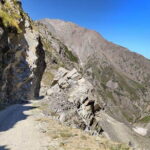
Terrain wise, expect a mix of trail types. The route goes through forests and open areas, and it uses different paths rather than forcing you onto the same monotonous track the whole time. There can be sections near water features (streams and waterfalls show up in people’s descriptions), which can make the walk feel more interesting.
Practical beginner advice:
- Keep your pace slightly slower than you think you should. The early summit day is the one that sneaks up on you.
- Bring trekking shoes or sturdy footwear you’ve used before. Slippery rocks can happen on mountain trails.
- If you’re worried about breathing, remember the early start means you’ll likely move steadier, not sprint.
Price and Logistics: What You’re Paying For (and What You’re Not)
At about $23.87 per person, this trek feels like strong value because it bundles the big costs that usually add up: guide support, meals, and overnight tent gear.
What’s not included is the part that often trips people up: private transportation. The meeting point is at NagTibba Trekking – Kaushik’s Cafe & Trek in Pantwari, and it’s also near public transportation, which should help you get there without needing an expensive transfer.
The format also includes a mobile ticket, which is convenient if you’re already traveling with your phone.
Group size is max 16, so you’re not getting a mega-tour feel. You’re also not signing up for total solitude. If you like meeting fellow travelers while still having guide attention, that sweet spot tends to work well.
One more small but important logistics note: service animals are allowed, so that’s a consideration if you travel with one.
Should You Book the Pantwari to Nag Tibba Overnight Trek?
I’d book this if you want a real Himalayan experience without committing to a long trek, and especially if you care about meals and basic comfort. The included sleeping bags and mats remove a lot of first-timer friction, and the tea-and-pakoda camp vibe plus the planned sunrise summit makes the two days feel like more than just a workout.
You might skip it if:
- You hate very early starts (3:30am is non-negotiable here)
- You’re not comfortable sleeping in tents in cold conditions
- You don’t want to handle getting yourself to the meeting point since private transportation isn’t included
If you’re a beginner and you’re okay with the early morning trade-off, this is the kind of trek that gives you a confident “I can do this” feeling. And if you end up loving it, you’ll know exactly what style of trekking you enjoy for your next trip.
FAQ
How long is the Nagtibba Trek from Pantwari to Pantwari?
It’s an approximately 2-day overnight trek.
What’s included in the price?
You get a professional guide, all meals (dinner, two lunches, and two breakfasts), and overnight tent accommodation with sleeping mats and sleeping bags.
What time do you start for the summit?
You wake up at about 3:30am to prepare for the summit hike.
Do I need private transportation to the meeting point?
Private transportation isn’t included. The start point is near public transportation, so you’ll need to arrange your own way to the meeting location.
How big is the group?
The trek has a maximum of 16 travelers.
Can I cancel for a full refund?
Yes. You can cancel up to 24 hours in advance for a full refund.
What happens if the weather is poor?
This trek requires good weather. If it’s canceled due to poor weather, you’ll be offered a different date or a full refund.