REVIEW · HIMACHAL PRADESH AND UTTARAKHAND
Himalayas: 10 Days Motorbike Tour To Sach Pass (North India)
Book on Viator →Operated by Motorbike Expeditions Ltd · Bookable on Viator
Sach Pass tests your grit. This 10-day Himachal and Uttarakhand motorbike tour is interesting because it mixes high-altitude riding with real stops in places like Dharmshala, Dalhousie, and Keylong. I also like the safety-first setup: helmets, an English-speaking road captain, a mechanic on the road, and even oxygen if needed. The one consideration is that the days are genuinely tough, weather-dependent, and you should be ready for offbeat, cold, sometimes cliff-and-gorge driving.
You’re not just chasing a pass. You’re working your way there step by step, with an acclimatization day in Manali and then a sequence of roads that gradually turn from scenic to serious. The trip runs with a small group size (max 25), and it includes a backup vehicle for luggage and the mechanic through Day 1 to Day 8, which makes the whole operation feel less chaotic when conditions get rough.
On the lodge side, the tone is practical and comfortable. You’ll be in hotels, camps, and guesthouses on double/triple sharing from Day 1 to Day 8, and breakfast plus dinner are included for 9 days. In at least some stays, the frontline team (like front desk staff Mr. Sushil and Neha Sharma) is specifically called out for making check-in and rooms run smoothly. Just keep in mind you’ll be using standard-size helmets that are not new, and your baggage is capped at 60 liters since you carry it to the backup vehicle and into your accommodation.
In This Review
- Key highlights that make this Sach Pass motorbike tour tick
- Entering the real Himalayas: what this 10-day Sach Pass route is about
- Price and value: what $4,816.94 includes (and what it doesn’t)
- Day 1: the overnight move into the mountains from Delhi/Chandigarh to Manali
- Day 2: Manali acclimatization and bike training-you-feel-it day
- Day 3: Dharmshala to McLeod Ganj, monasteries and café energy
- Day 4: Dalhousie, Khajjiar, and the build-up toward tougher roads
- Day 5: Dalhousie to Bairagarh is the first real test of nerves
- Day 6: Killar, the old shepherd route, and Saach Pass near 14,500 feet
- Day 7: Killar to Kishtwar round-trip, snow caves and glaciers
- Day 8: Keylong via Pangi, remote roads and unmetalled sections
- Day 9: Keylong back toward Manali, Tandi river confluence and meat chawal
- Day 10: wrap-up and the overnight drop back to Delhi
- Safety setup that’s more than paperwork
- Lodging, meals, and what your daily rhythm will feel like
- Who should book this Sach Pass motorbike tour
- Should you book this 10-day guided tour to Saach Pass?
- FAQ
- How long is the motorbike tour to Saach Pass?
- Where does the trip take place?
- What transportation is included?
- What kind of lodging is provided?
- Is there a mechanic or roadside support?
- What safety and medical items are included?
- Are helmets new?
- What about riding gear and extra protection?
- What should I know about cost and what’s not included?
Key highlights that make this Sach Pass motorbike tour tick
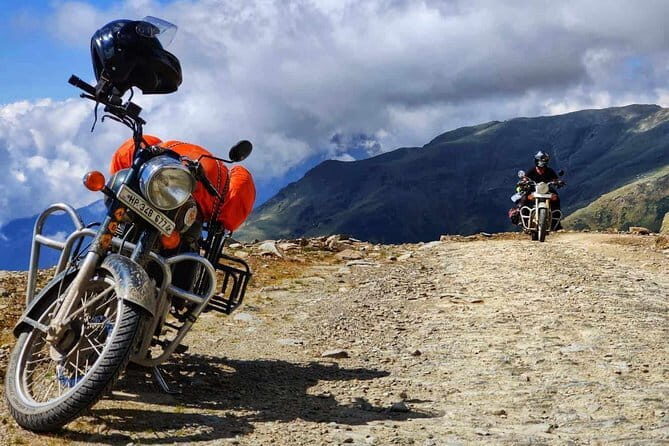
- Mechanic support on the road with a backup vehicle carrying luggage and the mechanic from Day 1 to Day 8
- Oxygen and first aid built into the trip, so you’re not scrambling if altitude or health issues pop up
- A full guided arc through Manali, Dharmshala, Dalhousie, Lahaul and Spiti, not just one dramatic day
- Saach Pass at about 14,500 feet plus the Killar–Kishtwar–Killar stretch known for extreme riding
- Small group format with a maximum of 25 people, which helps the pace feel controlled
- Meals and lodging included (breakfast and dinner for 9 days, plus accommodation through Day 8)
Entering the real Himalayas: what this 10-day Sach Pass route is about
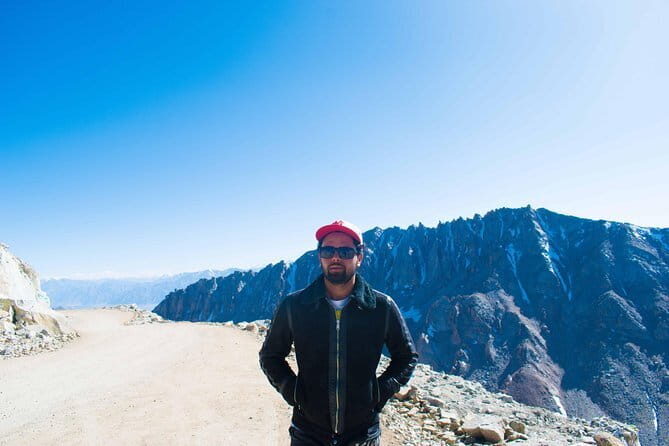
If you’re drawn to the idea of riding the Himalayas, this itinerary tells you up front what kind of trip it is: mountain driving that gets harder as you go. You start with acclimatization around Manali, then you head east toward Dharmshala and Dalhousie. After that, the route turns more remote and less forgiving, eventually clustering around the Saach Pass area and the Killar–Kishtwar stretch.
This matters for two reasons. First, you get time to understand how the bikes behave on real mountain roads rather than jumping straight into the hardest section. Second, you’re building your stamina across multiple days, so the days at higher altitude and poorer road conditions don’t feel like a sudden shock.
The second thing I like about this plan is that it’s not only about the pass as a photo moment. It uses a laddered approach: villages and hill stations first, then offbeat roads, then the dangerous sections, then a quieter push through Lahaul and Spiti. That rhythm is what keeps the experience from feeling like nonstop white-knuckle riding.
You can also read our reviews of more tours and experiences in Himachal Pradesh and Uttarakhand.
Price and value: what $4,816.94 includes (and what it doesn’t)
Let’s talk money in a way that helps you decide. At $4,816.94 per person, you’re not just paying for a driver and a map. Your cost covers a full guided motorbike operation with a team and logistics you usually pay extra for elsewhere.
Included items you should care about:
- Return Volvo bus tickets from Manali to Delhi/Chandigarh (and the overnight bus to start the trip from Delhi/Chandigarh to Manali is part of the plan)
- Accommodation on twin-sharing basis from Day 1 to Day 8 (hotels, camps, and guesthouses)
- A mechanic from Day 1 to Day 8 plus a backup vehicle to carry luggage and the mechanic
- Oxygen cylinder and first aid box
- Helmets for rider and pillion (standard size; used, not new)
- Breakfast (9) and dinner (9)
- Environmental and permit fees
- An experienced English-speaking road captain
What’s not included:
- Personal expenses, tips, laundry, and drinks
- Any insurance (medical, accidental, theft)
- Any airfare or rail fare beyond what’s already included
- Riding gear like knee pads and elbow guards (you can hire them for the whole trip)
- Costs for spare parts if damage happens while the bike is in your possession
- Parking and monument entry fees during sightseeing
- Extra accommodation or food if you’re delayed
So is it good value? For a trip this remote and difficult, the biggest cost drivers are the people and the safety logistics. A mechanic, oxygen, and a road captain aren’t “nice extras” here. They’re part of the structure that makes this kind of ride possible at all.
Day 1: the overnight move into the mountains from Delhi/Chandigarh to Manali
You start with an overnight Volvo bus from Delhi/Chandigarh to Manali. This is a smart way to gain altitude time without losing a whole day to transportation. It also means you should treat the first night like part of the trip prep, not like a comfy tourist interlude.
Practical tip: pack for sleep and cold. Even if Manali day temperatures vary, nights in the mountains can feel sharp, and you’ll want to arrive with enough energy to handle acclimatization the next day.
Day 2: Manali acclimatization and bike training-you-feel-it day
After you reach Manali, you meet the tour guide of Motorbike Expeditions. Then it’s check-in, a short rest, and a proper introduction to the bikes.
This day is not about ticking sightseeing boxes for the sake of it. It’s about learning the bike partnership. You’ll do major sightseeing points around Manali later, but the goal is clear: get your bearings at altitude and understand how the terrain behaves under your wheels.
Why this matters: mountain riding has its own rules. Even if you’ve ridden before, your body reacts differently at higher elevation, and roads can change quickly from smooth tarmac to harsher surfaces. An acclimatization day is one of those unglamorous things that separates a manageable trip from a stressful one.
Day 3: Dharmshala to McLeod Ganj, monasteries and café energy
You ride toward Dharmshala, described as the little Lhasa of India because of its Buddhist connection and Dalai Lama presence. The stop focuses on Tibetan-style architecture and monasteries, which gives the day a calmer, more cultural start before you shift gears.
Later, you continue to McLeodgunj, close to Dharmshala, known for cafés and nightlife. This combo works well: you get monastery sights in the day, then you end with a more relaxed town vibe.
The downside: you may feel like you’re switching from quiet contemplation to street-level energy. That’s not bad, but it can make the day feel mentally jumpy if you’re tired from altitude and the riding so far.
Day 4: Dalhousie, Khajjiar, and the build-up toward tougher roads
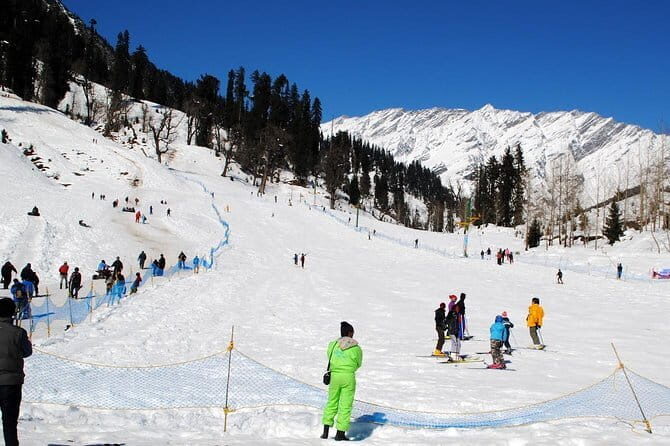
From Dharmshala you head to Dalhousie, named after Lord Dalhousie (British Governor-general in India from 1848 to 1856). The drive is described as scenic and fairy-tale-like, about 5–6 hours, moving north toward the inner Himalayan zones.
A key highlight here is crossing Khajjiar, often called mini Switzerland of India. Even if you’ve seen photos before, it’s the kind of place where the scenery and grazing hills make you feel like you’re at the edge of something remote.
Then the itinerary turns its attention to the next phase: Bairagarh, where the road conditions shift from “pretty ride” to “pay attention every second.”
Day 5: Dalhousie to Bairagarh is the first real test of nerves
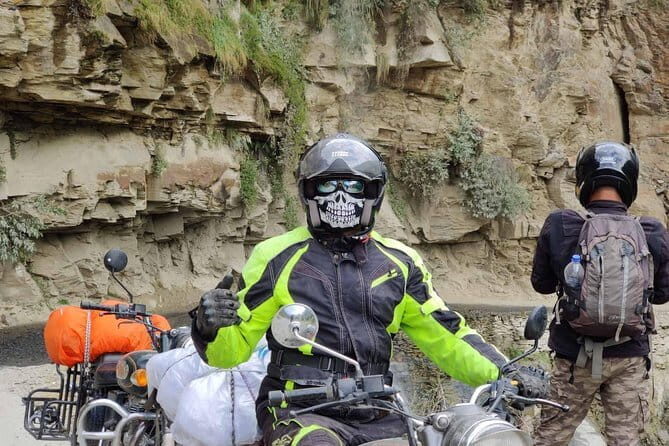
Day 5 is where the itinerary starts to earn its reputation. You travel toward Bairagarh with a long, difficult 119 km ride that’s described as tough terrain, with freezing temperatures and offbeat conditions.
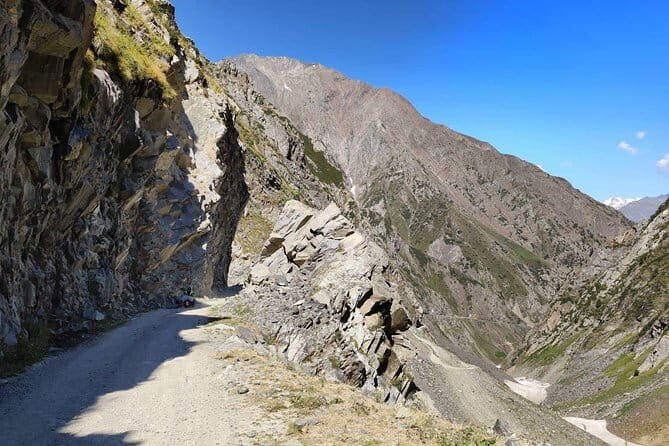
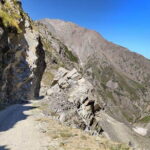
The route is described with real danger markers: unstable overhanging cliffs on one side and a steep gorge on the other. That doesn’t mean it’s chaos. It means you need a calm approach, patience, and attention.
Who this day is for: people who understand that “adventure” also means disciplined riding. If you’re inexperienced, this is not the stretch to learn confidence on.
Day 6: Killar, the old shepherd route, and Saach Pass near 14,500 feet
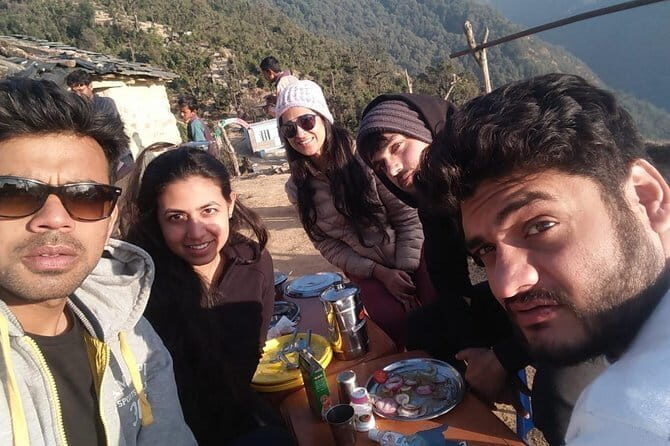
After breakfast, you ride toward Killar. This village is tied to nomadic life and an old shepherd route connecting Chamba district to Lahaul Spiti district. That context gives the day more meaning than just “we’re passing through.”
The crucial part is the mention of the Saach Pass area at about 14,500 feet. Your ride from Bairagarh to Killar takes around 3 hours, which means it can feel short on paper, but it’s framed as intense. This is one of those days where the real experience is altitude and exposure more than distance.
I’d treat this day as an energy-management exercise. Don’t sprint mentally. Slow down your decision-making, keep breathing steady, and trust the road captain’s pace and guidance.
Day 7: Killar to Kishtwar round-trip, snow caves and glaciers
Day 7 is a long day: about 6–7 hours, riding out to Kishtwar and returning by evening. The stretch is described as the Killar–Kishtwar–Killar road, often referred to as one of the most dangerous roads for motorcyclists.
The itinerary also adds a visual anchor: snow caves and huge glaciers surrounding the road. Even if conditions change from year to year, the point is that this is a serious mountain corridor.
If your main goal is Saach Pass itself, this day may feel like a bonus on top of your big day. But it’s also part of why this route is considered special. You’re not just riding the headline pass; you’re riding in the surrounding region that riders talk about when they want extreme mountain credibility.
Day 8: Keylong via Pangi, remote roads and unmetalled sections
Now you head toward Lahaul and Spiti, reaching Keylong, with Pangi as the intermediate stop. The Pangi valley is described as serene and tribal, a calmer place to feel the “real Himalayan vibes and culture.”
Road conditions are part of the challenge. The itinerary notes offbeat and unmetalled roads from Killar to Keylong via Pangi, plus a tougher ride for both riders and pillions. You’ll have chances to stop for tea or snacks in the Pangi stretch, which helps break up the mental strain.
What you gain on this day is isolation. The area is described as surrounded by huge snowcapped mountains with very little vegetation, so the route can feel exposed, wide, and raw.
Day 9: Keylong back toward Manali, Tandi river confluence and meat chawal
Day 9 is the return arc. You ride from Keylong to Manali, and the “sweet spot” stop is Khokasar (about 80 km from Keylong).
On the way, you cross Tandi, described as a sacred Hindu spot and a sangam point for rivers Chandra and Bhaga. This is one of those moments where the day slows down for a short stop. The focus is on the convergence of two sacred rivers, which adds a spiritual stop to a long driving day.
You also reach Khoksar, a tribal village known for Meat Chawal. It’s specifically framed as a “rejuvenation” meal so you can tackle Rohtang Pass next.
This is a day where food timing matters. If you’re prone to getting lightheaded on long rides, don’t treat the meal as optional. It’s part of your energy plan.
Day 10: wrap-up and the overnight drop back to Delhi
The final day is a farewell and then an overnight 12-hour journey back to Delhi via the bus route. It ends back at the meeting point.
Mentally, this is when the trip’s energy shifts from riding mode to reflection mode. If you’re anything like most people who do big passes, you’ll likely remember the sensations first: altitude, cold air, the sound and feel of the road under the bike, and the teamwork that keeps everything moving.
Safety setup that’s more than paperwork
This is a tour where safety details aren’t marketing fluff. Here’s what’s explicitly included, and why it matters on an extreme route:
- Helmets for rider and pillion (standard size; used, not new). This at least standardizes fit, though you might still want to check your comfort before leaving each stop.
- Oxygen cylinder and first aid box. Altitude can hit fast, and having oxygen as needed changes the risk equation.
- English-speaking road captain. Communication reduces mistakes. It also helps with pacing.
- One motorbike mechanic from Day 1 to Day 8. If something goes wrong, speed of response matters.
- Backup vehicle with luggage and the mechanic. It keeps you from losing the whole day over small problems.
One more thing: the itinerary itself warns that Saach Pass should be planned with proper experience and touring company if you’re inexperienced. Treat that as a serious cue. This is not a casual motorcycle road trip.
Lodging, meals, and what your daily rhythm will feel like
From Day 1 to Day 8, you sleep in a mix of hotels, camps, and guesthouses, using double/triple sharing on a twin-sharing basis. It’s not trying to be a five-star resort circuit. It’s designed for recovery and practicality.
Breakfast and dinner are included for 9 days. That’s a big deal on routes where your food options may be limited or inconsistent. You can focus on riding and sleep instead of searching menus.
Also pay attention to baggage limits. The trip advises a maximum baggage size of 60 liters, and the reason is simple: you carry your luggage to the backup vehicle and into accommodation. Bring only what you’ll actually use in cold and riding-adjacent conditions.
Who should book this Sach Pass motorbike tour
This one fits best if you:
- Want a guided motorbike ride with a mechanic and road captain in place
- Are okay with long drives and remote roads
- Have moderate physical fitness and you’re ready for cold, altitude, and exposure
- Prefer an organized adventure where lodging and most meals are handled
It may not fit you if:
- You’re looking for a relaxed vacation with lots of downtime
- You want brand-new helmet gear and luxury stays
- You’re not comfortable with the idea of extreme road stretches like the Killar–Kishtwar–Killar route
- You rely on full insurance coverage, since insurance isn’t included here
Should you book this 10-day guided tour to Saach Pass?
If your goal is a serious motorbike run through Himachal Pradesh and into Lahaul and Spiti, this tour has the structure you want: team support, oxygen and first aid, and a mechanic and backup vehicle during the hardest days. Add the fact that it strings together Manali, Dharmshala, Dalhousie, Khajjiar, Killar, Keylong, and the return via Khoksar and Rohtang, and you get a full circuit rather than one isolated day.
I’d say book it if you’re excited by extreme mountain roads and you can handle cold and altitude with a calm head. Pass if you need a soft landing, or if you want to ignore safety realities.
FAQ
How long is the motorbike tour to Saach Pass?
It’s approximately 10 days.
Where does the trip take place?
In Himachal Pradesh and Uttarakhand, India, including Manali, Dharmshala, Dalhousie, Lahaul and Spiti, and the Saach Pass region.
What transportation is included?
You get return Volvo bus tickets from Manali to Delhi/Chandigarh, and the trip starts with an overnight bus from Delhi/Chandigarh to Manali and ends with an overnight journey back to Delhi.
What kind of lodging is provided?
Accommodation is included in hotels, camps, and guesthouses on double/triple sharing from Day 1 to Day 8. You’ll be on a twin-sharing basis.
Is there a mechanic or roadside support?
Yes. The tour includes one motorbike mechanic from Day 1 to Day 8, plus a backup vehicle carrying luggage and the mechanic during that period.
What safety and medical items are included?
You’ll have helmets for rider and pillion, a first aid box, and an oxygen cylinder (as needed). The tour also includes an experienced English-speaking road captain.
Are helmets new?
Helmets are standard size and used, not new, for rider and pillion rides from Day 1 to Day 8.
What about riding gear and extra protection?
Knee pads and elbow guards can be hired for Rs. 750 for the whole trip. Other personal riding gear is not listed as included.
What should I know about cost and what’s not included?
Breakfast and dinner are included (9 breakfasts and 9 dinners), along with lodging and permits/environmental fees. Personal expenses, tips, insurance, airfare/rail beyond what’s included, and spare-part costs from accidental damage while the bike is in your possession are not included.