REVIEW · HIMACHAL PRADESH AND UTTARAKHAND
7-Day Kuari Pass Trek
Book on Viator →Operated by Mapping The Himalayas · Bookable on Viator
Kuari Pass rewards early mornings. This 7-day trek in Himachal Pradesh and Uttarakhand takes you along the outer wall of the Nanda Devi Sanctuary, then up to Kuari Pass at 4265m for big Himalayan views. I like the mix of forest walking and village culture, and I also like the practical support here, since tents, sleeping bags, trekking poles, and head torches are included. One thing to consider: the route has a few steep, loose-moraine moments where you’ll want to use your poles and keep your energy steady.
The route is built around real geography—ridges, passes, and river systems—so every day feels like a clear step forward rather than one long slog. You’ll start with river confluence towns along the way to the trail, then shift into high-meadow panoramas at Gorson before finishing with a drive to Rishikesh. If you like quiet views, local life, and a trek that feels authentic (not a theme park), you’re in the right place.
In This Review
- Key things I’d plan around on this Kuari Pass trek
- Why Kuari Pass feels different from the usual Himalayan treks
- Getting to Ghat: confluences, river towns, and a calm start
- Selu Bagar to Vinayak Pass: village jeeps, ridges, and a temple-marked high point
- Jhinjhi and the Birahi Ganga suspension bridge: where the valley story turns
- Sartoli pasture to the steep descent: trekking poles are not optional here
- Pass morning to Dronagiri views: the best switchbacks of the whole trek
- Gorson meadows to Auli and Joshimath: easier walking, big altitude payoff
- From Joshimath to Rudraprayag and Rishikesh: ending with river drama
- Price and value: what you pay for and what to plan around
- What to expect on the ground: group size, fitness, and real pacing
- Packing advice that matches this route
- The people side: hospitality and feeling safe in a high-altitude environment
- Should you book the 7-Day Kuari Pass Trek with Mapping The Himalayas?
- FAQ
- What level of fitness do I need for the Kuari Pass trek?
- What altitude will I reach on this trek?
- Is transportation included?
- Are meals included?
- What trekking gear is included?
- Where does the trek finish?
- Is travel insurance included?
- Is the trek private?
- Are there any animals allowed with the group?
- What happens if weather is poor?
Key things I’d plan around on this Kuari Pass trek
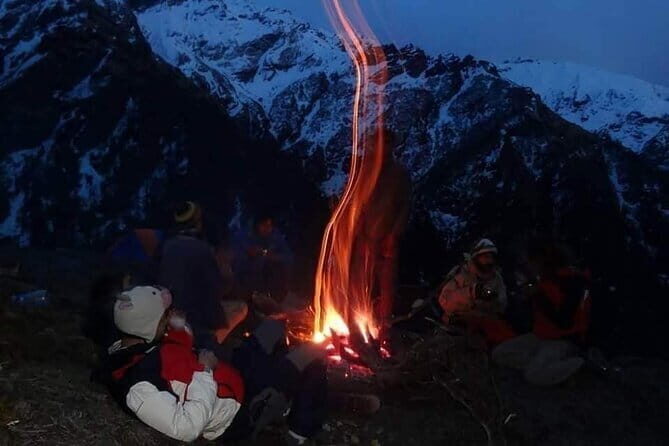
- Kuari Pass at 4265m: early start for the best visibility and photo time.
- Forest-to-meadow rhythm: rhododendron woods, pasture grasslands, and open ridges.
- Loose moraine on day 4: trekking poles matter on the steep descent.
- Suspension bridge day: a real river-crossing moment over Birahi Ganga.
- A village-meets-alpine finish: Gorson to Auli area, then a jeep transfer to Joshimath and onward to Rishikesh.
Why Kuari Pass feels different from the usual Himalayan treks
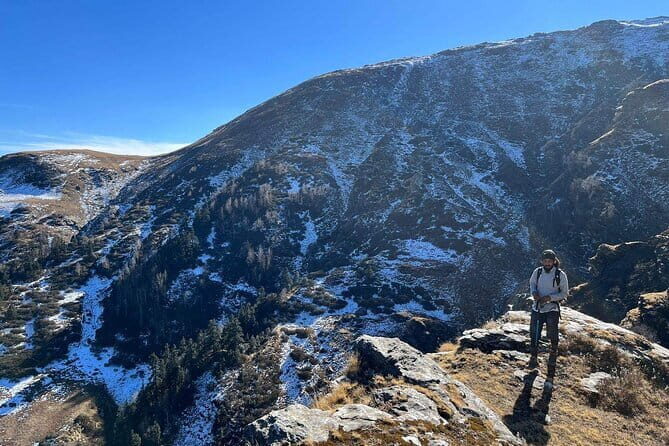
Kuari Pass sits at the center of some serious scenery: you’re close to the Nanda Devi Sanctuary region, and you’re walking through areas where peaks like Nanda Devi, Hathi Ghodi, and Dronagiri show up in the bigger picture. What I like about this trek style is that it doesn’t just throw you onto a pass and call it a day. You also get long stretches of ridge and meadow walking, plus glimpses of how people live in these valleys.
Another strong reason to pick this route is the variety of environments in a short time. You’ll move from confluence towns to Himalayan villages, then to rhododendron forest, and finally to higher, more open terrain where the sky feels close. Even if you’re not chasing the hardest trails, you still get the feeling of entering a high-altitude world for real.
A practical note: it’s designed for moderate fitness. That doesn’t mean it’s easy. You should expect some steep uphill segments and some rocky or uneven sections where footing matters.
You can also read our reviews of more hiking tours in Himachal Pradesh and Uttarakhand
Getting to Ghat: confluences, river towns, and a calm start
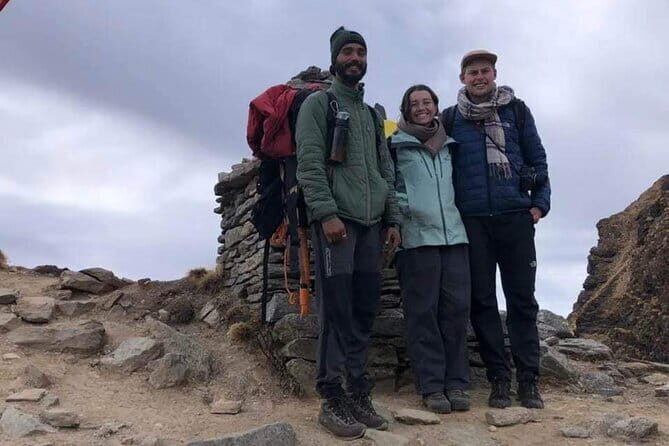
Day 1 is about transit and orientation. You travel toward Ghat, passing through several Garhwal confluence towns: Devprayag, Rudraprayag, Karnprayag, and Nandprayag. These places matter on this route because they remind you that the Himalayas are not just peaks. They’re also rivers, settlements, and cultural meeting points.
Ghat is described as a sizable village with schools, government offices, and a marketplace serving surrounding villages. Translation for you: you’re not landing in a ghost-town staging area. You’ll likely find enough daily life around you to make the trek feel grounded.
If you’re prone to getting restless on travel days, this is a good kind of first day. You’re not hiking all day yet. You’re getting set up and letting your body settle into the rhythm of the journey.
Selu Bagar to Vinayak Pass: village jeeps, ridges, and a temple-marked high point
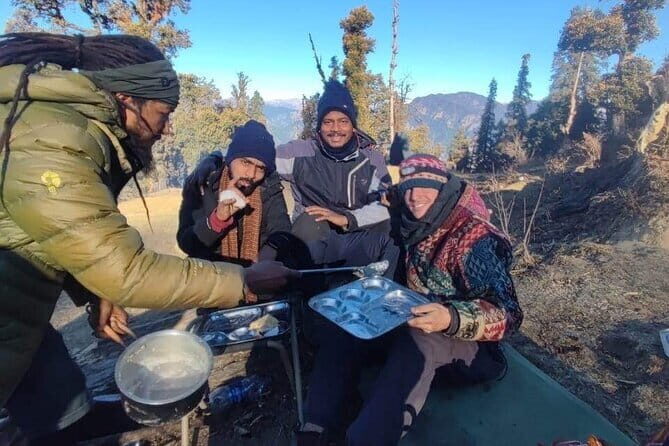
On Day 2, the day starts with a walk from Selu Bagar and quickly turns into a cultural trek. There are small village shops and a few shacks, but the main point is movement through human-scale landscapes. Then you board a typical village jeep to connect with ponies and porters, which helps keep the experience focused on your hiking rather than logistics.
The trail rises toward a ridge with wide views over Ramni and Ghunni villages. After that, you reach an open meadow with views of Nanda Ghunti and Chaukhamba peaks. This is the kind of moment where the trek earns its reputation: you get altitude, you get perspective, and you’re not just staring at trees.
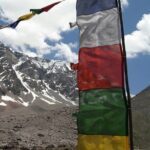
Later, the route flows through rhododendron forest, pasture grasslands, and nomadic huts. Then comes a steady climb toward Vinayak Pass, marked by a Ganesha temple and prayer flags. In practical terms, this pass marker makes navigation easier too. You also get a view spread of the surrounding Himalayas before descending through Sem Kharak to Jhinjhi.
If you like “soft adventure”—walking through different micro-worlds rather than purely technical hiking—this is one of the most satisfying days.
Jhinjhi and the Birahi Ganga suspension bridge: where the valley story turns
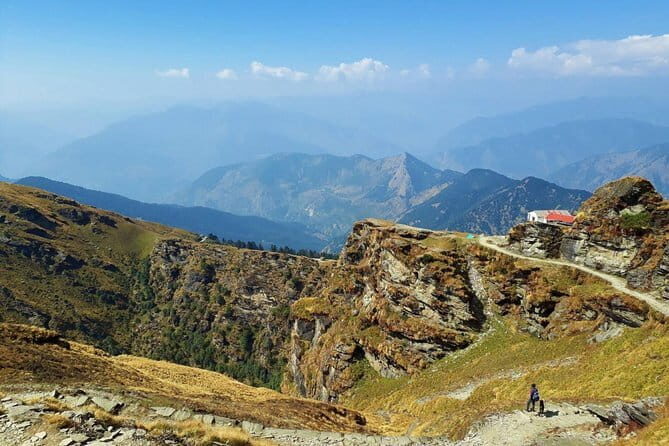
Day 3 has a strong sense of place. The walk begins with the local village rhythm of Jhinjhi, then gradually drops toward the valley floor. A highlight here is the crossing of a high suspension bridge over river Birahi Ganga. Even if you’ve done bridges before, this one tends to feel memorable because it’s a functional crossing in a remote area, not just a sightseeing photo stop.
After the bridge, the route moves to the true right of the valley, and you start a steep climb with zigzags. You’ll likely feel the day’s work in your legs, including some false summits along the way. It’s not unusual to think you’re almost there and then realize you’re not. The good news is that the viewpoints keep helping your morale.
Once you reach the ridge, the walking becomes more gradual and passes through rhododendron forest. You’ll then go past Kaliagad to the settlement at Pana, and the day ends with a final ascent of less than a kilometer to your campsite above the village.
Consideration for you: this day has the most “effort vs reward” feel. If you pace slowly and take breaks for photos, it stays enjoyable. If you push too hard early, you’ll arrive at the campsite tired.
Sartoli pasture to the steep descent: trekking poles are not optional here
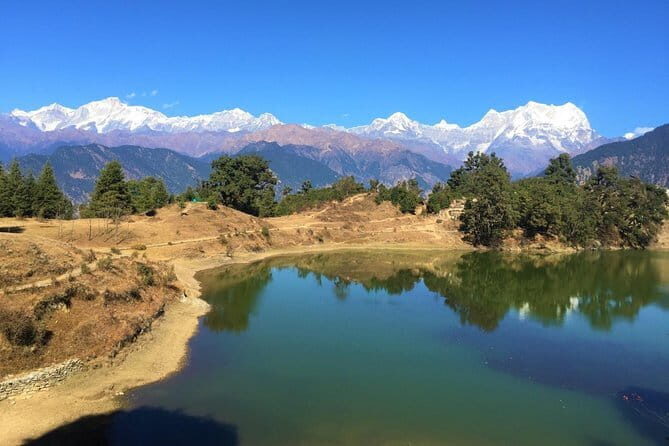
Day 4 starts above the Pana campsite with a trail through rhododendrons and a couple of fall summits before reaching a ridge. From there, the route continues gradually into an open meadow called Sartoli, which serves as both a camping site and pasture land for sheep and cattle.
Sartoli is ideal if you want your Kuari Pass view before the main day. This is one of those “look at it, then hike toward it” setups that makes the upcoming pass feel real instead of imaginary.
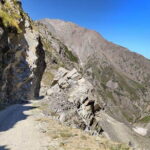
Then the tough part comes. The trail descends gradually for a couple of kilometers, but later the descent to a side stream becomes very steep with loose moraine. That’s the moment where the trekking poles matter, and the trek description specifically notes their required use. If you forget poles at home, you’ll feel it immediately. Keep your hands ready and your steps deliberate.
Cross the side stream, then start a steep climb with switchbacks to reach the ridge top. This is the day’s shaping period: it turns you from “walking around” into “earning your pass.”
Pass morning to Dronagiri views: the best switchbacks of the whole trek
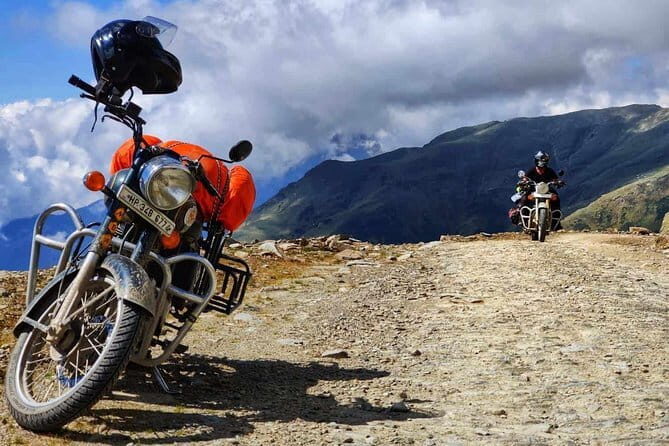
Day 5 is all about timing. You start early to see the pass with the best chance of visibility. The trail from Dhakwani climbs through forest until you reach the tree line. After that, you traverse left under the pass, then follow switchbacks that carry you straight toward Kuari Pass.
And yes, the view is the whole point. You get a strong sense of the greater Himalayas spreading out around you, and you’ll want time for photos. The trek describes the experience as stunning and specifically encourages taking your time at the pass.
From the pass, the route slightly ascends to a hump, where you get an excellent view of Dronagiri Peak. Then you descend toward a point where there’s a bifurcation for Tapovan and Tali, and you continue to Tali. The next part leads to a ridge with a temple, giving the area a familiar human marker even after high-altitude walking.
This is also a day where you should manage energy. Early starts can make people go too hard too soon. Treat it like a steady climb, not a sprint.
Gorson meadows to Auli and Joshimath: easier walking, big altitude payoff
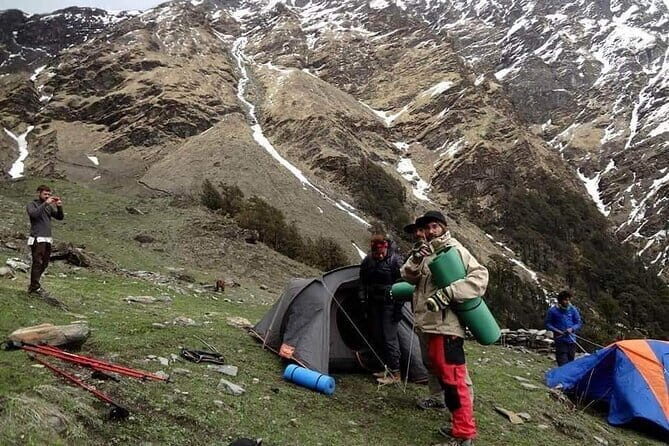
Day 6 starts with a “morning at ease” vibe. The trail from Tali climbs gradually across a mountain ridge. It’s narrow in places and requires cautious walking until you reach Gorson meadows.
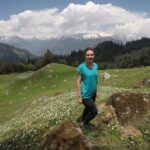
Gorson meadows are where the trek shifts from effort into motion that feels more like exploring a wide open bowl of mountain air. The crossing is described as fun, and you’re surrounded by Himalayas in every direction. Nanda Devi is called out as the dominating peak, so if you’re here for that specific iconic outline, this is one of your best chances.
After walking through the meadow area, you’ll spot man-made concrete structures from a distance marking the village of Auli. Then it’s a turning point: you say goodbye to the ponies and porters and board a jeep to Joshimath, a 13 km drive.
Practical value here: the jeep transfer helps you finish the trek without ending in total exhaustion. Joshimath is described as a lively marketplace that supplies nearby villages. In plain terms, it’s a good place to eat, recover, and do last-minute resupply if you need it.
From Joshimath to Rudraprayag and Rishikesh: ending with river drama
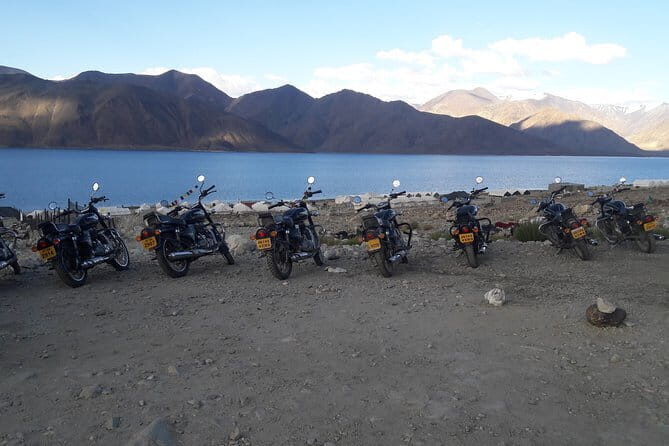
Day 7 is your travel-out day with sightseeing built in. You drive early to Rishikesh, and on the way you visit Rudraprayag, where rivers Mandakini and Alaknanda meet. Lunch is included en route.
Arrive in Rishikesh by evening. This final day matters because it lets you come back down from altitude without suddenly going from mountains to airport-level chaos. You get time to stretch, shower, and reset your senses after several days of thin air and constant motion.
If you want your trek to feel like a complete arc—climb, pass, meadows, then return to everyday life—this finish fits well.
Price and value: what you pay for and what to plan around
At $1,188.21 per person for a 7-day trek, the big value story is support plus equipment. The price includes private transportation, all fees and taxes, and essential trekking gear like trekking tents, sleeping bags, trekking poles, and head torches. That’s not a small thing in the Himalayas, where renting or scrambling for gear last-minute can waste energy and money.
Food is also partially covered: breakfast (7), lunch (7), and dinner (6). Those calories and consistent meals help you keep your pace without constantly thinking about where your next stop will be.
The one clearly missing piece is insurance, which is not included. If you’re booking a mountain trek, you should treat travel insurance as a non-negotiable part of your plan, not an optional add-on.
What to expect on the ground: group size, fitness, and real pacing
This is a private tour/activity, meaning only your group participates. That can be a comfort factor if you want smoother timing and less “traffic jam” pressure on the trail.
Your fitness level should be moderate, based on the tour’s guidance. You’ll likely need to handle steep climbs and at least one sharp, loose-moraine descent where trekking poles are required. Altitude also matters: Kuari Pass is at 4265m, so even if the hikes are manageable, your body will still feel it.
My practical tip: plan your pace to avoid a fuel-empty feeling on the pass day. Early morning climbs reward slow and steady more than fast bursts.
Packing advice that matches this route
The trek includes trekking tents, sleeping bags, trekking poles, and head torches, so you can travel lighter than some self-supported hikes. Still, you should bring what keeps you comfortable through cold mornings and changing conditions at altitude.
I’d focus on:
- Layers for early starts and cooler ridges
- Footwear with solid grip for uneven trails and steep downhills
- A system for keeping essentials easy to reach (you’ll want water, snacks, and photo gear without stopping for long rummages)
- Using trekking poles during the steep loose moraine section on day 4
Also, service animals are allowed, and the trek is near public transportation. That won’t matter to most people, but it’s a useful detail if you’re planning for special needs.
The people side: hospitality and feeling safe in a high-altitude environment
The feedback provided for this trek repeatedly connects three things: excellent hospitality, delicious food, and a sense of being taken care of. One comment specifically praises the team’s safety mindset and care, and another highlights how conversations in the mountain setting can become the memory you carry home.
That matters because a pass trek is not just about views. It’s also about how you’re treated when the weather shifts, the altitude feels demanding, or you’re tired and want reassurance.
If you value kindness, good meals, and a team that runs the trek smoothly, this provider seems to hit the mark.
Should you book the 7-Day Kuari Pass Trek with Mapping The Himalayas?
Book it if you want a real Himalayan pass experience: rhododendron forests, village life, a suspension bridge moment, and a true high point at 4265m with major peaks in view. You’ll also like it if you appreciate practical support—sleeping gear, poles, tents, head torches, and most meals handled for you.
Skip it or think carefully if you’re very sensitive to altitude or if you don’t want to deal with steep descents and rocky footing. The day 4 moraine section is a clear signal: this trek still expects you to be an active hiker.
If you’re deciding between “choose a pass trek” and “choose an easier hike,” this one sits closer to the pass side. The payoff is that Kuari Pass and the surrounding peaks don’t feel like a quick stop—they feel like a core part of the journey.
FAQ
What level of fitness do I need for the Kuari Pass trek?
The trek description calls for moderate physical fitness. You should be comfortable with steep climbs, uneven terrain, and at least one steep loose-moraine descent where trekking poles are required.
What altitude will I reach on this trek?
Kuari Pass is at an altitude of 4265m.
Is transportation included?
Yes. The trek includes private transportation, and it also includes jeep drives during the route (such as to Joshimath and then onward to Rishikesh).
Are meals included?
Breakfast and lunch are included for 7 days, and dinner is included for 6 days.
What trekking gear is included?
Included gear covers trekking tents, sleeping bags, trekking poles, and head torch.
Where does the trek finish?
You finish in Rishikesh after an early drive. On the way, you visit Rudraprayag and have lunch en route.
Is travel insurance included?
No. The tour data lists insurance as not included.
Is the trek private?
Yes. It’s described as a private tour/activity, so only your group participates.
Are there any animals allowed with the group?
Service animals are allowed according to the additional info.
What happens if weather is poor?
The experience requires good weather. If it’s canceled due to poor weather, you’ll be offered a different date or a full refund.