REVIEW · HIMACHAL PRADESH AND UTTARAKHAND
Dayara Bugyal and Surya Top Trek
Book on Viator →Operated by Himalayan Dream Treks · Bookable on Viator
Big views start early at Dayara Bugyal. This 4-day trek in Uttarakhand takes you to Dayara Bugyal at around 3,500m, with sweeping sightlines toward peaks like Bandarpoonch and Black Peak. Surya Top is just ahead in the same overall region, so you’re chasing those classic Himalayan “high meadow” viewpoints on the way.
I love two things most: the package handles the hard parts, and the trip actually feels smooth day to day. You get included gear (sleeping bag, mattress, tent, and spikes if needed), plus permits and a first-aid kit, so you’re not guessing what’s missing. And the human touch matters here: guides such as Ritik, Sunil, and Bipin Negi are repeatedly praised for keeping the climb organized and the mood calm, even when the weather changes.
One drawback to plan for: conditions matter. The higher meadows and exposed viewpoints can bring cold wind and a final steep climb, so it helps to be ready for slower steps and changing skies.
In This Review
- Key highlights to know before you go
- Dayara Bugyal and Surya Top: a meadow trek with real payoff
- The 7:00am Dehradun start: your road trip through the Bhagirathi River valley
- Day 1 stop: Raithal and the Rajneelam rest stop
- Raithal night: homestay rest that actually helps your climb
- Day 2 to Gui Main Campsite: breakfast, forest trails, and a Dayara entry photo
- Camping at Gui: tents are part of the deal
- Day 3 to Dayara Top: the 12km round trip and the final steep push
- How Surya Top fits in your mindset
- Day 4: Gui back to Raithal with a 5km descent
- Guides, permits, and gear: why this package is more than transport
- The team effect: names you’ll likely hear in support
- Gear included (and a fee to think about)
- Food on trek: what keeps you hiking when views aren’t enough
- The taste of the region at Raithal
- Price and value: is $136.18 reasonable for 4 days?
- Who should book this trek, and who should be careful
- Best seasons: wildflowers in summer, snow trekking in winter
- Should you book Dayara Bugyal and Surya Top Trek?
- FAQ
- How long is the Dayara Bugyal and Surya Top trek?
- Where does the trek start and what time?
- What’s included in accommodation?
- What meals are included?
- Do I need to arrange permits?
- What trekking gear do I get?
- Is the trek suitable for beginners and families?
- What is the cancellation window?
Key highlights to know before you go
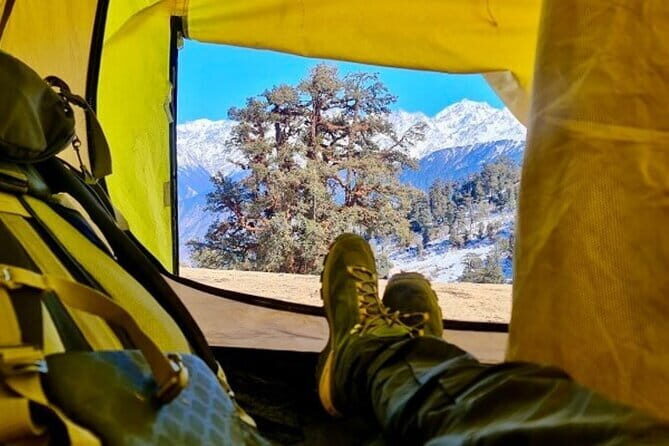
- Dayara Bugyal at ~3,500m with big 360-degree views from the top
- Surya Top is close by, so you’re in the right zone for sunrise-style mountain light
- Gui campsite nights in provided tents, not hard-to-solve “camping logistics”
- Permits included, which keeps you from running around for paperwork
- Small group size (max 20) for a pace that stays manageable
- Guides often mentioned by name like Ritik, Sunil, and Bipin Negi for steady support
Dayara Bugyal and Surya Top: a meadow trek with real payoff
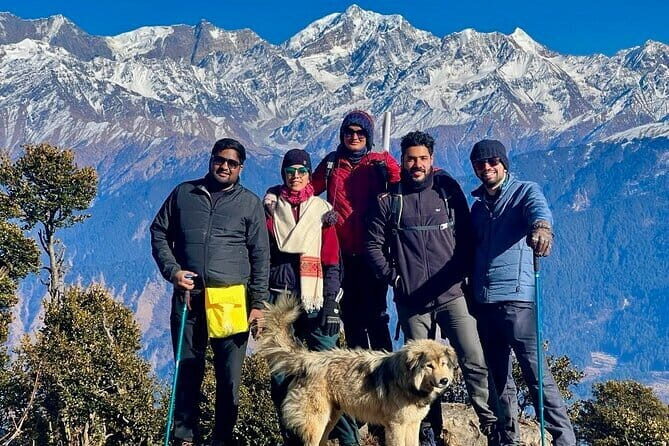
Dayara Bugyal is one of those Himalayan places where the scenery feels built for a postcard, but it’s still grounded in real trekking. You’re headed to wide high-altitude meadows, and the views are the point: from up top you can see out toward peaks including Bandarpoonch and Black Peak.
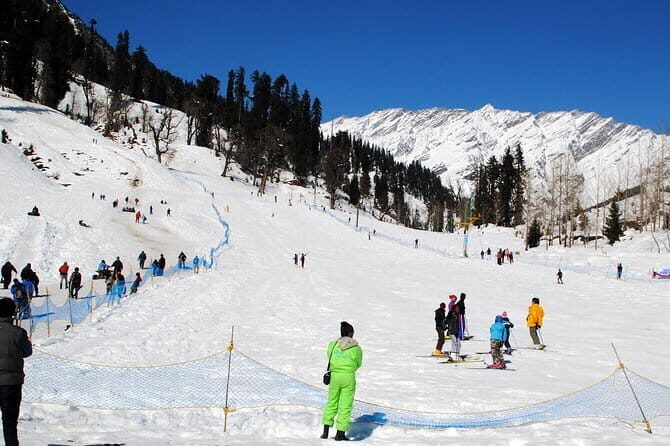
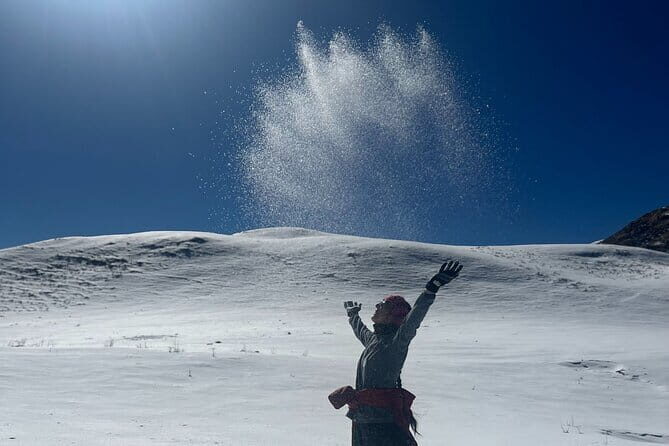
What makes this trek especially interesting is the “before and after” feel. Before the open meadow, you move through dense forest, small villages, and switchback-style hiking that gradually releases into that broad green pasture look. Then, near the end, it flips again depending on season: in summer, people talk about wildflowers covering the meadow. In winter, Dayara Bugyal becomes a snow-covered playground that’s often connected with snow trekking and skiing.
Surya Top sits just ahead of Dayara, which means you’re not just doing a generic meadow walk. Even if your exact focus is Dayara Bugyal, the Surya Top area adds to the “high viewpoint” purpose of the journey.
You can also read our reviews of more hiking tours in Himachal Pradesh and Uttarakhand
The 7:00am Dehradun start: your road trip through the Bhagirathi River valley
The trek begins at Dehradun Railway Station with a 7:00am start time. From there, you’ll travel toward the base area via the Bhagirathi River route, passing places like Landour and Uttarkashi along the way.
This drive is not just transportation filler. It’s your warm-up, and it also gives you context for where you’re heading: the river valley is living proof of how Himalaya travel works. You’ll see the region stretch in layers—more forested and village-like closer to the river, then gradually more “mountain” as you go.
Timing-wise, Day 1 is built for getting moving early. You leave Dehradun in the morning and aim to reach your first stay by late morning, so you’re not spending your whole first day trapped in a vehicle.
Day 1 stop: Raithal and the Rajneelam rest stop
On arrival near Raithal, you’ll stop at a Pahadi Dhaba-style place called Rajneelam Restaurant & Homestay. You reach around 11:00am. This is a practical moment to regroup, eat, and reset for the evening.
Meals during the transfer are not included for every lunch moment, but dinner and the main meal plan for the trek days are included. So on Day 1, it’s best to treat lunch during the drive as optional and plan to lean on what’s included once you settle in.
Raithal night: homestay rest that actually helps your climb
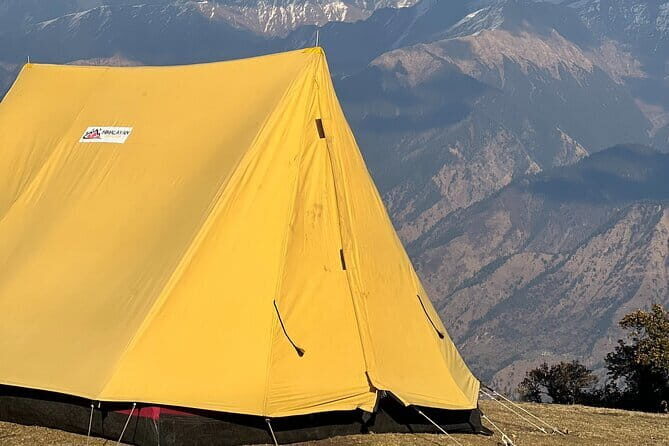
Your package includes 1 night of accommodation in Raithal. That matters because Day 2 begins with trekking energy, not a late-night scramble.
Raithal is a good first altitude checkpoint: not the high meadow yet, but enough that you start feeling the trekking rhythm. With a proper rest period and included dinner, you’ll be better positioned for the longer walking day that comes next.
I also like that this plan keeps the first night simple and local—homestay-style lodging tends to feel less like a hotel stop and more like part of the route. For families, beginners, or anyone who wants to avoid travel chaos, that’s a real advantage.
Day 2 to Gui Main Campsite: breakfast, forest trails, and a Dayara entry photo
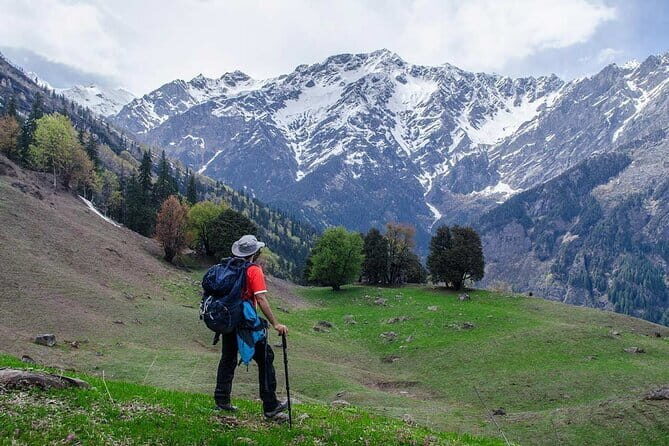
Day 2 starts with breakfast, then you begin trekking toward Gui Main Campsite. This is the day that sets your pacing for the big viewpoint day ahead.
Along the way, you pass landmarks such as the Nag Devta area (a named point on the trail), and you’ll stop for a photo at the Dayara Bugyal entry point before continuing. Those small pauses sound minor, but on mountain days they help you break the route into chunks. The trail can feel long when you keep your head down. Short breaks keep your legs and your mind in sync.
The route also connects with other regional stops like Devkund and Siyari Bugyal, which adds variety to what otherwise could feel like a straight line. You’re moving through dense forest and village areas before you settle into the campsite zone.
Camping at Gui: tents are part of the deal
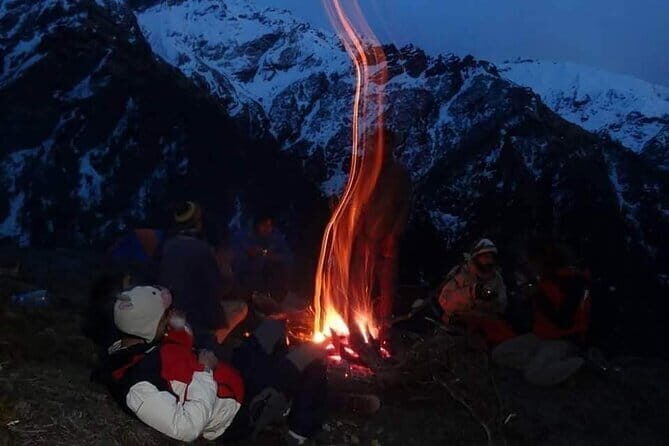
You camp at Gui for the next two nights, using provided tents. The package includes the camping setup you need for comfort basics: a sleeping bag and mattress, plus the tent. That’s a big deal for value because it removes one of the most common trekking headaches: figuring out what to rent and what to bring.
Day 3 to Dayara Top: the 12km round trip and the final steep push
This is the big day. On Day 3, you go from Gui to Dayara Top as a 12-kilometer round trip. The trail follows a route via Chilapada and then pushes into the meadow zone.
Expect a final steep climb before you reach the viewpoint. That steep section is not a dealbreaker, but it’s the part you’ll feel in your calves. If you’ve never done uphill hiking before, go steady. Don’t race the person in front of you. The hill always wins if you go too fast early.
Once you arrive, you get the payoff: 360-degree views from Dayara Top. This is where the trek earns its keep. You’re looking across a wide horizon, and the region’s peak names matter less than the feeling of scale. You’ll also be in sightline range for peaks such as Bandarpoonch and Black Peak, which are part of why people plan their trip around this area.
How Surya Top fits in your mindset
Surya Top is just ahead of Dayara in the same overall trekking concept. That means your Day 3 experience is positioned for viewpoints that feel connected to both places. Even if the core focus is the Dayara Top meadow moment, you’ll move through the kind of terrain where “top-of-the-world” views are the point.
Day 4: Gui back to Raithal with a 5km descent
On the final day, you head back from Gui to Raithal by descending a 5-kilometer trail. The descent typically takes about 2 to 3 hours, which is shorter than you might expect after a long trekking rhythm.
This day matters because it’s where your body either feels good or complains loudly. A controlled descent is the name of the game: short steps, steady breathing, and no heroic leaps. If your knees get touchy, keep your pace conservative and let gravity work for you without punishing your joints.
From Raithal, you return toward Dehradun. The main trek meals are already scheduled through Day 4 breakfast, so you can treat the ride back as the unwind phase.
Guides, permits, and gear: why this package is more than transport
For many trekking deals, the fine print is where value hides. Here, the “included” list is heavy for a reason.
You get all necessary forest and camping permits, plus a certified trek leader for guidance. You also get a first-aid kit for safety. That combination matters because permits are not optional in the mountains, and first-aid support is a basic safety layer you don’t want to scramble for.
The team effect: names you’ll likely hear in support
Across the operation, guides are highlighted by name: Ritik, Sunil, Bipin Negi, and others like Kishan and Yashveer are mentioned in connection with smooth support and organization. People also reference team members such as Soby bhai and Shobendra bhaiya in terms of arranging services and handling key steps.
I can’t promise which guide you’ll get, but the pattern is clear: the service is built around real human guidance rather than just handing you a route map.
Gear included (and a fee to think about)
The package provides trekking gear basics for camping: sleeping bag, mattress, tent, and spikes if needed. Spikes matter if you’re going in colder months or during snowy conditions, because footing becomes the whole game.
One detail to plan for: if you want backpack offloading, there’s an additional fee mentioned as INR 1050 for the whole trek. If you prefer to carry your bag yourself, you can avoid that cost. If you’d rather keep your load light, factor it into your budget.
Food on trek: what keeps you hiking when views aren’t enough
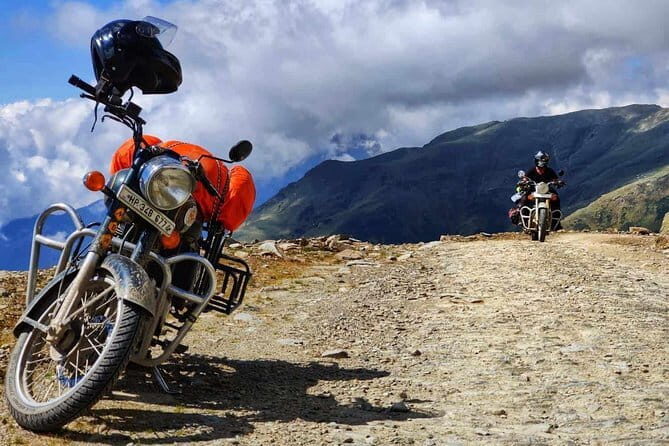
Food is included from Day 1 dinner to Day 4 breakfast, with additional lunches and dinners built into the schedule. That means you’re not thinking about meals mid-route, which is a huge mental win on mountain days.
The meals are described as delicious and healthy, and that’s exactly the kind of balance you want: enough energy, not stomach chaos. When you’re walking for hours, your appetite can surprise you. Having reliable food on schedule helps your pace stay consistent.
The taste of the region at Raithal
At Raithal, the stay is tied to a Pahadi dhaba-style spot (Rajneelam), where traditional Garhwali cuisine is available. Even if you don’t go heavy on the first meal, having local flavors makes the first night feel like part of the trip instead of just a stopover.
Price and value: is $136.18 reasonable for 4 days?
At $136.18 per person for a roughly 4-day trek, the price is easiest to judge by what you’re not paying separately.
This deal includes:
- Transport from Dehradun to the base area and back
- 1 night accommodation in Raithal
- 2 nights camping at Gui with tents provided
- Meals from Day 1 dinner to Day 4 breakfast (plus lunches and dinners within that structure)
- Permits (forest and camping)
- Trek leader support, plus a first-aid kit
- Trek gear basics: sleeping bag, mattress, tent, and spikes if needed
When you price those components individually, the trekking package starts to look like a practical bundle. You’re paying for convenience and safety layers as much as for the views.
The main cost warning is the optional backpack offloading fee (INR 1050). If you can handle carrying your day-to-day load, you may not need that add-on.
Who should book this trek, and who should be careful
This is a trek with a reputation for being approachable. The trek to Dayara Bugyal is described as relatively easy, which is great for beginners and families, especially compared with high-technical Himalaya routes.
It also helps that most travelers can participate, the group size is capped at 20, and the trek is organized with permits, gear, and a certified leader.
Still, be honest with yourself. You’ll face:
- Long days (Day 2 and Day 3 are long on the clock)
- A final steep climb on Day 3
- Camping nights at Gui
- Weather changes that can affect safety and comfort
If you’re someone who hates being outside for multiple nights, or you’re extremely sensitive to cold, you’ll want to think twice—or at least choose your season carefully.
Best seasons: wildflowers in summer, snow trekking in winter
This trek can feel totally different depending on when you go.
In summer, Dayara Bugyal turns into a green meadow with wildflowers covering parts of the landscape. In winter, it becomes a snow-covered wonderland that’s linked with skiing and snow trekking.
Even if you’re not planning to ski, winter conditions change what matters:
- Footing becomes more important (spikes may be needed)
- Layers and wind protection become non-negotiable
- You should expect colder nights in camping areas
One practical tip: if you’re visiting in shoulder months like October, treat it as a season where winter feeling can show up. Plan for cold mornings, even if daytime sun is friendly.
Should you book Dayara Bugyal and Surya Top Trek?
Book it if you want:
- A classic high-meadow trek with big viewpoint payoff
- A plan that handles permits, gear, and meals
- A guided experience with support from leaders such as Ritik, Sunil, and Bipin Negi
- A manageable trek profile for many beginners and families
Pass or rethink it if:
- You’re not okay with camping and basic mountain comfort
- You struggle with steep uphill efforts, especially the Day 3 final push
- You’re trying to travel without any flexibility, because weather can affect mountain operations and safety
If your goal is the meadow-to-mountain-view experience without turning it into a logistics project, this trek is a strong match.
FAQ
How long is the Dayara Bugyal and Surya Top trek?
The tour runs for about 4 days.
Where does the trek start and what time?
It starts at Dehradun Railway Station at 7:00am and ends back at the same meeting point.
What’s included in accommodation?
You get 1 night accommodation in Raithal and 2 nights camping at Gui (tents are provided).
What meals are included?
Meals are included from Day 1 dinner to Day 4 breakfast, with breakfast, lunch, and dinner counted across the days as listed in the inclusions. Meals during transfer (like some lunches) are not included.
Do I need to arrange permits?
No. Forest and camping permits are included.
What trekking gear do I get?
The package includes sleeping bag, mattress, tent, and spikes if needed.
Is the trek suitable for beginners and families?
Yes. The trek to Dayara Bugyal is described as relatively easy, and most travelers can participate, with a group size capped at 20.
What is the cancellation window?
You can cancel for a full refund up to 24 hours in advance. If you cancel less than 24 hours before the start time, the amount paid isn’t refunded.