REVIEW · NEW DELHI
Old Delhi tour with a Local
Book on Viator →Operated by Day Trips · Bookable on Viator
Old Delhi can feel like organized chaos, in the best way. This walking tour turns that energy into a clear route with real context: you start by Metro for an easy first step, then move through places that explain faith, trade, and Mughal-era power.
I like the practical flow here. You get guided time at a Sikh shrine, hands-on spice education at Khari Baoli with samples, and a food stop where the point is simple: eat what people actually eat in the lanes.
One thing to consider: you’ll be walking and shifting through crowded streets, and the tour is best with moderate physical fitness and good weather.
In This Review
- Key highlights that make this Old Delhi route worth it
- Start Where Most Visitors Get Lost: Connaught Place to Chandni Chowk
- Gurudwara Sis Ganj Sahib: Quiet First, Then the Story Gets Heavy
- Khari Baoli Spice Market: Ayurveda Lessons You Can Actually Taste
- Mirza Ghalib Ki Haveli: Poetry and Personal Details Between Empires
- Rickshaw to Jama Masjid: Mughal Power, Up Close
- Gali Paranthe Wali: The Finish Line Food Stop You’ll Remember
- Price and Value: What $48.99 Buys You in Real Terms
- Timing, Pacing, and Your Best Approach
- Who This Old Delhi Tour Fits Best
- Should You Book This Old Delhi With a Local?
- FAQ
- How long is the Old Delhi walking tour?
- Where does the tour start and end?
- What’s included in the price?
- What isn’t included?
- How big is the group?
- Is the tour weather dependent?
Key highlights that make this Old Delhi route worth it
- Metro start saves you from the first traffic headache while you head toward Chandni Chowk
- Gurudwara Sis Ganj Sahib mixes solemn atmosphere with a powerful Mughal-era story
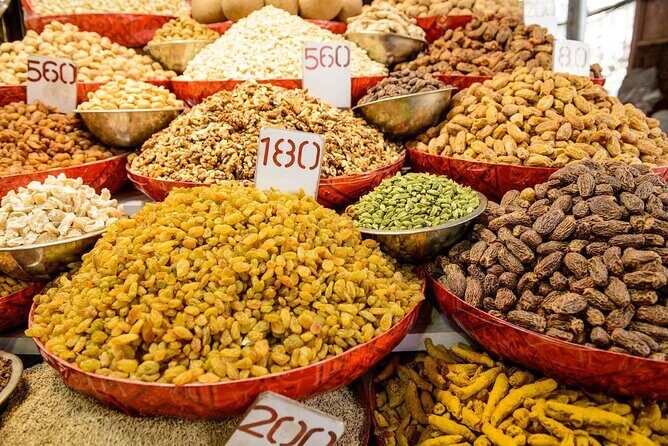
- Khari Baoli spice market includes taste tests and an Ayurveda-style lesson you can bring home
- Mirza Ghalib Ki Haveli connects poetry to daily details like mangoes and chess
- Jama Masjid with rickshaw time gives you a quick change of pace plus Mughal context
- Gali Paranthe Wali parathas end the tour with something hot, filling, and very local
Start Where Most Visitors Get Lost: Connaught Place to Chandni Chowk
The day begins at United Coffee House in Rajiv Chowk, Connaught Place (with pickup offered as well). That matters, because Old Delhi starts fast—if you arrive late or confused, the whole experience gets stressful.
You then take the Metro, which is a smart move for two reasons. First, it gets you moving without sitting in traffic. Second, you arrive with momentum already built in, so the “sensory shock” of Chandni Chowk hits less like a wall and more like a wave you can ride.
This is also a small-group format, capped at 10 people. That size keeps questions from getting lost and makes it easier to hear your guide over the street noise.
You can also read our reviews of more tours and experiences in New Delhi.


Gurudwara Sis Ganj Sahib: Quiet First, Then the Story Gets Heavy
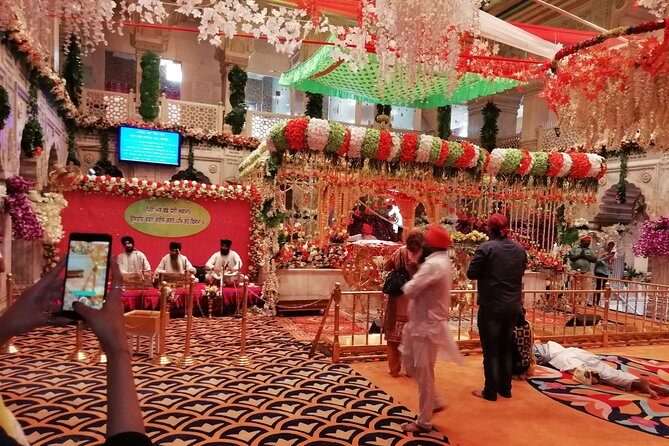
Your first stop is Gurudwara Sis Ganj Sahib, where admission is included. The vibe here is not about sightseeing. It’s about entering a space built for devotion, with calm presence and charitable activity from Sikh volunteers.
What makes this stop stand out is the historical anchor. You’ll hear that the ninth Sikh Guru was executed under Mughal Emperor orders. The point isn’t doom for doom’s sake; it’s context. It helps you understand why religious sites here hold so much emotion, even when everything looks orderly and routine inside.
Practical tip: plan to slow down at this stop. When the next parts of Old Delhi kick in, you’ll appreciate starting from a place of quiet.
Khari Baoli Spice Market: Ayurveda Lessons You Can Actually Taste
Next comes Khari Baoli, the spice market area. Admission is included, and this is where the tour shifts from “see and listen” to “touch, smell, taste.”
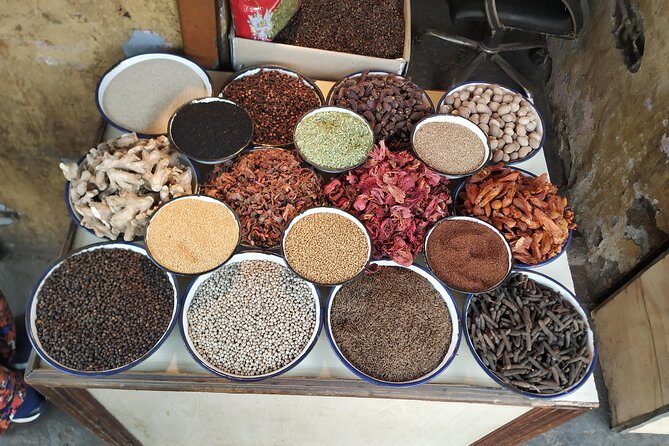
Your guide uses the spice stalls to explain both Indian spices and an ancient medicinal approach known as Ayurveda. You’ll have a chance to sample spices and even carry some home, which is huge value in an Old Delhi tour—often the best souvenir is something you can use later.
A good way to think about this stop: it’s not a lecture. It’s education through the senses. When you taste something and connect it to what it’s used for, you remember it.
What to watch for: spice markets can be loud and intense. If you’re prone to getting overwhelmed, stick close to your guide and don’t rush your tasting. You’ll get more out of it when you slow down.
Mirza Ghalib Ki Haveli: Poetry and Personal Details Between Empires
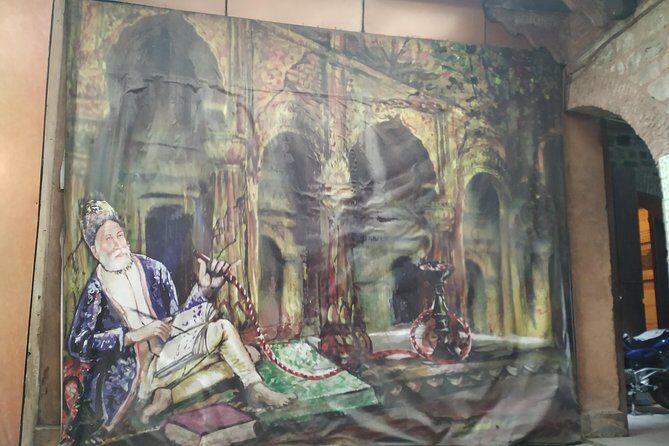
From the spice lanes, you move toward Mirza Ghalib Ki Haveli, linked to the poet Mirza Ghalib. Admission is included here too, and the stop is shorter, so treat it like a focused pause rather than a long museum-style visit.
The best part is the human scale. Instead of only discussing the Mughal decline as an abstract timeline, your guide brings in personal details—Ghalib’s love for mangoes and his interest in chess. Those small facts do real work. They make a figure from a shifting empire feel like a person with habits, tastes, and attention.
This stop also helps balance the day. After temples, markets, and big architecture, it’s a reminder that Old Delhi wasn’t only about power—it was also about ideas and culture.
Rickshaw to Jama Masjid: Mughal Power, Up Close
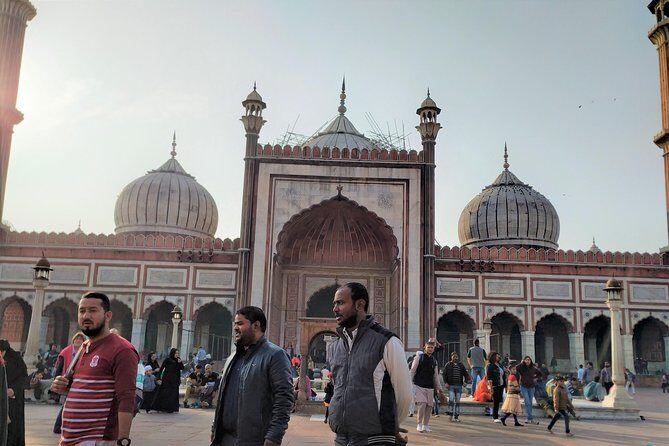
Now the tour gets moving again. You’ll take a rickshaw ride to Jama Masjid, a 17th-century mosque. Admission is not included, and you should also know there’s a camera/smartphone fee at the mosque.
This is one of those “plan for it so you don’t feel awkward later” moments. If you’re the type who depends on your phone for photos, consider budgeting a little extra for those fees. If you’re not, you can treat the stop as a pure viewing and listening experience.
Your guide shares historical facts and popular notes about the Mughals and their rule in India. That adds meaning to the architecture. You don’t just see a big mosque; you start to understand how rulers used religious and public spaces to project authority and identity.
Also, rickshaw time is more than transportation. It’s a mental breather. It gives you a quick shift in pace before you head into the final food stop.



Gali Paranthe Wali: The Finish Line Food Stop You’ll Remember
The last stop is Gali Paranthe Wali, where you’ll try hot parathas cooked with ghee and served with different curries and sauces. Admission is included for this stop.
This is the kind of ending that feels right in Old Delhi. After so much spice explanation and historical context, your body gets to take over. You’ll taste a street-food classic and get an easy, satisfying wrap-up to the walk.
If you’re choosing between eating early versus saving room, save room. The parathas are a strong finish because they’re filling and flavorful, and they help you end with a win instead of a stumble toward your next plan.
Price and Value: What $48.99 Buys You in Real Terms
At $48.99 per person for about 3 to 4 hours, this tour isn’t just paying for walking. You’re paying for structure, local guidance, and specific included items that matter in Delhi.
Here’s what you actually get for the money:
- Snacks included
- Subway/Metro ride tickets included
- Admission included at Gurudwara Sis Ganj Sahib, Khari Baoli, Mirza Ghalib Ki Haveli, and the paratha stop
- A route that ties food, faith, and empire together instead of hopping randomly
So the value comes from fewer decision points. You don’t have to figure out how to move through the city efficiently, you don’t have to guess what’s worth stopping for, and you get guided explanations at multiple stops.
The only real cost heads-up is that Jama Masjid has extra elements: admission is not included, and camera/smartphone fees apply there. Also, gratuities are recommended, though that’s not unique to this tour.
Timing, Pacing, and Your Best Approach
The tour runs about 3 to 4 hours. That’s a sweet spot for Old Delhi: long enough to see meaningful landmarks, short enough that you still feel good afterward.
The pacing is key. A good guide matters more here than at calmer destinations, because the streets can be loud, crowded, and fast-moving. When your guide keeps things calm and organized, you can actually enjoy the place instead of just surviving it.
One more practical note: you’ll do a mix of walking and short rides, including the rickshaw segment. Wear comfortable shoes. You’ll want traction and support more than fashion.
Who This Old Delhi Tour Fits Best
This works especially well if you:
- Want a first taste of Old Delhi without building a route yourself
- Like walking tours that explain meaning, not just dates
- Enjoy food that you can connect to the place you’re standing in
- Prefer small groups (this caps at 10 people)
It also tends to be a good choice if you’re traveling solo and want a guided, structured day through a crowded area. The focus on safety and comfort in past experiences with Deepak is a big reason people feel at ease.
If you hate crowds or can’t handle moderate walking, you might find the environment challenging. In that case, I’d still suggest considering a shorter, more static option rather than a full lane-and-steps day.
Should You Book This Old Delhi With a Local?
I think you should book if you want Old Delhi to feel understandable. This tour connects the dots between faith (Gurudwara Sis Ganj Sahib), commerce and medicine (Khari Baoli and Ayurveda-style learning), culture (Mirza Ghalib Ki Haveli), and Mughal architecture (Jama Masjid), then ends with real street food.
Skip it if you’re looking for a slow, museum-only day, or if camera fees and extra admissions at one stop would stress you out. It’s a living, active part of the city—so come with the right expectations.
If you book, I recommend packing light expectations: focus on comfort first, then let the city do the rest. You’ll leave with spice knowledge you can use and a route you couldn’t easily assemble on your own.
FAQ
How long is the Old Delhi walking tour?
It’s about 3 to 4 hours.
Where does the tour start and end?
The start point is United Coffee House, Rajiv Chowk, E-15, Block E, Connaught Place, New Delhi. The tour ends back at the meeting point.
What’s included in the price?
Snacks are included, and subway/Metro ride tickets are included. Admission is included at Gurudwara Sis Ganj Sahib, Khari Baoli, Mirza Ghalib Ki Haveli, and the paratha stop.
What isn’t included?
Jama Masjid admission is not included, and there may be a camera/smartphone fee at the mosque. Gratuities are not included (though they’re recommended).
How big is the group?
The tour has a maximum of 10 travelers.
Is the tour weather dependent?
Yes. It requires good weather. If it’s canceled due to poor weather, you’ll be offered a different date or a full refund.