REVIEW · MUMBAI
Mumbai: Dharavi Slum Slumdog Millionaire Tour with a Local
Book on GetYourGuide →Operated by Amaze Tours · Bookable on GetYourGuide
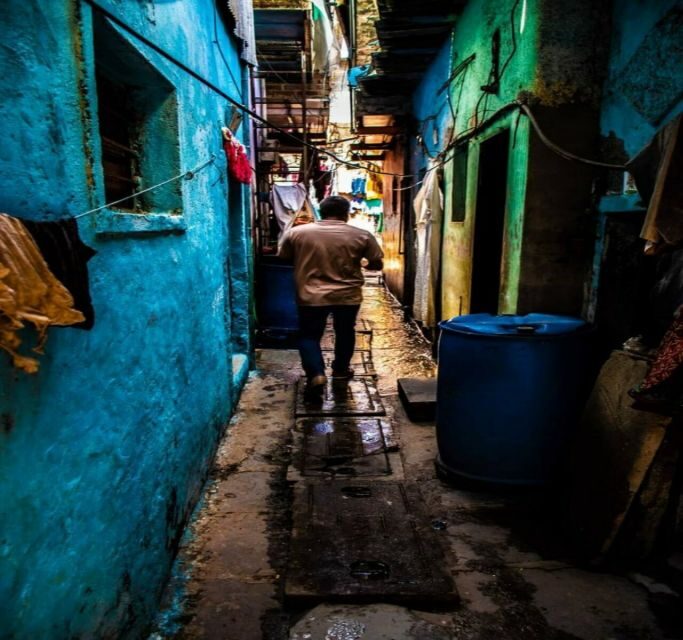
Dharavi isn’t what you think it is. This walk through tight lanes shows the real engine of the area: small workshops, recycling work, and community routines, guided by a local insider and focused on day-to-day production. One thing to consider: you will see tough living and working conditions, so this is not a comfort-tour, and photography is limited at most stops.
What I like most is the human scale. The tour keeps things small so you can ask questions and actually make sense of how Dharavi functions as a city within a city—schools, a hospital, and countless businesses all mixed together.
For practical sanity, I also like the option with hotel transfers. It removes a big chunk of stress around getting there and back, especially since the tour happens rain or shine.
In This Review
- Key Things That Make This Dharavi Tour Worth Your Time
- Why Dharavi’s Real-World Details Change Your View of Mumbai
- Meeting at Dharavi and Staying Comfortable in Tight Lanes
- The Local Guide Factor: Why People Rate This Tour So Highly
- What You’ll Actually See: Small-Scale Industries Inside the Neighborhood
- The Recycling Industry: The Part That Hits Hardest
- A Quick Reality Check on Interacting and Respect
- The Pottery Factory Finish and the Taxi Advantage
- Optional Vegetarian Meal With a Local Family: When to Add It
- Hotel Transfers and Timing: Making Logistics Less Awful
- What to Bring, and Who Should Skip This One
- Should You Book This Dharavi Tour? My Practical Take
- FAQ
- How long is the Dharavi Slum Slumdog Millionaire Tour with a Local?
- Is there an English-speaking guide?
- Is hotel pickup and drop-off included?
- What’s included in the tour price?
- Can I take photos or videos during the tour?
- What should I bring?
- Does the tour run in bad weather?
- Who should not join this tour?
Key Things That Make This Dharavi Tour Worth Your Time
- A local guide who explains how the recycling and workshop economy works
- Small-group alley walking that feels personal, not like a drive-by photo stop
- Handmade production stops you can see with your own eyes, from soaps and cosmetics to pottery and textiles
- A clear ending point at a pottery factory, with help getting a taxi afterward
- Optional time with a local family through an add-on vegetarian meal
- Hotel pickup/drop-off option for less transport hassle
Why Dharavi’s Real-World Details Change Your View of Mumbai
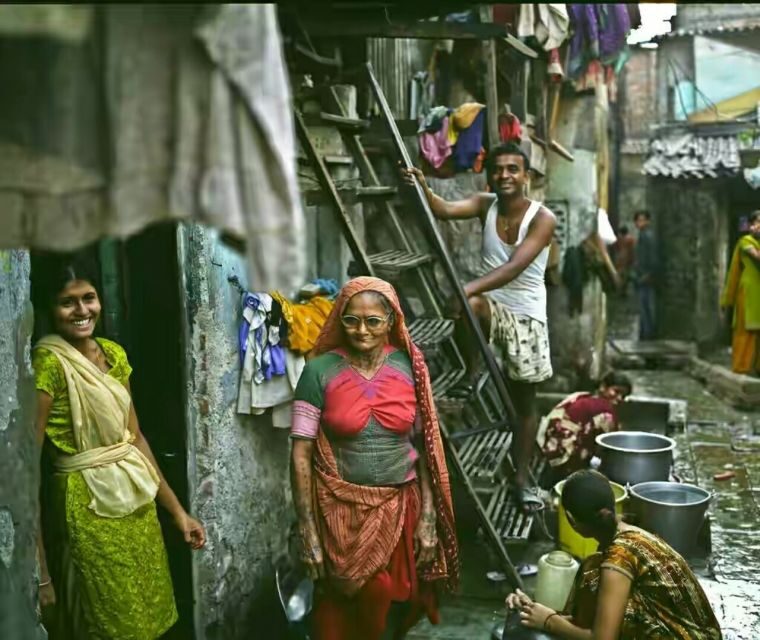
Dharavi is famous because of Slumdog Millionaire, the Oscar-winning film people reference constantly. But the most useful part of this tour is that it swaps movie ideas for on-the-ground reality: how people build a living, how materials move through the community, and how local businesses stay busy.
In the best moments, the place doesn’t feel like an empty stereotype. It feels like a functioning neighborhood where schools, a hospital, and a lot of small industry exist side by side. That contrast can be hard to hold in your head at first, but it’s also the reason this experience lands.
I’d call it an eye-opener in the practical sense. You leave with better context for Mumbai’s economy, not just a quick emotional hit. And if you’re the kind of person who hates the idea of turning poverty into entertainment, this tour’s community-first approach is a good sign.
You can also read our reviews of more tours and experiences in Mumbai.



Meeting at Dharavi and Staying Comfortable in Tight Lanes
You start by meeting your guide in Dharavi, and the exact meeting point can vary by the option you choose. The big value here is that you aren’t trying to figure out the area alone—your guide is there to help you get your bearings fast and stay together.
This is a walking tour built for narrow alleys and frequent turns. Comfortable shoes matter because you’ll be on your feet through busy lanes, and you’ll likely be moving at a steady pace for the full time window (often around 2 hours, depending on your schedule).
Small group sizes and private options make a real difference. With a smaller group, you’re more likely to get answers to specific questions—like how recycling is organized, how workshop work flows, and how different parts of Dharavi connect.
One more practical note: photography and videography are not permitted at most places on the tour. If you want pictures, ask your guide first. They can usually tell you where it’s allowed and how to respect the people who live and work nearby.
The Local Guide Factor: Why People Rate This Tour So Highly
Almost every high rating points to the same theme: the guide’s presence changes the whole experience. You’ll meet an English-speaking local guide, and many guides are praised for mixing clarity with humor and a calm, careful pace.
Names that come up often include Alam, Maze, Denish, Loki, Ganesh, Danesh, Mustafa (Musa), Dinesh, Sunil, Dawood, and Lokhet. What matters isn’t the name—it’s what they do. Guides frequently help visitors feel safe, keep the group together, and explain what you’re seeing in plain language.
A few guides go beyond the tour itself by helping with the return journey. Some have walked people through local transport choices like buses and trains, and others have left visitors near a nearby cafe before a taxi back to downtown. That kind of support is worth its weight when you’re tired and the city feels chaotic.
You should also know tips are optional and not included in the ticket price. If you enjoyed the guide’s explanations and felt cared for during the walk, set aside a little for tipping.
What You’ll Actually See: Small-Scale Industries Inside the Neighborhood
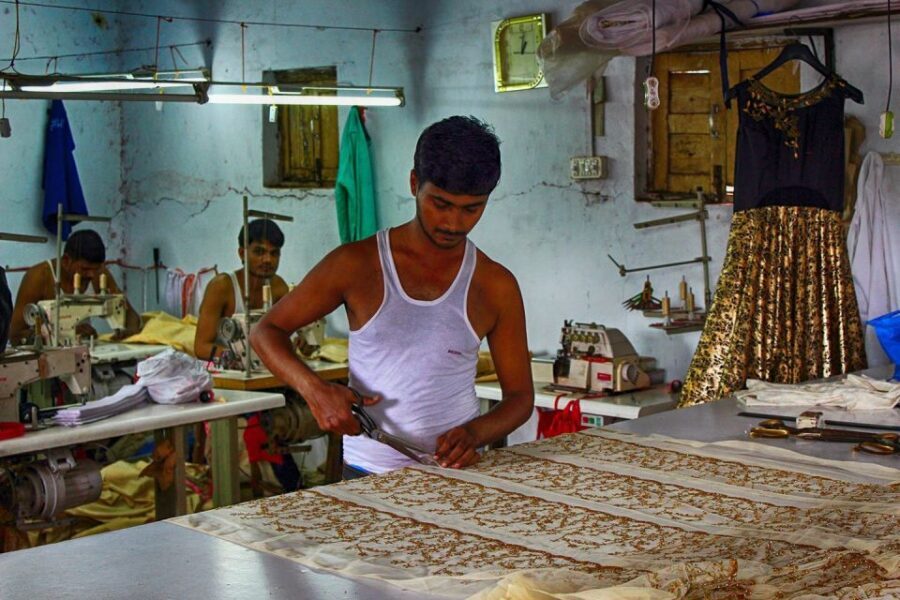
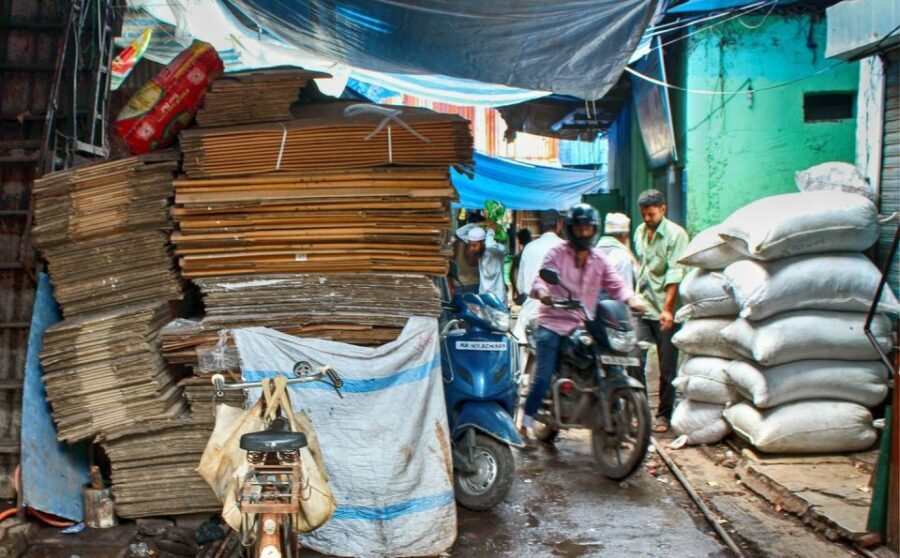
The core of the tour is a slow walk through parts of Dharavi where small businesses operate in everyday spaces. This isn’t an “observe from a distance” style tour. You’ll pass workshops and production areas where you can see real work happening.
Expect to learn about industries such as:
- Handmade soaps and exotic cosmetics
- Textiles made and handled locally
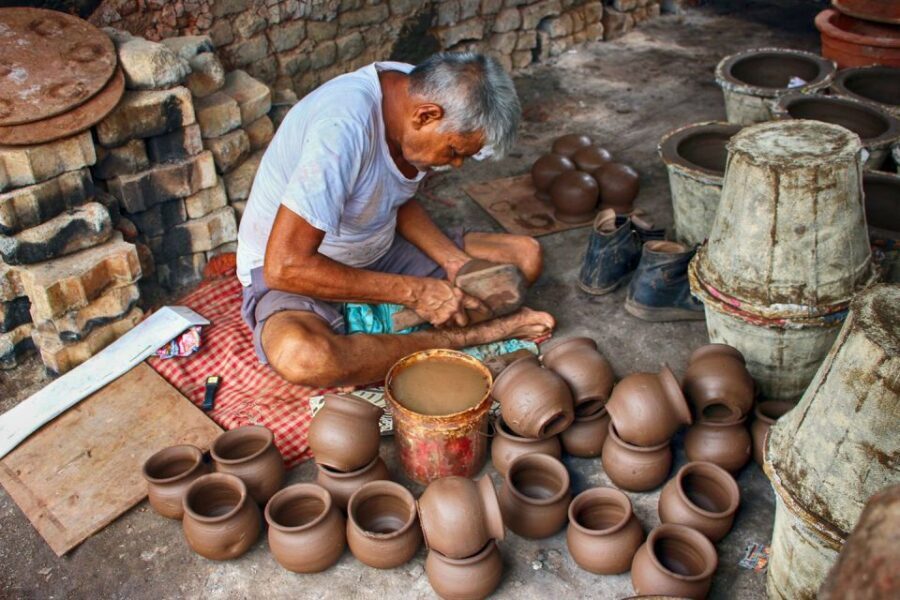
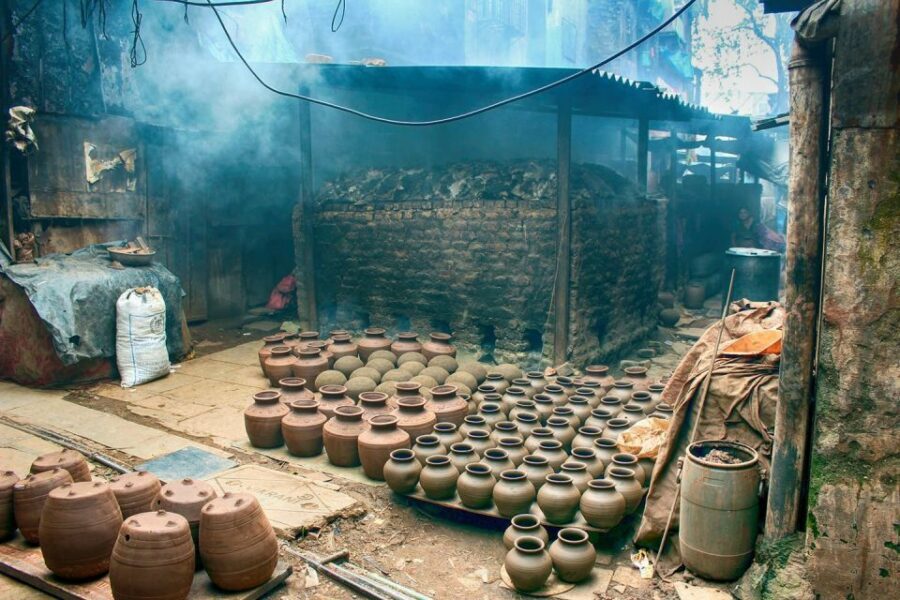
- Pottery work at a pottery factory where the tour ends
- Recycling work, including how materials are collected and processed
Your guide helps you connect the dots—what each workshop makes, how it ties into the next step, and why Dharavi’s supply-chain style of work matters. Several guides are specifically praised for explaining production chains clearly, which makes the whole economy feel less mysterious by the time you reach the finish.
You may also get chances to interact with people in the community. That’s part of what turns this from a sightseeing stop into an actual conversation with the neighborhood.
And yes, Dharavi is diverse in traditions and beliefs. A good guide doesn’t treat the area as one uniform story. They show how many ways of living sit close together.
The Recycling Industry: The Part That Hits Hardest
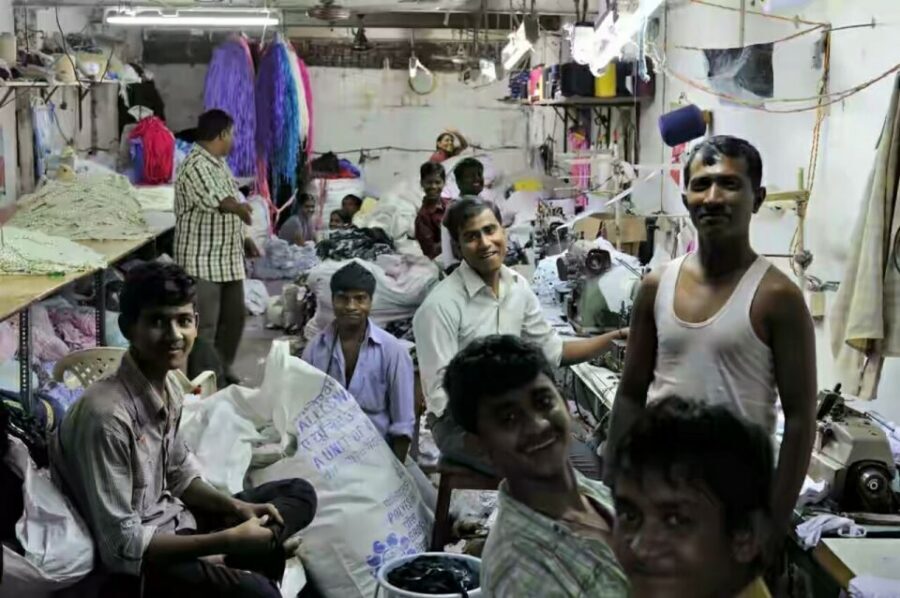
If there’s one theme you should be mentally ready for, it’s recycling. Dharavi’s recycling economy is central to how the area supports itself, and your tour includes time to learn how it works.
At the same time, the contrast can be sharp. You’ll see working conditions that are genuinely harsh, including the realities faced by migrant and seasonal workers involved in recycling-related labor. In hot weather, conditions can feel oppressive, and that strain is part of the honest picture.
Here’s the balanced takeaway I’d encourage you to hold: the tour isn’t only about hardship. It’s also about the determination and problem-solving that keep materials moving and businesses operating. People are working, creating, and selling. That doesn’t erase the difficulties—it makes the story more accurate.
Your guide’s framing matters. Guides like Loki, Maze, and Ganesh are praised for explaining what people do in a grounded way, including how work links from one step to the next. When that clarity clicks, you start to understand Dharavi less like a shock value and more like a complex local economy.





A Quick Reality Check on Interacting and Respect

You’re walking through someone’s home-and-work space. That means you should treat the tour like a courtesy visit, not like an open-air museum.
Your best behavior is simple:
- Keep your voice low in quieter areas.
- Ask permission before taking any pictures.
- Follow your guide’s timing and route without wandering.
It’s also normal to feel a little uncertain at first. Some people worry it will feel like poverty tourism. The better guides steer the conversation back to community life—work, schools, local infrastructure, and how everyday routines keep moving.
If you want the kind of experience where respect comes first, choose a small group or private option when you can. More personal space makes it easier for you to talk and easier for your guide to manage the flow.
The Pottery Factory Finish and the Taxi Advantage
Your tour ends at a pottery factory. That ending point is practical for two reasons.
First, pottery gives you a clear craft to connect back to the rest of what you saw. Earlier stops showed small-scale production and material handling. The finish offers a tangible result—something shaped by hand and turned into a finished product.
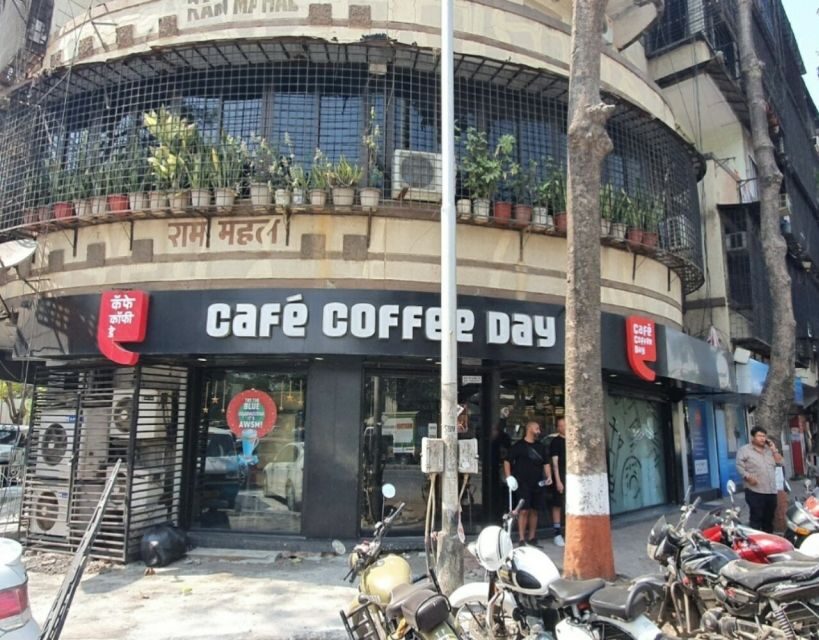
Second, you’re not left stranded. After the walk, you can ask your guide to get you a taxi. Several guides are praised for being proactive about helping visitors return safely and quickly to the rest of Mumbai.
If you’re pairing this tour with other plans for the day, this finish point helps you keep your schedule more realistic.
Optional Vegetarian Meal With a Local Family: When to Add It
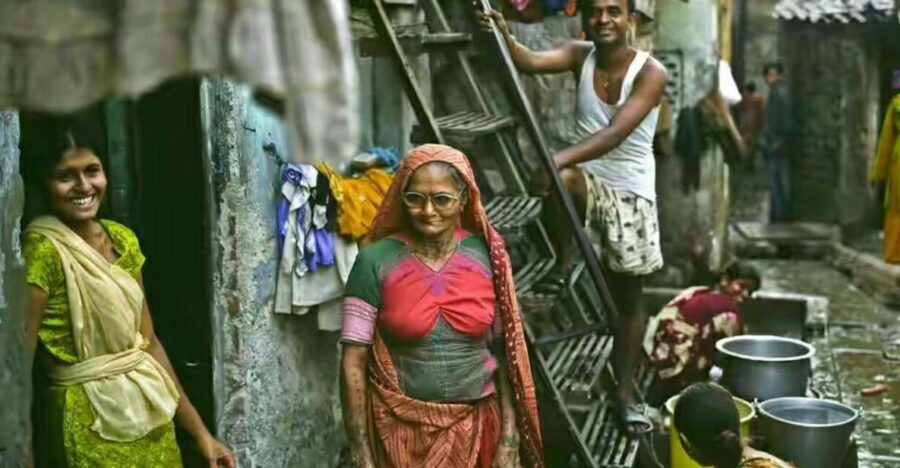
There’s an add-on option for a vegetarian meal with a local family if you want to stay in the slum a bit longer. This isn’t included automatically, so you’ll need to select it as an add-on.
What makes this valuable is not just the food. It’s time. It’s slower. It’s another chance to understand how hospitality works in daily life, not only in shops and workshops.
If you choose it, keep expectations grounded: you’re visiting a family setting, and you should be ready for a less formal rhythm than a restaurant meal. Also, because photography is often limited, focus on conversation rather than trying to document everything.
For many visitors, this extra time is what turns the experience into something more personal and less “checklist sightseeing.”
Hotel Transfers and Timing: Making Logistics Less Awful
The tour usually runs 1.5 to 3 hours. That range depends on your option and schedule, but the walking core is typically around the 2-hour mark.
The big decision point for most people is whether to pick hotel transfers. If you select the option with hotel pickup and drop-off, you avoid the stress of sorting out local transport on your own. This matters in Mumbai because transit can be time-consuming and confusing when you’re tired or short on time.
Rain or shine is another factor. The tour runs in both conditions, so you should assume you’ll be outside. Plan for sun and heat as well—comfortable shoes and a sun hat aren’t optional-sounding here; they’re genuinely useful.
What to Bring, and Who Should Skip This One
This tour asks for a basic but serious packing list:
- Comfortable shoes
- Sunglasses
- Sun hat
- Long pants
Long pants are especially practical because you’ll be walking through dense areas where it’s easier to stay comfortable and protected.
Also be aware the tour isn’t suitable for everyone. It’s not recommended for pregnant women, people with mobility impairments, or people with heart problems. If any of those apply to you, it’s better to choose a different kind of Mumbai experience.
Finally, tips are optional and not included, so if you want to tip, plan for it.
If you’re the type who wants to manage discomfort thoughtfully, choose the time of day carefully and bring water. Bottled water is included, but you’ll still want to pace yourself.
Should You Book This Dharavi Tour? My Practical Take
Book it if you want a real, grounded look at how Dharavi works as a community and an economy. The value is strong for a reason: you pay a low price (listed at $10 per person) and you get an English-speaking local guide, bottled water, and a structured walking route focused on small industries and recycling. If you add hotel transfers, you also gain a big edge in convenience.
Don’t book it if you need a gentle, purely comfortable experience. You will see hard conditions. You’ll also be walking through spaces that are not built for tourist comfort.
My rule of thumb: if you can handle “serious but human,” this tour is a powerful way to understand Mumbai beyond postcards. And if you’re worried about safety or getting around, choose a small group or private option and pick hotel transfers when possible.
If you do book, keep your expectations clear: limited photography, rain or shine, and respectful interaction are part of the deal. Do that, and you’ll come away with context you can’t pick up any other way.
FAQ
How long is the Dharavi Slum Slumdog Millionaire Tour with a Local?
The tour duration is listed as 1.5 to 3 hours. Check the starting times available for your travel dates.
Is there an English-speaking guide?
Yes. The tour includes an English-speaking local guide.
Is hotel pickup and drop-off included?
Hotel pickup and drop-off are included if you choose the option with hotel transfers. If you don’t select that option, you’ll follow the meeting point instructions for your booked option.
What’s included in the tour price?
Included items are an English-speaking local guide and bottled water. Hotel pickup and drop-off are included only with the transfer option. If you select it as an add-on, a meal with a local family is included.
Can I take photos or videos during the tour?
Photography and videography are not permitted at most places on the tour. Ask your guide before taking any pictures or videos.
What should I bring?
Bring comfortable shoes, sunglasses, a sun hat, and long pants. The tour runs in rain or shine.
Does the tour run in bad weather?
Yes. The tour takes place in rain or shine.
Who should not join this tour?
The tour is not suitable for pregnant women, people with mobility impairments, and people with heart problems.