REVIEW · JAIPUR
Jaipur Instagram Tour of Photogenic Spots
Book on Viator →Operated by Visit Jaipur Tour · Bookable on Viator
Jaipur turns your camera into a magnet. This private Instagram-style photo route stitches together some of the city’s most photogenic geometry—from temple symmetry to windowed facades—so you can build a clean set of shots in one day. I especially liked the pickup-and-drop-off convenience (it saves time and hassle), and I also liked the way the tour is paced for photos without feeling rushed through the stops.
One consideration: the headline price is low, but entrance fees add up at several major sights, especially City Palace and the Royal Blue Room option. If you plan your must-see list ahead, you’ll keep the day affordable and still get the photos you want.
In This Review
- Key Things to Know Before You Go
- Why This Jaipur Photo Route Fits the Instagram-First Mindset
- Getting Around: Private Car or Tuk-Tuk with Pickup and Drop-off
- Birla Mandir Temple: Symmetry, Details, and 30 Minutes That Move
- Albert Hall Museum: Rajasthani Art and Jewelry in 1 Hour
- Hawa Mahal: 953 Windows and the Art of a Good Position
- City Palace Jaipur: Pink Facades, 2 Hours, and the Royal Blue Room Option
- Royal Gaitor Tumbas: A Quieter 45 Minutes Off the Main Flow
- Jal Mahal: The Floating Palace Look Over Man Sagar Lake
- Amer and Panna Meena Kund: Stepwell Geometry with Long Photo Potential
- Price and Value: What the $15 Ticket Really Covers
- Who This Tour Suits Best (And Who Might Want Something Else)
- Should You Book This Jaipur Instagram Tour?
- FAQ
- FAQ
- How long is the Jaipur Instagram Tour?
- What is the price and group size?
- Are pickup and drop-off included?
- Can I choose between a car and a tuk-tuk?
- Are entrance fees included?
- Which stops are free for admission?
- What’s the ticket format?
Key Things to Know Before You Go
- Private vehicle with pickup and drop-off means fewer transit headaches and more time for photos
- Driver navigation and timing can make a big difference in Jaipur traffic patterns
- Hawa Mahal and City Palace are built for strong compositions, but budget for entry costs
- Jal Mahal and stepwells give you dramatic “background wow” without needing expensive tickets
- Car or tuk-tuk choice lets you match the vibe—comfortable ride vs. classic street feel
Why This Jaipur Photo Route Fits the Instagram-First Mindset
This is a straightforward concept: choose a day, climb into a private vehicle, and work through Jaipur’s most camera-friendly landmarks in a single loop. You’re not stuck trying to coordinate separate rickshaws, buses, or ticket lines between scattered neighborhoods. Instead, you get a practical rhythm—arrive, shoot, pause, and move on—so your memory card stays busy.
I like that the plan mixes “icon” sights with quieter photo chances. You’ll see major postcards like Hawa Mahal and City Palace, but you also get time at Royal Gaitor Tumbas and the stepwell area near Amer, where the angles feel more personal and less like everyone is shooting the exact same frame. The result is a set of images that looks varied: temples, palaces, lake reflections, and stair-step geometry.
Also, your driver isn’t just a driver on autopilot. In one example tour experience, a driver named Ali stood out for smart navigation through the streets and for managing time efficiently. That matters in a place where getting stuck at the wrong moment can steal your best light and your energy.
You can also read our reviews of more tours and experiences in Jaipur.

Getting Around: Private Car or Tuk-Tuk with Pickup and Drop-off
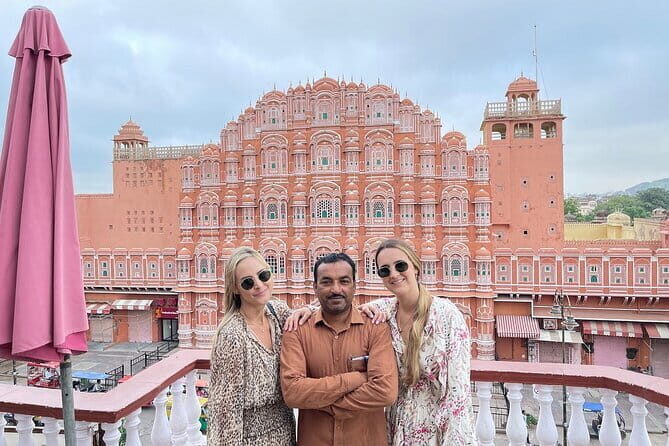
You’re paying for a private transportation service, including pickup and drop-off at your hotel or the airport. That means you start where you are, not where the group decides to meet. It also helps with photo planning—if you’re chasing angles, you don’t want to lose time walking between sites.
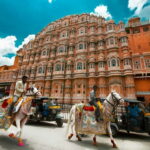
You can choose between a private car or a tuk-tuk for your trip. The car is the safe, comfortable bet if you want a smooth ride and less fatigue. The tuk-tuk can feel more local and fun, especially for street-level scenes, but your comfort level will depend on the day’s traffic and heat.
This is designed for a small group: it’s private, so it’s only your group for the day. That’s a quiet advantage for photography. You can take an extra minute to reset your shot or wait for a cleaner view without worrying that a larger group is blocking your time.
Birla Mandir Temple: Symmetry, Details, and 30 Minutes That Move
Birla Mandir Temple (Laxmi Narayan Temple) is a classic Jaipur stop for a reason. It’s known for its clean, structured look, and the setting feels calm compared to the noise around many major attractions. You’ll have about 30 minutes, which is short but usually enough for a focused photo round—especially if you’re aiming for a few strong frames instead of a full gallery.
This temple is dedicated to Lord Vishnu and Goddess Lakshmi, and it’s a popular spot for devotees. That blend matters for your photos: you’re photographing more than architecture—you’re also photographing devotion and daily life. Just remember that sacred sites often come with expectations around behavior and dress, so keep your movements respectful.
Admission isn’t included for this stop. The exact ticket amount isn’t listed in your tour details, so budget something for it when you plan your total day cost.
Photo tip for this kind of place: if you’re shooting the front facade, take one straight-on frame for structure and one slightly off angle for depth. In short visits, that two-shot approach gives you options later when you edit.
Albert Hall Museum: Rajasthani Art and Jewelry in 1 Hour
Albert Hall Museum is often the kind of stop that surprises people—because while it’s a museum, it also works as a photo location. You’ll spend about 1 hour, which is the right length to see the key displays without dragging the day along.
Your tour details point to two focused categories: Rajasthani paintings and jewelry. That’s useful if you’re a photography type who likes texture and close visual storytelling. Even if you don’t plan to photograph inside every gallery, the building itself and the museum setting can still add variety to your day’s photo set.
Admission isn’t included here either, and the fee listed is ₹250 per person. If you want maximum value, decide beforehand whether you’ll prioritize just the highlights (for speed) or try to linger longer at a few sections (for details).
A practical note: museums often slow you down with entry rules and walking routes. This tour gives you a tight window, so keep your camera ready and your phone organized so you’re not spending your time hunting for the right lens or settings.
Hawa Mahal: 953 Windows and the Art of a Good Position
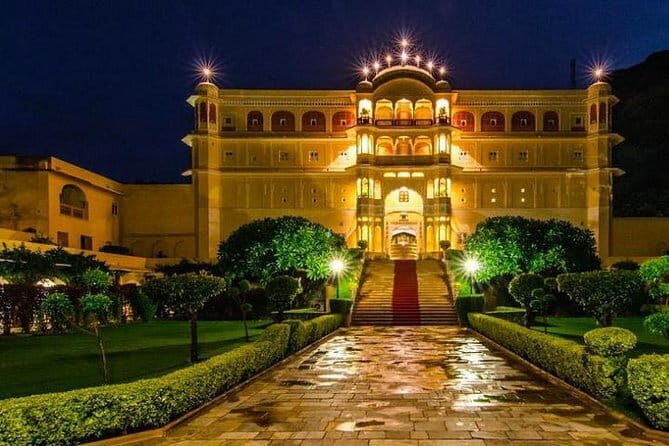
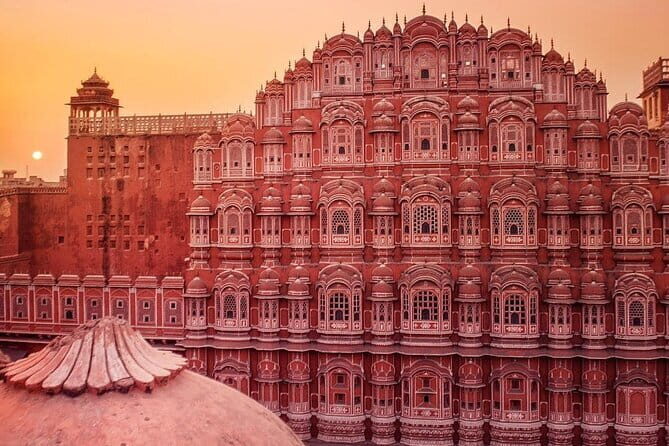
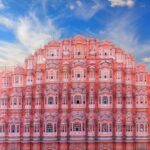
Hawa Mahal, also called the Palace of Wind, is built with a very specific purpose: royal ladies could observe street festivities without being fully seen. That history shows up visually because the facade is all about those repeating openings—your eye loves repetition, and your photos do too.
You’ll have about 45 minutes for Hawa Mahal. That’s enough to capture classic exterior shots and maybe one or two interior-adjacent angles, depending on crowd flow and how long you linger. Admission isn’t included, and your tour lists the entry fee as ₹250 per person.
The key thing with Hawa Mahal photos is positioning. Many people simply shoot from one distance and call it done. Instead, try to get one frame that includes the facade’s height and another frame that crops tighter around window patterns. If you’re shooting for Instagram, patterns and geometry usually edit well.
Also, plan for people. This is one of Jaipur’s big-name sights, so the best strategy is patience: shoot while a view is clear, then shift slightly and shoot again. That way, you end up with clean compositions even if the street is active.

City Palace Jaipur: Pink Facades, 2 Hours, and the Royal Blue Room Option
City Palace is a major photography anchor in Jaipur, and you’ll spend about 2 hours here. It’s also where the tour’s photo promise meets real-time planning: the palace complex is large enough that time management matters.
Your tour notes that City Palace has a beautiful pink hue and is one of the most photogenic locations for Instagram-style shots. That’s accurate in practice because the palace colors create consistency across many angles. You can build a set of images where everything matches—facade, courtyards, and ornate details—so your feed looks cohesive.
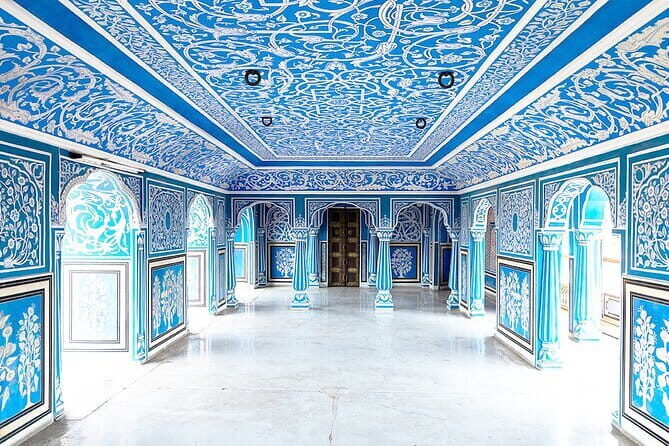
Admission isn’t included, and the entry fee is ₹700 per person. There’s also an optional extra ticket: the City Palace Royal Blue Room (Chandra Mahal) is listed at ₹4,000 per person. That doesn’t mean you should skip it, but it does mean you should decide if it’s truly on your “must photograph” list before the day starts. If it’s not, you can still get a strong City Palace photo package without that extra spend.
Within your 2-hour window, I recommend you think in layers:
- First: grab the defining exterior shots
- Second: focus on interior ornament or courtyard viewpoints
- Third: use the last part of your time for detail crops (arches, painted sections, repeating motifs)
If you’re the kind of photographer who needs time to look, this stop is worth it. Just don’t use all your minutes here if you still want Jal Mahal and the stepwell areas later.
Royal Gaitor Tumbas: A Quieter 45 Minutes Off the Main Flow
Royal Gaitor Tumbas is described as a hidden spot away from the hustle of the main tourist hotspots. You’ll have about 45 minutes, which is a solid amount of time for architecture shots without feeling like you’re trapped there for hours.
This is where you get a different texture from the “big landmark” day. Instead of the postcard facade photography, you can concentrate on the mood: stone, symmetry, and calm in a setting that feels less crowded than the most famous stops.
Admission isn’t included, and the fee listed is ₹50 per person. That’s a small ticket for a meaningful change of pace. If your day is already focused on palaces and temples, this stop helps break up your images so your set doesn’t look like one continuous theme.
Practical photo advice: in quieter places, you’ll often have a better shot if you take time to reframe for clean backgrounds. Walk a few steps left and right. Those small shifts can turn a messy background into something simple.
Jal Mahal: The Floating Palace Look Over Man Sagar Lake
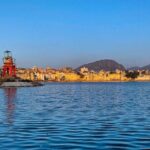
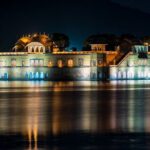
Jal Mahal, also called the Water Palace, is the stop that many people remember even if they only glance at it for a short time. You’ll have about 30 minutes for this one, and your tour says admission is free.
The big visual hook is its location in Man Sagar Lake. The palace appears to float above the water, which makes it instantly photogenic—especially if you like reflections, layered backgrounds, and dramatic silhouettes.
Because it’s a shorter stop, your strategy should be fast and focused:
- Aim for one wide shot that shows the palace and lake context
- Then take one tighter shot that emphasizes the facade and water line
If the view is busy, reposition slightly rather than waiting too long. In a photo route like this, you want to keep energy for the next stops.
Also note: since it’s free, it’s a great way to keep your day budget under control. After you pay for a couple of major entries earlier, Jal Mahal gives you a high visual return without another ticket.
Amer and Panna Meena Kund: Stepwell Geometry with Long Photo Potential
This is where the day gets truly photo-geometry focused. Your plan includes time at Amer and the Panna Meena Kund areas, with 2 hours allocated for Amer and exploring Panna Meena Kund. Both are listed as admission free in your tour details.
The stairs at Panna Meena Kund are described as a sight to behold, with intricate carvings and colorful angles that reward different viewpoints. Stepwell photography can look amazing because it offers repeating lines and strong perspective. It’s also one of those places where moving just a few steps changes the entire frame.
Your tour includes another stop specifically for Panna Meena ka Kund for 30 minutes at the end of the day. Rather than treating it as total duplication, think of it as a chance to refine your shots: first you explore and find angles, then later you return briefly for your best final frames once you’ve seen what works.
If you’re shooting for a clean Instagram result, this is the moment to think about your composition rules:
- symmetry and centered lines for a polished look
- off-center angles if you want energy and depth
- detail crops after you’ve captured the wide frames
With a full day in Jaipur, your feet will start to feel it. The photo payoff is worth it, but bring water and plan for slower movement in the stair areas.
Price and Value: What the $15 Ticket Really Covers
The tour price is listed as $15.00 per group (up to 2). That’s unusually low for an 8-hour private transport day with pickup and drop-off. So where is the catch? Entrance fees.
Most of the day’s biggest sights have fees that are not included:
- City Palace: ₹700 per person
- Hawa Mahal: ₹250 per person
- Royal Gaitor: ₹50 per person
- Albert Hall Museum: ₹250 per person
- City Palace Royal Blue Room: ₹4,000 per person (optional)
- Birla Mandir: admission not included (amount not specified)
Meanwhile, you get free entry for Jal Mahal and the Panna Meena Kund areas.
So the value math works like this: you’re mostly paying for transport, time, and a photo-focused route. If you skip the optional Blue Room or decide you only want the essentials at each paid stop, the day can still stay budget-friendly. If you add every optional ticket, the total cost becomes more serious, and you should double-check that you truly want that extra interior access.
Also, because the tour is private and limited to your group, you’re not paying for extra people’s time. That keeps it good value if you’re traveling as a duo or solo.
Who This Tour Suits Best (And Who Might Want Something Else)
This tour is a great fit if you want a single-day plan that hits the visual highlights of Jaipur without forcing you to navigate transport and ticket logistics yourself. It’s especially good for people who care about building a consistent set of photos: palace facades, temple forms, lake drama, and stepwell geometry.
You’ll also like it if you appreciate a driver who can keep things moving. One documented experience praised a driver named Ali for navigating streets and squeezing in everything efficiently, plus for having a sense of humor. That kind of energy helps when you’re balancing timing across multiple stops.
Who might not love it: if you’re the type who wants long museum-style wandering and deep interior time at every site, the stop durations may feel short. The itinerary is built for photo stops, not for slow exploration.
It can also be a tougher choice for travelers who want completely ticket-free sightseeing. Most major landmarks on this route have entry fees, so your budget should reflect that.
Should You Book This Jaipur Instagram Tour?
I think it’s worth booking if you want a private, photography-first route that covers the big recognizable sights plus a couple of chances to shoot from quieter angles. The pickup/drop-off and the private vehicle make it easier to spend your energy on the photos instead of on logistics.
Before you book, do two quick decisions:
1) Decide whether the Royal Blue Room (Chandra Mahal) is a priority for you, since it’s the biggest potential cost jump.
2) If you’re sensitive to entrance fees, plan to rely more on the free stops like Jal Mahal and Panna Meena Kund.
If you’re traveling with someone and can split the group price, the value gets even better. It’s the kind of day that leaves you with a finished photo set, not just a list of places you visited.
FAQ
FAQ
How long is the Jaipur Instagram Tour?
The tour runs for about 8 hours.
What is the price and group size?
It costs $15.00 per group, up to 2 people.
Are pickup and drop-off included?
Yes. Pickup and drop-off at the hotel or airport are included.
Can I choose between a car and a tuk-tuk?
Yes. The tour offers the option to select car or tuk-tuk for your trip.
Are entrance fees included?
No. Entrance fees are not included for several stops, including City Palace (₹700), Hawa Mahal (₹250), Royal Gaitor (₹50), and Albert Hall Museum (₹250). The Royal Blue Room (Chandra Mahal) is listed as ₹4,000 per person.
Which stops are free for admission?
Jal Mahal is listed as free. Panna Meena Kund / Panna Meena ka Kund is listed as free.
What’s the ticket format?
You receive a mobile ticket.