REVIEW · KOLKATA
Private Kolkata Custom Tour 2 Days: Flower Market, Mother House
Book on Viator →Operated by Kolkata Trips · Bookable on Viator
Kolkata without the scramble. This private custom tour strings together classic sights like the Malik Ghat Flower Market near Howrah Bridge and the Mother House, with a driver-guide who helps shape the day around what you care about. I like the air-conditioned private car and the hotel pickup and drop-off that keep your feet free for the walking parts.
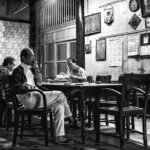
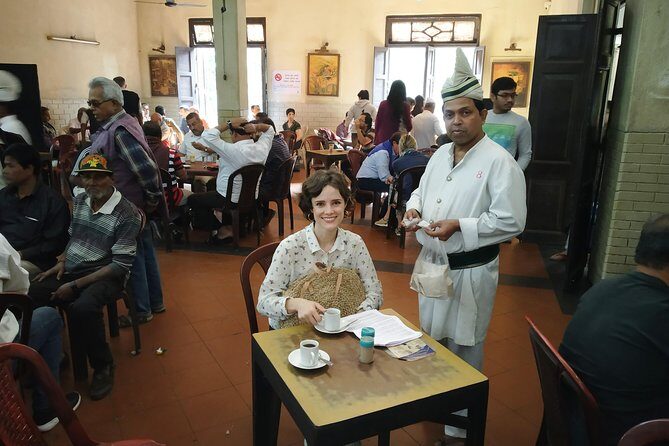
My second big win is the mix of sacred and working-class Kolkata, especially Kumartuli’s craft streets and that included coffee break at Indian Coffee House. It helps turn a long schedule into a day with texture, not just checkpoints.
One drawback to plan for: the outing runs about 15 to 16 hours, and while there’s a scheduled lunch break, the meal cost isn’t included. Also, the Victoria Memorial museum ticket costs extra, so you’ll want a little cash planning in your bag.
In This Review
- Key highlights worth your time
- A private route for first-time Kolkata: pickup, A/C car, and a guide who adjusts
- Malik Ghat Flower Market and Howrah Bridge: the Hooghly morning mood
- Mother House and Parashnath Jain Temple: two spiritual stops in one loop
- Kumartuli idol workshops, College Street, and the Indian Coffee House break
- St. John’s Church and Maghen David synagogue: colonial-era architecture with living faith
- Dakshineswar Kali Temple and Belur Math: devotional sites on the Hooghly
- Victoria Memorial, Maidan, and Kolkata’s civic core: High Court, Post Office, Writers’ Buildings
- Price, included tickets, and what costs extra
- Should you book this Kolkata custom tour?
- FAQ
- How long is the private Kolkata custom tour?
- Is hotel pickup and drop-off included?
- Do I get a mobile ticket?
- Are entry fees included for the stops?
- Is lunch included?
- Is coffee included?
- What vehicle do you use?
- Is the tour private?
- What if the weather is bad?
- What costs extra besides the tour price?
Key highlights worth your time
- Malik Ghat Flower Market by Howrah Bridge: built in 1855, one of Asia’s largest flower markets
- Mother House and Parashnath Jain Temple: two major spiritual sites with very different atmospheres
- Kumartuli idol-making quarter: see artisans handcraft clay idols for festivals and export work
- Included coffee stop and bottled water: small add-ons that keep the day comfortable
- Car-first touring with a pro guide: government-approved professional guide plus hotel pickup and drop-off
- Maidan civic landmarks and big monuments: Victoria Memorial, Town Hall, High Court, Post Office, and more
A private route for first-time Kolkata: pickup, A/C car, and a guide who adjusts
This tour is built for people who want Kolkata’s key sights without playing logistics roulette. You’re not relying on buses, unofficial rickshaws, or trying to map distances through traffic. Instead, you get an air-conditioned private vehicle and a professional guide, with hotel pickup and drop-off included. That matters because Kolkata can be fast, loud, and surprisingly time-consuming between neighborhoods.
The schedule is long—about 15 to 16 hours—but the day is structured in a way that keeps switching locations manageable. You’re moving between major landmarks and faith sites, with short set times at most stops (often around 30 minutes, with a couple lasting about 45). The “custom” part is what makes it feel less like a conveyor belt. If you care more about architecture, religion, or crafts, the driver-guide can help steer the emphasis.
One more practical note: there’s a mobile ticket provided, and the tour includes essential fees and taxes tied to the itinerary. That lowers the common headache of surprise entry costs mid-day—though one important museum does cost extra (more on that later).
Finally, the tone of service seems to be a real strength. Mr. Mukherjee and the team are repeatedly praised for being friendly, flexible, and focused on keeping people comfortable, even when plans need adjustment due to health or schedule changes.
You can also read our reviews of more private tours in Kolkata
Malik Ghat Flower Market and Howrah Bridge: the Hooghly morning mood
You start at Malik Ghat Flower Market, described as the largest flower markets in Asia. It’s right near the famous Howrah Bridge along the Hooghly River at Mallik Ghat. The market dates to 1855, so you’re not just seeing stalls—you’re seeing a long-running trade that’s woven into the city’s daily rhythm.
This stop is timed at about 30 minutes, which is enough to take in the scale, watch workers move through stacks and bundles, and get a sense of how Kolkata treats flowers as a serious part of culture—not just decoration. If you’re into color, motion, or everyday commerce, this is where you get it fast.
Then you head to Howrah Bridge itself for about 15 minutes. The bridge was commissioned in 1943, and it replaced a pontoon bridge at the same location that connected Howrah and Kolkata. Even if you’ve seen photos before, the setting changes your impression: you’re standing in the flow of a working riverfront city, not in a museum display.
Practical tip: wear comfortable shoes. Even short walks around bridges and markets can add up when you’re doing a full day. Also, keep your camera handy, because this area gives you both tight street scenes and wide river views.
Mother House and Parashnath Jain Temple: two spiritual stops in one loop
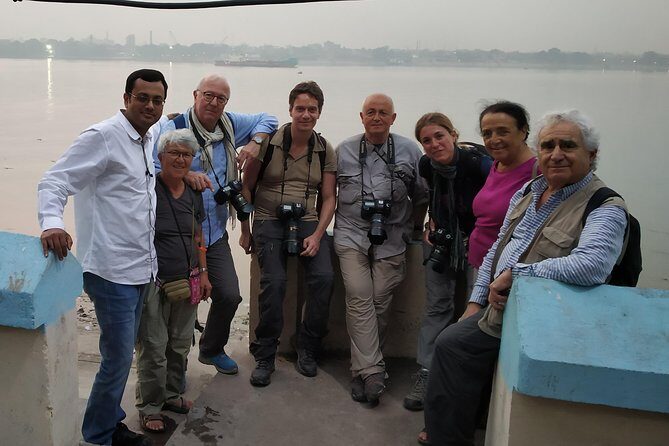
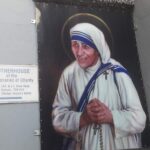
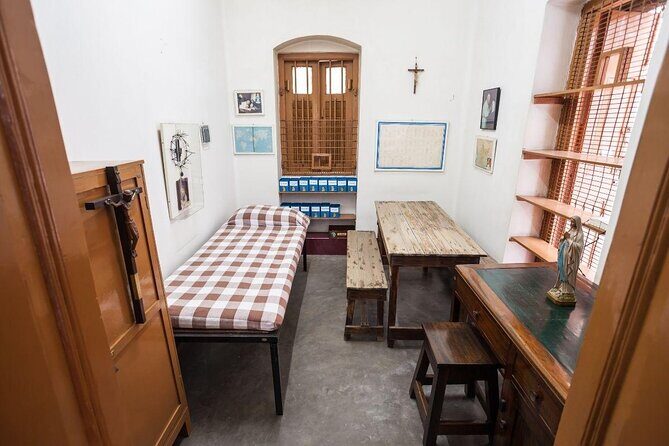
From commerce and river life, the tour shifts into devotion. First comes Mother House, established by Blessed Mother Teresa in 1950. The Mother House is a holy place focused on reverence and selfless service to mankind, and it’s timed at about 30 minutes. Expect a quieter mood here—less about spectacle and more about presence. If you want to understand why Kolkata is called a city of compassion, this stop does that in a direct, no-fuss way.
Next is Parashnath (Parshwanath) Jain Temple, also set for about 30 minutes. The temple was built by a Jain named Rai Badridas Bahadoor Mookim in 1867, which gives it that “older than your travel plans” feeling. Jain temples can be especially striking because of how carefully they express belief through design and space. Even if you don’t know Jain teachings, the architecture and atmosphere help you read the place.
The balanced genius of this pairing is that it’s not a generic temple day. You’re seeing two major religious experiences side by side: Mother Teresa’s institutional spiritual legacy, then the Jain tradition represented by a temple that dates back to the 1800s. It’s a reminder that Kolkata’s identity isn’t one thread—it’s a braided set of communities.
Practical consideration: both sites are religious places. Plan for respectful clothing and a slower pace inside.
Kumartuli idol workshops, College Street, and the Indian Coffee House break
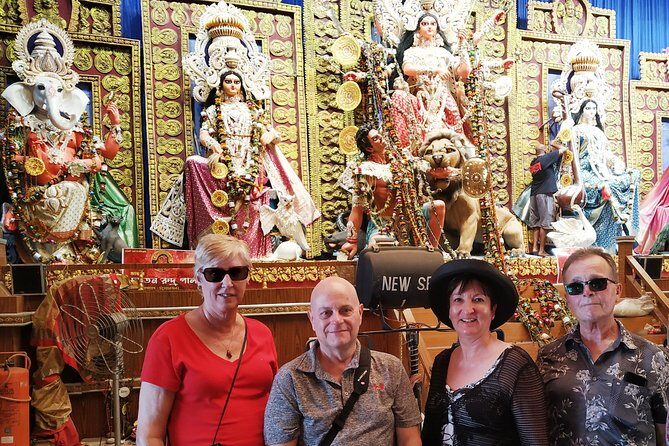
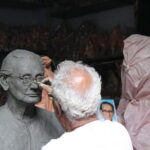
After the religious stops, the tour moves into workshops and neighborhood life. Kumartuli is a traditional potters’ quarter in northern Kolkata, and the city is known for its sculpting prowess. This area manufactures clay idols for festivals and also exports idols, meaning the work connects local tradition to global demand. You’ll spend about 30 minutes here, which is ideal for watching artisans at work without feeling rushed.
If you like understanding culture through skills, Kumartuli is a strong choice. The craft isn’t abstract. It’s hands, tools, clay, and the steady rhythm of making forms that will be used during celebrations.
Then you hit College Street (Boi Para), a 1.5 km long central street known for schools and colleges associated with Calcutta University and others listed for the area. This stop is also timed at about 30 minutes. It’s a good contrast to Kumartuli because it shifts from “making objects” to “making minds.” Even if you’re not going inside academic buildings, walking along gives you a sense of Kolkata as an education hub—not only a heritage city.
Between these stops, you get a real comfort break. The tour includes coffee at the Indian Coffee House and bottled water, and it also includes a scheduled lunch break. The lunch break is for timing flexibility, but the meal cost isn’t included, so you should plan to pay for what you choose.
My advice: use that coffee time for your strategy. This tour covers a lot of ground. A quick drink and bathroom stop right there helps you stay sharp for the next set of churches, synagogues, and river temples.
St. John’s Church and Maghen David synagogue: colonial-era architecture with living faith
Kolkata’s architecture tells stories, and this itinerary leans into that. St. John’s Church is timed at about 30 minutes, and entry is included. It was originally a cathedral and was among the first public buildings erected by the East India Company after Kolkata became the effective capital of British India. That puts the building in a historical timeline that Kolkata itself was actively writing.
A short step away, you visit the Maghen David synagogue, also about 30 minutes, with entry tickets included. It was built in 1884 by Elias David Ezra in memory of his father David Joseph Ezra. The synagogue is described as Italian Renaissance style with a brick-red finish, approached through an arched design. This is the kind of place where design details matter, because the setting can feel very different from the surrounding streets.
Taken together, these stops do more than add variety. They show how Kolkata absorbed different communities and influences while still remaining intensely local in street life. The best part of a private guide here is that you’re not just looking at buildings—you’re learning what role they played in the city’s transformation.
Practical note: these places are not “just photo stops.” Slow down. Read the space. Keep your voice low.
You can also read our reviews of more shopping tours in Kolkata


Dakshineswar Kali Temple and Belur Math: devotional sites on the Hooghly
Next, the tour reaches two major spiritual sites along the Hooghly River: Dakshineswar Kali Temple and Belur Math.
Dakshineswar Kali Temple is timed at about 45 minutes. It’s described as a Hindu navaratna temple, and the presiding deity is Bhavatarini (Kali), a form of Kali. It’s located on the eastern bank of the Hooghly, which means you’re viewing the temple in connection with the river’s presence—not just as an isolated monument.
After that, you go to Belur Math, also about 45 minutes. Belur Math is the headquarters of the Ramakrishna Math and Ramakrishna Mission. It was founded by Swami Vivekananda and sits on the west bank of the Hooghly River. This stop is especially meaningful if you like spirituality that’s expressed through institutions and service—not only through individual rituals.
Why this pair works: both sites are on the same river system, but they reflect different religious and philosophical worlds. One is strongly tied to Kali worship; the other ties to a mission and organization associated with Vivekananda’s impact.
Practical advice: give yourself time to look slowly. River-side light can be beautiful, but the main value here is the atmosphere and how the river frames each place.
Victoria Memorial, Maidan, and Kolkata’s civic core: High Court, Post Office, Writers’ Buildings
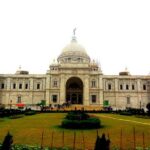
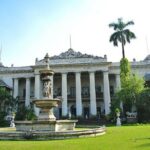
Once you shift from temples to monuments, Kolkata goes big. The itinerary includes Victoria Memorial Hall, timed at about 45 minutes. It’s a large marble building built between 1906 and 1921 and dedicated to Queen Victoria. Here’s the catch: the museum ticket is not included (it’s listed as ₹500.00 per person). If you want to see the interior exhibits, budget for that in advance so you don’t lose time at the door.
From there, you’ll spend time around the Maidan, described as the largest urban park in Kolkata. The Maidan includes sports grounds, and Eden Gardens is mentioned as the famous cricket ground inside it. Eden Gardens was established in 1864 and is noted as the oldest cricket stadium in India.
You’ll also encounter other civic and colonial-era landmarks listed in the route, including:
- Town Hall, built in 1813 in Roman Doric style
- Calcutta High Court, described as the oldest High Court in India
- General Post Office, the central post office of Kolkata and chief post office of West Bengal
- Raj Bhavan, official residence of the Governor of West Bengal (built in 1803, formerly known as Government House)
- Writers’ Building, the State Government secretariat building, originally serving as an administrative office for junior clerks
- Fort William, a fort built during early years of the Bengal Presidency, on the Hooghly’s eastern bank
Depending on the day, you may also see:
- Race Course in Kolkata, built in 1820 and maintained by the Royal Calcutta Turf Club (races held July to September and again from November)
- St Andrew’s Church, the only Scottish church in Kolkata, known as the Kirk (foundation stone laid in 1815, opened 1818)
- Shaheed Minar (Martyrs’ Monument), erected in 1828 in memory of Major General Sir David Ochterlony
- And more around this core area where photo stops feel natural
This is where you understand Kolkata as a city shaped by governance, courts, communications, and sport—while still staying connected to the river.
Price, included tickets, and what costs extra
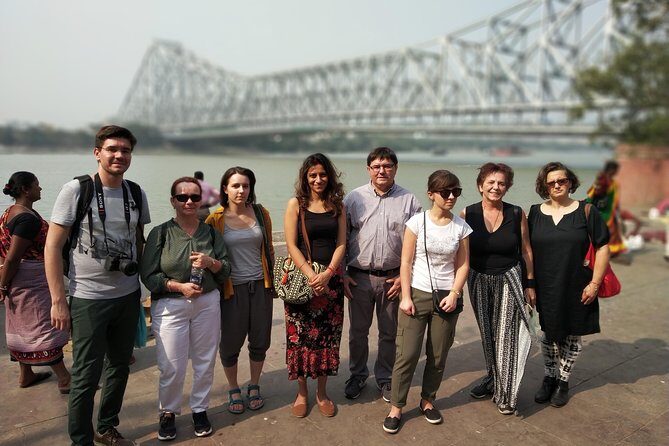
At $146.06 per person for a private, custom 2-day experience (about 15 to 16 hours total), the value depends on how you weigh convenience and guided access.
Here’s what’s clearly included:
- Private air-conditioned vehicle
- Govt. approved professional tour guide
- Essential fees & taxes tied to the itinerary (including guide fees, fuel, parking, tolls)
- Hotel pickup and drop-off
- A cultural experience at Kumartuli
- Coffee at Indian Coffee House plus bottled water
- A scheduled lunch break (meal cost not included)
Admissions are mostly handled the easy way: many stops list free admission. Two notable items list entry as included: St. John’s Church and the Maghen David synagogue.
What costs extra:
- Victoria Memorial Hall museum entry (₹500.00 per person)
- Meals beyond the included break (since lunch meal cost isn’t covered)
- Gratuities (at your discretion)
When you compare that to DIY planning, the biggest savings aren’t just money. It’s time, stress, and the cost of getting it wrong in a city where distances can surprise you. If you want a guide to connect the dots between Mother Teresa’s legacy, Jain temple architecture, craft traditions in Kumartuli, and the civic spine around the Maidan, this price starts to look fair.
Should you book this Kolkata custom tour?
Book it if you want to:
- Get core Kolkata highlights—Malik Ghat Flower Market, Mother House, Kumartuli, and the Hooghly temples—without a map headache
- Spend your energy on seeing and learning, not coordinating rides
- Enjoy a guide-led day where timing feels managed and you’re not rushed
Consider a different approach if:
- You don’t handle long days well. The tour is about 15 to 16 hours, and the pace is packed even with short stop times.
- You’re planning to prioritize the Victoria Memorial museum interior. You’ll need to budget for the ticket that’s not included.
If the weather is shaky, keep in mind the tour requires good weather, and if it’s canceled due to poor weather, you’ll be offered a different date or a full refund.
FAQ
How long is the private Kolkata custom tour?
It runs about 15 to 16 hours (approximately).
Is hotel pickup and drop-off included?
Yes, hotel pickup and drop-off are included for a smoother start and finish.
Do I get a mobile ticket?
Yes, the tour includes a mobile ticket.
Are entry fees included for the stops?
Many stops list free admission. St. John’s Church and Maghen David synagogue include admission tickets, while Victoria Memorial Hall museum entry is not included.
Is lunch included?
There is a scheduled lunch break, but the meal cost is not included.
Is coffee included?
Yes, coffee at the Indian Coffee House is included, along with bottled water.
What vehicle do you use?
You’ll travel in a private air-conditioned car.
Is the tour private?
Yes. It’s a private tour/activity, so only your group participates.
What if the weather is bad?
The experience requires good weather. If it’s canceled due to poor weather, you’ll be offered a different date or a full refund.
What costs extra besides the tour price?
Gratuities are not included, and you’ll also need to pay for meals (unless specified). Victoria Memorial museum entry is listed as extra at ₹500.00 per person.