REVIEW · JAIPUR
Kitchen is Yours Cooking class in Jaipur with Pickup & Drop
Book on Viator →Operated by Activities in Jaipur · Bookable on Viator
Stepping into a Jaipur home kitchen beats a studio demo. You start with a welcome drink like chai or lemon water, then learn hands-on Indian cooking from hosts Rohit and his mum. I especially like how the class stays practical (you’ll actually make the food) and how the menu covers everyday favorites, from chapati to dal and paneer sabji. One thing to consider: the menu can shift with the season, and you’ll want to flag allergies or dietary needs early when you book.
The big payoff is that you’re not just tasting. You get to eat what you cooked, plus you can ask follow-up questions about masala, ingredients, and how to make things taste right at home. Since this is a private group capped at 6, you’ll likely get more attention than in bigger classes, but the flip side is you’ll move at the class pace, not at your own comfort speed.
In This Review
- Key things you’ll notice right away
- A Jaipur home-kitchen class with pickup, drop, and real meals
- Start the right way: welcome drinks and what you’ll cook
- The hands-on part: chapati, dal, and how spices behave
- A heads-up: pace and attention
- Paneer sabji and the comfort-food sweet spot
- Make masala tea with a real method you can repeat
- Kheer and halwa: sweets that teach technique, not just sugar
- Lunch and dinner included: the best kind of payoff
- Price and value: about $32 for a private, meal-heavy class
- Who should book this class in Jaipur
- Should you book Kitchen Is Yours in Jaipur?
- FAQ
- How long is the cooking class?
- Does this experience include meals?
- Is pickup and drop-off included?
- How big is the group?
- Can the menu change?
- What if I have an allergy or dietary restriction?
- What’s the cancellation policy?
Key things you’ll notice right away
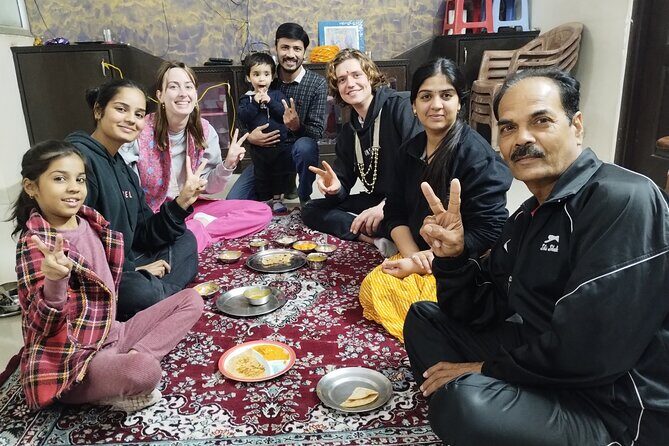
- Home-kitchen teaching with hosts Rohit and his mum, not a showroom setup
- Chai-focused warm-up, including how to make masala tea
- Hands-on breads and mains like chapati (roti), dal, and vegetable dishes
- Paneer and sweet lessons such as paneer sabji, kheer, and halwa
- You eat your results with lunch and dinner included
A Jaipur home-kitchen class with pickup, drop, and real meals
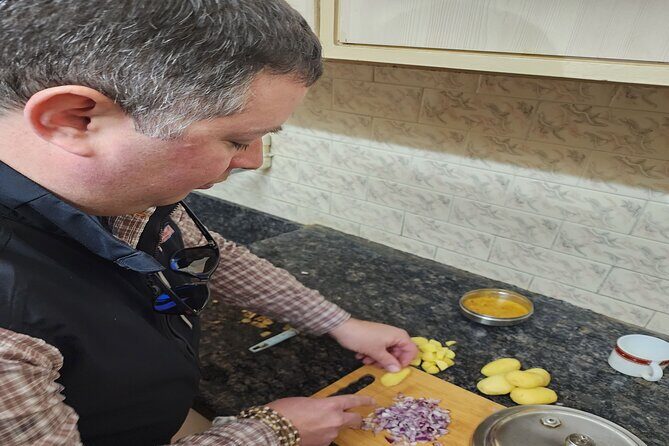
This cooking class in Jaipur is designed for people who want to learn Indian cooking the way locals actually eat it: in a kitchen, with ingredients you can find, and with enough time to practice. You’ll be welcomed at the hosts’ home, and pickup and dropoff are included, which matters in Jaipur where navigating traffic and finding parking can turn a “quick plan” into a headache.
The class runs about 3 hours. It’s also private, with a maximum of 6 people per booking. That small size is a big deal because it makes it easier to get help when you’re rolling chapati, measuring spices, or figuring out the texture you’re aiming for. You also get a mobile ticket, so you’re not scrambling for paper.
The tone here is friendly and question-friendly. After cooking, you’ll be able to ask more about masala blends, tips to make food taste better, and special ingredients. That kind of follow-up is where many cooking classes fall short—this one treats it as part of the experience.
You can also read our reviews of more cooking classes in Jaipur

Start the right way: welcome drinks and what you’ll cook
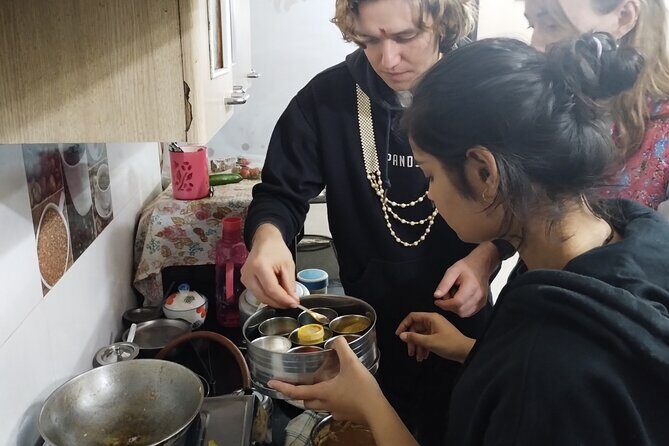
Before the knives and pans come out, you’ll be welcomed with a traditional drink such as chai or lemon water. This isn’t just a courtesy. In India, tea and hot drinks are often part of the rhythm of hosting, and it’s a quick way to settle in—especially if you’re visiting Jaipur and want a cultural anchor that doesn’t require any planning.
Then you’ll get a briefing about the different types of Indian cuisine and how an Indian kitchen thinks about meals. That’s useful because Indian cooking can look intimidating online: there are spice blends, sauces, and techniques that seem separate. In a well-run class, you start seeing the shared logic—how heat, spice timing, and ingredient choices work together.
From there, you’ll learn a set of dishes. The menu can vary depending on the season, but the core ideas include:
- Chapati (roti)
- Seasonal vegetable dishes
- Dal (lentils)
- Paneer sabji (cottage cheese curry)
- Kheer (rice pudding)
- Halwa (semolina pudding)
- Dal & baati
Even if the exact combinations shift, you’re still covering the backbone of Indian home meals: bread, lentils, vegetables, a protein option like paneer, and sweets.
The hands-on part: chapati, dal, and how spices behave
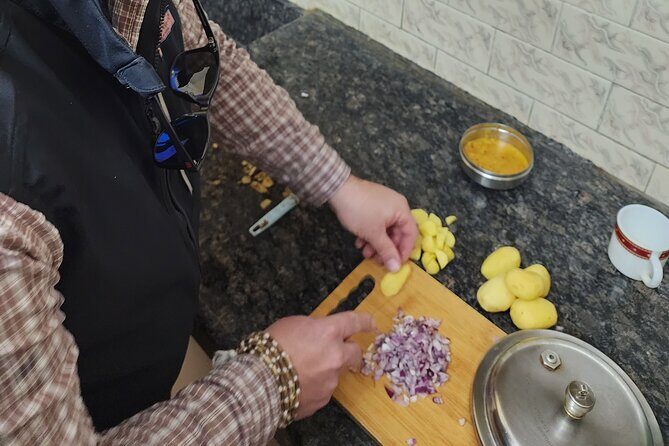
The practical value starts immediately with chapati (roti). This is one of those skills that looks easy until you try it. In a class like this, you learn not just the recipe, but the feel: dough consistency, rolling technique, and how heat changes the final result. If you’ve ever made flatbreads at home and wondered why yours don’t puff, this is the kind of hands-on practice where you can get direct coaching.
After the bread, you move into dishes like dal and seasonal vegetable curries. Dal isn’t one single “thing”—it’s a cooking approach. You learn how lentils soften, how spices and aromatics build flavor, and what “done” looks like in texture. That’s the kind of detail that helps later when you’re cooking without a teacher standing over your shoulder.
The vegetable dishes add another layer: you see how seasonal produce gets treated. In India, seasonal ingredients aren’t just a sustainability idea—they shape what’s available and what flavors show up in that time of year. The class also keeps things grounded: you’re not being taught obscure restaurant shortcuts. You’re learning dishes that make sense for everyday cooking.
A heads-up: pace and attention
Because the group max is 6 and the class is only about 3 hours, the pace is steady. You’ll get help, but you won’t have unlimited time to repeat every step ten times. If you’re the type who learns best by doing the exact same motion repeatedly, tell your host early that you’d like extra guidance on one or two specific dishes (like chapati rolling or dal consistency).
Paneer sabji and the comfort-food sweet spot
Paneer sabji is one of the most popular lessons in Indian home cooking classes for a simple reason: it’s forgiving but still rewarding. Paneer takes flavors well, and when the sauce is right, it tastes comforting even if you’re not used to Indian spices.
In this class, paneer sabji is part of the taught lineup. That matters because you’re not only learning a bread-and-dal meal; you’re learning a protein dish you can recreate later. When you take this home, paneer sabji gives you something more interesting than a basic vegetarian curry. It also pairs naturally with chapati, so your cooking work at the stove turns into a full meal instead of a pile of separate dishes.
You’ll also likely work with masala—both as ingredients and as a concept. The goal isn’t just “mix spices and hope.” It’s understanding why you add certain spice flavors at the right moment and how the balance of heat, aroma, and richness changes the final taste.
A few more Jaipur tours and experiences worth a look





Make masala tea with a real method you can repeat
One of the most useful add-ons here is learning how to make masala tea (chai). Many cooking classes mention chai, but this one includes instruction on making it. That means you don’t just sip the drink and move on—you learn a method.
Masala tea is all about balancing:
- the tea strength
- the spices
- the timing of simmering
- sweetness (if you choose to add it)
When you can repeat that at home, it turns the class from a one-time experience into a skill you’ll use. It’s also a great “practice dish” because you can try small variations without needing a full grocery run.
If you’re buying tea blends or spices while in India, this lesson helps you shop with purpose. You’ll know what you’re tasting for, which spices matter most for the profile you liked.
Kheer and halwa: sweets that teach technique, not just sugar
Kheer (rice pudding) and halwa (semolina pudding) are the sweet lessons that close the loop. Sweets in Indian cuisine can feel hard at first glance, but cooking them teaches texture control. You learn how thickening happens, how to manage simmering time, and how to tell when the pudding is ready.
Kheer teaches creaminess and patience. Halwa teaches how grains or semolina transform as they cook and absorb flavors. Even if you’ve made Western puddings before, these are different methods, and a guided class helps you avoid the classic issues: grainy texture, too-thick results, or flavor that tastes flat.
And because the class is designed around eating what you make, you can taste along the way. That makes it easier to connect technique to outcome.
Lunch and dinner included: the best kind of payoff
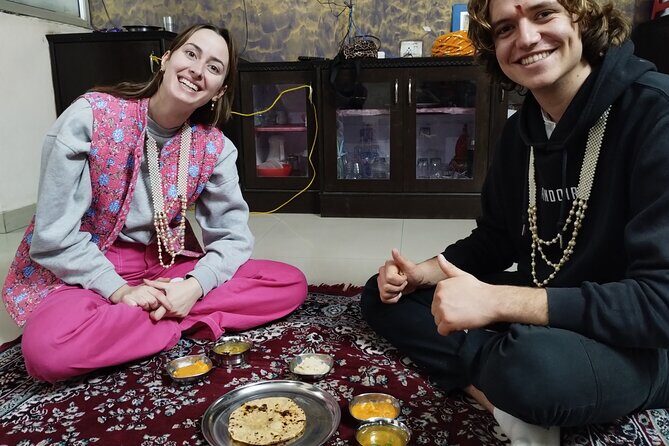
You’ll eat what you cook. And it’s not just a small snack at the end. Lunch is included, and dinner is also included, along with coffee and/or tea. So you get a full meal arc: first you cook, then you sit down and eat, and then the experience continues with more food.
That included dining piece adds real value. Cooking classes often charge for teaching but give you a limited tasting portion. Here, the structure supports a full eating experience, which is helpful if you’re budgeting during your Jaipur days.
It also gives you a chance to experience how the dishes are meant to work together. Chapati with dal, paneer sabji with bread, and then sweets after—this sequence helps you understand Indian meal flow rather than treating each item as isolated.
Price and value: about $32 for a private, meal-heavy class
At $31.77 per person, this is priced like a “short experience” but packed like a “half-day learning session.” The key value drivers are:
- Transport for pickup & drop included
- Lunch and dinner included
- Cooking class instruction plus the meals tied to what you cook
- All fees and taxes covered
For many visitors, the hidden cost is always logistics: paying for taxis, losing time to finding a kitchen, and then buying your own meals afterward. If pickup and dropoff save you that hassle, the class becomes easier to justify.
The booking window also suggests it’s a popular format. On average, it’s booked about 25 days in advance, so if you have fixed dates in Jaipur, plan ahead and don’t wait until the last minute.
Who should book this class in Jaipur
This fits best if you want:
- a hands-on cooking session where you make the food
- a small, private group (max 6)
- a home-kitchen feel rather than a commercial demo
- a mix of savory dishes and sweets
- masala tea as a practical skill you’ll use later
It’s also a good option for couples or small families who want something more personal than a standard city tour. The hosts, Rohit and his mum, run it like a home visit, and that matters if you enjoy asking questions and learning from people who cook the food daily.
If you’re extremely sensitive to allergies or have very specific dietary needs, treat this as a “yes, but plan carefully” situation. The class notes that you should advise about allergies and restrictions at booking. If you don’t, you’re gambling with your meal safety.
Should you book Kitchen Is Yours in Jaipur?
If your goal is to leave with real skills—chapati technique, dal approach, paneer sabji know-how, and a working method for masala tea—then yes, I’d book it. The combination of private small group, included meals, and transport makes it a strong value in a city where convenience can cost extra.
Book it especially if you want a home-cooked, question-friendly atmosphere and you’re okay with the menu being season-dependent. And if you have allergies or dietary restrictions, send those details early so the kitchen can plan properly.
FAQ
How long is the cooking class?
The cooking class in Jaipur runs for about 3 hours.
Does this experience include meals?
Yes. Lunch and dinner are included, along with coffee and/or tea.
Is pickup and drop-off included?
Yes, transport for pickup and drop-off is included.
How big is the group?
It’s private. The maximum group size is 6 people per booking.
Can the menu change?
Yes. The menu may vary depending on the season.
What if I have an allergy or dietary restriction?
You should advise the provider at the time of booking about allergies, dietary restrictions, or cooking preferences.
What’s the cancellation policy?
You can cancel for free up to 24 hours in advance for a full refund. If canceled within 24 hours, the amount paid is not refunded. The experience also requires good weather; if canceled due to poor weather, you’ll be offered a different date or a full refund.